

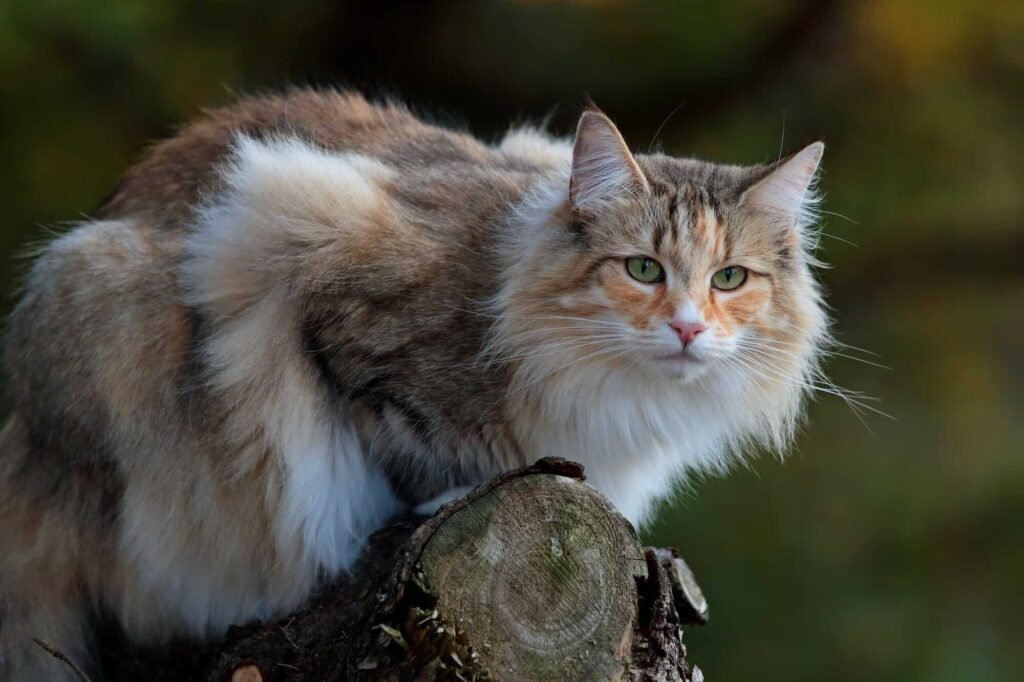
If you have a Norwegian Forest Cat or are thinking about bringing one into your home, understanding their health is key. These beautiful, fluffy cats are strong and playful, but like all breeds, they can face certain health issues.
Knowing what to watch for can help you keep your furry friend happy and healthy for years to come. You’ll discover the most common health concerns for Norwegian Forest Cats and simple steps you can take to protect your pet.
Keep reading to learn how to give your cat the best care possible.

Credit: www.petplan.co.uk
Common Health Issues
Norwegian Forest Cats are strong and healthy pets but can face some health challenges. Knowing common health issues helps owners keep their cats safe. Early detection and care improve their quality of life. Regular vet visits are important for spotting problems early.
Hypertrophic Cardiomyopathy
This heart condition causes thickening of the heart muscle. It can reduce blood flow and lead to heart failure. Symptoms include difficulty breathing and reduced activity. Regular heart check-ups can help catch this disease early.
Glycogen Storage Disease
A rare inherited disorder affecting the cat’s ability to store sugar. It may cause weakness and low energy in kittens. Testing is available for breeding cats to prevent passing it on. Supportive care can help manage the symptoms.
Hip Dysplasia
This condition affects the hip joint and can cause pain and limping. It is more common in larger cats but can happen to Norwegian Forest Cats. Maintaining a healthy weight reduces stress on joints. Surgery or medication may be needed in severe cases.
Polycystic Kidney Disease
A genetic disorder where cysts form in the kidneys. It can lead to kidney failure over time. Symptoms may include increased thirst and weight loss. Early diagnosis through ultrasound helps manage the disease better.
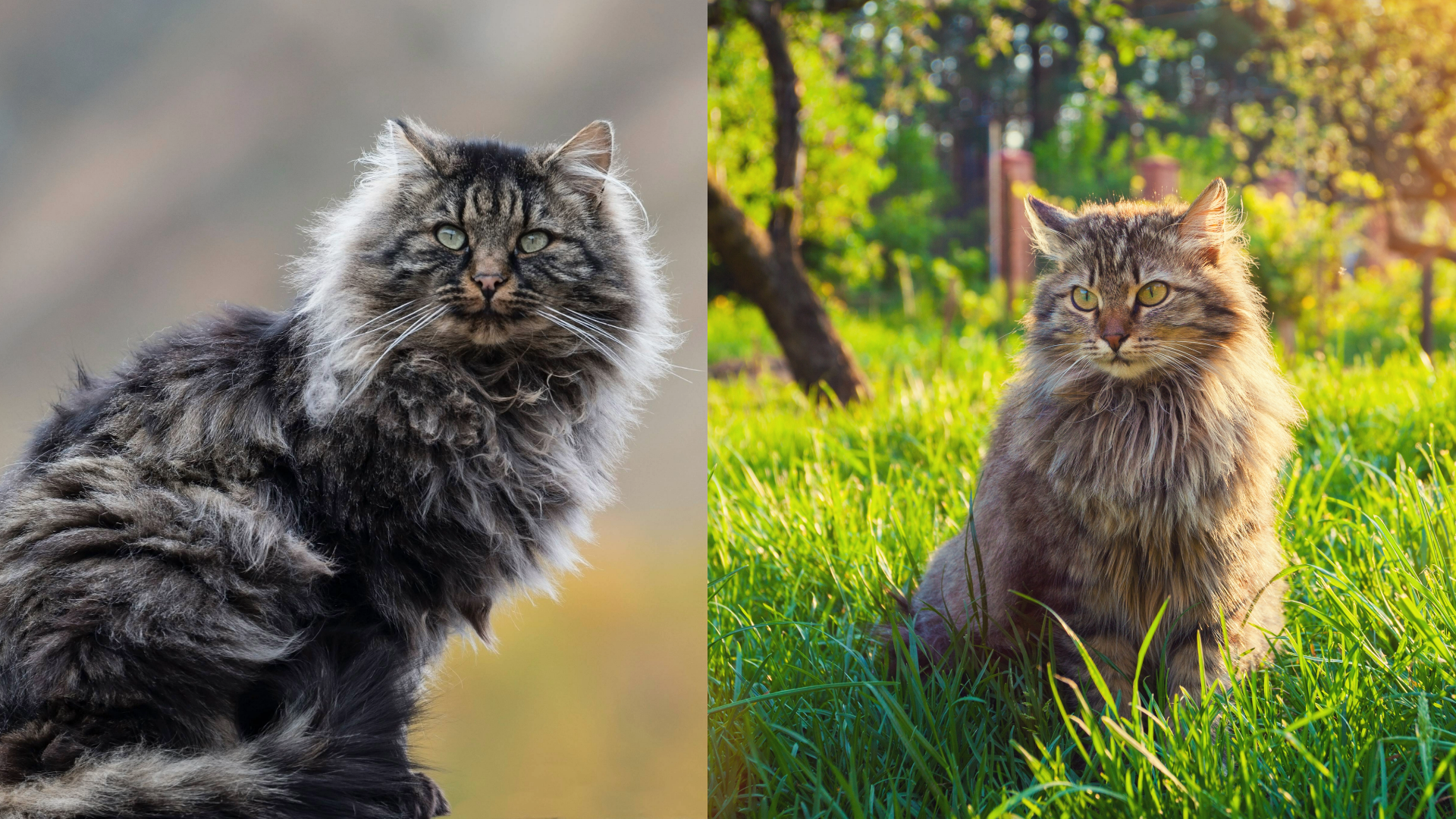
Credit: www.petsradar.com
Genetic Risks
Norwegian Forest Cats have unique genetic traits. These can sometimes lead to health problems passed through generations. Understanding genetic risks helps owners keep their cats healthy. Early awareness allows for better care and prevention.
Inherited Conditions
Some health issues come from the cat’s genes. These include heart diseases and joint problems. Hypertrophic cardiomyopathy (HCM) affects the heart muscle’s thickness. Hip dysplasia can cause pain and difficulty moving. These conditions vary in severity and may show signs at different ages.
Other inherited issues are glycogen storage disease and retinal atrophy. Both affect energy use and vision. Knowing these risks helps monitor symptoms early. Regular vet visits can catch problems before they worsen.
Testing And Screening
Genetic testing helps identify risks in Norwegian Forest Cats. Breeders often screen cats before breeding. This reduces passing diseases to kittens. Tests check for specific gene mutations linked to health problems.
Screening includes:
- DNA tests for heart and metabolic diseases
- Physical exams for joint issues
- Eye exams for vision problems
Early testing guides care decisions. It supports breeding choices that promote healthy cats. Owners can prepare for possible health needs in advance.
Preventive Care
Keeping your Norwegian Forest Cat healthy means staying ahead of potential health issues. Preventive care is your best tool to ensure a long, happy life for your furry friend. Paying attention to vaccinations, regular vet visits, and dental health can make a significant difference in their well-being.
Vaccinations
Vaccinations protect your cat from common and dangerous diseases. Many illnesses can be prevented with timely shots, which means fewer vet emergencies and less stress for both of you.
Talk to your vet about which vaccines are essential for your cat’s lifestyle. Outdoor cats may need different vaccines than those who stay indoors. Keeping a vaccination schedule helps you stay organized and ensures your cat’s immune system stays strong.
Regular Vet Checkups
Routine vet visits are more than just shots and weigh-ins—they catch problems early. I once delayed a checkup, only to find out my cat had a minor kidney issue that was easy to treat once identified.
During these visits, vets can spot signs of common Norwegian Forest Cat health issues like heart or joint problems. Aim for at least one vet visit per year, or more often if your cat is older or has ongoing health concerns.
Dental Health
Dental care often gets overlooked but is crucial for your cat’s overall health. Poor dental hygiene can lead to pain, infections, and even affect their heart and kidneys.
Brushing your cat’s teeth regularly or providing dental treats can keep plaque at bay. If brushing isn’t possible, ask your vet about professional cleanings and other dental care options. Have you checked your cat’s teeth today?
Nutrition And Diet
Nutrition plays a key role in keeping your Norwegian Forest Cat healthy and strong. This breed needs a diet that supports its active lifestyle and thick coat. Proper feeding habits help avoid health issues and improve longevity.
Choosing the right foods can boost your cat’s immune system and energy. A balanced diet provides essential nutrients without overloading calories. Understanding dietary needs helps maintain your cat’s well-being every day.
Balanced Feeding
Provide a mix of protein, fats, and carbohydrates for energy. Protein supports muscle health and keeps the coat shiny. Fats help with skin health and provide essential fatty acids. Carbohydrates supply fiber for good digestion.
Feed high-quality cat food made for active cats. Avoid fillers like corn or wheat that offer little nutrition. Fresh water should always be available to keep your cat hydrated.
Supplements For Health
Supplements can fill nutritional gaps in your cat’s diet. Omega-3 fatty acids improve coat shine and reduce inflammation. Taurine supports heart and eye health.
Consult your vet before adding supplements. Over-supplementing can cause harm instead of good. Natural sources like fish oil are often the best choice.
Weight Management
Norwegian Forest Cats can gain weight if overfed or inactive. Obesity increases the risk of diabetes and joint problems. Measure portions and avoid too many treats.
Encourage play and exercise to keep your cat fit. Monitor weight regularly and adjust food intake as needed. Maintaining a healthy weight improves overall quality of life.
Signs Of Illness
Noticing the signs of illness in your Norwegian Forest Cat early can make all the difference. These cats are known for their robust health, but like any pet, they can face health challenges. Recognizing subtle changes can help you act quickly and keep your furry friend comfortable.
Behavioral Changes
Have you noticed your cat hiding more than usual or becoming less playful? Norwegian Forest Cats are generally social and active, so sudden withdrawal or aggression can be a red flag.
Other signs include changes in appetite or grooming habits. If your cat stops cleaning itself or overeats, these could indicate discomfort or illness.
Pay attention to how your cat interacts with you and its environment. Does it seem lethargic or unusually restless? These behavioral shifts are often the first clues something is wrong.
Physical Symptoms
Physical signs are often easier to spot but can be mistaken for normal variations. Look for changes in your cat’s coat—dullness, excessive shedding, or bald patches might suggest skin problems or parasites.
Watch for limping, swelling, or unusual lumps. Breathing difficulties, coughing, or sneezing more than usual also warrant attention.
Keep an eye on your cat’s eyes and nose. Discharge, redness, or swelling can indicate infections or allergies that need treatment.
When To Seek Help
If your Norwegian Forest Cat shows any combination of behavioral changes and physical symptoms, don’t wait to consult a veterinarian. Some illnesses progress quickly, and early intervention can save lives.
Emergency signs include difficulty breathing, sudden weakness, seizures, or severe bleeding. Even if symptoms seem mild but persist for more than a day or two, professional advice is crucial.
Trust your instincts as a pet owner. If you feel something is off, reach out for help—you know your cat best.
Lifespan And Quality Of Life
The lifespan and quality of life of Norwegian Forest Cats depend on several factors. These cats are known for their robust health and strong build. Understanding their average lifespan helps owners set realistic expectations. Improving their quality of life ensures they live happily for many years.
Average Lifespan
Norwegian Forest Cats typically live between 12 and 16 years. Some cats may live longer with proper care. Genetics play a role, but daily habits matter most. Regular veterinary checkups help catch health issues early. A well-balanced diet supports healthy aging. These cats are generally healthy but can face some breed-specific problems.
Enhancing Longevity
Keeping your cat active is vital for longevity. Provide toys and playtime to stimulate their mind and body. A nutritious diet with high-quality protein keeps them strong. Avoid overfeeding to prevent obesity, a common health risk. Regular grooming maintains their thick coat and skin health. Create a safe, stress-free environment to reduce illness risks. Routine vet visits ensure vaccinations and parasite control. Early detection of health problems improves treatment success.
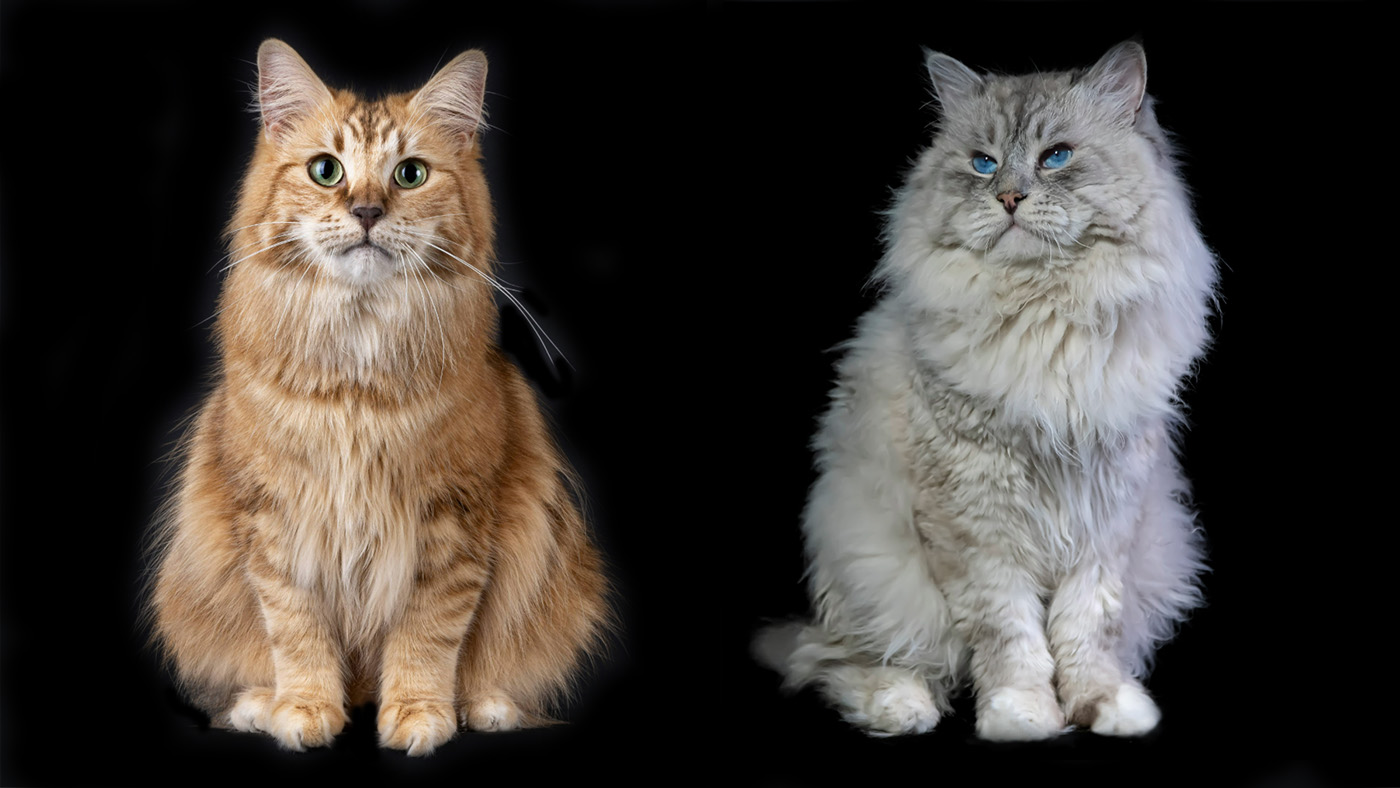
Credit: www.petsradar.com
Frequently Asked Questions
What Are Common Health Issues In Norwegian Forest Cats?
Norwegian Forest Cats often face hypertrophic cardiomyopathy, hip dysplasia, and glycogen storage disease type IV. Regular vet checkups help detect these early. Proper diet and exercise also support their health and longevity.
How Can I Prevent Health Problems In Norwegian Forest Cats?
Ensure regular veterinary visits, balanced nutrition, and exercise. Early screening for genetic diseases is vital. Avoid obesity and provide mental stimulation to maintain overall well-being and prevent common health issues.
Are Norwegian Forest Cats Prone To Genetic Diseases?
Yes, they can inherit conditions like hypertrophic cardiomyopathy and glycogen storage disease type IV. Responsible breeding and genetic testing reduce risks. Awareness helps owners manage and prevent severe health complications.
What Signs Indicate Health Issues In Norwegian Forest Cats?
Look for lethargy, difficulty breathing, limping, or sudden behavior changes. Early detection improves treatment outcomes. Consult a vet promptly if you notice these symptoms.
Conclusion
Norwegian Forest Cats are beautiful but need special care. Watch for common health problems like heart and kidney issues. Regular vet visits help catch problems early. Feeding a balanced diet keeps them strong and happy. Give your cat plenty of love and attention every day.
Healthy cats live longer and enjoy life more. Keep learning about their needs to give the best care. A happy cat means a happy home.
