

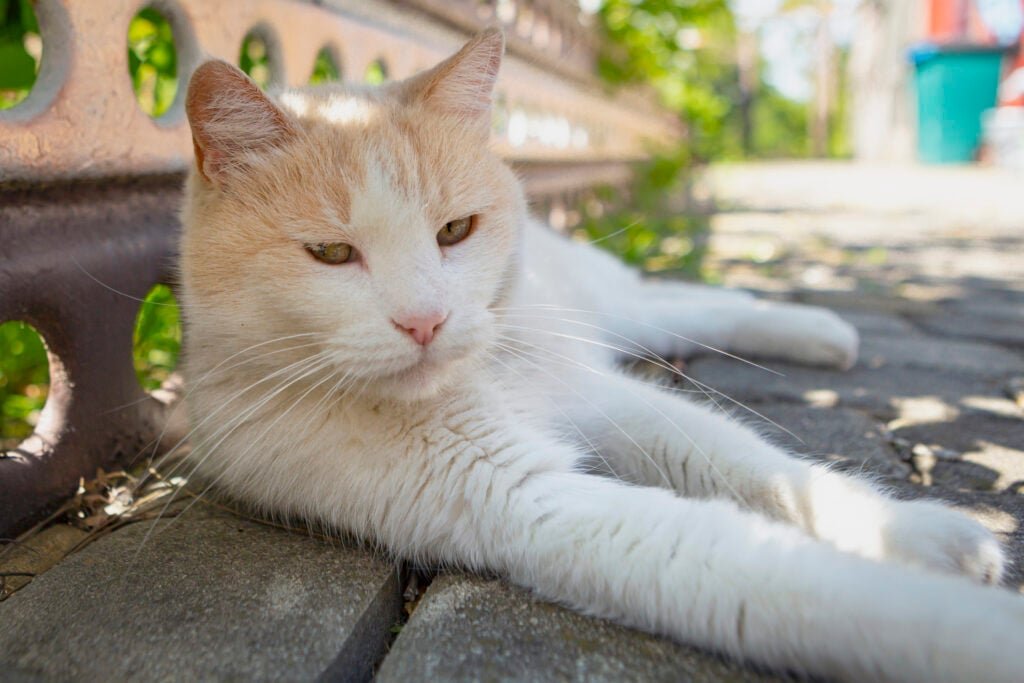
Are you curious about a cat breed that loves water and has a striking look unlike any other? The Turkish Van might be exactly what you’re looking for.
Known for their playful nature and unique swimming skills, these cats bring a special kind of energy into any home. If you want to discover what makes the Turkish Van stand out and why it could be the perfect companion for you, keep reading.
Your next feline friend might just be waiting here.
Origins Of The Turkish Van
The origins of the Turkish Van cat breed trace back to a fascinating blend of history, geography, and culture. Understanding where this breed comes from helps you appreciate its unique traits and spirited personality. Let’s dive into what makes the Turkish Van’s story so captivating.
Historical Background
The Turkish Van is believed to have existed for centuries, with roots going as far back as ancient Anatolia. This breed was first documented by Western travelers in the early 1900s, but locals in Turkey had cherished these cats long before that.
Interestingly, the breed’s distinctive features, like its semi-long coat and love for water, have remained consistent through generations. Have you ever met a cat that swims? The Turkish Van’s history might explain why it enjoys water so much.
Geographic Roots
As its name suggests, the Turkish Van originates from the Lake Van region in eastern Turkey. This area is known for its rugged terrain and harsh climate, which shaped the breed’s physical and behavioral traits.
The climate demanded a cat that could handle cold winters and hot summers, leading to the Van’s thick, water-resistant fur and muscular build. If you live in a place with varying weather, the Turkish Van’s adaptability might surprise you.
Cultural Significance
In Turkey, the Van cat is more than just a pet; it holds a special place in local folklore and tradition. It is often seen as a symbol of luck and protection in the Van region.
Locals even refer to these cats as “the swimming cats,” highlighting their unique love for water, which is rare among felines. Have you thought about how a pet’s cultural background can influence its behavior and your bond with it?
Physical Traits
The Turkish Van cat is known for its unique and eye-catching physical traits. These traits make it stand out among other cat breeds. Its appearance reflects its rich history and natural beauty. Let’s explore the key features that define this breed.
Distinctive Coat Patterns
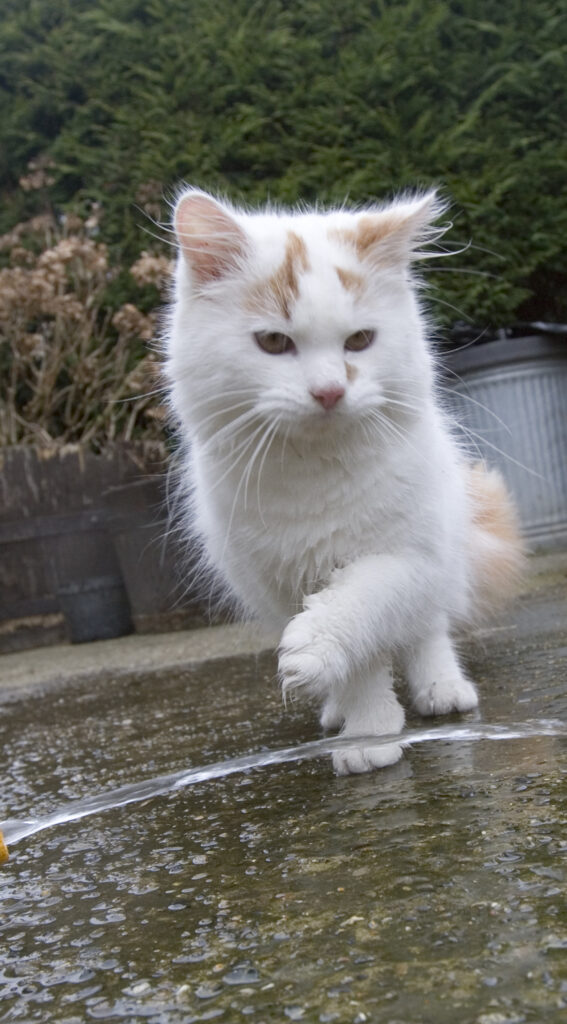
The Turkish Van has a special coat pattern called the “Van pattern.” This means most of its body is white with color only on the head and tail. The coat is semi-long and feels soft and silky. It is also water-resistant, which is rare among cats. These patterns make the Turkish Van very easy to recognize.
Eye Color And Shape
Turkish Vans have large, almond-shaped eyes. Their eye color varies and can be blue, amber, or odd-eyed (one blue and one amber). Bright eyes give them an alert and intelligent look. Their expressive eyes add charm to their overall appearance.
Size And Build
This breed is medium to large in size. Turkish Vans have a muscular and strong build. Their legs are long and sturdy, perfect for jumping and climbing. The tail is bushy and full, balancing their graceful movements. Their size and shape show their active and playful nature.
Water-loving Nature
The Turkish Van cat is famous for its unusual love of water. Unlike most cats, this breed enjoys playing and swimming in water. Their fascination with water makes them stand out among other cat breeds.
This water-loving nature is not just a quirk. It is part of their history and personality. Turkish Vans often splash in sinks, bathtubs, or even pools. This unique trait makes them fun and interesting pets.
Swimming Habits
Turkish Vans often swim with ease and confidence. They use their strong legs to paddle through the water. These cats can swim for a long time without getting tired.
Many owners find their Turkish Vans enjoying water games daily. They may jump into shallow water or chase floating toys. This behavior shows their natural comfort with water.
Reasons Behind Water Affinity
Their love for water comes from their origin near Lake Van in Turkey. This region has many lakes and rivers. Turkish Vans adapted to this environment over time.
They developed water-resistant fur to stay dry and warm. Their thick, soft coat helps them swim without losing body heat. This adaptation makes water activities enjoyable and safe.
Comparison With Other Cats
| Cat Breed | Water Affinity | Typical Behavior |
|---|---|---|
| Turkish Van | High | Loves swimming and splashing |
| Siamese | Low | Avoids water, dislikes getting wet |
| Maine Coon | Medium | Curious about water, may play near it |
| Persian | Low | Generally avoids water |
Most cats avoid water. Turkish Vans are rare in their comfort with it. This makes them unique and special among feline friends.
Credit: hfu.hollywoodfeed.com
Personality And Temperament
The Turkish Van cat is famous for its lively personality and unique temperament. This breed is energetic, friendly, and highly intelligent. Owners appreciate their playful spirit and strong curiosity. The Turkish Van loves to explore and interact with people and surroundings. Understanding their traits helps in building a great bond with this special cat.
Playfulness And Energy
Turkish Vans have a high energy level. They enjoy active play and need plenty of exercise. Toys, climbing trees, and games keep them happy. Their playful nature lasts well into adulthood. These cats often splash in water and enjoy swimming. This energetic behavior makes them fun companions.
Social Behavior
These cats are very social and love human company. They often follow their owners around the house. Turkish Vans can get along with children and other pets. They do not like being left alone for long. Their friendly nature makes them great family pets.
Intelligence And Curiosity
Turkish Vans are very smart and curious animals. They quickly learn new things and tricks. Their curiosity drives them to explore every corner of the home. Puzzle toys and interactive play stimulate their minds. This breed enjoys challenges and mental stimulation daily.
Care And Maintenance
Caring for a Turkish Van means understanding their unique traits and needs. These cats are active, intelligent, and have a distinctive love for water, which can influence their care routine. You’ll find that a little attention to their grooming, diet, and health will keep your furry friend happy and thriving.
Grooming Needs
Turkish Vans have semi-long fur that feels soft and silky. They are not heavy shedders, but regular brushing helps prevent mats and keeps their coat shiny. Brushing twice a week is usually enough, but increase it during shedding seasons.
Don’t forget to check their ears and eyes regularly for any dirt or signs of infection. Bathing is rare, but since they enjoy water, some owners find their cats more tolerant of occasional baths. Nail trimming every couple of weeks will keep claws manageable and prevent damage to your furniture.
Diet And Nutrition
Feeding your Turkish Van a balanced diet is key to their energy and health. They are quite active, so high-protein food supports their muscle tone and stamina. Look for quality cat food with real meat as the first ingredient.
You might notice your cat loves to drink water more than others, likely due to their affinity for swimming. Keep fresh water available at all times and consider wet food to add hydration. Avoid overfeeding; Turkish Vans stay fit when portion sizes match their activity levels.
Health Considerations
Turkish Vans are generally healthy, but like all breeds, they can have specific concerns. Regular vet check-ups help catch any early signs of health issues. Watch for symptoms like changes in appetite, energy, or grooming habits.
Some Vans have a genetic predisposition to kidney or heart problems, so ask your vet about screening tests. Their love for water means you should be careful with open pools or bathtubs to keep them safe. How do you monitor your cat’s health day-to-day?
Credit: www.petfinder.com
Living With A Turkish Van
Living with a Turkish Van is a unique and rewarding experience. This breed is known for its playful nature and love of water. They enjoy attention but also value their independence. Understanding their needs helps create a happy home for both cat and owner.
Ideal Home Environment
Turkish Vans thrive in spacious homes where they can explore freely. They love high places to climb and jump. A secure outdoor area or window perch adds to their happiness. Water bowls or small pools excite them, as they enjoy splashing around. Keep their environment safe and stimulating to prevent boredom.
Interaction With Families And Pets
These cats form strong bonds with family members. They enjoy playing and cuddling but can be selective with strangers. Turkish Vans get along well with other pets if introduced slowly. Their social nature makes them great companions for children. Respect their space when they want to rest or be alone.
Training Tips
Turkish Vans are intelligent and respond well to training. Use gentle, consistent commands and rewards like treats. Teach them basic commands such as “come” and “stay.” Engage them with interactive toys to stimulate their mind. Patience and positive reinforcement bring the best results.
Adoption And Availability
Adopting a Turkish Van cat can be a rewarding experience, but it requires careful consideration of where and how to find your new feline friend. These cats are unique, and their availability varies depending on your location and the resources you tap into. Understanding the best routes to adoption helps ensure you bring home a healthy, well-socialized pet that fits your lifestyle.
Finding Reputable Breeders
Look for breeders who specialize in Turkish Vans and have a strong reputation for ethical breeding practices. A reputable breeder will provide health clearances, allow you to visit their cattery, and answer all your questions honestly. They often have waiting lists due to the breed’s rarity, so patience is key.
Ask yourself: Does the breeder prioritize the cat’s health and temperament over quick sales? Visiting in person can reveal a lot about their operation and the conditions the cats live in. This step helps prevent supporting irresponsible breeding.
Rescue Organizations
Turkish Vans occasionally appear in cat rescue groups or breed-specific rescues. These organizations often take in cats from owners who can no longer care for them or from shelters where purebreds sometimes end up. Adopting from rescue gives you a chance to save a cat’s life and still enjoy the breed’s distinctive traits.
Check local rescue websites and social media pages for listings. You might find a Turkish Van needing a new home, often at a lower cost than buying from a breeder. Could your next feline friend be waiting for you in a rescue near you?
Cost And Commitment
Turkish Vans are not just a financial investment but a long-term commitment. Initial costs include adoption fees or purchase price, vaccinations, spaying/neutering, and quality food. Additionally, their active nature means they need plenty of playtime and mental stimulation, which requires your daily attention.
Think about your lifestyle honestly: Do you have the time and resources to meet their needs? Understanding these costs upfront helps avoid surprises and ensures you can provide a happy, healthy home for your Turkish Van.

Credit: www.shutterstock.com
Frequently Asked Questions
What Is Unique About Turkish Van Cats?
Turkish Van cats are known for their distinctive white coats with colored markings mainly on the head and tail. They love water and are excellent swimmers, which is rare among cats.
How Big Do Turkish Van Cats Grow?
Turkish Van cats are medium to large-sized, typically weighing between 10 to 20 pounds. Males are generally larger than females and have a muscular build.
Are Turkish Van Cats Good Family Pets?
Yes, Turkish Vans are affectionate and playful, making them excellent family pets. They are social, enjoy interaction, and adapt well to children and other pets.
Do Turkish Van Cats Require Special Grooming?
Turkish Van cats have semi-long fur that is water-resistant and sheds seasonally. Regular brushing twice a week helps keep their coat healthy and reduces shedding.
Conclusion
Turkish Van cats are unique and full of charm. They love water and enjoy playtime. Their soft, silky fur needs regular care. These cats are friendly and active pets. They fit well in many homes. Choosing a Turkish Van brings joy and fun.
They offer a special bond with their owners. Consider their needs before bringing one home. A happy Turkish Van makes a happy family.
