

Have you ever noticed a cat with extra toes and wondered if those extra digits come with health risks? Polydactyl cats, known for their unique paws, often catch our attention and curiosity.
But if you’re thinking about bringing one into your home or simply want to understand more about these fascinating felines, it’s important to know how their extra toes might affect their health. You’ll discover what polydactylism means for your cat’s well-being and what you can do to keep your furry friend happy and healthy.
Keep reading—you might be surprised by what you learn!
Credit: pethelpful.com
Polydactyl Cats Explained
Polydactyl cats have extra toes on their paws. This unique trait makes them stand out from other cats. Understanding polydactyl cats helps clarify common questions about their health and genetics. They are often called “Hemingway cats” because the famous writer loved them.
What Is Polydactyly?
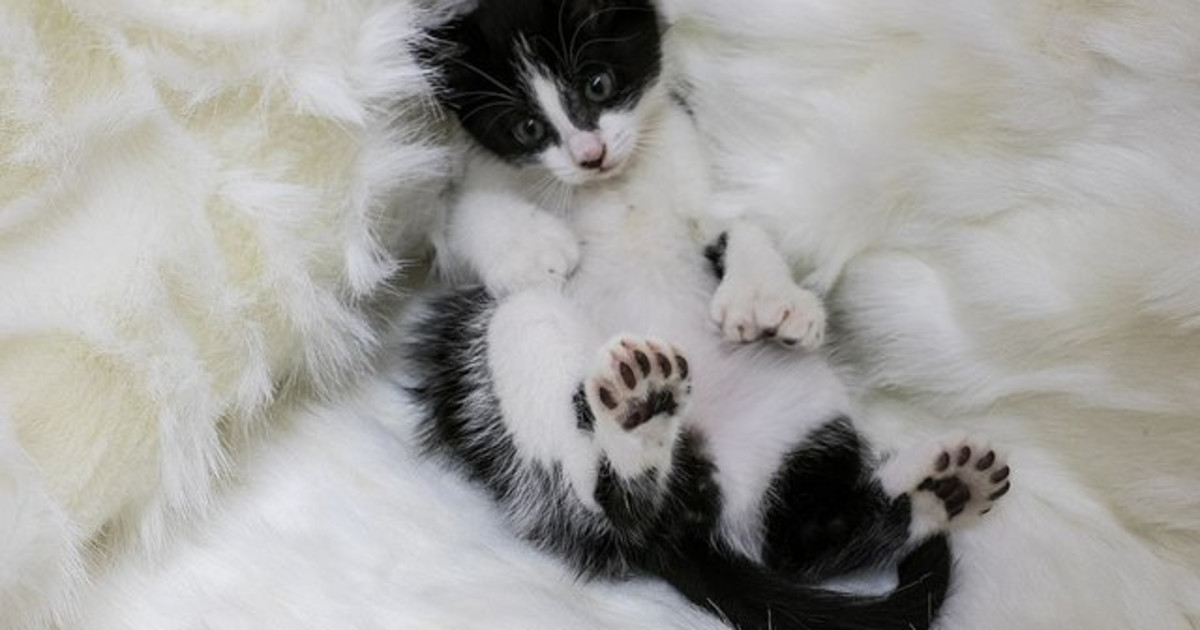
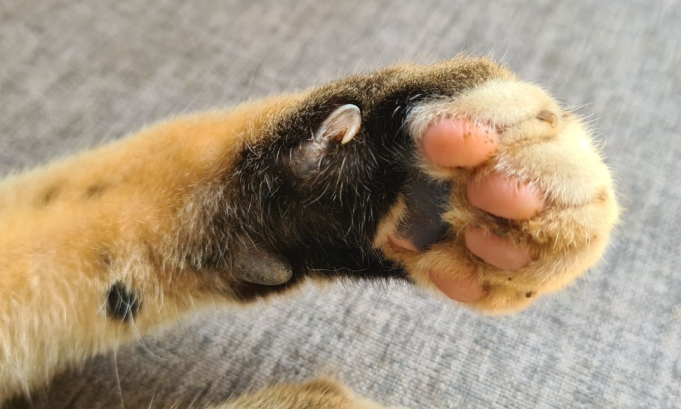
Polydactyly means having more than the usual number of toes. Most cats have five toes on the front paws and four on the back. Polydactyl cats can have six or more toes on one or more paws. This condition is easy to spot and does not usually cause pain.
Extra toes can vary in size and shape. Some cats have fully formed extra toes with claws. Others have small, less developed toes. Polydactyly is mostly a harmless physical difference.
Genetic Causes
Polydactyly is caused by a genetic mutation. This mutation affects the development of the toes before birth. The gene responsible is dominant, so only one parent needs to pass it on. This means polydactyl cats can often pass the trait to their kittens.
The gene changes how the cells grow in the paw area. It results in extra digits forming. This mutation is natural and occurs in many cat breeds. It does not affect the cat’s overall health in most cases.
Credit: wopet.com
Common Health Concerns
Polydactyl cats have extra toes, which can lead to specific health concerns. These issues often relate to their unique paw structure. Understanding common health concerns helps owners care for these cats better.
Physical Challenges
Extra toes can affect a cat’s balance and movement. Some polydactyl cats may find it harder to climb or jump. Their paws might be wider, causing occasional discomfort on hard surfaces. These physical challenges can vary by cat.
Potential Joint Issues
Additional digits may cause joint strain over time. Extra toes change the way weight spreads across the paw. This can lead to arthritis or joint pain in older cats. Regular vet check-ups can catch joint problems early.
Nail Care Complications
More toes mean more nails to trim and care for. Nails on extra digits can grow in unusual directions. This may cause nails to curl into the paw pad. Proper nail care prevents infections and paw injuries.
Behavior And Mobility
Polydactyl cats have extra toes, which can affect their behavior and how they move. These additional digits often give them unique physical traits. Understanding their behavior and mobility helps owners provide better care and a safe environment. Their movement and daily life show fascinating adaptations due to their extra toes.
Impact On Movement
Extra toes can change the way polydactyl cats walk and run. Some move with more balance and grip. The extra digits offer better traction on slippery surfaces. This can help them climb and jump more easily. Occasionally, an extra toe may cause slight awkwardness. But most polydactyl cats move smoothly without problems.
Adaptations In Daily Life
Polydactyl cats use their extra toes to explore and play. They may catch toys with more precision. Their claws spread wider, aiding in climbing and scratching. Owners might notice different paw prints. These cats may prefer certain surfaces to rest or walk on. Daily activities often adapt naturally to their unique paws.
Veterinary Perspectives
Veterinarians often receive questions about the health implications of polydactyl cats. These cats, known for their extra toes, can sometimes raise concerns about mobility and potential complications. Understanding what veterinary experts observe helps you care better for your unique feline friend.
Routine Checkups
Regular veterinary visits are essential for all cats, but especially for polydactyl ones. Extra toes might look cute, but they can cause nail issues if not trimmed properly. Vets recommend checking the extra digits during every exam to catch any infections or abnormalities early.
During a routine checkup, the vet will:
- Examine the structure and function of the extra toes.
- Assess nail growth to prevent ingrown nails.
- Check for any signs of arthritis or joint stress caused by the unusual paw shape.
These steps help prevent minor issues from becoming painful or limiting your cat’s movement.
When To Seek Medical Advice
You should promptly consult a vet if you notice your polydactyl cat limping or favoring one paw. Limping can signal discomfort or injury related to the extra toes. Additionally, swelling, redness, or signs of infection around the toes require immediate attention.
Watch for these warning signs:
- Excessive licking or biting at the paws.
- Visible wounds or bleeding near the extra digits.
- Difficulty walking or climbing.
Ignoring these symptoms can lead to more serious problems. Your vet can advise on treatments, which may include nail trimming techniques, antibiotics, or in rare cases, surgical intervention.
Have you noticed your polydactyl cat acting differently on their paws? Sharing these details with your vet can make all the difference in early diagnosis and care.
Myths Vs Reality
Polydactyl cats have extra toes, which often sparks curiosity and concern. Many people wonder if these additional digits cause health problems. Myths about polydactyl cats’ health spread easily. It is important to separate these myths from reality. Understanding the facts helps owners care for their cats better.
Common Misconceptions
- Extra toes cause pain or discomfort in polydactyl cats.
- Polydactyl cats have more bone or joint issues than normal cats.
- They need special care or surgery to remove extra toes.
- Polydactyl cats are less agile or prone to injuries.
- Extra toes increase the risk of infections or other health problems.
These ideas often come from misunderstandings or old stories. Many believe extra toes are abnormal or harmful. This is not always true.
Scientific Findings
Studies show polydactyl cats usually live healthy lives. Extra toes are simply a genetic variation. They do not cause pain or limit mobility.
Most polydactyl cats have fully functional toes with normal bones and joints. Extra digits do not affect their walking or running. No special medical treatment is needed in most cases.
Some cats may need nail trimming on the extra toes. This prevents nails from growing into the paw pad. No other health risks are commonly linked to polydactyly.
Overall, polydactyl cats are as healthy as other cats. Extra toes add charm but do not create health problems.

Credit: www.adoptapet.com
Caring For Polydactyl Cats
Caring for polydactyl cats means paying attention to their unique paws and ensuring they stay comfortable and healthy. These extra toes can be charming but also require a bit more care than usual. Understanding their grooming and environment needs helps you keep your furry friend happy and safe.
Grooming Tips
Your polydactyl cat’s extra toes need regular attention. Trim their nails carefully to avoid overgrowth or snagging, which can cause pain or infections. Use a good pair of pet nail clippers and check each toe individually—don’t rush this process.
Keep an eye out for any swelling, redness, or debris between the extra toes. These spots can trap dirt and increase the chance of infections. Cleaning gently with a damp cloth can help prevent problems before they start.
Have you noticed your cat licking their paws more than usual? This might signal discomfort or irritation in those extra digits. In such cases, a vet visit is the best step to avoid complications.
Environment Adjustments
Polydactyl cats can navigate surfaces differently because of their unique paws. Hard floors or rough textures might be uncomfortable or cause wear on their nails. Adding soft rugs or padded resting spots gives them a gentle place to walk and relax.
Make sure their litter box is easy to access and spacious enough to accommodate their larger paws. Some cats prefer litter types that don’t stick to their toes, so experiment with options like clumping or crystal litter to find what works best.
Have you thought about how your cat climbs or jumps? Extra toes can give them extra grip but also make them more prone to getting stuck in tight spaces. Check your home for hazards like narrow gaps or sharp edges and modify these areas to keep your cat safe.
Frequently Asked Questions
Do Polydactyl Cats Face Common Health Problems?
Polydactyl cats generally have no major health issues due to extra toes. However, their extra digits may require occasional nail care to prevent injury or infection. Regular vet check-ups ensure their paws stay healthy and functional.
Can Extra Toes Cause Mobility Issues In Polydactyl Cats?
Extra toes rarely cause mobility problems in polydactyl cats. Most cats adapt well, using their extra digits for better balance and climbing. If any discomfort arises, consult a vet for advice and treatment.
Are Polydactyl Cats Prone To Genetic Disorders?
Polydactyly itself is not linked to serious genetic disorders. It is a benign genetic mutation affecting only the paws. Responsible breeding minimizes any associated risks or complications for these cats.
How Should I Care For A Polydactyl Cat’s Extra Toes?
Trim the nails of extra toes regularly to prevent overgrowth and injury. Check the paws frequently for cuts or infections. Good hygiene and routine vet visits help maintain paw health and comfort.
Conclusion
Polydactyl cats usually live healthy, happy lives. Extra toes do not often cause pain or problems. Owners should check their cat’s paws regularly. Sometimes nails need trimming more often. Watch for signs of discomfort or infection. Most vets know how to care for them well.
These cats are unique but not fragile. Enjoy their special paws without worry. Polydactyl cats make great companions for many families.
