

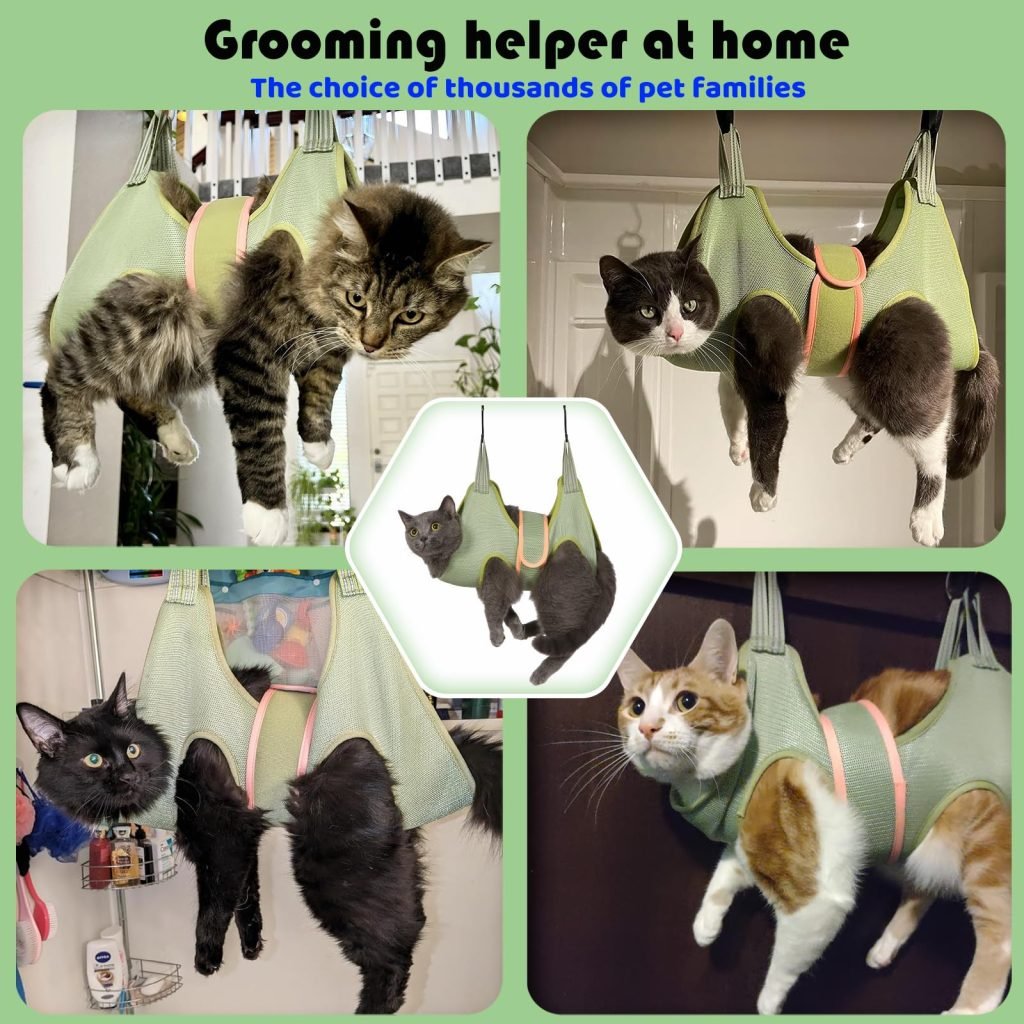
Taking care of your cat’s grooming doesn’t have to be a challenge or an expensive trip to the salon. Imagine saving money, building a stronger bond with your furry friend, and keeping them looking their best—all from the comfort of your home.
In this guide, you’ll discover simple, effective DIY cat grooming tips that anyone can follow. Whether your cat loves the process or needs a little extra patience, you’ll learn how to make grooming stress-free and even enjoyable. Ready to transform your cat’s care routine?
Let’s dive in!
Benefits Of Diy Cat Grooming
Taking care of your cat’s grooming needs at home offers more than just a neat appearance. It creates a space where you can save money, strengthen your relationship, and keep your cat healthier. Have you ever wondered how much you could gain by simply picking up a brush and spending a little time with your feline friend?
Cost Savings
Professional grooming sessions can add up quickly, especially if your cat needs regular maintenance. Doing it yourself eliminates these recurring costs. You only need to invest in basic tools like a brush, nail clippers, and shampoo, which last for a long time.
Think about the money saved on transportation and tipping too. Over time, these savings can be significant enough to fund other things your cat might enjoy, such as new toys or a cozy bed.
Bonding With Your Cat
Grooming is more than just cleaning; it’s a chance to connect. When you gently brush your cat’s fur, you’re building trust and comfort. This quiet time together helps your cat feel safe and loved.
Have you noticed how your cat purrs or relaxes during grooming? Those moments strengthen your bond and deepen your understanding of your cat’s preferences and moods.
Maintaining Cat’s Health
Regular grooming lets you spot health issues early. While brushing, you might find lumps, skin irritations, or parasites before they become serious. Catching these signs early means quicker treatment and less stress for your cat.
Grooming also reduces hairballs by removing loose fur, which helps your cat feel more comfortable. It keeps their coat shiny and skin healthy, preventing problems like matting or infections.

Credit: www.reddit.com
Essential Grooming Tools
Having the right tools makes cat grooming easier and safer. Good tools help keep your cat clean, healthy, and happy. They also reduce stress during grooming sessions. Knowing which tools to use is key to success.
Brushes And Combs
Brushes and combs remove loose fur and prevent mats. A slicker brush works well for long-haired cats. It gently detangles knots without hurting the skin. For short-haired cats, a bristle brush is enough. Combs help check for fleas and debris in the fur. Use a fine-toothed comb to catch small particles. Regular brushing reduces shedding and keeps fur shiny.
Nail Clippers
Clipping nails keeps your cat comfortable and safe. Use clippers made for pets, not human nails. Scissor-style or guillotine clippers work best. Trim only the sharp tips to avoid pain and bleeding. Cut slowly and check the nail’s pink area, called the quick. If unsure, ask your vet for a demo. Regular trimming stops nails from breaking or scratching.
Shampoos And Conditioners
Choose shampoos made just for cats. Human shampoos can irritate their skin. Cat shampoos clean without drying the fur. Conditioners help keep the coat soft and tangle-free. Use a small amount and rinse well. Bathing is not needed often but helps with dirt and odors. Always dry your cat gently after a bath.
Preparing Your Cat For Grooming
Preparing your cat for grooming is a crucial step that can make the entire process smoother and less stressful for both of you. Cats are sensitive creatures, and how you set the scene before grooming can greatly influence their behavior. Taking the time to prepare helps build trust and makes grooming a more positive experience.
Creating A Calm Environment
Choose a quiet, familiar space where your cat feels safe. Avoid loud noises or sudden movements that might startle them. Soft lighting and a comfortable surface, like a cozy blanket, can help your cat relax.
Consider playing gentle background music or white noise to mask disruptive sounds. This subtle touch can make a surprising difference in your cat’s comfort level during grooming.
Getting Your Cat Comfortable
Start by gently petting your cat to get them used to your touch. Focus on areas they enjoy being stroked, like behind the ears or under the chin. This builds positive associations with your hands being near their body.
Try using treats or a favorite toy to reward calm behavior. This technique worked wonders with my shy cat, who now approaches grooming time with less hesitation.
Handling Anxious Behavior
If your cat shows signs of anxiety, such as growling, hissing, or trying to escape, pause and give them space. Don’t force the grooming session; instead, try again later when they are calmer. Patience is key to preventing fear from taking hold.
Using a calm, soothing voice can reassure your cat during moments of stress. You might also try wrapping your cat gently in a towel to help them feel secure without restricting movement too much.

Credit: m.youtube.com
Step-by-step Grooming Guide
Grooming your cat at home can strengthen your bond and keep your feline friend healthy. It doesn’t have to be a chore if you know the right techniques and stay calm throughout the process. Here’s a practical guide to help you handle each grooming task confidently and safely.
Brushing Techniques
Start by choosing a brush suited to your cat’s fur type. Short-haired cats do well with rubber brushes, while long-haired cats need a slicker or comb to prevent mats. Brush gently in the direction of hair growth to avoid hurting your cat.
Watch your cat’s reactions closely. If they seem uncomfortable, slow down or switch to a softer brush. Regular brushing reduces shedding and hairballs, and it’s a great way to spot skin issues early.
Bathing Tips
Most cats groom themselves, but occasional baths help when they get dirty or have skin problems. Use lukewarm water and a cat-specific shampoo to protect their sensitive skin. Avoid getting water in their ears and eyes.
Keep the bath short and talk to your cat soothingly to ease stress. Rinse thoroughly to remove all shampoo and dry your cat quickly with a towel or a low-heat dryer if they tolerate it.
Nail Trimming Safely
Trim your cat’s nails regularly to prevent scratching injuries and furniture damage. Use a sharp, pet-friendly nail trimmer and work in a well-lit area. Identify the quick—the pink part inside the nail—and avoid cutting it to prevent pain and bleeding.
If your cat resists, try trimming a few nails at a time or distract them with treats. Having styptic powder on hand can help stop bleeding if you accidentally trim too close.
Cleaning Ears And Eyes
Check your cat’s ears weekly for dirt, wax, or signs of infection. Use a soft, damp cloth or a vet-approved ear cleaner. Never insert anything deep into the ear canal to avoid injury.
For the eyes, gently wipe away discharge with a clean, damp cloth. If you notice redness, swelling, or persistent tearing, consult your vet promptly. Keeping these areas clean helps prevent infections and discomfort.
Styling Ideas For Your Cat
Styling your cat can be a fun way to express their personality and keep them comfortable. You don’t need to be a professional groomer to try out new looks at home. With a little patience and creativity, you can transform your cat’s appearance while strengthening your bond.
Simple Haircuts
Simple haircuts are perfect if you want to keep grooming easy and stress-free for your cat. Focus on trimming the areas that tend to mat or get dirty, like around the neck, belly, and paws.
Try a basic “teddy bear” cut that keeps your cat’s fur short and neat but still fluffy. It’s a great way to manage shedding without removing all the charm.
Have you noticed how much easier it is to brush your cat after a simple trim? That’s a sign you’re on the right track.
Creative Trims
If your cat tolerates grooming well, you can experiment with creative trims to make them stand out. Shaping the fur into fun patterns, like hearts or stars, adds a playful touch.
Use small scissors and a comb to carefully trim the fur in specific areas, creating contrast between longer and shorter patches. This technique requires patience, but the results can be adorable and unique.
Imagine your cat showing off a subtle paw print on their side — wouldn’t that spark compliments from friends and family?
Adding Accessories
Accessories can instantly boost your cat’s style without any trimming needed. Choose lightweight collars, bandanas, or bow ties that suit your cat’s personality.
Be sure to pick soft materials and check that the accessory fits comfortably and safely. Your cat’s comfort should always come first.
Have you tried seasonal accessories? A festive collar for holidays or a bright bow in summer can make grooming sessions more enjoyable for both of you.

Credit: shop.addictionpet.com
Common Grooming Mistakes To Avoid
DIY cat grooming can save money and build a bond with your pet. Avoiding common grooming mistakes is key for your cat’s comfort and health. Small errors can cause stress or injury. Careful attention makes grooming a positive experience for both you and your cat.
Over-bathing
Cats naturally clean themselves. Bathing too often removes natural oils from their fur. This can cause dry, itchy skin. Bathing once every few months is usually enough. Use warm water and mild shampoo made for cats. Rinse well to remove all soap.
Improper Nail Cutting
Cutting a cat’s nails too short can hurt them. Avoid cutting into the quick, the pink area inside the nail. It contains nerves and blood vessels. Use sharp nail clippers made for cats. Trim only the sharp tips. If unsure, ask a vet or groomer for help.
Using Harsh Products
Human shampoos and soaps can irritate a cat’s skin. Cats have sensitive skin and different pH balance. Always use products labeled safe for cats. Avoid strong chemicals, fragrances, or dyes. Test new products on a small area first to watch for reactions.
When To Seek Professional Help
Knowing when to seek professional help is crucial for your cat’s health and comfort. Some grooming tasks require expert skills. Recognizing the signs that need a vet or groomer saves your cat from pain and stress.
Professional groomers and vets have the right tools and knowledge. They handle tricky situations with care and keep your cat safe. This ensures your cat looks and feels its best.
Recognizing Skin Issues
Look for redness, swelling, or sores on your cat’s skin. Persistent scratching or hair loss may signal infection or allergies. These problems need a vet’s diagnosis and treatment. Avoid using home remedies without advice. Early attention prevents worsening conditions.
Handling Difficult Cats
Some cats resist grooming strongly. Aggressive scratching or biting can happen. Professionals know gentle methods to calm nervous or scared cats. They use safe restraint techniques to avoid injury. This protects both the cat and the groomer.
Complex Styling Needs
Special cuts or breed-specific styles require expertise. Detailed trimming around sensitive areas needs precision. Professionals have experience with various cat breeds. They achieve neat and safe results. Attempting complex styles at home can cause accidents or discomfort.
Frequently Asked Questions
How Often Should I Groom My Cat At Home?
Groom your cat weekly to prevent mats and reduce shedding. Long-haired cats may need daily grooming. Regular grooming keeps their coat healthy and clean.
What Tools Do I Need For Diy Cat Grooming?
Essential tools include a slicker brush, comb, nail clippers, and grooming wipes. Choose tools suitable for your cat’s fur type and sensitivity.
Can Diy Grooming Help Reduce Cat Hairballs?
Yes, regular brushing removes loose fur, reducing hair ingestion. This helps minimize hairballs and digestive discomfort in your cat. Consistency is key for best results.
How Do I Safely Trim My Cat’s Nails?
Use sharp cat nail clippers and trim just the tips. Avoid cutting the quick to prevent pain and bleeding. Take breaks if your cat gets stressed.
Conclusion
DIY cat grooming helps keep your pet clean and happy. Regular brushing reduces hairballs and matting. Use gentle tools made for cats to avoid hurting them. Stay calm and patient during each session. Small steps build trust and comfort over time.
Grooming at home saves money and strengthens your bond. Try to make grooming a fun, relaxed routine. Your cat will feel healthier and more loved. Simple care makes a big difference every day.
