

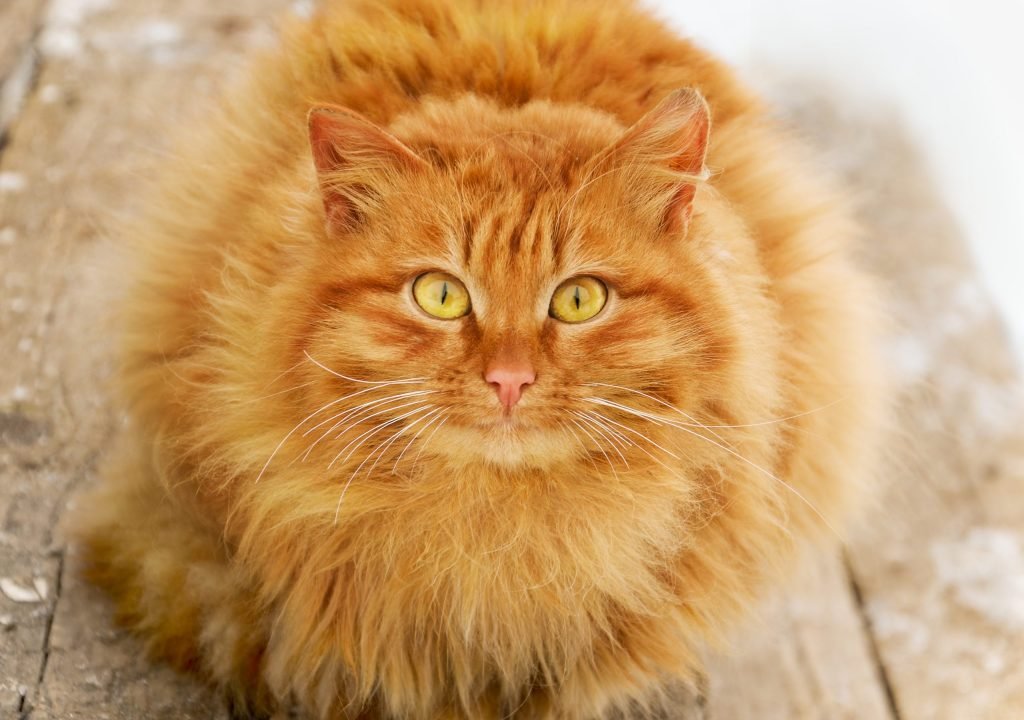
Is your cat spending too much time licking and biting its fur? Over grooming can lead to sore spots, hair loss, and discomfort for your furry friend.
You might wonder why this happens and, more importantly, how you can stop it. You’ll discover simple, effective ways to help your cat feel better and reduce over grooming. Keep reading—you owe it to your cat to find out what’s really behind this behavior and how you can make a difference.
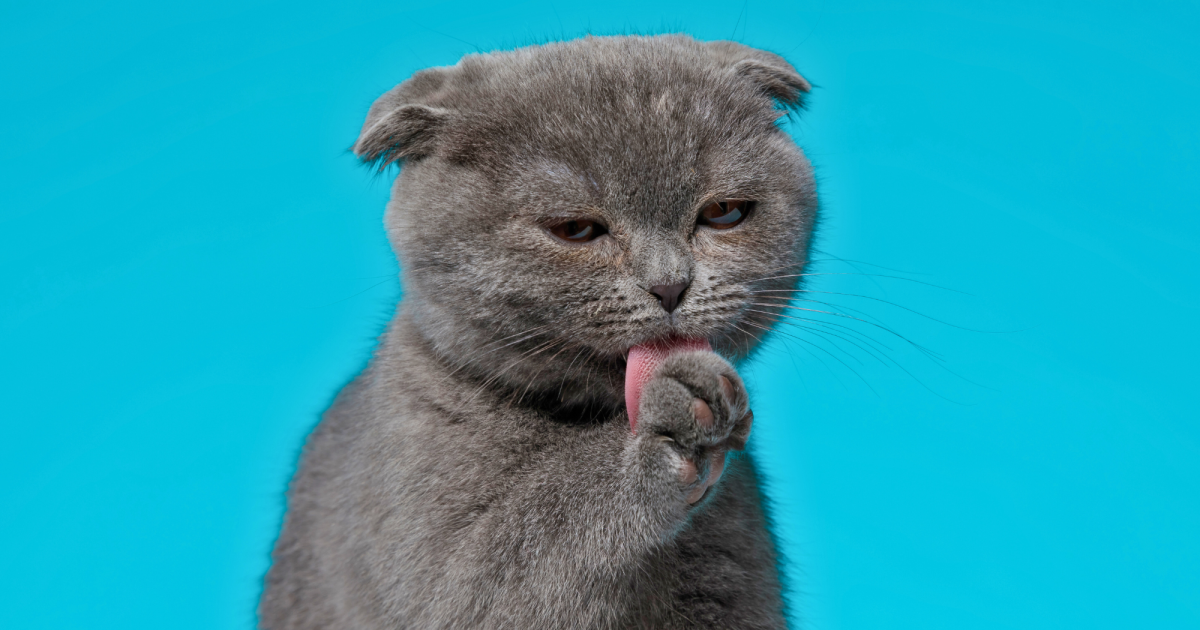
Credit: pethelpful.com
Causes Of Over Grooming
Over grooming in cats can be frustrating to witness, especially when you’re unsure why your feline friend is obsessively licking or biting their fur. Understanding the causes of over grooming is key to helping your cat find relief and preventing further damage. Let’s look at some common reasons behind this behavior so you can better identify what might be affecting your pet.
Stress And Anxiety
Cats often groom themselves to cope with stress or anxiety. Changes in their environment, like moving to a new home or the arrival of a new pet, can trigger this behavior. If your cat suddenly starts over grooming, ask yourself if anything in their daily routine has changed recently.
Skin Allergies
Allergies can cause itching and irritation, leading your cat to lick or scratch excessively. These allergies might come from food, pollen, or even cleaning products. Notice if your cat’s skin looks red or inflamed—this could be a sign they’re reacting to something in their environment.
Parasites And Infections
Fleas, mites, and other parasites are common culprits behind over grooming. Even a single flea bite can cause intense itching that drives your cat to obsessively groom. Checking your cat for tiny bugs or bumps on their skin can help you spot this issue early.
Pain And Discomfort
Sometimes, over grooming is a way for cats to soothe pain in a specific area. Arthritis or injuries might not be obvious at first but can cause your cat to lick one spot repeatedly. Have you noticed your cat favoring one paw or avoiding jumping? These could be clues to hidden pain.
Behavioral Issues
Some cats develop compulsive grooming habits without an obvious medical cause. This can happen if they’re bored or lack mental stimulation. Providing interactive toys or spending extra playtime might reduce their need to self-soothe through grooming.
Signs To Watch For
Recognizing the signs of over grooming in your cat early can make a big difference in preventing serious skin problems and discomfort. You might notice subtle changes that point to stress or health issues before the behavior escalates. Paying close attention to your cat’s coat and habits helps you act quickly and effectively.
Bald Patches
One of the clearest signs of over grooming is bald spots. These patches usually appear where your cat can reach easily, like the belly, legs, or sides. If you spot areas with less fur or completely bare skin, it’s a signal that your cat is licking or biting too much.
Have you ever found a small bald spot and thought it was nothing? Sometimes, that tiny area is the first hint of a bigger problem. Checking your cat’s coat regularly helps catch these spots early.
Redness And Irritation
Look closely at your cat’s skin under the fur. Redness, inflammation, or tiny sores can show irritation caused by constant licking. These signs indicate that your cat’s skin is sensitive and could be painful.
Think about how your cat reacts when you touch these spots. If they pull away or seem uncomfortable, it’s a good idea to consult your vet. Skin irritation is a clear warning that over grooming is harming your cat.
Excessive Licking
Notice if your cat spends a lot of time licking certain areas. Grooming is normal, but when it becomes intense or focused on one spot, it’s a problem. You might even hear the licking sounds more frequently or see your cat seem restless.
Ask yourself if your cat grooms more than usual after stressful events like moving or loud noises. Tracking these moments can help you understand triggers behind excessive licking.
Changes In Behavior
Over grooming often comes with behavior changes. Your cat might hide more, become irritable, or lose interest in playing. These shifts can mean your cat is stressed or uncomfortable.
Have you noticed your cat acting differently without a clear reason? These subtle behavior changes often point to deeper issues like anxiety or pain causing the grooming problem.
Veterinary Diagnosis
Veterinary diagnosis plays a crucial role in stopping your cat from over grooming. Identifying the root cause helps you address the problem effectively, rather than just treating symptoms. Your vet uses several techniques to get a clear picture of what’s causing the excessive grooming.
Physical Examination
During a physical examination, the vet carefully inspects your cat’s skin, fur, and overall body condition. They look for signs of irritation, hair loss, wounds, or parasites. This hands-on check helps pinpoint obvious problems that might be triggering your cat’s behavior.
Allergy Testing
Allergies are a common cause of over grooming in cats. The vet might perform allergy tests to see if your cat reacts to specific foods, pollen, or flea bites. Identifying allergies allows you to adjust your cat’s environment or diet to reduce discomfort.
Skin Scrapings
To rule out infections or parasites, the vet may take a small skin scraping. This sample is examined under a microscope to detect mites, fungal infections, or bacterial issues. Finding and treating these infections can quickly reduce your cat’s urge to over groom.
Blood Tests
Blood tests can reveal underlying health problems like hormonal imbalances or immune system issues that lead to over grooming. These tests provide a broader view of your cat’s health beyond just the skin. Understanding these internal factors helps in creating a targeted treatment plan.
:strip_icc()/the-kitty-1011094438-5c3d1af5c9e77c00015e66a6.jpg)
Credit: www.thesprucepets.com
Environmental Adjustments
Environmental changes play a key role in stopping a cat from over grooming. Cats often groom too much because of stress or boredom. Adjusting their surroundings can help them feel calm and happy. Small changes can make a big difference in their behavior and health.
Reducing Stress Triggers
Stress causes many cats to groom excessively. Identify common stress sources like loud noises or other pets. Create a quiet and safe space for your cat to relax. Use soft bedding and keep the area free from disturbances. Avoid sudden changes in the home that can upset your cat. Calm environments help reduce anxiety and over grooming.
Providing Enrichment
Boredom often leads to over grooming. Offer toys that stimulate your cat’s mind and body. Puzzle feeders and interactive toys keep cats busy and happy. Rotate toys regularly to maintain interest. Set up climbing shelves or scratching posts to encourage activity. A busy cat grooms less and feels more satisfied.
Maintaining Cleanliness
Clean surroundings support your cat’s well-being. Regularly wash bedding and toys to remove dirt and allergens. Keep litter boxes clean and odor-free. A fresh environment reduces skin irritation and discomfort. Clean spaces help prevent grooming caused by itching or allergies.
Diet And Nutrition
Your cat’s diet plays a crucial role in managing over grooming. What you feed your feline friend can directly impact their skin health and comfort. Adjusting their nutrition may help reduce the urge to over groom and soothe irritated skin.
Hypoallergenic Diets
Food allergies often trigger excessive grooming. Switching to a hypoallergenic diet can help identify if your cat’s food causes skin problems.
These diets usually contain limited ingredients and novel protein sources like duck or venison. By eliminating common allergens such as chicken or beef, you give your cat’s skin a chance to heal.
Have you noticed your cat licking or biting more after certain meals? Trying a hypoallergenic diet might reveal hidden sensitivities you didn’t suspect.
Supplements For Skin Health
Adding supplements can strengthen your cat’s skin barrier and reduce irritation. Omega-3 fatty acids from fish oil are known to improve coat shine and decrease inflammation.
Vitamin E and zinc supplements also support skin repair and immune function. Always check with your vet before adding any supplements to your cat’s diet to ensure safety and proper dosage.
Could a simple supplement be the missing piece in calming your cat’s over grooming? Many pet owners find noticeable improvements after a few weeks of consistent supplementation.

Credit: brooklynpetspa.com
Medical Treatments
Medical treatments play a crucial role in stopping a cat from over grooming, especially when the behavior stems from underlying health issues. Addressing these causes helps your cat feel more comfortable and can quickly reduce excessive licking or scratching. Let’s look at some common medical approaches that veterinarians use to tackle this problem.
Medications For Allergies
Allergies often cause intense itching, pushing cats to groom themselves excessively. Your vet may prescribe antihistamines or corticosteroids to ease the allergic reaction and inflammation. These medications provide relief, helping your cat stop the constant licking that damages their skin.
Have you noticed if your cat’s over grooming worsens during certain seasons or after eating specific foods? Identifying allergy triggers can guide your vet in choosing the right medication and managing your cat’s environment better.
Parasite Control
Parasites like fleas or mites irritate your cat’s skin, leading to relentless grooming. Even if you don’t see fleas, your cat might still be reacting to their bites. Your vet can recommend effective parasite control treatments such as topical drops, oral medications, or shampoos.
Regular parasite prevention is essential—not just when you notice symptoms. Keeping your cat parasite-free can prevent over grooming before it starts.
Topical Therapies
Sometimes, direct treatment on your cat’s skin can reduce irritation and break the grooming cycle. Topical therapies include medicated creams, sprays, or shampoos that soothe inflammation and promote healing. These treatments often work best combined with other medications.
Have you tried any creams or sprays on your cat’s skin? If so, did you notice improvement? Sharing this with your vet can help tailor the best treatment plan for your cat’s needs.
Behavioral Strategies
Behavioral strategies help manage a cat’s over grooming by changing its habits. Cats often groom excessively due to stress, boredom, or anxiety. These strategies focus on redirecting the cat’s energy and providing mental stimulation. Consistent effort and patience are key to reducing over grooming through behavior changes.
Redirecting Attention
Distract your cat from grooming by offering other activities. Use toys or safe objects to shift its focus. Redirecting attention reduces stress and breaks the grooming cycle. Regularly provide new toys or treats to keep interest high.
Positive Reinforcement
Reward your cat when it stops grooming or plays calmly. Use treats, petting, or kind words to encourage good behavior. Positive reinforcement builds trust and strengthens desired habits. Avoid punishment, as it may increase anxiety and grooming.
Interactive Playtime
Engage your cat in daily interactive play to reduce boredom. Use feather wands, laser pointers, or balls to stimulate hunting instincts. Playtime helps release energy and lowers stress levels. A tired cat grooms less and feels happier overall.
Protective Measures
Protective measures help stop cats from over grooming by limiting their access to irritated areas. These tools prevent further damage and give the skin time to heal. They also reduce stress on your pet by blocking the urge to lick or chew.
Using E-collars
E-collars, or Elizabethan collars, create a barrier around a cat’s neck. This stops the cat from reaching wounds or sore spots. They come in plastic, fabric, and inflatable forms. Choose one that fits comfortably and does not cause distress.
E-collars are effective because:
- They prevent licking and biting of problem areas.
- They allow wounds to heal faster without interference.
- They are easy to clean and maintain.
Clothing And Bandages
Special clothing or bandages cover sensitive skin or wounds. Soft shirts or recovery suits protect the body and reduce irritation. Bandages can shield smaller areas like paws or tails.
Benefits include:
- Physical barrier against licking or scratching.
- Comfortable and less stressful than collars for some cats.
- Easy to put on and remove for cleaning.
When To Seek Professional Help
Knowing when to seek professional help for your cat’s over grooming is crucial. Sometimes, despite your best efforts, the problem won’t resolve on its own. Recognizing the signs that require expert intervention can save your cat from discomfort and prevent more serious health issues.
Persistent Symptoms
If your cat continues to groom excessively for weeks or months, it’s time to get help. Persistent hair loss, redness, or raw skin that doesn’t improve with basic care signals an underlying problem. You might think the behavior will stop, but chronic over grooming often needs professional diagnosis and treatment.
Worsening Condition
Watch for signs that your cat’s skin is deteriorating. If wounds become infected or your cat starts scratching even more, do not delay contacting a vet. A worsening condition means your cat might be dealing with allergies, parasites, or stress that only a professional can accurately address.
Impact On Quality Of Life
Ask yourself: Is your cat’s behavior affecting its happiness or daily routine? If your cat seems anxious, hides frequently, or refuses to eat because of over grooming discomfort, professional help is essential. Your cat’s wellbeing depends on timely treatment to restore comfort and peace of mind.
Frequently Asked Questions
Why Is My Cat Over-grooming?
Cats over-groom due to stress, allergies, or medical issues. It can be a response to environmental changes or discomfort. Identifying the cause is crucial for providing appropriate care. Consulting a vet can help determine if the behavior is stress-related or a sign of a health problem.
How Can I Stop My Cat From Over-grooming?
To stop over-grooming, identify and address the underlying cause. Ensure your cat has a stress-free environment. Provide mental stimulation and regular playtime. If the behavior persists, consult a veterinarian. They can recommend treatments or medications to address the issue effectively.
Is Over-grooming Harmful To Cats?
Yes, over-grooming can be harmful. It may lead to skin irritation, infections, or hair loss. Chronic over-grooming can cause bald patches or sores. Addressing the root cause and seeking veterinary advice is essential to prevent further health complications.
What Triggers Over-grooming In Cats?
Triggers include stress, allergies, or skin conditions. Changes in the environment or routine can also contribute. Identifying and minimizing these triggers can reduce over-grooming. Consulting a vet can help pinpoint specific causes and provide solutions tailored to your cat’s needs.
Conclusion
Stopping a cat from over grooming takes patience and care. Watch your cat’s behavior closely every day. Offer plenty of toys and attention to reduce stress. Keep your cat’s skin healthy with good food and vet visits. Sometimes, a little change in routine helps a lot.
Over grooming is a sign your cat needs help. Act early to keep your cat happy and comfortable. Small steps can make a big difference. Your cat will thank you with a calm, healthy coat.
