

Are you curious about cats that come from Germany? German cat breeds have unique traits and charming personalities that might surprise you.
Whether you’re looking for a new furry friend or just want to learn something new, discovering these special cats can be exciting. You’ll find out what makes German cat breeds stand out and why they could be the perfect addition to your home.
Keep reading to explore these fascinating cats and find out which one matches your lifestyle best!
Popular German Cat Breeds
German cat breeds offer unique charm and distinct features. They have strong personalities and beautiful coats. Each breed reflects a piece of Germany’s rich feline heritage.
These cats are loved for their friendly nature and adaptability. Many people enjoy them as loyal pets and family companions.
German Rex
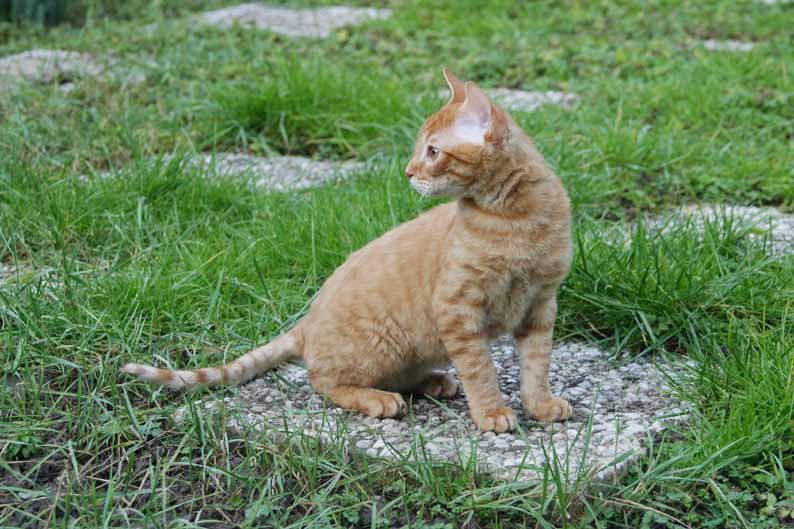
The German Rex has soft, curly fur that feels like velvet. This breed is playful and loves human company. It has large ears and expressive eyes. The German Rex adapts well to indoor living and enjoys interactive play.
Bavarian Mountain Cat
The Bavarian Mountain Cat is robust and fluffy. It has thick fur that protects it in cold weather. This breed is calm but curious. It enjoys exploring and is very independent. Its striking appearance includes a bushy tail and tufted ears.
German Longhair
The German Longhair features a flowing, silky coat. This cat is gentle and affectionate. It needs regular grooming to keep its fur smooth. The breed is known for its quiet nature. It makes a great indoor companion and enjoys peaceful environments.
Credit: www.hillspet.com
Distinctive Traits Of German Cats
German cat breeds carry unique traits that set them apart in the feline world. These traits go beyond their looks, deeply influencing how they behave and adapt to your home. Understanding these distinctive characteristics can help you decide if a German cat fits your lifestyle and personality.
Physical Features
German cats often have a sturdy and muscular build that reflects their active nature. Their fur ranges from short to medium length, with colors often including classic tabby patterns or solid shades like black or blue.
One striking feature is their expressive eyes, which often appear alert and intelligent. Have you noticed how their strong, agile bodies make them excellent jumpers and climbers? This physicality is a key part of their charm.
Temperament And Behavior
German cats tend to be lively and curious, always exploring their environment with enthusiasm. They are known for their social nature, often bonding closely with family members and showing affection in unique ways.
Despite their playful side, these cats can also enjoy quiet moments, appreciating calm and cozy spots in your home. Do you want a cat that can both entertain you and be a comforting companion on a lazy afternoon?
Adaptability
One of the most impressive traits of German cats is their ability to adjust to different living situations. Whether you live in a busy city apartment or a quiet countryside house, they can thrive with the right care.
They handle changes well, such as new family members or pets, but still appreciate routines that make them feel secure. Could your home provide the balance of stimulation and stability that these cats appreciate?
Care Tips For German Cat Breeds
Caring for German cat breeds requires attention to their unique needs. These cats often have thick fur and active personalities. Proper care keeps them healthy and happy. Understanding grooming, diet, and health issues helps provide the best environment. Here are essential care tips for German cat breeds.
Grooming Needs
German cats usually have dense, medium to long fur. Regular brushing prevents mats and tangles. Brush at least twice a week. During shedding seasons, daily brushing helps remove loose hair. Check ears and eyes for dirt or infection. Trim their nails every two to three weeks. Bathing is rarely needed unless they get very dirty.
Diet And Nutrition
Provide a balanced diet with high-quality cat food. Protein is essential for their energy and muscle health. Include wet and dry food to keep hydration and dental health balanced. Fresh water must be available at all times. Avoid feeding them human food or too many treats. Monitor their weight to prevent obesity, which can cause health problems.
Health Concerns
German cat breeds can be prone to certain health issues. Regular vet check-ups catch problems early. Watch for signs of dental disease, which is common in cats. Some breeds may develop heart or kidney problems. Vaccinations and parasite control keep them safe. Maintain a clean litter box to avoid infections. Early care improves their quality of life.

Credit: www.petguide.com
Living With German Cats
Living with German cats can be a rewarding experience filled with charm and personality. These breeds often bring a unique blend of intelligence and affection to your home. Understanding their specific needs helps you create a comfortable space where both you and your cat thrive.
Ideal Home Environment
German cats appreciate a calm and secure setting. They enjoy cozy spots by windows where they can watch the outside world. Adding soft bedding and quiet corners encourages them to relax and feel safe.
Consider vertical spaces like cat trees or shelves. These allow your cat to climb and explore without feeling confined. German cats are curious but also value their privacy, so balance open play areas with secluded retreats.
Interaction With Families
German cats often develop strong bonds with family members. They tend to be gentle and patient, making them great companions for children. However, you should teach kids to respect the cat’s space to prevent stress.
Do you notice your cat following you from room to room? This behavior shows their desire for connection. Engaging in regular playtime and gentle petting sessions strengthens your relationship.
Training And Socialization
Training a German cat is easier than you might think. They respond well to positive reinforcement like treats and praise. Start with simple commands, such as coming when called or using a scratching post.
Socialize your cat early by introducing them to new people and environments gradually. This reduces anxiety and builds confidence. Remember, patience is key—each cat adjusts at their own pace.
Where To Find German Cat Breeders
Finding German cat breeders can be rewarding for those who want a unique feline companion. These breeders specialize in distinct German cat breeds known for their charm and personality. Connecting with the right source ensures healthy and well-cared-for cats. Explore trusted places to find reputable breeders and adoption options.
Reputable Breeders
Reputable breeders follow ethical practices and prioritize cat welfare. They provide detailed health records and breed information. Visiting a breeder’s facility helps verify living conditions. Ask about lineage and temperament to understand the cat’s background. Choose breeders registered with recognized cat associations in Germany.
Adoption Centers
Adoption centers may have German cat breeds or mixes available. These centers rescue and care for cats needing homes. Adopting supports animal welfare and gives cats a second chance. Staff can guide you to suitable cats and share breed details. Adoption fees usually cover vaccinations and spaying or neutering.
International Availability
German cat breeds can be found beyond Germany’s borders. Some breeders export cats to other countries with proper health documents. International pet transport requires careful planning and permits. Check import rules of your country before buying a cat from abroad. Many breeders offer virtual visits and detailed photos for remote buyers.

Credit: www.hillspet.com
Frequently Asked Questions
What Are The Most Popular German Cat Breeds?
Popular German cat breeds include the German Rex and the European Shorthair. These breeds are known for their affectionate nature and adaptability. They have unique fur textures and charming personalities. Both breeds make excellent pets for families and individuals seeking friendly companions.
How Do German Cat Breeds Differ From Others?
German cat breeds often have distinct fur types, like the curly coat of the German Rex. They tend to be sociable and intelligent. These cats usually adapt well to indoor living. Their temperament and appearance set them apart from other European breeds.
Are German Cat Breeds Good For Families?
Yes, German cat breeds are generally friendly and gentle. They enjoy interacting with children and other pets. Their calm and playful nature makes them ideal family companions. These breeds require moderate care and thrive in loving homes.
What Is The History Of German Cat Breeds?
German cat breeds have roots in local European cats with unique traits. The German Rex, for example, originated in Germany in the 20th century. These breeds were developed for their distinctive coats and friendly temperaments. They carry a rich cultural heritage.
Conclusion
German cat breeds offer unique charm and gentle nature. They fit well in many homes and lifestyles. These cats bring joy with their playful and calm behavior. Choosing one means adding a loving friend to your family. Each breed has special traits worth knowing.
Explore their stories and find the perfect match. Enjoy the company of a German cat every day. They make great pets for many people. Simple care and love keep them happy and healthy. Consider a German cat for your next furry companion.
