

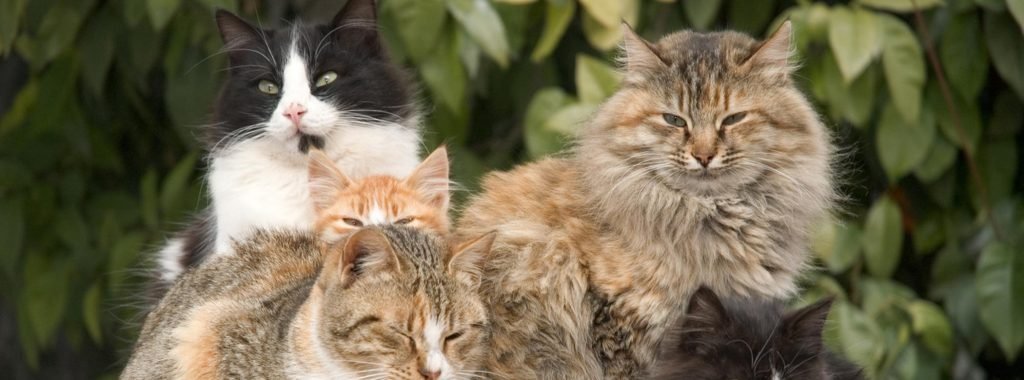
Have you ever wondered which cats are the biggest in the world? If you think all cats are small and fluffy, think again.
Some cat breeds grow so large, they almost seem like gentle giants. Knowing about the largest cat breeds can surprise you and even change how you see these amazing animals. You’ll discover which cats stand out because of their size, personality, and charm.
Ready to meet the biggest feline friends you can have? Keep reading—you won’t want to miss this!
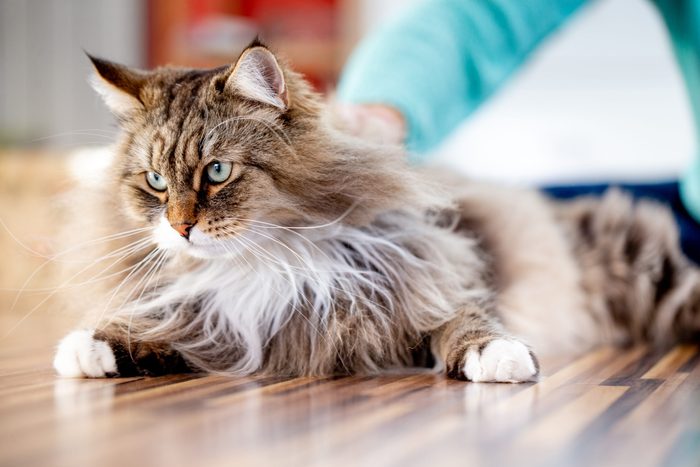
Credit: www.rd.com
Biggest Cat Breeds
Big cats have a special charm that attracts cat lovers everywhere. These breeds stand out for their size and strength. They combine beauty with a gentle nature. Knowing about the biggest cat breeds helps appreciate their uniqueness.
Siberian Cat
The Siberian cat is a large and muscular breed. It has a thick, water-resistant coat. This coat helps it survive cold climates. They weigh between 15 and 20 pounds. Their playful and affectionate personality makes them great pets.
Maine Coons are one of the largest domestic cats. They have long, shaggy fur and bushy tails. These cats weigh from 13 to 18 pounds. They are known for their friendly and gentle nature. Maine Coons adapt well to families and other pets.
The Savannah cat is a hybrid between a domestic cat and a wild serval. It is tall and lean with spotted coats. Savannahs weigh between 12 and 25 pounds. Their high energy and curiosity require lots of playtime.
Norwegian Forest Cats have thick double coats. They are built for cold weather and outdoor life. These cats weigh 12 to 16 pounds. Their calm and friendly attitude suits many homes.
Ragdoll Cat
Ragdolls are large and muscular with silky fur. They often weigh 15 to 20 pounds. Known for their relaxed and gentle behavior, they enjoy cuddling. Ragdolls are perfect for quiet and loving homes.
Maine Coon
The Maine Coon stands out as one of the largest domestic cat breeds. Known for its impressive size and friendly nature, this breed captures the hearts of many cat lovers. Originating from the United States, the Maine Coon is often called the “gentle giant” of the cat world.
Physical Traits
- Large, muscular body with a rectangular shape
- Thick, water-resistant fur that is long and shaggy
- Tufted ears and bushy tail like a raccoon’s
- Wide, expressive eyes that come in many colors
- Weight ranges from 10 to 25 pounds
- Height can reach up to 16 inches at the shoulder
Personality
- Gentle and affectionate with family members
- Playful and enjoys interactive toys
- Social and gets along well with children and pets
- Intelligent and curious, loves exploring
- Vocal but soft-spoken, often chirps or trills
Care Tips
- Brush fur 2-3 times weekly to prevent mats
- Provide a balanced diet for weight management
- Offer plenty of toys and climbing space
- Regular vet check-ups to monitor health
- Keep water fresh and easily accessible
- Groom nails and clean ears weekly
Savannah Cat
The Savannah Cat is a striking breed known for its wild look and large size. It is a mix between a domestic cat and a wild African serval. This breed stands out with its tall frame and spotted coat. It captures attention with an exotic, elegant appearance.
Origins
The Savannah Cat originated in the United States in the 1980s. Breeders crossed domestic cats with servals to create a unique hybrid. The goal was to combine the serval’s wild beauty with the domestic cat’s temperament. This mix produced a cat that looks wild but behaves like a pet.
Size And Appearance
Savannah Cats are among the largest domestic cat breeds. Males can weigh between 15 to 25 pounds or more. Females are usually smaller but still larger than most cats.
- Tall and lean body
- Long legs and neck
- Spotted coat with black or dark brown spots
- Large ears with a rounded tip
- Short tail with a black tip
Their appearance resembles a small wild cat. Their striking spots and size make them stand out.
Behavior
Savannah Cats are active and playful. They enjoy climbing and exploring high places. These cats are very curious and intelligent. They can learn tricks and respond well to training.
They form strong bonds with their owners and can be very loyal. Savannah Cats are social and often enjoy playing with other pets. They need plenty of attention and mental stimulation to stay happy.
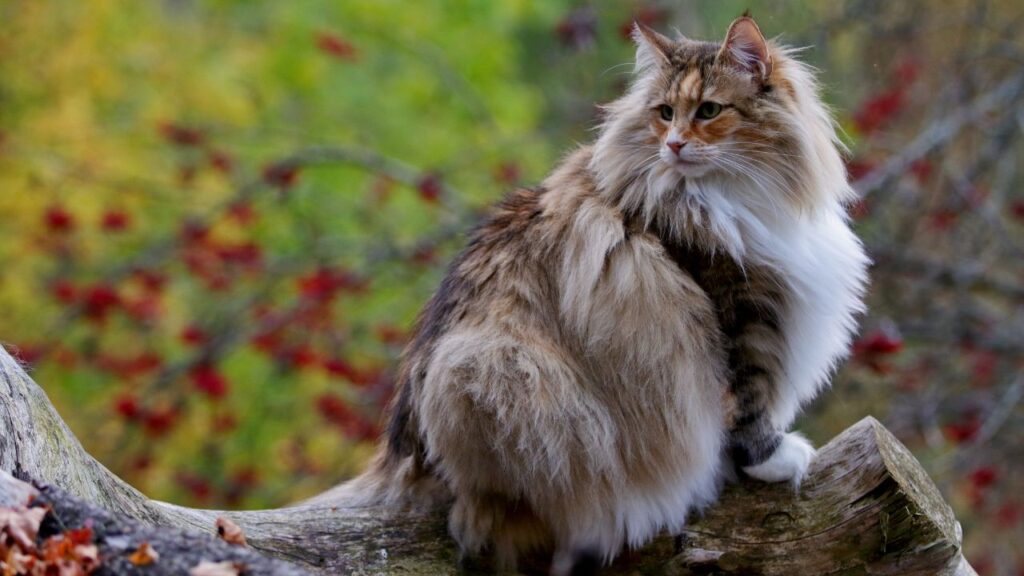
Credit: worldanimalfoundation.org
Norwegian Forest Cat
The Norwegian Forest Cat stands out as one of the largest and most majestic cat breeds. Known for its sturdy build and thick coat, this breed carries a natural charm that has intrigued cat lovers for centuries. If you’re looking for a pet that combines size with beauty and a rich history, the Norwegian Forest Cat might be the perfect match for your home.
Distinct Features
These cats have a muscular body with long legs and a bushy tail that helps them balance in trees. Their thick double coat is water-resistant, designed to protect them from harsh Nordic winters. One of the most striking features is their triangular face with large, almond-shaped eyes that give them an alert expression.
Have you ever noticed how their tufted ears and furry paws look like natural snow boots? This breed’s physical traits make them excellent climbers and survivors in cold climates, which is quite unique among domestic cats.
Temperament
Norwegian Forest Cats are friendly and social but not overly demanding of attention. They enjoy interacting with their family members yet maintain a bit of independence, which many owners appreciate. If you have children or other pets, this breed usually gets along well, showing a gentle and patient nature.
You’ll find they love exploring and playing, often climbing to high spots around your home. Do you prefer a cat that’s both affectionate and adventurous? This breed offers a balanced personality that fits well in active households.
Grooming Needs
Despite their long fur, Norwegian Forest Cats require moderate grooming. Their dense coat needs brushing about two to three times a week to prevent mats and remove loose hair. Regular grooming also helps reduce shedding and keeps their fur healthy and shiny.
It’s easy to overlook grooming until you see a tangled mess or find hairballs around your house. Would you be ready to dedicate some time weekly to maintain this breed’s beautiful coat? The effort pays off with less mess and a happier, comfortable cat.
Ragdoll
The Ragdoll cat stands out as one of the largest and most affectionate cat breeds. Known for their striking blue eyes and silky coats, these cats combine impressive size with gentle personalities. If you’re thinking about adding a Ragdoll to your home, understanding their size, temperament, and lifestyle needs will help you give them the best care.
Size Characteristics
Ragdolls are true giants in the cat world. Adult males typically weigh between 15 to 20 pounds, while females are slightly smaller, ranging from 10 to 15 pounds.
Their bodies are muscular and sturdy, with broad chests and large paws. Their long, flowing fur adds to their overall size, making them appear even more majestic.
Temperament
These cats are famously calm and affectionate, often described as “dog-like” in their loyalty. They enjoy being held and often go limp in your arms, which is how they got their name.
Ragdolls tend to be social and get along well with children and other pets. They rarely show aggression and prefer peaceful, loving environments.
Living With Ragdolls
Because of their size, Ragdolls need enough space to move comfortably and stretch out. Their relaxed nature means they are perfect for indoor living but require regular playtime to stay healthy.
Grooming is essential since their long fur can mat if not brushed frequently. You might find it rewarding to spend time brushing your Ragdoll, as many enjoy the attention.
Have you considered how much space and time you can dedicate to a large, affectionate cat like the Ragdoll? Their unique needs can greatly influence your daily routine and home setup.
Chausie
The Chausie stands out as one of the largest and most striking cat breeds you can meet. This breed combines wild ancestry with domestic charm, resulting in an impressive feline that captures attention wherever it goes. If you’re curious about a cat that’s both exotic and affectionate, the Chausie might be the perfect fit for your home.
Breed Background
The Chausie descends from the wild jungle cat, scientifically known as Felis chaus. Breeders crossed this wild feline with domestic cats to create a breed that is both robust and social. This mix gives the Chausie unique traits not found in typical house cats.
What’s fascinating is how this breed maintains its wild instincts while adapting well to family life. Chausies are still relatively rare, so owning one means you’re part of a special community of enthusiasts.
Physical Attributes
Chausies are tall and lean, with males often weighing between 15 to 20 pounds, making them larger than many other domestic cats. Their long legs and sleek bodies give them an athletic appearance that’s hard to miss.
Their fur is short and dense, usually spotted or ticked, echoing their wild heritage. Bright eyes and large ears add to their alert and curious look.
Activity Levels
Expect a high-energy companion if you bring a Chausie home. These cats love climbing, jumping, and exploring their surroundings actively throughout the day. If you enjoy interactive play, a Chausie will keep you engaged with its lively personality.
But here’s something to think about: Are you ready to provide enough stimulation to satisfy their strong hunting instincts? Without enough activity, these cats might become bored or mischievous.
Tips For Owning Large Cats
Owning a large cat breed is a rewarding experience, but it comes with unique challenges. These majestic animals need more attention and care than smaller cats. Understanding their specific needs will help you create a happy and healthy home for your big feline friend.
Space Requirements
Large cats need plenty of room to move and stretch. A cramped space can cause stress and lead to behavioral problems. Think about providing vertical spaces like tall cat trees or shelves to give your cat places to climb and observe.
Do you have enough space for a large litter box and multiple resting areas? Make sure their environment has quiet spots where they can retreat when they want privacy. This will help your cat feel secure and comfortable.
Diet And Nutrition
Big cats often require more calories and protein to stay healthy. Feeding them high-quality, balanced meals is crucial. Consult your vet to choose the right diet tailored to your cat’s breed, age, and activity level.
Do you know the difference between feeding a Maine Coon and a Savannah cat? Each breed may have different needs, so don’t just buy generic cat food. Supplements like omega-3 fatty acids can support joint health, especially in larger breeds prone to arthritis.
Health Considerations
Large cat breeds are more prone to certain health issues, such as hip dysplasia and heart problems. Regular vet visits are essential to catch any conditions early. Keep an eye on their weight because obesity can worsen joint and heart issues.
Have you noticed any changes in your cat’s mobility or appetite? These signs can indicate health problems that need immediate attention. Preventive care, including dental hygiene and vaccinations, is just as important for large cats as for smaller ones.

Credit: worldanimalfoundation.org
Why Choose A Large Cat Breed
Choosing a large cat breed offers unique benefits for pet owners. These cats stand out with their impressive size and strong presence. They often bring a calm and gentle energy to a home. Large cat breeds also tend to be very affectionate and loyal. Understanding why to choose a large cat helps you find the right companion.
Personality Advantages
Large cat breeds usually have calm and friendly personalities. They enjoy spending time with their owners and often seek attention. These cats are less likely to be shy or aggressive. Their gentle nature makes them great indoor pets. Many large cats love to play but also enjoy relaxing quietly.
Suitability For Families
Big cats fit well into family life. They often get along with children and other pets. Their patient nature means they tolerate noise and activity better. Large cats can be protective without being overbearing. Families find them to be comforting and easy companions.
Longevity
Many large cat breeds live long and healthy lives. Proper care helps them reach 12 to 15 years or more. They require regular vet visits and a good diet. Their size does not mean they age faster. Owners often enjoy many happy years with these cats.
Frequently Asked Questions
What Are The Largest Domestic Cat Breeds?
The largest domestic cat breeds include the Maine Coon, Savannah, and Norwegian Forest Cat. These breeds are known for their impressive size and muscular build, often weighing between 15 to 25 pounds or more, making them significantly larger than average house cats.
How Big Can A Maine Coon Cat Get?
Maine Coon cats can grow up to 40 inches long, including the tail. They typically weigh between 13 to 25 pounds, making them one of the largest domestic cat breeds. Their size and friendly nature make them a popular choice among cat enthusiasts.
Which Cat Breed Is The Heaviest?
The Maine Coon is generally the heaviest domestic cat breed. Adult males often weigh between 15 to 25 pounds, with some exceeding 30 pounds. Their large bone structure and thick fur contribute to their substantial weight and size.
Are Large Cat Breeds Good Family Pets?
Yes, many large cat breeds like the Maine Coon and Norwegian Forest Cat are gentle and sociable. They adapt well to families, including children and other pets, due to their friendly and playful nature.
Conclusion
Large cat breeds show us nature’s amazing variety. These cats are gentle giants with big hearts. They need care, space, and love to thrive. Knowing their traits helps you choose the right cat. Each breed has its own charm and needs.
Big cats can be great pets for patient owners. Enjoy the beauty and strength of these wonderful animals. They remind us how diverse and special cats can be.
