

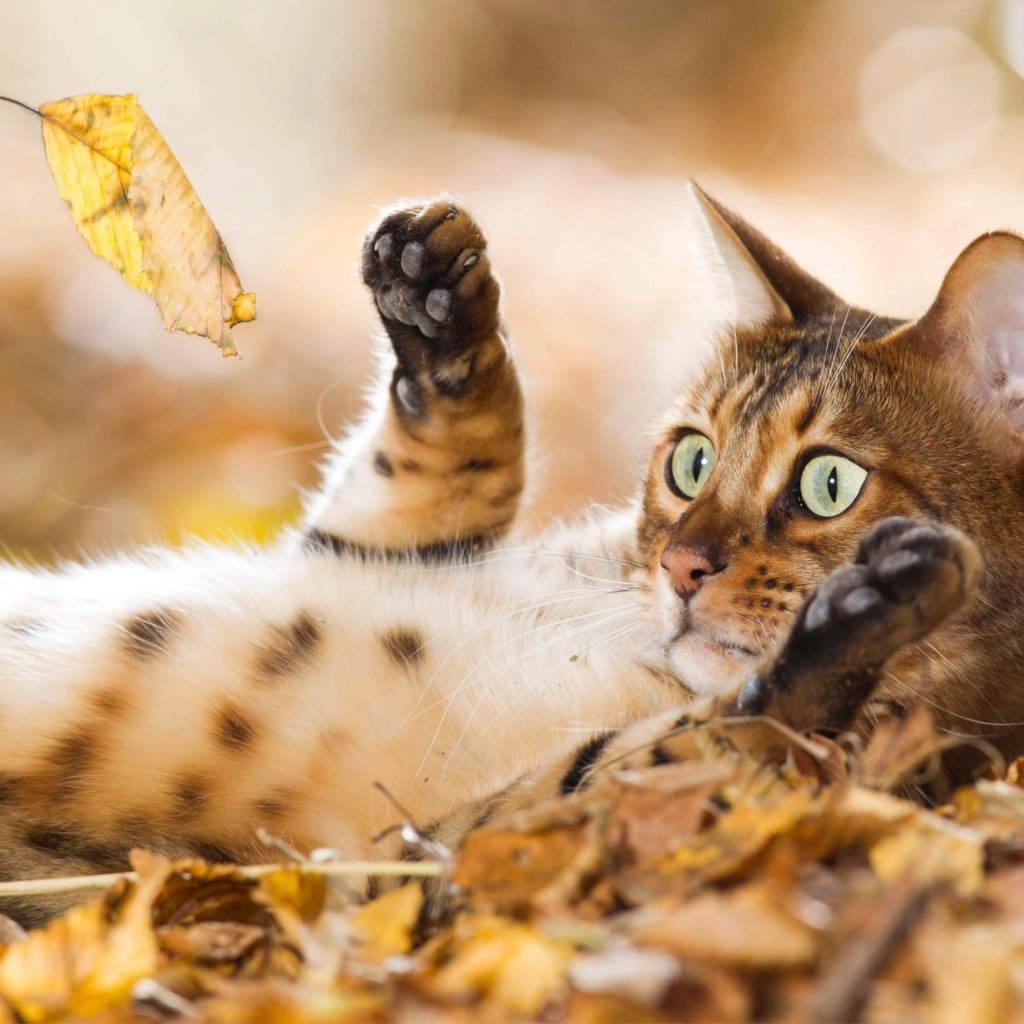
Are you curious about the unique world of domestic wild cat breeds? These fascinating felines bring the wild’s beauty right into your home, blending exotic looks with the charm of a pet.
If you’re thinking about adding a cat that stands out from the usual, you’ll want to learn which breeds combine wild traits with a friendly nature. Keep reading to discover the top domestic wild cats and find out which one might be the perfect match for your lifestyle and personality.
Your next unforgettable companion could be just a few paragraphs away.
Exotic Traits In Domestic Cats
Domestic cats with exotic traits carry a glimpse of their wild ancestors. These traits make them stand out in appearance and behavior. They often look like small wild cats but live comfortably indoors. Such cats attract owners who want a pet with a unique look and personality. Their wild-inspired features and habits make them fascinating companions.
Physical Features Inspired By Wild Ancestors
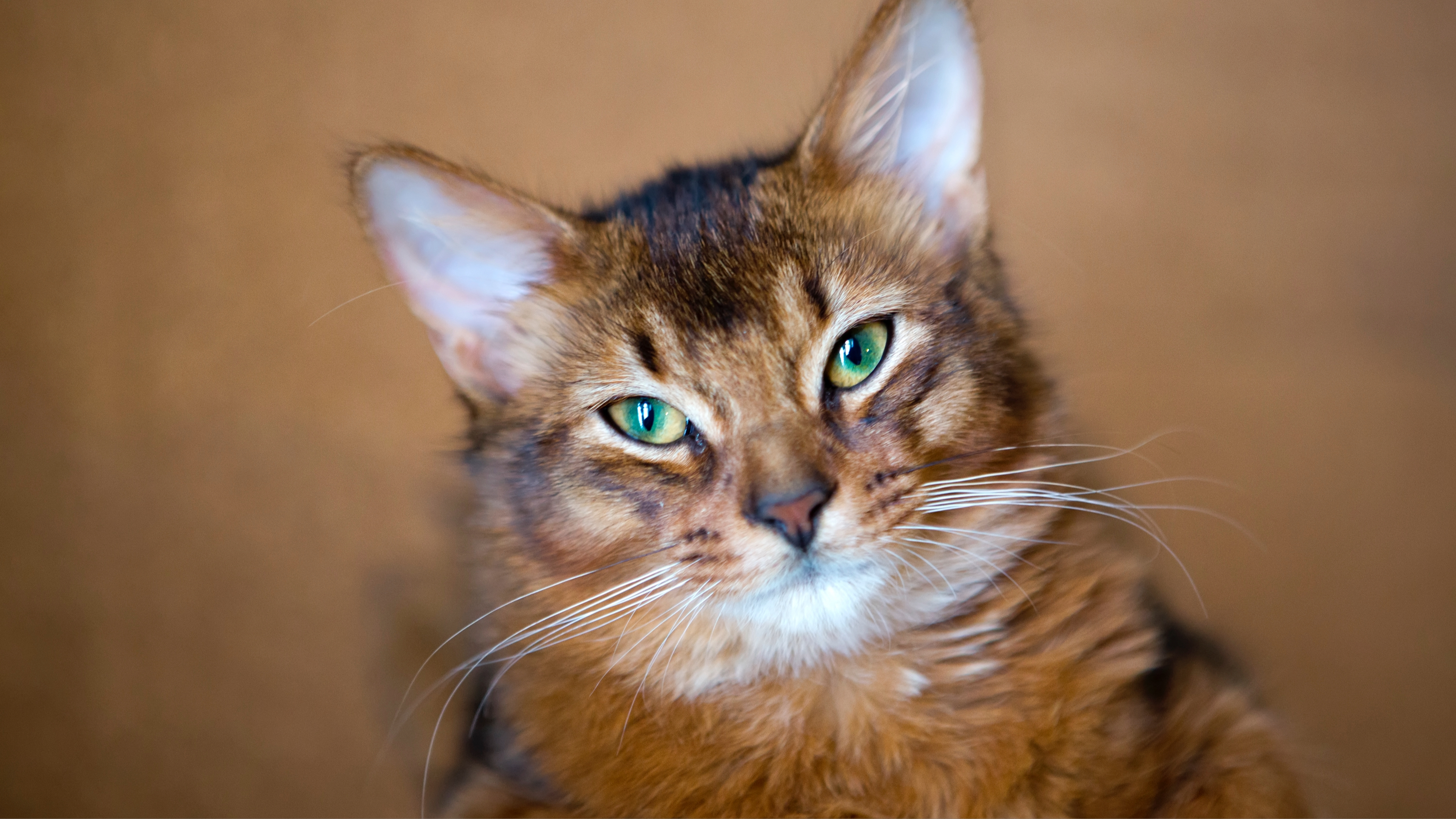
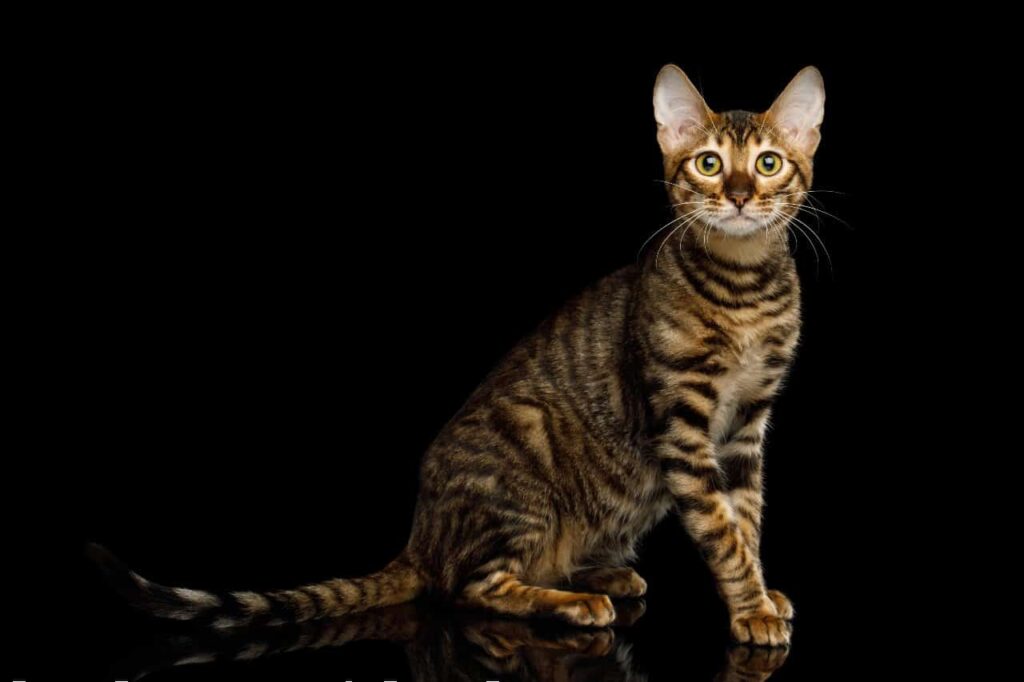
Many domestic wild cat breeds show striking physical traits from wild cats. Their fur often has bold patterns like spots or stripes. Some have large ears or almond-shaped eyes that look intense. Muscular bodies and long legs give them a sleek, agile look. These features make them appear exotic and elegant.
- Spotted or marbled coat patterns
- Large, pointed ears
- Almond-shaped, bright eyes
- Strong, lean body structure
Behavioral Characteristics
Exotic domestic cats often act like their wild relatives. They can be more active and curious than regular cats. Many enjoy climbing and exploring high places. They may also have a strong hunting instinct. These cats love interactive play and mental challenges. Their behavior can be more demanding but rewarding for owners.
- High energy and curiosity
- Love for climbing and jumping
- Strong prey drive and hunting skills
- Need for mental stimulation
Adaptations To Home Environments
Despite their wild traits, these cats adapt well to homes. They form close bonds with their families. They learn to enjoy toys and cozy resting spots. Proper socialization helps reduce any wild tendencies. These cats thrive with regular play and attention. Owners should provide safe spaces for their energetic nature.
- Strong attachment to family members
- Enjoyment of toys and interactive play
- Calm in familiar, safe surroundings
- Need for vertical spaces like cat trees
Credit: www.petsradar.com
Popular Wild Cat Breeds At Home
Wild cat breeds have captured the hearts of many cat lovers who want a pet with a touch of the exotic. These breeds bring a unique blend of wild appearance and domestic charm right into your home. You get the thrill of a wild cat’s look with the comfort of a loving companion.
Bengal Cats
Bengals are famous for their stunning spotted coats that resemble a leopard’s. They are playful, energetic, and intelligent, making them great pets if you enjoy interactive play. Have you ever watched a Bengal leap and chase like a wild cat? It’s a real delight and a reminder of their wild ancestry.
Savannah Cats
Savannahs stand out with their tall, lean bodies and large ears. They are a cross between a domestic cat and a serval, giving them incredible agility and curiosity. These cats often form strong bonds with their owners and enjoy activities like walking on a leash, adding more fun to your day.
Chausie Cats
Chausies blend the wild look of the jungle cat with a friendly, social nature. They are energetic and love exploring, so your home will feel livelier with one around. If you want a cat that’s both adventurous and affectionate, a Chausie might be the perfect fit.
Ocicat Cats
Despite their wild spots, Ocicats have no wild DNA—they’re purely domestic but look fierce. They are outgoing and love to be part of family activities, often greeting guests with curiosity. Would you enjoy a cat that looks wild but acts like a loyal friend? Ocicats offer exactly that balance.
Choosing The Right Exotic Cat
Choosing the right exotic cat is about more than just their stunning appearance. Each breed comes with unique needs and traits that can impact your daily life. Understanding these details helps you provide a happy home for your new feline friend and avoid surprises down the road.
Temperament And Social Needs
Exotic cats vary widely in personality. Some breeds crave constant attention, while others prefer quiet independence. Ask yourself: how much time can you dedicate to interacting with your cat every day?
For instance, Bengal cats are energetic and love playtime, requiring frequent engagement. On the other hand, the Egyptian Mau tends to be more reserved but still enjoys social bonding. Knowing your cat’s social needs helps you avoid behavioral issues from loneliness or boredom.
Space And Activity Requirements
Not all exotic cats adapt well to small apartments. Some breeds need room to roam and climb. Can your living space accommodate their activity level?
The Savannah cat is an example of a breed that thrives with plenty of space and mental stimulation. Without it, they might develop destructive habits. Consider adding vertical climbing structures or interactive toys to keep your cat physically and mentally active.
Health Considerations
Exotic breeds may have specific health risks or require special care. Are you prepared for potential vet visits or dietary needs?
Sphynx cats, for example, need regular skin care due to their lack of fur. Meanwhile, Scottish Folds can face joint issues. Researching breed-specific health concerns lets you plan for a longer, healthier relationship with your cat.

Credit: www.hindustantimes.com
Care Tips For Wild-inspired Cats
Caring for wild-inspired domestic cats requires more than just standard pet care. These cats have unique needs that echo their wild ancestors, making it essential to tailor your approach. Understanding their natural behaviors and physical requirements helps you create a happy, healthy home for your feline friend.
Diet And Nutrition
Your wild-inspired cat thrives on a diet that mimics what they would eat in nature. High protein and moisture content are key to keeping them energetic and hydrated.
- Choose quality raw or specially formulated wet food with real meat as the main ingredient.
- Avoid fillers like corn or soy that offer little nutritional value.
- Occasionally add supplements like taurine to support heart and eye health.
Have you noticed how some cats turn their noses up at dry kibble? That’s because their ancestors didn’t eat grains or processed foods. Feeding them what feels natural keeps their digestion smooth and their coat shiny.
Grooming Needs
Even though these cats sport wild looks, their grooming needs are surprisingly manageable. Regular brushing reduces shedding and prevents hairballs.
- Use a brush suitable for short to medium coats, depending on your cat’s breed.
- Check ears and eyes weekly for cleanliness and signs of irritation.
- Trim nails regularly to avoid injury during their active play.
One cat owner shared that consistent grooming time became a bonding ritual with her Bengal cat. It’s a simple way to keep your cat comfortable and happy.
Environmental Enrichment
Wild-inspired cats need stimulation that challenges their instincts. Creating an engaging environment prevents boredom and destructive behavior.
- Provide climbing structures like cat trees to satisfy their love of height.
- Introduce puzzle feeders to make mealtime a fun challenge.
- Offer a variety of toys that encourage hunting and stalking behaviors.
Think about your cat’s natural hunting skills. How can you bring those instincts into your home safely? Enrichment isn’t just a luxury—it’s a necessity for their mental and physical health.
Legal And Ethical Aspects
Owning a domestic wild cat breed isn’t just about choosing a unique pet; it comes with important legal and ethical responsibilities. These cats often blur the line between wild and domestic, which can complicate ownership. Understanding the rules and the moral considerations helps you provide a safe and respectful environment for both the cat and your community.
Ownership Regulations
You need to check local and national laws before bringing a domestic wild cat into your home. Many places require permits or have outright bans on certain breeds due to safety and conservation concerns. Ignoring these rules can lead to hefty fines or even confiscation of the animal.
For example, some states in the U.S. allow ownership of Bengal cats but restrict hybrids with higher wild ancestry. Are you prepared to research and comply with these regulations to avoid legal trouble?
Conservation And Breeding Ethics
Breeding domestic wild cats must be done responsibly to avoid harming wild populations. Irresponsible breeding can lead to genetic problems and reduce the natural behaviors these cats need to thrive. Ethical breeders prioritize health, temperament, and the preservation of species traits without endangering wild relatives.
Ask yourself if the breeder you choose respects conservation efforts and avoids exploiting these unique animals for profit. Supporting breeders who focus on ethical practices helps protect these breeds for future generations.
Responsible Pet Ownership
Owning a domestic wild cat means more than just feeding and playing with it. These cats often need special care, including mental stimulation and secure enclosures. Without proper attention, their natural instincts can lead to destructive or aggressive behavior.
Consider your lifestyle carefully: Do you have the time and resources to meet the physical and emotional needs of such a pet? Taking responsibility seriously ensures a healthy and happy life for your cat, and peace of mind for you.
Credit: rawznaturalpetfood.com
Frequently Asked Questions
What Are The Most Popular Domestic Wild Cat Breeds?
Popular domestic wild cat breeds include Bengal, Savannah, and Ocicat. They are known for their exotic looks and playful nature. These breeds combine wild ancestry with domestic traits, making them unique pets for cat lovers seeking something different.
How Do Domestic Wild Cat Breeds Differ From Regular Cats?
Domestic wild cats have wild ancestors, giving them distinct markings and behaviors. They often require more stimulation and exercise than regular cats. Despite their exotic appearance, they are usually affectionate and social with proper care.
Are Domestic Wild Cat Breeds Good For Families?
Yes, many domestic wild cats adapt well to family life. They enjoy interaction and play but need supervision around small children. Their active nature suits families who can provide attention and an engaging environment.
What Care Do Domestic Wild Cat Breeds Need?
These cats need mental stimulation, regular play, and a spacious environment. High-protein diets and routine vet check-ups are essential. Early socialization helps them adjust well to home life and reduce wild tendencies.
Conclusion
Domestic wild cat breeds offer a unique mix of beauty and wild charm. They bring excitement to any home with their playful nature. These cats need care and attention to stay happy and healthy. Choosing the right breed helps create a strong bond with your pet.
Each breed has its own traits and personality. Enjoy the special connection that comes from sharing your life with a domestic wild cat breed. They add joy and energy to everyday moments. Think carefully and find the perfect companion for your lifestyle.
