

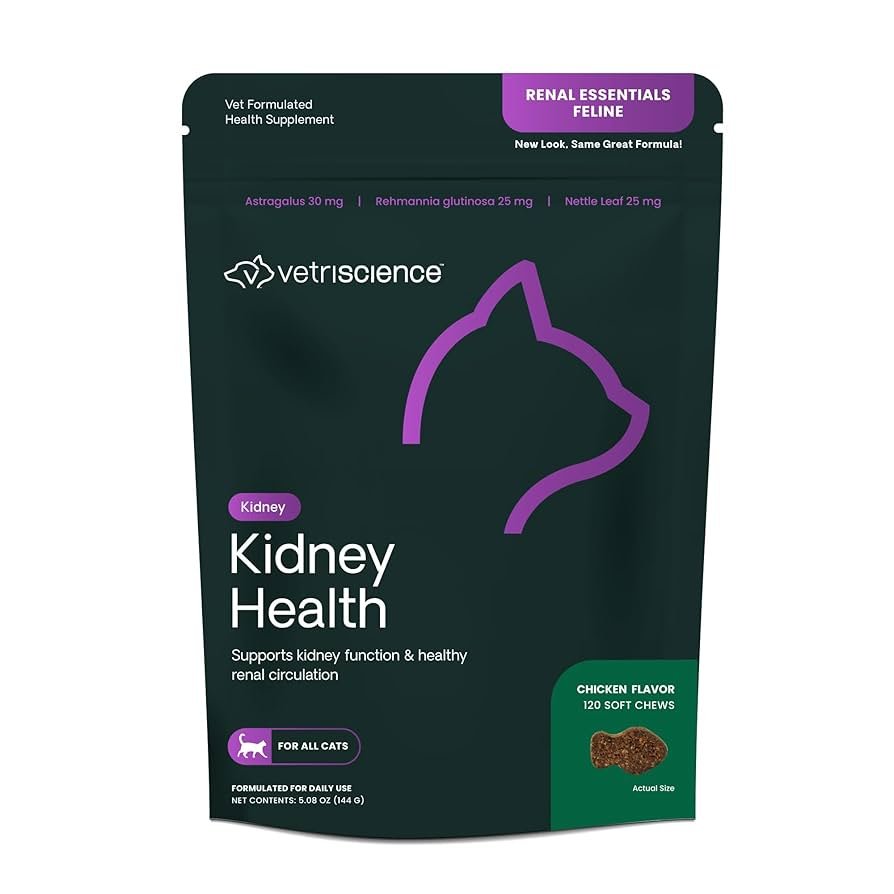
If you have a cat, you know how important it is to keep them healthy and happy. But what happens when your furry friend starts having kidney problems?
Kidney health supplements for cats could be the key to supporting your pet’s well-being and extending their life. You’ll discover how these supplements work, why they matter, and which ones might be the best choice for your cat. Keep reading to learn how you can help protect your cat’s kidneys and improve their quality of life.
Causes Of Kidney Issues In Cats
Kidney issues in cats can develop quietly, making it hard to notice until the problem becomes severe. Understanding what causes these issues helps you take better care of your feline friend and possibly prevent serious damage. Let’s break down the common causes and signs to watch for.
Common Kidney Diseases
Chronic kidney disease (CKD) is the most frequent kidney problem in cats, often developing over months or years. It slowly reduces kidney function, making it harder for your cat to filter waste.
Other diseases include acute kidney injury, which happens suddenly and can be caused by toxins, infections, or trauma. Polycystic kidney disease (PKD) is a genetic condition where cysts grow in the kidneys, leading to failure.
Risk Factors
- Age:Older cats are more prone to kidney problems due to natural wear and tear.
- Diet:Poor nutrition or diets high in phosphorus can strain kidney function.
- Dehydration:Cats that don’t drink enough water risk kidney damage over time.
- Exposure to toxins:Household chemicals, certain medications, and plants can harm kidneys.
- Genetics:Some breeds carry genes that increase kidney disease risk.
Have you noticed if your cat drinks less water or eats less as they age? These small changes might signal growing kidney stress.
Symptoms To Watch
Kidney problems often show through subtle signs. Increased thirst and frequent urination are early red flags.
Other symptoms include weight loss, decreased appetite, vomiting, and lethargy. Bad breath with an ammonia-like smell can also point to kidney issues.
If your cat shows any of these signs, a vet checkup is crucial. Early detection gives you a better chance to support your cat’s kidney health with supplements and proper care.
Credit: www.amazon.com
Key Nutrients For Kidney Support
Supporting your cat’s kidneys requires the right nutrients. These nutrients help reduce stress on the kidneys and improve their function. Kidney health supplements often focus on key vitamins, minerals, antioxidants, and fatty acids. Each plays a unique role in keeping your cat’s kidneys healthy and strong.
Essential Vitamins And Minerals
Vitamins and minerals support kidney function and overall health. Vitamin B complex helps with energy and cell repair. Vitamin C boosts the immune system and fights infections. Minerals like potassium and phosphorus must be balanced carefully. Too much phosphorus can harm kidneys, so supplements often control this mineral. Calcium also helps maintain healthy bones and kidney function.
Role Of Antioxidants
Antioxidants protect kidney cells from damage caused by harmful molecules. Free radicals can cause inflammation and worsen kidney issues. Common antioxidants in supplements include vitamin E and selenium. These nutrients reduce oxidative stress and support healing. Antioxidants help slow down kidney disease progression and improve cell health.
Importance Of Omega Fatty Acids
Omega fatty acids reduce inflammation and support kidney function. Omega-3 fatty acids, found in fish oil, are especially beneficial. They improve blood flow to the kidneys and lower inflammation. This can help cats with chronic kidney disease feel better. Supplements with omega fatty acids also support heart and joint health.
Popular Kidney Supplements For Cats
Supporting your cat’s kidney health is crucial, especially as they age or face renal challenges. There are several popular kidney supplements designed to help maintain and improve kidney function. Understanding the options can help you choose what fits best for your cat’s specific needs.
Herbal Remedies
Herbal supplements often include natural ingredients like dandelion, turmeric, and milk thistle. These herbs can reduce inflammation and support detoxification in the kidneys. Many cat owners notice gradual improvements in their pet’s energy and appetite when adding these herbs to their diet.
Have you ever tried natural supplements with your cat? Some cats respond well, but it’s essential to monitor for any adverse reactions and consult your vet before starting.
Prescription Supplements
Prescription kidney supplements are formulated specifically to address chronic kidney disease and other serious conditions. They often contain critical nutrients like omega-3 fatty acids, B vitamins, and phosphorus binders. These supplements are usually recommended by veterinarians and tailored to your cat’s blood work results.
Using prescription supplements can significantly slow kidney damage progression. Have you discussed these options with your vet to personalize treatment?
Over-the-counter Options
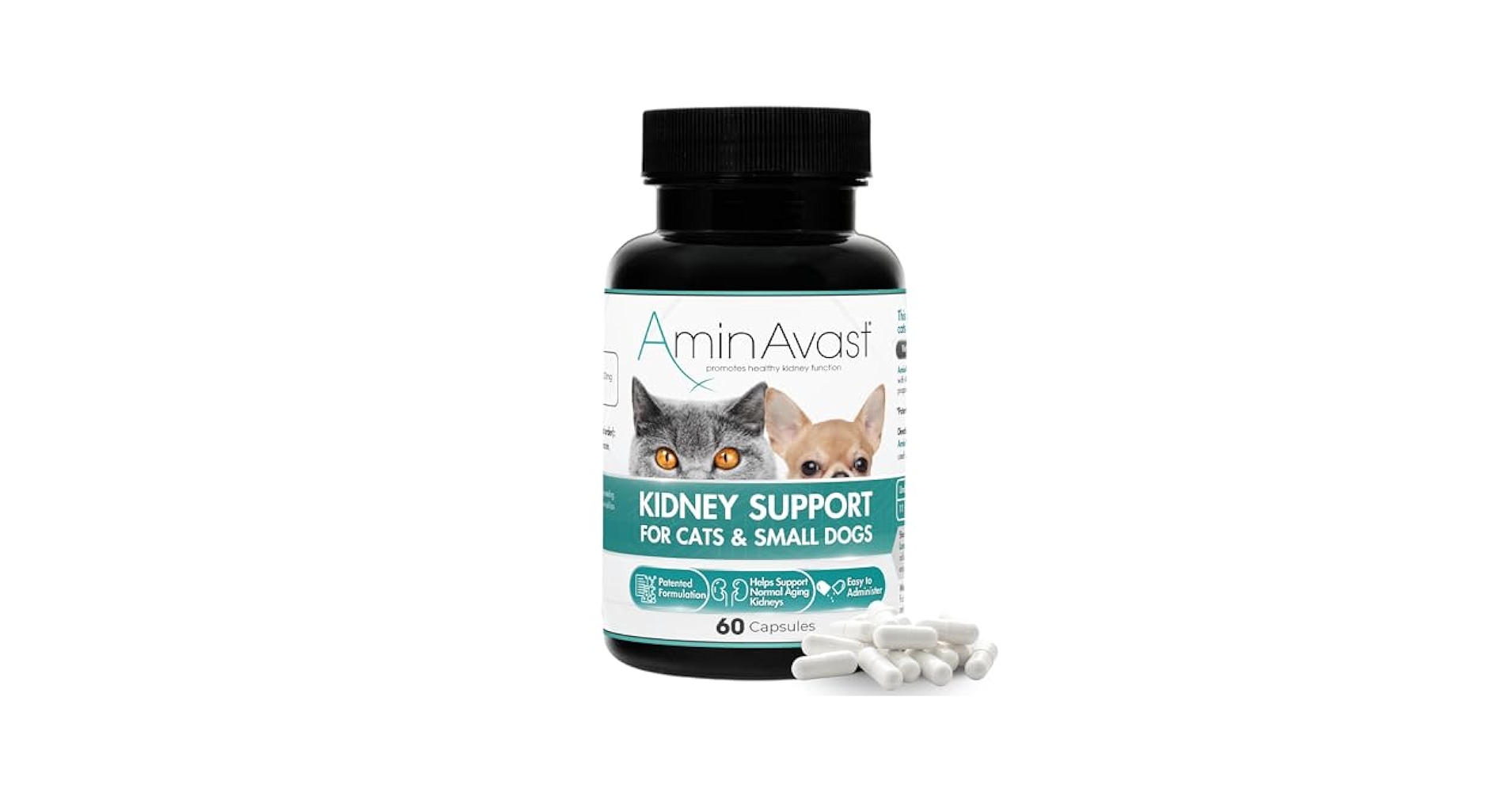
Over-the-counter (OTC) supplements are widely available and can include vitamins, minerals, and amino acids that support kidney function. Popular ingredients include taurine, antioxidants, and probiotics. These are easy to add to your cat’s routine but may vary in effectiveness depending on product quality.
When selecting OTC supplements, check for high-quality ingredients and customer reviews. Have you found any OTC products that made a noticeable difference for your cat?
Choosing The Right Supplement
Choosing the right kidney health supplement for your cat requires careful thought and attention. Not every product on the market suits every feline, especially when dealing with sensitive organs like the kidneys. Your cat’s wellbeing depends on picking a supplement that matches their unique health profile and needs.
Consulting Your Veterinarian
Your vet knows your cat’s health history better than anyone else. Before adding any supplement, have a detailed discussion with them. They can recommend products that align with your cat’s current condition and avoid ingredients that might cause harm or interfere with medications.
Sometimes, vets suggest blood tests to understand the kidney function more clearly. This information helps in selecting a supplement with the right balance of nutrients. Have you asked your vet about supplements during your last visit?
Reading Labels Carefully
Supplements can contain a range of ingredients, some beneficial and others unnecessary. Look for components like omega-3 fatty acids, antioxidants, and specific vitamins known to support kidney health. Avoid products with fillers, artificial colors, or excessive minerals that could strain your cat’s kidneys.
Labels can be confusing, but breaking them down helps. Check for:
- Active ingredients and their amounts
- Any additives or preservatives
- Dosage instructions tailored for cats
Understanding labels prevents accidental harm and ensures your cat gets exactly what they need.
Considering Your Cat’s Specific Needs
Every cat is different—age, weight, stage of kidney disease, and even taste preferences affect which supplement works best. Some cats may need supplements that focus on reducing inflammation, while others benefit more from products that improve hydration or electrolyte balance.
Think about how your cat reacts to pills or powders. Would they accept a tasty chewable, or do you need a liquid formula? Matching the supplement to your cat’s lifestyle increases the chance they’ll take it consistently and get the benefits.
What unique factors about your cat’s health could guide your supplement choice? Reflecting on this helps you make the best decision for their kidney health.
Administering Supplements Effectively
Administering supplements effectively is key to supporting your cat’s kidney health. Proper delivery ensures your cat gets the full benefit of the supplement. It also reduces stress for both you and your pet. Understanding dosage, easy ways to give supplements, and watching your cat’s reaction helps maintain their health.
Dosage Guidelines
Follow the instructions on the supplement package carefully. The right dose depends on your cat’s weight and kidney condition. Avoid giving more than recommended. Too much can harm your cat’s health. Consult your vet to confirm the proper amount. Adjust doses only with veterinary advice.
Tips For Easy Administration
- Mix supplements with wet food for better taste.
- Use pill pockets to hide tablets or capsules.
- Try crushing pills and mixing with a small amount of tuna juice.
- Give supplements at the same time each day to build routine.
- Stay calm and gentle to keep your cat relaxed.
- Use a syringe for liquid supplements if needed.
Monitoring Your Cat’s Response
Watch your cat closely after giving supplements. Note any changes in appetite, energy, or bathroom habits. Keep track of any vomiting or diarrhea. Report unusual signs to your vet immediately. Regular check-ups help track kidney health progress. Adjust treatment based on your vet’s recommendations.

Credit: www.vetriscience.com
Diet And Lifestyle For Kidney Health
Diet and lifestyle play a big role in keeping a cat’s kidneys healthy. Good habits help reduce stress on the kidneys. They support overall well-being and can slow kidney damage. Small changes in food and daily routine make a big difference.
Kidney-friendly Foods
Choose foods low in phosphorus and protein. These are easier on the kidneys. Wet cat food helps keep cats hydrated. Foods rich in omega-3 fatty acids support kidney health. Avoid salty or processed treats. Fresh, balanced meals protect kidney function.
Hydration Importance
Water is key for kidney health. It helps flush out toxins from the body. Always provide fresh, clean water. Some cats prefer running water, like a pet fountain. Wet food adds extra moisture. Keep an eye on your cat’s drinking habits.
Exercise And Stress Reduction
Regular exercise keeps your cat active and healthy. Playtime boosts blood flow to organs, including kidneys. Stress can harm kidney function over time. Create a calm, safe environment for your cat. Gentle petting and quiet spaces help reduce stress.
Signs Of Improvement And When To Seek Help
Tracking your cat’s progress after starting kidney health supplements is important. Knowing which signs show improvement helps you feel confident. At the same time, recognizing warning signs early can prevent serious problems. Always watch your cat closely. Changes may be subtle at first. Understanding these signs guides you on when to seek veterinary help.
Positive Changes To Expect
- Increased energy and more playful behavior
- Improved appetite and eating habits
- Better hydration with normal water intake
- More regular and less frequent urination
- Clearer eyes and healthier coat condition
- Less vomiting or nausea episodes
These positive changes usually appear within weeks. Each cat responds differently, so patience is key.
Warning Signs Of Worsening Condition
- Extreme lethargy or weakness
- Loss of appetite lasting more than two days
- Excessive vomiting or diarrhea
- Sudden weight loss or muscle wasting
- Changes in urination, such as blood or difficulty
- Bad breath or mouth ulcers
Watch carefully for these signs. They need prompt veterinary attention to avoid complications.
Regular Vet Checkups
Schedule vet visits as recommended. Blood tests and urine analysis reveal kidney function.
Regular checkups help catch problems early. Your vet can adjust supplements and treatment plans.
Keep a journal of your cat’s symptoms and improvements. Share this with your vet for better care.

Credit: www.amazon.com
Frequently Asked Questions
What Are The Best Supplements For Cat Kidney Health?
Top supplements include omega-3 fatty acids, antioxidants, and B vitamins. These support kidney function and reduce inflammation. Always consult a vet before starting supplements to ensure safety and proper dosage.
How Do Kidney Supplements Benefit Cats?
Kidney supplements help improve kidney function and slow disease progression. They reduce toxin buildup and support overall kidney health. This can enhance your cat’s quality of life and energy levels.
Can Supplements Prevent Kidney Disease In Cats?
Supplements may help reduce risk but cannot fully prevent kidney disease. A balanced diet and regular vet check-ups are essential. Early detection and treatment provide the best protection for your cat’s kidneys.
When Should I Start Giving Kidney Supplements To My Cat?
Start supplements after a vet diagnoses kidney issues or as a preventive measure in older cats. Early intervention can improve outcomes. Always follow your vet’s advice for timing and dosage.
Conclusion
Cat kidney health supplements can support your pet’s well-being. They help maintain kidney function and slow disease progress. Choosing the right supplement is key. Always check ingredients and quality before buying. Consult your vet to find the best option. Small steps can make a big difference.
Protect your cat’s kidneys with care and attention. Keep your furry friend happy and healthy longer. Regular care shows love and helps avoid serious problems. Remember, healthy kidneys mean a happier cat every day.
