

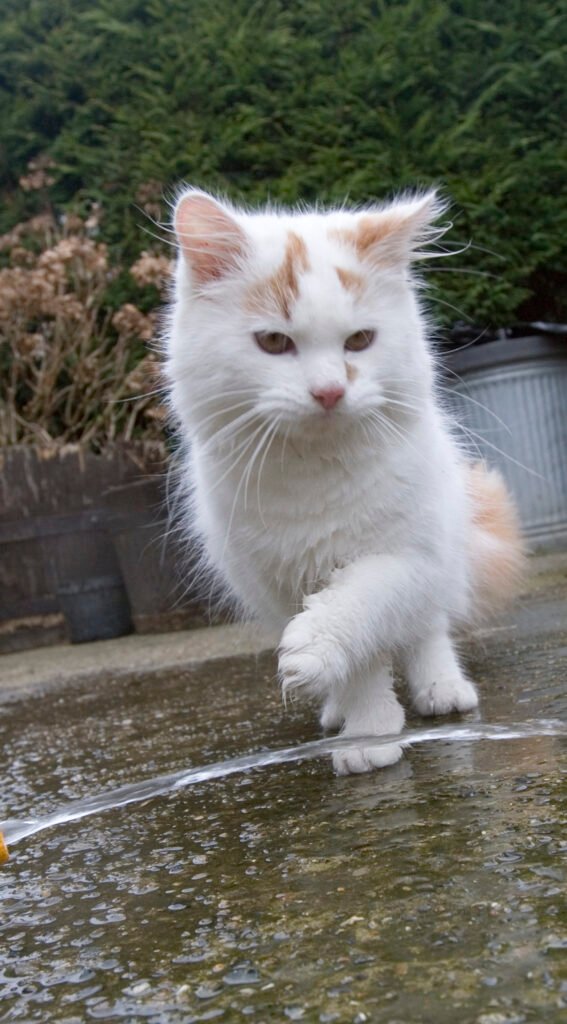
Are you curious about cats that bring a unique charm to your home? Turkish cat breeds have a special way of capturing hearts with their striking looks and playful personalities.
Whether you’re looking for a loyal companion or a beautiful pet to brighten your days, these cats offer something truly unforgettable. Keep reading, and you’ll discover which Turkish breed might be the perfect match for you and your lifestyle.
Credit: www.petco.com
Turkish Van
The Turkish Van is a unique cat breed known for its striking appearance and playful nature. Originating from the Lake Van region in Turkey, this breed is often called the “swimming cat.” Its love for water and distinct coat make it stand out among other breeds. Turkish Vans are strong, active, and highly intelligent pets.
Distinctive Coat And Markings
The Turkish Van has a semi-long, soft coat that feels silky to touch. Its body is mostly white with colored patches, usually on the head and tail. These patches can be red, cream, black, or other shades. The fur resists water, helping the cat dry quickly after swimming. Their unique markings create an elegant and eye-catching look.
Swimming Abilities
Unlike most cats, Turkish Vans enjoy water and swimming. They often play in shallow pools or streams without hesitation. Their strong muscles and water-resistant fur make swimming easy. This natural skill helps them cool down in hot weather. Owners find their water-loving trait unusual but charming.
Personality Traits
Turkish Vans are lively and curious. They like to explore their surroundings and interact with people. These cats are affectionate but enjoy independence too. They get along well with children and other pets. Their playful nature keeps them active and entertained daily.
Turkish Angora
The Turkish Angora stands out as one of the most captivating cat breeds. Known for its graceful looks and lively personality, this breed captures the hearts of cat lovers worldwide. If you want a pet that combines beauty with brains, the Turkish Angora might be your perfect match.
Elegant Appearance
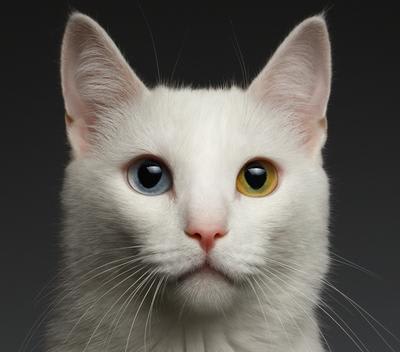
The Turkish Angora has a slender, fine-boned body covered with silky, medium-long fur. Its coat often comes in pure white, but you can also find variations in colors like black, blue, and cream. What truly makes it striking are the almond-shaped eyes, which may be blue, green, amber, or even odd-eyed (two different colors).
Have you noticed how their tails almost look like a plume of soft feathers? This adds to their regal air and makes them stand out in any room.
Intelligent Nature
These cats are highly curious and quick learners. You might find your Turkish Angora opening doors, solving simple puzzles, or even fetching toys. Their playful side keeps them engaged, but their intelligence means they also need mental challenges.
Have you ever tried teaching your cat tricks? The Turkish Angora responds well to positive reinforcement, making training a fun and rewarding experience for both of you.
Historical Background
The Turkish Angora originates from Turkey, with roots tracing back several centuries. It was once a prized companion of the Ottoman royalty, admired for its elegance and grace. The breed was first introduced to Europe in the 16th century and later gained recognition in the United States.
This history adds a layer of cultural richness to the breed, showing how cats and humans have shared bonds across time. How does knowing your pet’s background change the way you care for them?
Turkish Angora Vs Van
The Turkish Angora and Turkish Van are two unique cat breeds from Turkey. Both have beautiful looks and rich histories. They often confuse cat lovers because of their silky coats and lively personalities. Understanding their differences helps in choosing the right cat for your home.
Physical Differences
- Turkish Angora:Slender body, long legs, and fine bone structure.
- Turkish Van:Larger, muscular body with a more solid frame.
- Coat of Angora is long, silky, and usually pure white.
- Van’s coat is semi-long, water-resistant, with distinctive color patches mainly on the head and tail.
- Both have almond-shaped eyes; Angoras often have blue, green, or odd eyes.
- Vans typically have amber, blue, or odd eyes.
Behavioral Traits
- Turkish Angoras are playful, intelligent, and curious.
- Vans are active, strong swimmers, and love water.
- Angoras enjoy social interaction and often follow owners around.
- Vans show independent behavior but bond deeply with family.
- Both breeds are vocal but express differently; Angoras are soft talkers.
- Vans use louder and more varied sounds to communicate.
Care Requirements
- Angoras need regular brushing to prevent matting of their fine fur.
- Vans require less grooming due to their water-resistant coat.
- Both need plenty of playtime and mental stimulation.
- Vans benefit from access to water play or safe swimming areas.
- Regular vet check-ups keep both breeds healthy and happy.
- Proper diet supports their active lifestyles and beautiful coats.
Credit: hfu.hollywoodfeed.com
Caring For Turkish Cats
Caring for Turkish cats requires attention to their unique needs and traits. These cats are known for their playful personalities and luxurious coats, which demand a balanced approach to care. Understanding their grooming, diet, and health considerations will help you keep your Turkish cat happy and thriving.
Grooming Needs
Turkish cats, especially the Turkish Van and Turkish Angora, have medium to long fur that can tangle if not brushed regularly. Aim to brush your cat at least twice a week to prevent mats and remove loose hair.
Bathing is rarely necessary, but Turkish Vans often enjoy water, so occasional gentle baths might be a good bonding experience. Watch for shedding seasons and increase grooming frequency during those times to keep your home hair-free.
Diet And Nutrition
Your Turkish cat needs a high-protein diet to support their active lifestyle and muscular build. Choose quality cat food with real meat as the first ingredient.
Include wet food occasionally to keep them hydrated, especially if they don’t drink much water. Avoid overfeeding; Turkish cats can gain weight if their exercise isn’t enough to burn calories.
- Offer fresh water daily and consider a cat fountain to encourage drinking.
- Limit treats to maintain a balanced diet.
Health Considerations
Turkish cats are generally healthy but watch for common issues like hypertrophic cardiomyopathy (HCM), a heart condition. Regular vet check-ups can catch problems early.
These cats can be sensitive to cold due to their fine fur, so provide warm resting spots. Monitor their behavior and energy levels to spot any health concerns quickly.
Have you noticed changes in your cat’s grooming habits or appetite? These can be early signs of health issues that need attention.
Adopting Turkish Breeds
Adopting a Turkish cat breed can be a rewarding experience filled with unique companionship. These breeds carry a rich history and distinct personalities that make them special additions to any home. Before bringing one home, consider the best ways to find a healthy, happy cat and prepare your environment for its needs.
Finding Reputable Breeders
Start by researching breeders who specialize in Turkish breeds like the Turkish Van or Turkish Angora. A good breeder will prioritize the health and temperament of their cats, providing clear information about lineage and vaccinations.
Visit breeders in person if possible. Observing the cats’ living conditions and asking about their care routines helps ensure you’re dealing with a responsible source.
Don’t hesitate to ask for references or reviews from previous buyers. A trustworthy breeder will be transparent and eager to connect you with others who have adopted from them.
Rescue And Adoption Options
Turkish breeds can also be found through rescue organizations and shelters. Many cats with unknown origins exhibit traits of these breeds and are in need of loving homes.
Adopting from a rescue means giving a cat a second chance and often comes with lower costs than purchasing from breeders. Plus, shelters usually provide medical checks and initial care.
Reach out to breed-specific rescues or local animal shelters. Ask if they have Turkish cats or mixes available and what the adoption process entails.
Preparing Your Home
Before bringing your Turkish breed cat home, create a safe and comfortable space. This includes setting up a cozy bed, litter box, and designated play areas.
Turkish cats are known for their playful and sometimes adventurous nature. Provide toys and climbing spaces to keep them stimulated and happy.
Consider how your daily routine will accommodate your new pet. Are you ready to spend time grooming, playing, and bonding? Your commitment will shape your cat’s happiness and health.
Cultural Significance
The cultural significance of Turkish cat breeds runs deep, reflecting a rich heritage that connects these felines to centuries of tradition and belief. These cats are not just pets but symbols woven into the fabric of Turkish life. Understanding their role reveals much about the values and stories cherished by Turkish people.
Role In Turkish Folklore
Turkish cats often appear in stories passed down through generations. Their presence in folklore highlights qualities like independence, mystery, and grace. Many tales portray these cats as guardians or companions to important figures, showing how they earned respect and admiration.
One story tells of a cat saving a village from danger, illustrating the animal’s protective image. These narratives shape how people view cats beyond their physical beauty. Have you noticed how stories influence your own feelings toward animals?
Symbolism And Traditions
In Turkish culture, cats symbolize luck, protection, and good fortune. Some families welcome cats into their homes believing they bring positive energy. This belief encourages kindness and care toward these animals, turning everyday interactions into meaningful traditions.
Specific breeds, like the Turkish Van, are often linked to water and purity, influencing local customs. You might find cat motifs in art and crafts, showing how these animals inspire creativity. How might your own traditions be enriched by appreciating the deeper meanings behind animals you encounter?

Credit: www.petco.com
Frequently Asked Questions
What Are The Most Popular Turkish Cat Breeds?
The most popular Turkish cat breeds include the Turkish Van, Turkish Angora, and Turkish Shorthair. Each has unique traits and histories. These breeds are loved for their beauty, playful nature, and loyalty.
How Do Turkish Cats Differ From Other Breeds?
Turkish cats are distinct with their silky coats, expressive eyes, and friendly personalities. They often enjoy water, especially the Turkish Van. Their history traces back to Turkey, giving them unique genetic traits.
Are Turkish Cats Good For Families And Kids?
Yes, Turkish cats are generally affectionate and social. They adapt well to family environments and enjoy interaction. Their playful and gentle nature makes them great companions for children.
What Care Do Turkish Cat Breeds Require?
Turkish cats need regular grooming to maintain their silky fur. They enjoy active play and mental stimulation. A balanced diet and routine vet visits ensure their health and longevity.
Conclusion
Turkish cat breeds show a rich history and unique charm. They have soft fur and friendly personalities. Many people love their playful and gentle nature. These cats adapt well to homes and families. Their distinct looks make them stand out.
Owning a Turkish breed brings joy and comfort. Each breed has its own special traits. They fit well with different lifestyles. Turkish cats remain a favorite among pet lovers worldwide. Consider these beautiful cats for a loving companion.
