

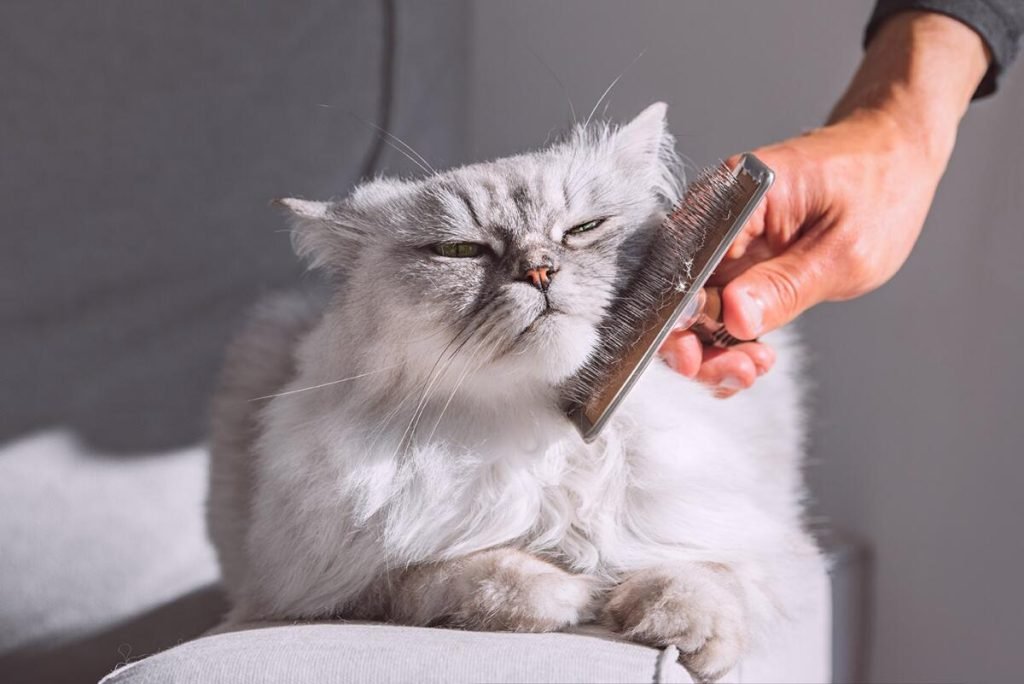
If you want your cat to look and feel their best, grooming is a must. But how do you groom your cat without causing stress or fuss?
You might think it’s tricky, but with the right tips, it can be easy and even enjoyable for both of you. In this guide, you’ll discover simple steps to keep your cat’s coat shiny, skin healthy, and claws in check.
Ready to become your cat’s favorite groomer? Let’s dive in and make grooming a smooth experience you both look forward to.

Credit: catit.ca
Benefits Of Regular Grooming
Regular grooming offers more than just a neat appearance for your cat; it plays a crucial role in their overall health and happiness. Taking a few minutes to groom your cat consistently can lead to noticeable benefits that improve their quality of life. Have you ever wondered how a simple daily routine can help your feline friend feel and look better?
Improved Coat Health
Brushing your cat regularly helps distribute natural oils across their fur, keeping it shiny and soft. This process prevents mats and tangles, which can cause discomfort or skin irritation. You might notice your cat enjoying the grooming session, turning it into a bonding moment that strengthens your relationship.
Reduced Shedding
Shedding can be a big challenge, especially if your cat leaves fur all over your furniture. Regular grooming removes loose hairs before they fall off around your home, making cleanup easier. It also reduces the risk of hairballs, which can be uncomfortable or even harmful to your cat.
Early Detection Of Health Issues
Grooming gives you a chance to closely inspect your cat’s skin and body for any unusual signs. You can spot bumps, wounds, or parasites early before they turn into bigger problems. Catching these issues early can save your cat from pain and costly vet visits—wouldn’t you want to be the first to notice if something’s wrong?
Essential Grooming Tools
Grooming your cat is more than just keeping them looking good—it’s about their health and comfort. Having the right tools makes grooming easier for both of you. Without the essentials, you might miss important signs or cause your cat unnecessary stress.
Brushes And Combs
Different cats need different brushes. For short-haired cats, a soft-bristle brush helps remove loose fur and dirt gently. Long-haired cats benefit from a slicker brush that detangles and prevents mats.
A metal comb with wide and narrow teeth is great for spotting tangles and checking for fleas. When you use the right brush, grooming becomes a bonding moment rather than a struggle. Ask yourself—have you noticed how your cat reacts to different brushes? That’s a clue to what they prefer.
Nail Clippers
Keeping your cat’s nails trimmed prevents damage to furniture and avoids painful nail overgrowth. Use a pair of clippers designed specifically for cats—they are smaller and safer than human nail clippers. Scissor-style and guillotine-style are common options; choose what feels comfortable and safe for you.
Try clipping after a nap when your cat is relaxed. If you’re nervous, start by trimming just the sharp tips. Remember, cutting too close to the quick can hurt your cat, so take your time.
Ear And Eye Care Supplies
Clean ears and eyes are signs of a healthy cat. Use cotton balls or soft cloths dampened with a vet-approved solution to wipe away dirt gently. Never insert anything deep into the ear canal; just clean the visible parts.
Eye wipes made for cats help remove discharge without irritation. Regular checks can catch infections early. How often do you look at your cat’s ears and eyes? Making it part of your routine grooming can keep your cat comfortable and healthy.
Brushing Techniques
Brushing your cat regularly is more than just a grooming task; it’s a moment to bond and keep their coat healthy. Different types of fur require different brushing techniques. Understanding how to handle your cat’s specific coat type can make grooming easier and more enjoyable for both of you.
Short-haired Cats
Short-haired cats generally need less frequent brushing, but it’s still important to remove loose hair and dirt. Use a soft-bristle brush or a rubber grooming glove to gently stroke in the direction of hair growth.
Spend a few minutes brushing at least twice a week. You’ll be surprised how much loose fur can come off, reducing shedding around your home.
Try this: brush your cat after a play session when they’re calmer. This helps them associate grooming with positive experiences.
Long-haired Cats
Long-haired cats require daily brushing to prevent tangles and mats. Use a wide-tooth comb to gently detangle knots before following up with a slicker brush to smooth the coat.
Be patient and work slowly, especially if your cat isn’t used to frequent grooming. Breaking the session into short bursts can keep them cooperative.
Have you noticed how mats can irritate your cat? Removing them early avoids painful grooming sessions later.
Handling Sensitive Areas
Areas like the belly, tail, and behind the ears can be sensitive spots for many cats. Approach these regions gently and watch your cat’s body language carefully.
Use lighter pressure and try distracting your cat with treats or gentle petting before brushing sensitive zones. This helps build trust and reduces stress.
If your cat resists, pause and give them a break. Forcing grooming can create negative associations and make future sessions harder.

Credit: www.viovet.co.uk
Bathing Your Cat
Bathing your cat might sound like a challenge, but it doesn’t have to be a stressful event for either of you. Cats generally groom themselves well, so baths are only necessary in certain situations. Understanding when and how to bathe your cat safely can help keep their coat clean and healthy without turning the experience into a battle.
When To Bathe
Most cats rarely need a bath unless they get into something sticky, dirty, or smelly. If your cat has fleas, skin conditions, or allergies, a bath might be part of their treatment plan. You might also consider bathing if your cat has long hair that becomes matted or excessively greasy.
Ask yourself: is your cat’s natural grooming not enough? If so, it’s time to step in. Otherwise, frequent baths can strip natural oils and irritate their skin.
Safe Bathing Steps
- Use lukewarm water to avoid shocking your cat with hot or cold temperatures.
- Choose a shampoo made specifically for cats; human or dog shampoos can harm their skin.
- Prepare everything beforehand—towels, shampoo, and a cup for rinsing—so you don’t leave your cat unattended.
- Gently wet your cat starting from the neck down, avoiding the face and ears.
- Massage shampoo carefully into the fur, then rinse thoroughly to prevent residue.
- Keep calm and speak softly to reassure your cat during the bath.
Remember, rushing or forcing your cat increases their stress and makes future baths harder.
Drying Tips
After the bath, wrap your cat in a soft towel immediately to absorb most of the water. Pat, don’t rub, to avoid tangling their fur or irritating their skin.
If your cat tolerates it, use a hairdryer on the lowest, coolest setting. Keep the dryer moving and maintain a safe distance to prevent burns.
For cats that dislike dryers, letting them air dry in a warm, draft-free room works well. Keep an eye on them until their coat is fully dry to avoid chills.
Nail Trimming Tips
Trimming your cat’s nails is key to their health and comfort. It helps prevent scratches, damage to furniture, and painful overgrowth. Many cats dislike nail trimming, but patience and the right approach make it easier. Here are practical tips to keep nail trimming safe and stress-free.
Choosing The Right Clippers
Pick clippers made for cats or small pets. They cut cleanly without crushing nails. Avoid large human nail clippers or scissors. Look for these features:
- Sharp, curved blades for smooth cuts
- Comfortable, non-slip handles
- Safety guards to prevent cutting too deep
- Easy to clean materials
Try holding the clippers to see if they feel good in your hand. Your cat will notice your calm and confidence.
How To Trim Safely
Hold your cat gently but firmly. Choose a quiet place with good light. Press the paw pad to extend the nails. Look for the pink part inside the nail called the quick. Avoid cutting this area.
Trim only the sharp tip. Cut small bits at a time. Stop if your cat pulls away or shows stress. Use a styptic powder nearby to stop bleeding in emergencies. Praise and treat your cat after trimming.
Frequency Of Trimming
Check your cat’s nails every two weeks. Some cats need trims more often. Others, especially indoor cats, may need less. Watch for nails touching the ground or curling. These signs mean it’s time to trim again.
Regular trimming keeps nails healthy and avoids pain. Build a routine your cat can trust and expect.
Cleaning Ears And Eyes
Cleaning your cat’s ears and eyes is essential for their health. Dirt, wax, and discharge can build up and cause discomfort or infection. Regular checks help catch problems early. Gentle care keeps your cat calm and safe during grooming.
Signs Of Infection
- Redness or swelling around ears or eyes
- Unusual discharge or pus
- Strong odor from ears
- Frequent scratching or pawing at ears or eyes
- Squinting or excessive blinking
- Crusts or scabs near eyes or ear openings
Gentle Cleaning Methods
Use a soft, damp cloth or cotton ball. Avoid cotton swabs inside ears. Wipe around the ear’s outer edge only. For eyes, use a separate cloth for each eye. Moisten cloth with warm water or vet-approved cleanser. Gently wipe away dirt and discharge. Never press hard or cause pain. Stop if your cat resists strongly or shows discomfort. Consult a vet for persistent problems.
Dealing With Grooming Challenges
Grooming cats can bring some challenges. Cats might not always like being brushed or handled. Some cats feel nervous or scared during grooming. Their fur can get tangled and form mats that hurt their skin. Knowing how to manage these issues helps keep grooming safe and calm.
Handling Anxious Cats
Stay calm and patient around anxious cats. Use soft voices and slow movements. Let the cat sniff the brush before starting. Short grooming sessions work best. Give breaks if the cat shows stress. Use treats to reward good behavior. Avoid forcing the cat if it resists strongly. Create a quiet space free of distractions.
Preventing Matting
Brush your cat regularly to stop mats from forming. Focus on areas like behind ears and under legs. Use a wide-tooth comb for thick fur. Gently work through tangles with fingers before brushing. Mats can cause pain and skin problems. Keep the cat’s coat clean by bathing occasionally. Trim long fur if your cat tolerates it. Regular grooming reduces matting and keeps fur soft.
When To Seek Professional Help
Some grooming problems need a vet or groomer’s care. Seek help if mats are very tight or cover large areas. Watch for skin wounds, redness, or swelling. If your cat bites or scratches during grooming, professionals can help safely. A groomer can also trim nails and clean ears. Regular check-ups prevent serious grooming issues. Professional help protects both you and your cat.
Creating A Grooming Routine
Creating a grooming routine helps keep your cat clean and healthy. It also builds trust between you and your pet. A regular schedule makes grooming easier and less stressful for both of you. Consistency is key in making grooming a positive experience.
Setting A Schedule
Choose specific days and times for grooming sessions. Stick to the schedule to create a habit. Short sessions work best, about 5 to 10 minutes each time. Daily brushing is ideal for long-haired cats. For short-haired cats, grooming two to three times a week is enough. Mark your calendar or set reminders to stay consistent.
Making Grooming Enjoyable
Use gentle brushes and combs that suit your cat’s fur type. Talk softly and offer treats during and after grooming. Stop if your cat shows signs of stress and try again later. Play calming music or create a quiet space for grooming. Praise your cat often to build positive associations. Small rewards turn grooming into a fun routine.

Credit: www.latimes.com
Frequently Asked Questions
How Often Should I Groom My Cat?
Groom your cat weekly to prevent mats and reduce shedding. Long-haired cats need more frequent grooming. Regular grooming promotes healthy skin and a shiny coat.
What Tools Are Best For Cat Grooming?
Use a soft-bristle brush for short hair and a wide-tooth comb for tangles. Nail clippers, grooming wipes, and flea combs are also helpful. Choose tools based on your cat’s coat type.
How Can I Make Grooming Stress-free For My Cat?
Create a calm environment and use treats to reward your cat. Start grooming sessions short and gradually increase the time. Be gentle and patient to build trust during grooming.
When Should I Seek Professional Grooming For My Cat?
Seek professional grooming if your cat has severe mats or skin issues. Also consider professionals if your cat is uncooperative or nervous during grooming. Experts can handle difficult grooming safely and effectively.
Conclusion
Grooming your cat keeps their coat clean and healthy. It helps reduce shedding and hairballs. Regular brushing makes your cat feel calm and loved. Small, gentle steps build trust during grooming. Use the right tools to make the process smooth.
Pay attention to your cat’s reactions and comfort. Grooming also helps you spot any skin problems early. A happy cat means a happy home. Keep grooming simple and consistent for best results. Enjoy the special time with your furry friend.
