

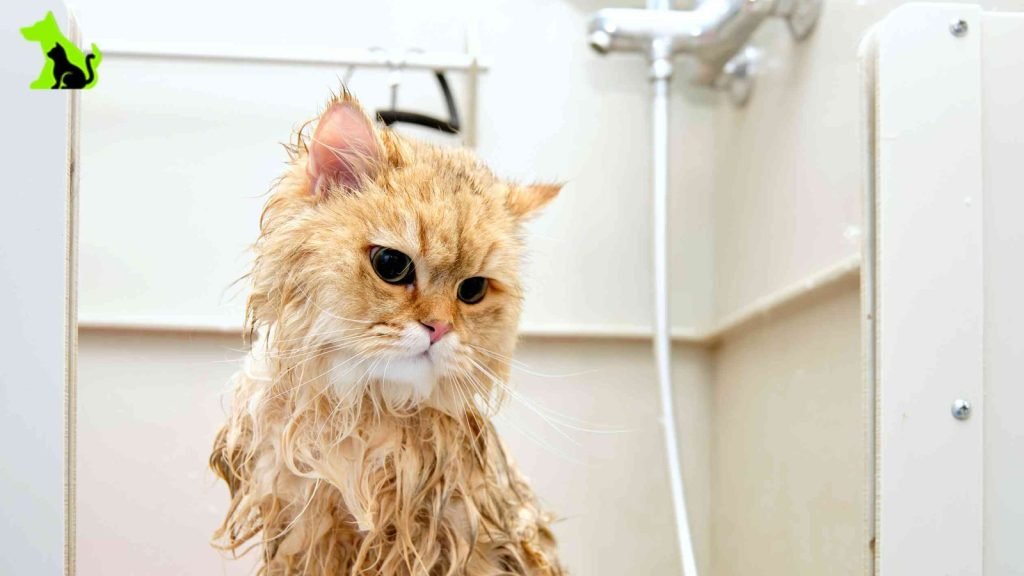
Have you noticed your cat grooming itself more than usual? When your furry friend keeps licking or biting their fur nonstop, it can be worrying.
You might wonder if it’s just a habit or a sign something’s wrong. Understanding why your cat keeps grooming is important—not only for their comfort but for their health too. You’ll discover the common reasons behind this behavior and what you can do to help your cat feel better.
Keep reading to learn how to spot when grooming is normal and when it’s time to take action.

Credit: danspetcare.com
Reasons Cats Groom
Cats spend a surprising amount of time grooming themselves, and understanding why can help you better care for your feline friend. Grooming isn’t just about looking good; it serves several important purposes that impact your cat’s health and well-being. Let’s take a closer look at the main reasons cats groom.
Maintaining Cleanliness
Grooming helps cats keep their fur clean and free of dirt, debris, and parasites. By licking their coat, they remove loose hairs and prevent mats from forming. Have you noticed your cat’s tongue feels rough? That texture is perfect for catching tiny particles and keeping their fur tidy.
Regulating Body Temperature
Did you know grooming plays a role in controlling your cat’s body temperature? When cats lick their fur, the saliva evaporates and helps cool them down. This natural cooling system works well on warm days or after a burst of activity.
Stress Relief
Grooming is also a powerful way for cats to calm themselves when they feel anxious or stressed. You might observe your cat licking more during changes in their environment or after a vet visit. Think about how you might fidget or take deep breaths to soothe yourself—cats use grooming in a similar way.
Social Bonding
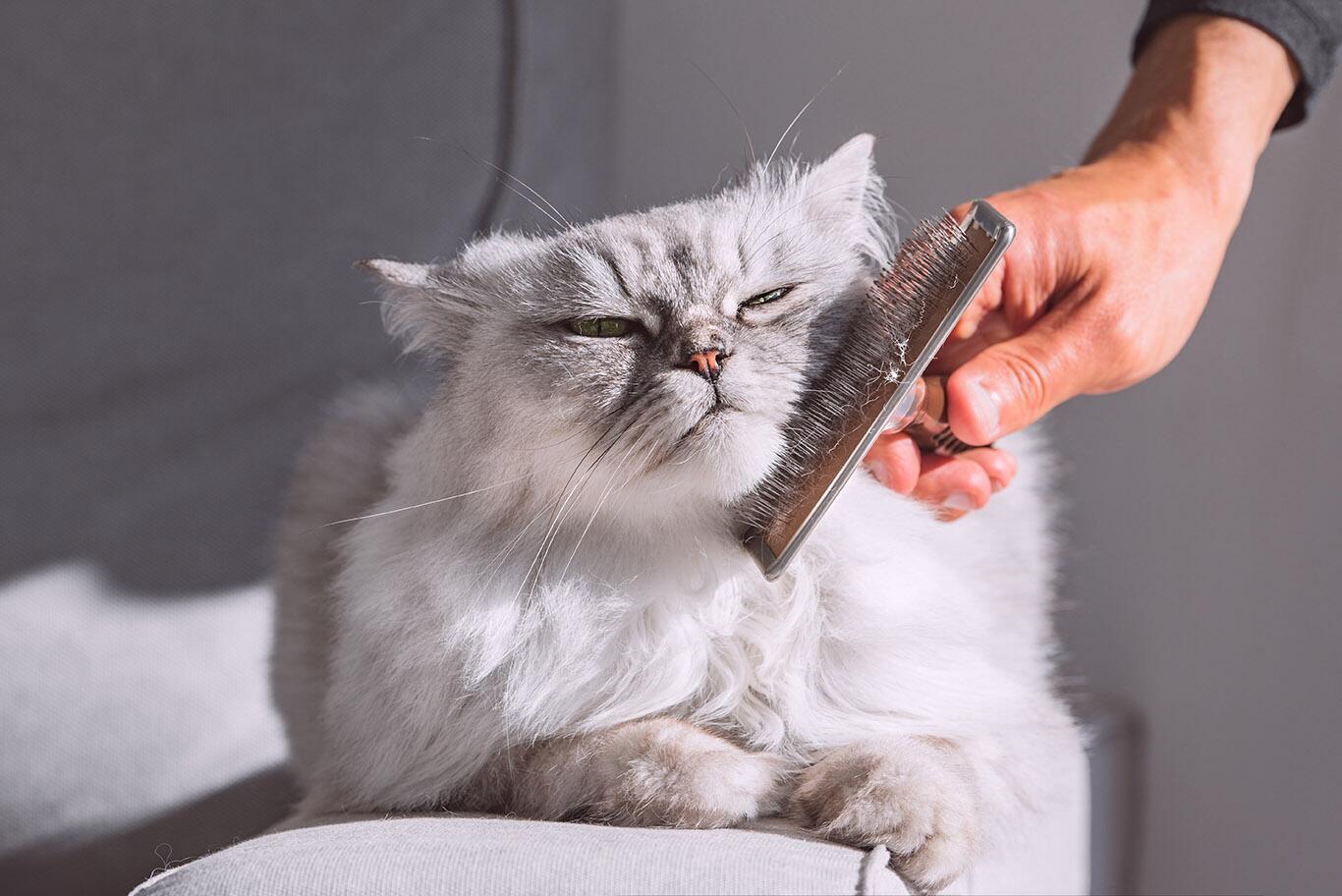
Grooming extends beyond self-care; it’s an important social activity among cats. When cats groom each other, it helps build trust and strengthens their bonds. If you see your cat licking another cat or even you, it’s a sign of affection and connection.
Credit: www.latimes.com
Signs Of Overgrooming
Noticing your cat grooming more than usual can be worrying. Overgrooming is a sign that something might be wrong, whether it’s physical discomfort or stress. Recognizing the signs early helps you act quickly to keep your furry friend comfortable and healthy.
Bald Patches
One of the clearest signs of overgrooming is bald patches on your cat’s fur. These spots appear when your cat licks or bites the same area repeatedly, causing fur loss. Have you ever seen your cat with smooth, shiny skin where fur used to be? That’s a strong indicator that overgrooming is happening.
Redness And Irritation
Red, inflamed skin often accompanies overgrooming. It shows that your cat’s skin is irritated and possibly damaged from constant licking or scratching. If you notice any redness, swelling, or scabs, it’s time to check with a vet to find out what’s causing the discomfort.
Excessive Licking
Keep an eye on how often your cat licks itself. While grooming is normal, excessive licking is not. If your cat spends long periods licking one spot or seems unable to stop, this behavior can lead to skin problems and pain.
Behavioral Changes
Overgrooming often comes with changes in your cat’s behavior. Your usually calm cat might become restless, hide more, or act anxious. These signs can help you understand if your cat’s grooming is linked to stress, boredom, or health issues.
Health Issues Linked To Grooming
Excessive grooming in cats can signal hidden health problems. Cats often groom to soothe discomfort or irritation. Understanding these health issues helps in early detection and care.
Allergies And Skin Conditions
Allergies cause itching and redness. Cats scratch and lick to relieve the itch. Common triggers include food, pollen, and dust mites. Skin infections can develop from constant licking. Watch for hair loss and scabs on your cat’s skin.
Parasites
Fleas and mites irritate cats and cause intense itching. Parasites hide in fur and skin. Grooming increases when cats try to remove them. Persistent scratching might lead to wounds or infections. Regular parasite control is crucial for healthy skin.
Pain And Discomfort
Pain from injuries or arthritis can cause grooming changes. Cats may lick sore spots repeatedly. This behavior aims to soothe pain but can worsen wounds. Observe if your cat avoids certain movements or areas.
Hormonal Imbalances
Hormone problems affect skin and coat health. Conditions like hyperthyroidism cause restless grooming. Cats may over-groom or under-groom due to hormonal shifts. Blood tests help diagnose these issues accurately.
Emotional Causes Of Excess Grooming
Excessive grooming in cats often signals more than just a desire to stay clean. Emotional factors play a big role in why your cat might be over-grooming. Understanding these emotional causes can help you address the root of the problem and support your feline friend better.
Anxiety And Stress
Stress can make cats lick themselves more than usual. Changes in routine, loud noises, or new people around the house can trigger this behavior. If your cat suddenly starts grooming obsessively, ask yourself if something stressful has happened recently.
I once had a cat who began over-grooming after a neighbor’s construction started. The constant noise made her anxious, and grooming became her way to cope. Watching her, I realized that reducing stress is key to helping her feel safe again.
Boredom
When cats don’t have enough mental or physical stimulation, they can turn to grooming as a way to fill the void. Lack of playtime or interaction might lead to repetitive licking. Are you providing enough toys and activities to keep your cat entertained daily?
Try adding puzzle feeders or interactive toys to your cat’s routine. These tools not only reduce boredom but also channel their energy into positive outlets. You might see a big drop in grooming if your cat feels more engaged.
Changes In Environment
Moving to a new home, rearranging furniture, or even introducing new pets can upset your cat’s comfort zone. These changes often cause emotional distress, leading to excess grooming. Have you noticed your cat’s behavior shift after any recent environment changes?
Give your cat a quiet space to retreat to during transitions. Gradually introduce new elements to avoid overwhelming them. Patience and gentle reassurance can help your cat adapt without turning to over-grooming.
Separation Anxiety
Cats form strong bonds with their owners and may groom excessively when left alone for long periods. This behavior acts as a self-soothing mechanism during times of loneliness or fear. Do you notice your cat grooming more when you’re away?
Leaving familiar items like your worn clothing or a favorite blanket can comfort your cat. Establishing a consistent routine and short separations can ease their anxiety. If grooming spikes during your absence, these steps might help reduce their stress.
When To See A Vet
Noticing your cat grooming more than usual can be worrying. It’s important to understand when this behavior signals a need to visit the vet. Knowing the signs helps you act quickly and keep your cat comfortable and healthy.
Persistent Overgrooming
If your cat grooms so much that it creates bald spots or sores, it’s time to see a vet. Occasional grooming is normal, but constant licking or biting can cause skin damage.
Ask yourself: Has your cat’s grooming increased sharply? Are they grooming in one spot repeatedly? These are red flags that need professional attention.
Signs Of Infection
Check the areas your cat grooms a lot for redness, swelling, or pus. These signs may mean an infection is developing under the skin.
If your cat is scratching or biting the area more than usual, it could be painful. Infections require vet treatment to prevent worsening.
Behavioral Concerns
Sometimes overgrooming comes from stress or anxiety. Changes in your cat’s environment, like moving or new pets, can trigger this.
Does your cat seem restless, hide more, or show other unusual behaviors alongside excessive grooming? These clues suggest a deeper issue a vet can help diagnose.
Treatment Options
The vet may recommend treatments like medicated shampoos, allergy management, or behavior modification strategies. Sometimes a simple change in diet or environment makes a big difference.
Don’t hesitate to ask your vet about options that fit your cat’s lifestyle. Early treatment often leads to faster relief and happier pets.
Preventing Overgrooming
Overgrooming can harm your cat’s skin and fur. It’s important to catch it early and take steps to stop it before it becomes a serious problem. Preventing overgrooming involves making your cat’s environment safe and comfortable, checking their health regularly, reducing stress, and feeding them well.
Environmental Enrichment
Your cat needs plenty of things to do to stay happy and distracted from excessive grooming. Toys, scratching posts, and climbing shelves keep their mind active. You might notice your cat grooming less when they have new toys or playtime with you.
Try rotating toys weekly to keep their interest. Adding puzzle feeders challenges their brain and slows down mealtime. Have you ever watched your cat lose track of time while chasing a feather toy? That focus can help reduce overgrooming.
Regular Vet Checkups
Health problems often cause overgrooming. Skin allergies, parasites, or pain might make your cat lick or bite themselves. Regular vet visits catch these issues early.
Don’t wait until you see bald patches. A vet can recommend treatments or medications that relieve discomfort quickly. Imagine how much better your cat feels when an allergy flare-up is controlled.
Stress Reduction Techniques
Stress is a big reason cats overgroom. Changes in the home, loud noises, or new pets can upset your cat. You can help by creating calm spaces and routines.
Try pheromone diffusers or calming sprays near their favorite resting spots. Gentle play and quiet time together build trust and reduce anxiety. Notice how your cat’s grooming habits improve when they feel safe?
Proper Nutrition
Good food supports healthy skin and fur. A diet rich in omega-3 and omega-6 fatty acids reduces dryness and itching. Check your cat’s food label for these nutrients.
Sometimes food allergies cause overgrooming too. You might experiment with hypoallergenic diets under your vet’s guidance. Have you considered how much your cat’s skin health depends on what they eat?

Credit: www.latimes.com
Frequently Asked Questions
Why Does My Cat Keep Grooming Excessively?
Excessive grooming may signal stress, allergies, or skin infections in cats. It can also indicate parasites like fleas. Observe your cat’s behavior and consult a vet if grooming seems obsessive or causes hair loss.
Can Grooming Indicate Health Problems In Cats?
Yes, frequent grooming can indicate health issues such as dermatitis, allergies, or pain. It can also be a sign of anxiety or boredom. Timely veterinary evaluation helps identify and treat underlying causes effectively.
How Can I Reduce My Cat’s Over-grooming Habit?
To reduce over-grooming, address stressors and provide mental stimulation. Use flea treatments if needed and maintain a clean, comfortable environment. Consult your vet for medical causes and possible treatments to stop excessive grooming.
Is It Normal For Cats To Groom Multiple Times Daily?
Yes, cats naturally groom several times daily to stay clean and regulate body temperature. Grooming also reduces stress and strengthens their bond with owners. Excessive or obsessive grooming, however, may require attention.
Conclusion
Cats groom themselves to stay clean and healthy. Sometimes, they groom too much, which can mean stress or health issues. Watch your cat’s behavior closely. If grooming seems excessive, a vet check is wise. Helping your cat feel safe and calm can reduce over-grooming.
A happy cat means a happy home. Keep learning about your cat’s needs for better care. Small changes can make a big difference. Stay patient and observant to keep your furry friend comfortable.
