

If you have a Snowshoe cat, you want to keep your furry friend happy and healthy. But like all breeds, Snowshoes can face certain health problems that you should know about.
Understanding these issues early helps you spot signs before they become serious. You’ll discover the most common health concerns for Snowshoe cats and what you can do to protect your pet. Keep reading to learn how to give your Snowshoe the best care possible.
Credit: www.adoptapet.com
Common Health Issues
Snowshoe cats are generally healthy pets. Still, they may face some common health problems. Recognizing these issues early helps keep your cat happy and safe. This section covers key health concerns for Snowshoe cats.
Respiratory Problems
Respiratory issues can affect Snowshoe cats. Symptoms include coughing, sneezing, and difficulty breathing. These problems may arise from infections or allergies. Keep your cat away from smoke and strong chemicals. Regular vet visits help detect respiratory troubles early.
Dental Disease
Dental problems are common in Snowshoe cats. Signs include bad breath, difficulty eating, and red gums. Plaque buildup can lead to tooth decay and gum disease. Brushing your cat’s teeth regularly prevents many dental issues. Professional cleanings might be needed to maintain oral health.
Skin Conditions
Snowshoe cats can develop skin problems like rashes or itching. Allergies, parasites, and infections often cause these issues. Watch for excessive scratching or hair loss. Keeping your cat’s coat clean and checking for fleas helps reduce skin troubles. Consult a vet for persistent skin conditions.
Obesity Risks
Obesity is a risk for indoor Snowshoe cats. Overfeeding and lack of exercise lead to weight gain. Obesity can cause diabetes, joint pain, and heart problems. Feed balanced meals and encourage playtime daily. Maintaining a healthy weight improves your cat’s quality of life.
Genetic Concerns
Genetic concerns play a significant role in the health of Snowshoe cats. These issues can affect their quality of life and sometimes lead to serious conditions. Understanding these risks helps you provide better care and make informed decisions if you’re considering adding a Snowshoe to your family.
Hypertrophic Cardiomyopathy
Hypertrophic Cardiomyopathy (HCM) is a heart condition where the walls of the heart thicken, making it harder for the heart to pump blood effectively. Snowshoe cats can inherit this condition, which might not show symptoms until it becomes severe.
If your cat is diagnosed early, you can manage the condition with medication and regular vet check-ups. Watch for signs like difficulty breathing, lethargy, or sudden collapse. Have your vet perform heart screenings, especially if your Snowshoe comes from a breeder who tests for HCM.
Progressive Retinal Atrophy
Progressive Retinal Atrophy (PRA) causes gradual vision loss and can eventually lead to blindness. It’s a genetic disorder that affects the retina and usually develops as your cat ages.
While PRA is irreversible, early detection allows you to adjust your home environment to keep your cat safe and comfortable. Regular eye exams are essential, especially if your Snowshoe starts bumping into things or seems hesitant in low light.
Have you noticed any changes in your cat’s behavior or health that might suggest these issues? Staying alert and proactive makes a real difference in your Snowshoe’s wellbeing.
Nutrition And Diet
Nutrition plays a crucial role in maintaining your Snowshoe cat’s health. What you feed directly impacts their energy levels, coat condition, and overall well-being. Understanding their dietary needs helps prevent common health issues and keeps your feline friend lively and happy.
Balanced Feeding Tips
Ensure your Snowshoe gets a balanced diet with the right mix of proteins, fats, and carbs. Cats need high-quality animal protein, so look for foods where meat is the first ingredient. Avoid fillers like corn or soy, which offer little nutritional value.
Fresh water should always be available. Wet food can help increase hydration, especially if your cat doesn’t drink much water. Think about feeding smaller portions multiple times a day to mimic their natural hunting behavior.
Have you noticed your cat’s energy dipping or coat losing its shine? It might be time to review their diet. Pay attention to ingredient lists and try to pick foods designed for their age and activity level.
Supplements For Vitality
Supplements can boost your Snowshoe’s vitality, but only if chosen carefully. Omega-3 fatty acids are excellent for skin and fur health. You can add fish oil drops to their meals to support a glossy coat and reduce inflammation.
Probiotics help maintain a healthy gut, improving digestion and nutrient absorption. Consult your vet before adding supplements to avoid giving your cat too much of one nutrient. Sometimes, less is more when it comes to supplements.
Does your cat seem less playful or sluggish? Supplements might help, but a vet checkup is a good idea to rule out underlying issues. Remember, supplements are a support, not a substitute for a good diet.
Credit: www.kingpet.com
Exercise And Activity
Exercise and activity play a vital role in keeping Snowshoe cats healthy and happy. These cats are naturally playful and curious, so they need regular physical movement to stay fit. Without enough activity, they may develop health problems like obesity and joint issues. Providing daily opportunities for exercise helps maintain their muscle tone and supports their overall well-being.
Encouraging Play
Snowshoe cats enjoy interactive play that mimics hunting. Toys like feather wands, laser pointers, and small balls work well. Play sessions should last at least 10 to 15 minutes, twice a day. This keeps your cat engaged and stimulates their mind.
Rotate toys to keep things interesting. Create safe spaces for climbing and jumping. Cat trees and shelves encourage natural movement and exploration. Playtime strengthens your bond and helps reduce boredom.
Preventing Obesity
Obesity is a common problem in indoor cats, including Snowshoes. Excess weight can cause diabetes, arthritis, and heart issues. Controlling food portions and encouraging activity helps prevent this.
- Measure meals carefully to avoid overfeeding.
- Feed high-quality cat food with balanced nutrients.
- Limit treats and use them during play only.
- Offer puzzle feeders to slow eating and promote activity.
Regular exercise combined with a healthy diet keeps your Snowshoe at an ideal weight. This supports long-term health and energy.
Regular Veterinary Care
Regular veterinary care is essential for keeping your Snowshoe cat healthy and happy. These cats have unique health needs, so staying on top of their medical care helps catch problems early. You’ll want to build a strong relationship with your vet to ensure your Snowshoe gets the best care possible.
Vaccination Schedule
Vaccinations protect your Snowshoe from serious diseases like feline distemper and rabies. Your vet will recommend a vaccination schedule tailored to your cat’s age and lifestyle. Kittens typically get vaccinated every 3-4 weeks until about 16 weeks old, then annual boosters are needed.
Missing a vaccine can leave your cat vulnerable. Have you ever wondered how easily preventable some illnesses are? Keeping track of your cat’s shots through reminders or apps can make this much easier.
Routine Health Checks
Routine health checks are more than just a quick look. Your vet will examine your Snowshoe’s weight, teeth, ears, and coat for any signs of issues. These visits help spot problems like dental disease or kidney issues before they worsen.
Think about the last time you took your cat to the vet—did the vet check everything thoroughly? Regular visits also give you a chance to ask questions and learn about your cat’s changing needs as they age.
Credit: www.adoptapet.com
Grooming Essentials
Grooming your Snowshoe cat isn’t just about keeping them looking good—it’s a vital part of their health routine. Regular grooming helps spot potential health problems early and keeps your cat comfortable. Understanding what your Snowshoe needs can make grooming a bonding experience rather than a chore.
Coat Maintenance
Snowshoes have short to medium-length fur that feels soft but needs consistent care. Brushing your cat’s coat two to three times a week removes loose hair and prevents matting. It also reduces the chance of hairballs, which can cause digestive issues.
Use a soft-bristle brush or a grooming glove to gently massage their fur. This stimulates blood flow and spreads natural oils, keeping the coat shiny and healthy. Have you noticed how your cat reacts to grooming? Many Snowshoes enjoy this time and may even seek it out.
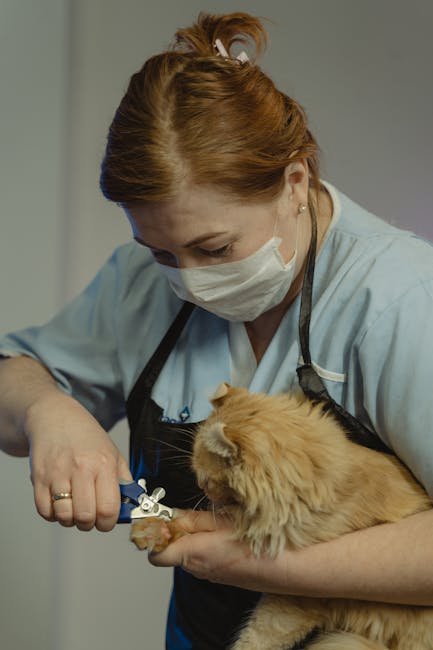
Nail Trimming
Keeping your Snowshoe’s nails trimmed is essential to avoid painful scratches and paw infections. If you let their nails grow too long, they can curl and dig into the paw pads, causing discomfort or even limping.
Trim nails every two to three weeks using a pet-specific nail clipper. Take care not to cut too close to the quick, the sensitive part of the nail. If you’re unsure, ask your vet or groomer for a quick demo. How often have you checked your cat’s nails recently?
Environmental Safety
Environmental safety plays a crucial role in maintaining the health of your Snowshoe cat. These cats are curious by nature, which means they often explore every nook and cranny. Ensuring their surroundings are safe can prevent many common health problems related to accidents or exposure to harmful substances.
Safe Indoor Spaces
Creating a safe indoor environment means removing or securing items that could harm your Snowshoe. Sharp objects, toxic plants, and small items they might swallow should be out of reach. Consider using cord organizers to prevent chewing on electrical wires, which can cause serious injuries.
Have you noticed your cat rubbing against certain furniture or scratching specific spots? These behaviors could indicate discomfort or hidden dangers like splinters or rough surfaces. Regularly inspect your home to keep it cozy and safe.
Outdoor Supervision
Taking your Snowshoe outside can be fun and enriching, but it requires careful supervision. Always use a harness and leash to control their movement and prevent escapes. Outdoor areas should be checked for pesticides, sharp tools, and toxic plants before letting your cat explore.
Remember, predators and traffic pose real threats outside. Watching your cat closely and limiting outdoor time to safe, enclosed spaces can help avoid injuries and stress. How often do you monitor your cat’s outdoor activities to ensure their safety?
Frequently Asked Questions
What Common Health Issues Affect Snowshoe Cats?
Snowshoe cats often face respiratory infections, dental problems, and obesity. Regular vet visits help detect these early. Maintaining a balanced diet and proper hygiene supports their overall health.
Are Snowshoe Cats Prone To Genetic Disorders?
Yes, Snowshoe cats can inherit genetic conditions like hypertrophic cardiomyopathy. Responsible breeders screen for these issues to reduce risks. Early diagnosis and treatment improve their quality of life.
How Can I Prevent Obesity In My Snowshoe Cat?
Provide portion-controlled meals and encourage daily play. Obesity increases risks of diabetes and joint problems. Regular exercise and a balanced diet keep your Snowshoe cat healthy.
What Signs Indicate Dental Problems In Snowshoe Cats?
Look for bad breath, drooling, and difficulty eating. Dental disease is common in Snowshoe cats. Regular dental check-ups and cleanings prevent serious oral health issues.
Conclusion
Snowshoe cats need regular health care to stay happy. Watch for signs of common problems early. Visit the vet often to catch issues fast. A healthy cat is a joyful friend. Keep their diet good and their environment safe. Simple care helps prevent many health troubles.
Stay informed to give your Snowshoe the best life. Small steps make a big difference in their well-being. Caring for them shows your love every day.
