

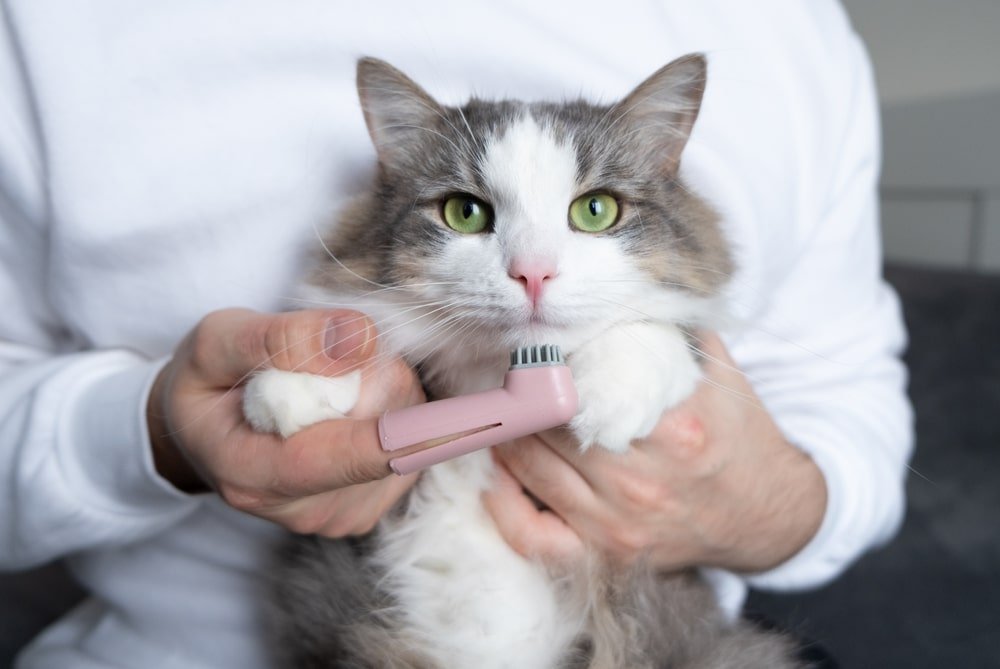
Grooming your cat might seem like a simple task, but it’s more than just keeping them clean. When you know how to groom your cat properly, you’re helping them stay healthy, comfortable, and happy.
Imagine fewer hairballs, less shedding, and a closer bond with your furry friend—all from just a few easy steps. Ready to discover how you can make grooming a stress-free and enjoyable part of your routine? Keep reading, and you’ll learn the tips and tricks every cat owner needs to know.
Benefits Of Regular Grooming
Regular grooming offers many benefits for your cat’s health and happiness. It helps keep your pet clean and comfortable. Grooming sessions also catch problems early, like skin issues or parasites. Your cat feels cared for and relaxed during these moments. Let’s explore the key benefits of grooming your cat often.
Health Improvements
Grooming helps remove dirt and dead skin from your cat’s coat. It reduces the risk of skin infections and irritation. Brushing also spreads natural oils that keep fur shiny and soft. Checking your cat’s body regularly helps spot lumps, bumps, or ticks early. Healthy skin means a happier cat with fewer vet visits.
Reducing Shedding
Brushing your cat cuts down loose fur around the house. It traps hair before it falls on furniture and floors. Regular grooming controls hairballs by removing loose hairs your cat might swallow. Less shedding means a cleaner home and less mess to clean up.
Bonding With Your Cat
Grooming builds trust between you and your cat. It creates quiet, calm moments that your cat enjoys. Your cat learns to relax and feel safe during grooming. This time together strengthens your relationship. A well-groomed cat often feels more loved and secure.
Choosing The Right Tools
Choosing the right tools is essential to make grooming your cat a smooth and enjoyable experience. The right equipment not only helps keep your cat’s coat healthy but also reduces stress for both of you. Knowing what tools work best for your cat’s specific needs can save you time and effort.
Brush Types For Different Coats
Different cats have different coat types, and each requires a specific kind of brush. For short-haired cats, a rubber brush or a bristle brush works well to remove loose hair and dirt. Long-haired cats benefit from slicker brushes that can untangle knots and prevent matting.
I once tried using a slicker brush on my short-haired cat, and it stressed her out. Switching to a rubber brush made grooming quicker and more pleasant for both of us. Think about your cat’s coat length and texture before picking a brush.
Combs And Nail Clippers
Combs help with precision grooming, especially around sensitive areas like the face and paws. A fine-toothed comb can catch small tangles and debris that brushes might miss. Regular nail clipping is also vital to prevent scratches and keep your cat comfortable.
Choose nail clippers that fit comfortably in your hand and have a sharp, precise blade. Dull clippers can crush nails and cause pain, making your cat wary of grooming. Have you checked your cat’s nails recently?
Grooming Gloves And Accessories
Grooming gloves offer a gentle alternative for cats who resist brushes. They allow you to pet your cat while removing loose fur, making grooming feel like playtime. Accessories like de-shedding tools can help reduce shedding significantly, especially during seasonal changes.
Try different gloves or tools to find what your cat enjoys most. Sometimes, the best tool is the one that keeps your cat calm and cooperative. What grooming accessory has surprised you with how well it works?
Preparing Your Cat For Grooming
Getting your cat ready for grooming is key to making the process smooth and stress-free. Cats can be sensitive to touch and new experiences, so setting the right tone beforehand helps build trust. It’s not just about the tools you use but how you approach your furry friend that makes all the difference.
Creating A Calm Environment
Start by choosing a quiet, comfortable space where your cat feels safe. Avoid loud noises or sudden movements that might startle them.
Dim lighting or natural light works best to keep the atmosphere relaxed. If your cat has a favorite blanket or bed, bring it along to help them feel secure.
Have all your grooming supplies within reach to avoid interruptions. This keeps the session steady and prevents your cat from becoming anxious.
Handling Techniques
Approach your cat slowly and speak softly to gain their confidence. Let them sniff your hands before you begin any grooming.
Use gentle, steady strokes rather than quick or jerky movements. Support their body properly to make them feel stable and cared for.
Try to keep your sessions short at first—just a few minutes—and gradually increase the time as your cat becomes more comfortable. Patience here is your best tool.
Recognizing Stress Signals
Watch for signs like flattened ears, twitching tails, or dilated pupils. These indicate your cat might be feeling uneasy or scared.
Vocalizations such as hissing, growling, or yowling are clear warnings to pause or stop the grooming. Respect these signals to avoid damaging your bond.
Sometimes, a quick break or a favorite treat can help calm your cat down. Can you spot these signs early enough to adjust your approach?
Credit: petdirect.co.nz
Step-by-step Grooming Process
Grooming your cat keeps its coat clean and healthy. It also helps you notice any skin issues early. A regular grooming routine builds trust and reduces shedding around the house. Follow this simple process to make grooming easy and effective.
Brushing Techniques
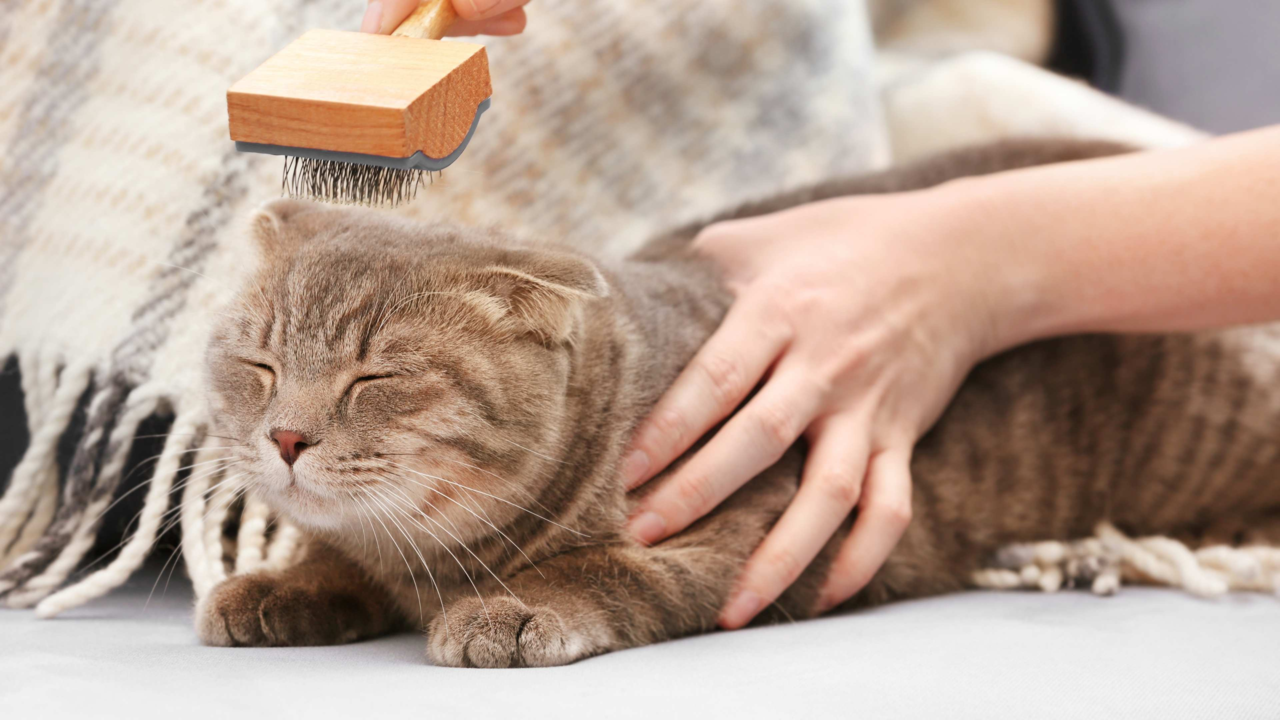
Choose a brush that suits your cat’s fur type. Use gentle strokes to avoid hurting your cat. Start brushing from the head and move toward the tail. Focus on areas where hair mats easily, like behind ears and under the legs. Brush a few minutes each day for best results.
Bathing Tips
Bathing is rarely needed unless your cat is very dirty. Use a cat-safe shampoo and lukewarm water. Keep water away from the eyes and ears. Wet the fur slowly and lather gently. Rinse well to remove all shampoo. Dry your cat with a soft towel in a warm room.
Nail Trimming
Use special cat nail clippers. Hold your cat’s paw gently but firmly. Trim only the sharp tip of each nail. Avoid cutting the pink part called the quick. If unsure, trim a little at a time. Reward your cat with treats to make it pleasant.
Ear And Eye Care
Check ears for dirt or wax. Use a soft cloth or cotton ball dampened with a vet-approved cleaner. Wipe gently and avoid deep cleaning. For eyes, wipe away discharge with a damp cloth. Use a clean area of the cloth for each eye to prevent infection.
Dealing With Common Grooming Challenges
Grooming your cat can present some challenges that need patience and care. Cats have different fur types and skin conditions that require special attention. Knowing how to handle these common issues makes grooming easier for you and safer for your cat. This section covers key grooming challenges and simple ways to manage them effectively.
Handling Matted Fur
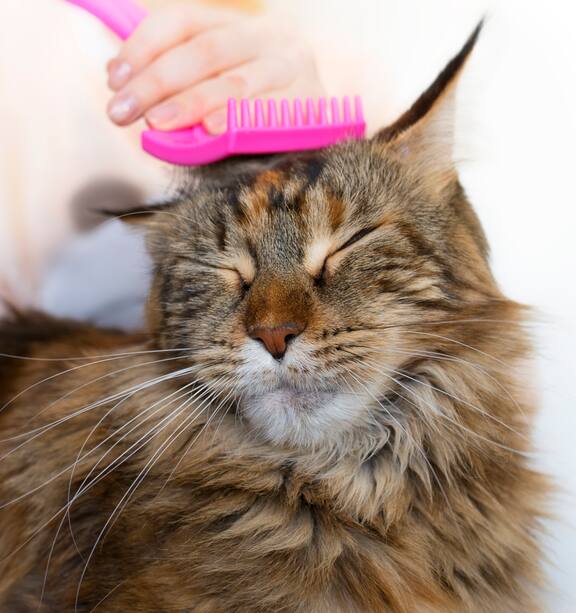
Matted fur forms when hair tangles tightly. It causes discomfort and skin problems. Use a wide-tooth comb to gently detangle mats. Start at the edges and work slowly toward the skin. For severe mats, consider trimming with care or seek a professional groomer. Regular brushing helps prevent mats from forming.
Managing Shedding Seasons
Shedding increases during seasonal changes. Cats lose old fur to make way for new growth. Brush your cat daily to remove loose hairs. Use a deshedding tool designed for cats. Keep your home clean by vacuuming often. Feeding a healthy diet supports skin and coat health, reducing excessive shedding.
Addressing Skin Issues
Skin problems cause itching, redness, or hair loss. Check your cat’s skin regularly for signs of irritation. Use gentle grooming products made for sensitive skin. Avoid harsh shampoos that dry out the skin. Consult a vet if you notice persistent rashes, sores, or unusual behavior. Early care helps prevent serious skin conditions.
Credit: www.nzherald.co.nz
Diet And Supplements For A Shiny Coat
A shiny, healthy coat is a clear sign that your cat is thriving inside and out. What your cat eats plays a huge role in how their fur looks and feels. Adjusting their diet and adding the right supplements can make a noticeable difference in their coat’s shine and softness.
Essential Nutrients
Proteins are the building blocks of your cat’s fur. Make sure their food contains high-quality animal protein like chicken, turkey, or fish to support fur growth and repair.
Omega-3 and omega-6 fatty acids are crucial for skin health and a glossy coat. These fats help reduce dryness and itching, making your cat’s fur smoother and less prone to shedding.
Vitamins such as A, E, and biotin work together to keep the skin moisturized and promote fur strength. Check your cat’s food label to ensure these nutrients are included in balanced amounts.
Recommended Supplements
If your cat’s diet lacks some nutrients, supplements can fill the gap effectively. Fish oil capsules or liquid supplements rich in omega-3 are popular choices that enhance coat shine.
Adding a vitamin E supplement can protect your cat’s skin from oxidative damage and improve fur condition. Just be cautious with dosages; consult your vet before starting any new supplement.
Probiotics also support healthy digestion, which indirectly benefits your cat’s skin and coat. A happy gut often means a healthier appearance overall.
Hydration Tips
Hydration is often overlooked but essential for a shiny coat. Water keeps your cat’s skin hydrated and prevents dryness that leads to dull fur.
Try offering wet food or adding water to dry kibble to increase your cat’s fluid intake. Some cats prefer water fountains, which can encourage them to drink more.
How often do you check if your cat is drinking enough water? Small changes in hydration can lead to big improvements in coat health.
When To Seek Professional Grooming
Knowing when to seek professional grooming for your cat can save you stress and keep your feline friend comfortable. Some grooming needs go beyond what you can manage at home, especially if your cat has thick fur, medical issues, or simply hates being brushed. Recognizing these moments early helps prevent matting, skin problems, and behavioral stress.
Signs Your Cat Needs Help
Watch for signs like severe matting that you can’t detangle, persistent bad odor, or excessive shedding. If your cat starts scratching more than usual or shows redness and irritation, it might be time to call a professional. Also, older cats or those with mobility issues may struggle to groom themselves properly, which could lead to hygiene problems.
Choosing A Groomer
Look for a groomer with experience in handling cats specifically, not just dogs. Ask for recommendations from your vet or fellow cat owners to find someone trustworthy. Visit the grooming salon beforehand to check cleanliness and how staff interact with animals. Don’t hesitate to discuss your cat’s temperament and special needs to ensure they can provide the right care.
Preparing For A Grooming Appointment
Help your cat feel comfortable by introducing the grooming tools and smells at home before the visit. Keep your cat calm and relaxed on the day of the appointment by giving extra attention and treats. Bring any relevant health records and inform the groomer about your cat’s habits or fears to make the experience smoother.

Credit: www.angiesmobilepetstyling.com
Frequently Asked Questions
How Often Should I Groom My Cat?
Cats should be groomed at least once a week. Long-haired cats need daily grooming. Regular grooming prevents mats, reduces shedding, and keeps skin healthy.
What Tools Are Best For Cat Grooming?
Use a soft-bristle brush, comb, and nail clippers. Choose tools suitable for your cat’s fur type. Proper tools make grooming effective and comfortable.
Can Grooming Reduce My Cat’s Hairballs?
Yes, grooming removes loose fur that cats ingest. Regular brushing lowers hairball formation and digestive issues. It also promotes healthy skin and coat.
How Do I Calm My Cat During Grooming?
Use a gentle voice and slow movements. Start grooming sessions short, gradually increasing time. Reward your cat with treats to create positive associations.
Conclusion
Regular grooming keeps your cat healthy and happy. It reduces shedding and prevents mats. Brushing helps spot skin problems early. Use the right tools for your cat’s fur type. Make grooming a calm, positive time together. Small daily efforts create big benefits over time.
Your cat will enjoy the care and attention. Start today to build a strong bond. Grooming is more than looks—it’s love in action.
