

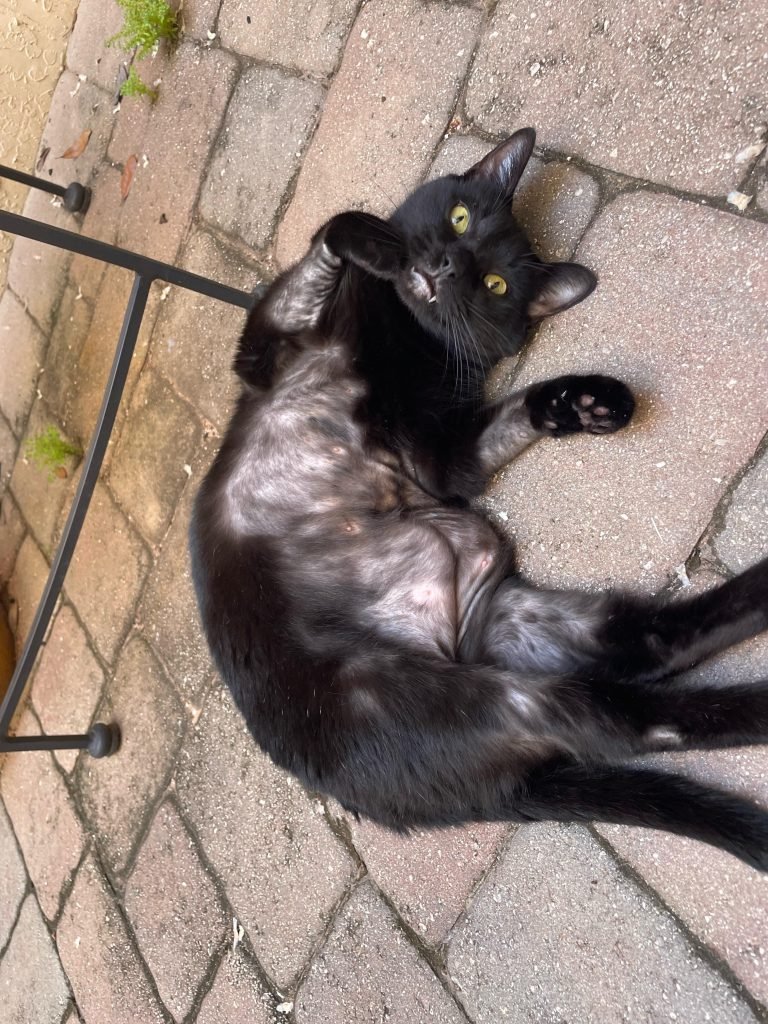
Is your cat spending too much time licking and biting their fur? Over grooming can lead to sore spots, hair loss, and discomfort for your furry friend.
You might feel worried and unsure about what’s causing this behavior or how to stop it. The good news is, you can help your cat feel better and regain their healthy coat. You’ll discover simple, effective steps to understand why your cat over grooms and how to gently bring them back to normal grooming habits.
Keep reading to protect your cat’s health and happiness—you won’t want to miss these helpful tips!

Credit: pennypaws.com
Causes Of Over Grooming
Over grooming in cats can be a sign of several underlying issues. Understanding the causes helps to address the problem effectively. Cats groom to stay clean, but excessive grooming can lead to hair loss and skin damage. It is important to identify the root cause to help your cat feel better and stop over grooming.
Stress And Anxiety
Cats often over groom due to stress or anxiety. Changes in their environment can trigger this behavior. Loud noises, new pets, or moving house can make cats nervous. Grooming acts as a coping mechanism to reduce tension. Recognizing stress factors is key to calming your cat.
Allergies And Skin Conditions
Allergies cause itching and discomfort that lead to over grooming. Cats can react to food, pollen, or chemicals in their surroundings. Skin conditions like dermatitis or eczema also cause irritation. These problems make cats lick or scratch excessively to soothe their skin.
Parasites And Infections
Fleas, mites, and other parasites cause severe itching. They irritate the skin and cause cats to over groom. Bacterial or fungal infections can also trigger this behavior. Checking for parasites and treating infections helps stop the excessive grooming.
Boredom And Lack Of Stimulation
Inactive cats may over groom out of boredom. Without enough play or mental stimulation, grooming becomes a repetitive habit. Cats need toys, interaction, and exercise to stay happy. Providing activities reduces boredom and the urge to over groom.
:strip_icc()/spruce-pets-cat-bathroom-7b6ae6d8f3d940b9a82141be03734144.png)
Credit: www.thesprucepets.com
Signs To Watch For
Noticing early signs of over grooming in your cat is important. It helps you act quickly to prevent serious skin issues. Cats usually groom themselves to stay clean. But too much grooming can signal a problem.
Watch your cat closely. Small changes in their fur or behavior can tell you a lot. These signs often show before the skin gets damaged. Knowing what to look for saves your cat from pain and discomfort.
Bald Patches And Redness
Bald patches appear when your cat pulls out fur by licking or chewing. These areas may look shiny or raw. Redness often shows around the bald spots. It means the skin is irritated or inflamed. Check your cat’s body, especially legs, belly, and neck. These spots can get bigger if not treated.
Excessive Licking And Chewing
Notice if your cat licks or chews one area too much. Normal grooming is quick and gentle. Over grooming is long and intense. You might hear licking noises often. Cats may also bite their skin hard. This behavior can cause wounds and scabs. It may happen more when your cat feels stressed or bored.
Behavioral Changes
Over grooming often links to stress or anxiety. Your cat may seem restless or nervous. They might hide more or avoid interaction. Some cats become aggressive or vocal. Changes in eating or sleeping habits can also occur. These behaviors show your cat is uncomfortable or upset.
Veterinary Diagnosis
Veterinary diagnosis plays a key role in stopping a cat from over grooming. Over grooming often signals an underlying health or behavioral issue. A vet helps find the exact cause through careful examination and tests.
Early diagnosis can prevent further skin damage and discomfort for your cat. Understanding the root problem allows for targeted treatment. This section covers the main diagnostic steps vets use.
Skin Tests And Allergy Screening
Vets often start with skin tests to check for infections or irritations. They look for redness, sores, or hair loss areas. Allergy screening helps identify reactions to food, pollen, or dust mites.
Common tests include:
- Skin scrapings to find mites or fungi
- Patch tests to detect contact allergies
- Blood tests for food allergies
These tests narrow down causes and guide treatment choices.
Parasite Checks
Parasites often cause intense itching and over grooming. Vets check for fleas, ticks, and mites using close skin inspection. They may use microscope examination of skin scrapings or fur samples.
- Flea combing to spot flea dirt or live fleas
- Microscopic analysis to detect mites or lice
- Fecal exams to rule out intestinal parasites
Detecting parasites early stops irritation and skin damage.
Behavioral Assessment
Sometimes, over grooming results from stress or anxiety. Vets observe your cat’s behavior and ask about its environment. Changes in routine or conflicts can trigger excessive licking.
Key points of assessment include:
- Daily activity and play patterns
- Social interaction with humans and other pets
- Environmental stressors like noise or confinement
Identifying behavioral causes helps create a calming plan for your cat.
:strip_icc()/the-kitty-1011094438-5c3d1af5c9e77c00015e66a6.jpg)
Credit: www.thesprucepets.com
Home Care Strategies
Stopping your cat from over grooming starts at home with simple yet effective care strategies. These approaches focus on making your cat’s environment comfortable and engaging, which can reduce the urge to groom excessively. Let’s look at practical steps you can take every day to help your furry friend feel relaxed and happy.
Environmental Enrichment
Is your cat bored or restless? Over grooming often happens when cats lack stimulation. Adding toys, scratching posts, and climbing shelves can keep your cat busy and mentally sharp.
Try rotating toys regularly to keep things fresh. Hide treats around the house to encourage natural hunting behaviors. Even a window perch can provide exciting views and reduce boredom.
Regular Grooming
Sometimes your cat over grooms because they feel itchy or uncomfortable. Brushing your cat daily can help remove loose fur and prevent skin irritation. It also strengthens your bond and calms your cat.
If your cat dislikes brushing, start slow with gentle strokes and reward them afterward. Pay attention to problem areas where your cat tends to over groom, and be gentle to avoid causing discomfort.
Stress Reduction Techniques
Stress is a major trigger for over grooming. Have you noticed if your cat’s behavior changes during loud noises or new visitors? Creating a quiet, safe space can help your cat feel secure.
Try using pheromone diffusers or calming sprays designed for cats. Regular playtime and maintaining a consistent routine also reduce anxiety. Remember, your calm presence can soothe your cat more than you might think.
Medical Treatments
Medical treatments play a key role in stopping a cat from over grooming. Over grooming can signal health problems that need proper care. Vets use various treatments to reduce itching and discomfort. These treatments help cats feel better and prevent skin damage.
Medications And Topical Treatments
Vets may prescribe medications to ease over grooming. These include anti-inflammatory drugs to calm irritated skin. Antihistamines help reduce allergic reactions. Sometimes, corticosteroids are given for severe inflammation. Topical treatments like medicated shampoos or creams soothe skin directly. These help heal wounds caused by excessive licking.
Allergy Management
Allergies often cause cats to groom too much. Identifying allergens is important to stop this behavior. Vets may suggest special diets free of common allergens. Environmental changes can reduce exposure to dust or pollen. Allergy shots or medications may also be needed. Managing allergies lowers itchiness and reduces grooming urges.
Parasite Control
Parasites like fleas trigger intense itching in cats. Flea infestations cause constant scratching and grooming. Vets recommend flea control products for quick relief. These include topical drops, collars, and oral treatments. Regular parasite control prevents reinfestation and skin problems. Treating parasites stops discomfort and helps normal grooming habits return.
Behavioral Training
Behavioral training plays a key role in stopping your cat from over grooming. This habit often stems from stress, boredom, or anxiety, so changing your cat’s behavior can significantly reduce the problem. Training helps redirect your cat’s focus and provides healthier ways to cope with their feelings.
Distraction Techniques
When your cat starts over grooming, gently distract them with toys or activities. Use interactive toys like feather wands or laser pointers to capture their attention. This not only breaks the cycle of excessive grooming but also keeps their mind and body engaged.
Try introducing puzzle feeders or treat-dispensing toys to challenge your cat mentally. This gives them something to focus on besides licking themselves. Have you noticed how your cat calms down when they are busy playing? That’s your cue to use distraction as a tool.
Positive Reinforcement
Reward your cat whenever they stop grooming excessively or play calmly. Use treats, petting, or gentle praise to encourage good behavior. Cats respond well to positive feedback, so make sure to reward immediately after the desired behavior.
Consistency is crucial. If your cat learns that stopping over grooming leads to rewards, they will naturally reduce the habit. Have you tried timing your rewards right after your cat stops licking? That’s when positive reinforcement works best.
Creating A Safe Space
Your cat needs a secure and quiet area to relax and feel safe. Over grooming often signals stress, so providing a calm environment can ease their anxiety. Set up a cozy corner with soft bedding, hiding spots, and familiar scents.
Consider using pheromone diffusers designed to calm cats. These can make your cat feel more at ease and less likely to over groom. How does your cat behave in a quiet, comfortable space? Observing this can help you adjust their environment for better behavior.
When To Seek Professional Help
Knowing when to seek professional help for your cat’s over grooming is crucial. Sometimes, despite your best efforts, the issue might need expert attention to prevent further harm. Recognizing the signs that indicate it’s time to visit the vet can save your cat from serious discomfort and long-term problems.
Signs Of Infection Or Worsening Condition
Look closely at your cat’s skin. If you notice redness, swelling, or pus, these are signs of infection that require immediate veterinary care. Open wounds or scabs that don’t heal within a few days also indicate the problem is getting worse.
Watch for your cat licking or biting the same spot repeatedly, even after basic treatments. This behavior can worsen skin damage and spread bacteria. Have you seen your cat’s fur thinning rapidly or patches turning bald? These symptoms often need professional diagnosis and treatment.
Persistent Behavioral Issues
If your cat continues to over groom despite environmental changes and your attempts to reduce stress, it’s time to consult a behavior specialist or vet. Over grooming often links to anxiety, allergies, or other underlying health problems that only experts can properly identify.
Have you tried calming products or changes in routine without success? Persistent scratching or grooming can indicate deeper issues like compulsive behavior or pain. A vet can recommend therapies, medications, or behavioral strategies tailored to your cat’s needs.
Frequently Asked Questions
Why Is My Cat Over Grooming Itself?
Cats over groom due to stress, allergies, or skin infections. Identifying the cause helps in effective treatment and prevention.
How Can I Stop My Cat From Over Grooming?
Provide a calm environment, regular play, and check for allergies. Consult a vet for persistent over grooming issues.
Can Diet Affect My Cat’s Grooming Behavior?
Yes, poor diet can cause skin problems leading to over grooming. A balanced diet supports healthy skin and fur.
When Should I See A Vet For Over Grooming?
If over grooming causes hair loss or sores, consult a vet. Early diagnosis prevents complications and treats underlying problems.
Conclusion
Stopping your cat from over grooming takes patience and care. Watch your cat’s behavior closely. Offer plenty of toys and playtime to reduce stress. Keep your cat’s environment calm and safe. Check with a vet to rule out health problems.
Gentle grooming can help redirect your cat’s attention. Small steps make a big difference over time. Your cat will feel better and healthier soon. Caring for your cat’s needs is the key to success.
