

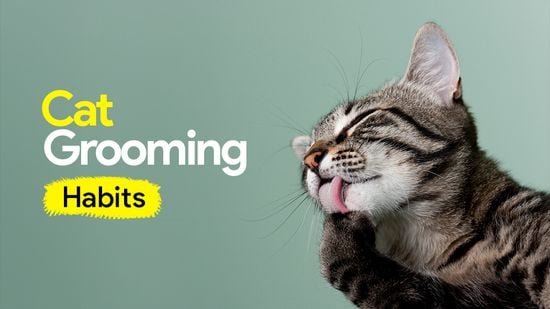
If you want your cat to look and feel its best, grooming is a must. But how often should you be brushing those soft fur strands or checking for tangles?
Getting this right can save you from dealing with mats, hairballs, or skin problems later on. You’ll discover the perfect grooming routine tailored to your cat’s unique needs. Keep reading to learn simple tips that will make grooming easy and enjoyable for both you and your furry friend.
Grooming Basics For Cats
Grooming is an important part of caring for a cat. It keeps their coat healthy and skin clean. Regular grooming helps spot health problems early. It also reduces shedding and hairballs. Understanding the basics of grooming makes the process easier and more enjoyable for both of you.
Why Grooming Matters
Grooming helps remove dirt and loose fur. It prevents mats and tangles that can hurt your cat. Brushing spreads natural oils, making fur shiny and soft. Grooming also strengthens the bond between you and your cat. It keeps their skin healthy by removing dead cells. Regular checks during grooming can find fleas or skin issues early.
Types Of Cat Fur
Cats have different fur types that need special care. Short-haired cats need less grooming but still benefit from brushing. Long-haired cats require daily brushing to prevent mats. Some cats have dense undercoats that shed seasonally. Hairless cats need skin care instead of fur grooming. Knowing your cat’s fur type helps choose the best grooming routine.
Essential Grooming Tools
Using the right tools makes grooming easier and more effective. These are some basics:
- Brush:A slicker brush works well for most cats.
- Comb:Helps remove tangles and check for fleas.
- Nail clippers:Keeps claws trimmed and safe.
- Grooming gloves:Good for sensitive or shy cats.
- Pet wipes:Clean paws and face gently.
Choose tools that fit your cat’s size and fur type. Regular use helps keep your cat comfortable and healthy.

Credit: www.latimes.com
Frequency For Short-haired Cats
Short-haired cats generally require less grooming than their long-haired friends, but how often you groom your feline depends on several factors. Keeping up with regular grooming sessions helps maintain your cat’s coat health and reduces hairballs. Let’s look at how often you should groom your short-haired cat and what affects that frequency.
Daily Vs Weekly Grooming
Short-haired cats usually do fine with weekly brushing, which helps remove loose fur and distribute natural oils. However, some cats enjoy daily grooming because it doubles as bonding time and keeps their coat sleek.
If your cat sheds a lot or spends time outdoors, daily grooming might be better to control loose hair and dirt. On the other hand, if your cat grooms itself well and has minimal shedding, once a week is enough to keep the coat shiny and healthy.
Shedding Seasons
Shedding seasons, typically spring and fall, change grooming needs significantly. During these times, your short-haired cat can shed more than usual, making more frequent grooming necessary.
Increasing grooming to every other day or even daily during shedding seasons helps catch loose hairs before they spread around your home. It also reduces the chance of hairballs, which can upset your cat’s digestion.
Have you noticed your cat shedding more after a change in weather? Adjusting grooming frequency based on these natural cycles keeps your cat comfortable and your home cleaner.
Frequency For Long-haired Cats
Long-haired cats require more frequent grooming compared to their short-haired counterparts. Their luxurious coats can easily trap dirt, debris, and loose hair, which makes regular care essential. Understanding how often to groom your long-haired feline helps keep their coat healthy and comfortable.
Daily Brushing Benefits
Brushing your long-haired cat every day prevents hair from matting and reduces shedding around your home. It also helps distribute natural oils through the fur, keeping the coat shiny and soft.
From my experience, daily brushing turned grooming into a bonding moment with my Maine Coon. It not only calmed him but also made his coat noticeably healthier within weeks. Could a few minutes each day improve your cat’s wellbeing too?
Preventing Mats And Tangles
Mats and tangles can cause discomfort and skin problems if left untreated. Long-haired cats are prone to these, especially behind the ears, under the legs, and around the collar area.
Regular grooming breaks up knots before they form tight mats. If you notice any mats, gently work them out with your fingers or a specialized comb rather than pulling hard, which can hurt your cat. How often do you check these hidden spots during grooming?

Credit: www.latimes.com
Special Grooming Needs
Cats have unique grooming needs beyond regular brushing. Special care depends on their age, health, and lifestyle. Paying attention to these needs helps keep cats comfortable and healthy.
Senior Cats
Older cats may groom less due to arthritis or weakness. Their fur can become matted or greasy. Grooming sessions should be gentle and frequent. Check for skin issues or lumps during grooming. Use soft brushes to avoid hurting their sensitive skin.
Cats With Health Issues
Cats with health problems need extra grooming care. Conditions like obesity or dental disease can reduce self-cleaning. They might require daily brushing to prevent mats. Watch for signs of pain or discomfort. Consult a vet for specialized grooming advice.
Kittens
Kittens need gentle grooming to get used to touch. Start with short brushing sessions. Use soft brushes designed for young cats. This helps them stay clean and build trust. Early grooming supports healthy coat development.
Bathing Your Cat
Bathing your cat is often a topic that sparks mixed feelings among cat owners. While cats are known for their self-cleaning abilities, there are times when a bath becomes necessary to keep them healthy and comfortable. Understanding when and how to bathe your cat can make this experience less stressful for both of you.
When To Bathe
Most cats don’t need frequent baths because they groom themselves very well. However, certain situations call for bathing:
- Your cat has gotten into something sticky, oily, or toxic.
- They have a skin condition that requires medicated baths.
- They are elderly or obese and can’t groom themselves properly.
- Shedding season or allergies lead to excessive dirt or dander buildup.
Have you noticed your cat smelling unusually bad or their fur feeling greasy? That’s a sign it might be time for a bath.
Bathing Tips
Giving your cat a bath doesn’t have to be a battle. Prepare everything before you start—warm water, cat-friendly shampoo, a towel, and a calm space.
- Use lukewarm water to keep your cat comfortable.
- Keep water away from their ears and eyes to avoid irritation.
- Speak softly and move gently to help them stay calm.
- Rinse thoroughly to remove all shampoo residue, which can irritate skin.
- Dry your cat with a towel immediately after the bath to prevent chills.
Have you tried gently brushing your cat before the bath? It can reduce loose fur and make washing easier.
Credit: pethelpful.com
Signs Your Cat Needs Grooming
Knowing when your cat needs grooming can save you from unexpected tangles and discomfort for your furry friend. Cats are usually good at self-cleaning, but certain signs indicate they need your help. Paying attention to these signals can improve your cat’s health and happiness.
Behavioral Changes
Have you noticed your cat scratching more than usual or avoiding being touched? These behaviors often mean your cat feels itchy or uncomfortable due to matted fur or dirt buildup. Sometimes, a cat may hide or become less active because grooming issues cause irritation.
My cat once started avoiding playtime and seemed restless. After a closer look, I found mats forming under her legs that she couldn’t reach. Helping her groom not only relieved her discomfort but also brought back her playful spirit.
Physical Indicators
Look for visible signs like clumps of fur, dandruff, or oily patches. These can show that your cat’s coat isn’t getting the care it needs. Also, check for hairballs or excessive shedding, which may suggest grooming is overdue.
Sometimes, you may spot dirt or debris stuck in their fur, especially around the neck and belly. If your cat’s fur looks dull instead of shiny, it’s a clear sign to grab that brush. Have you checked your cat’s coat recently?
Professional Grooming Services
Professional grooming services offer expert care for your cat’s coat and health. Groomers use the right tools and techniques to keep cats clean and comfortable. They can handle tough mats and delicate areas safely. Regular professional grooming helps prevent skin problems and keeps shedding under control. It is a smart choice for cats with long fur or special needs.
When To Seek Help
Seek professional grooming if your cat has severe mats or tangles. Cats with thick or long fur may need help every few months. Older cats or those with health issues might struggle with self-grooming. Notice signs like skin irritation, bad odor, or heavy shedding. If grooming causes stress or injury, a groomer can provide safe care.
Choosing A Groomer
Choose a groomer with experience in cat care. Look for a clean, calm environment where cats feel safe. Ask about their tools and grooming methods. Check reviews or ask for recommendations from your vet or friends. A good groomer listens to your concerns and adapts to your cat’s needs. Confirm they handle emergencies and know cat behavior well.
Frequently Asked Questions
How Often Should Short-haired Cats Be Groomed?
Short-haired cats should be groomed once a week. This helps remove loose fur and reduces shedding. Regular grooming also prevents hairballs and keeps their coat healthy and shiny.
When Should Long-haired Cats Be Groomed?
Long-haired cats require grooming at least 3 to 4 times a week. Frequent brushing prevents matting and tangles. It also promotes good skin health and reduces hairballs.
Can Grooming Improve My Cat’s Health?
Yes, grooming improves your cat’s health by removing dirt and loose fur. It stimulates blood circulation and helps detect skin issues early. Grooming also reduces stress and strengthens your bond with your cat.
How Do I Know If My Cat Needs More Grooming?
If your cat has mats, excessive shedding, or dry skin, it needs more grooming. Frequent grooming prevents discomfort and skin problems. Watch for behavioral changes like scratching or licking too much.
Conclusion
Regular grooming keeps your cat healthy and happy. Long-haired cats need brushing more often than short-haired ones. Start grooming early to help your cat get used to it. Watch for signs like mats or shedding to know when to brush.
Clean ears and trim nails during grooming sessions. A calm routine strengthens your bond with your cat. Remember, gentle care makes grooming easy and stress-free. Keep your cat comfortable by grooming on a schedule that fits their needs. Healthy fur means a happier cat.
