

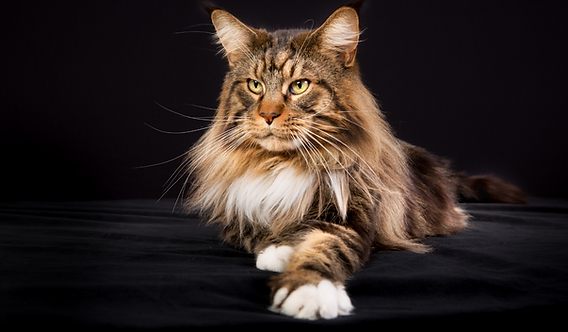
Are you fascinated by cats with flowing fur that seems to go on forever? Long cat breeds are not just beautiful—they bring a unique charm and personality to your home.
If you’ve ever wondered which cats have the longest, softest coats or how to care for them, you’re in the right place. This article will guide you through the most stunning long-haired cats, helping you find the perfect furry friend that fits your lifestyle.
Keep reading, and discover the secrets to loving and caring for these elegant companions.
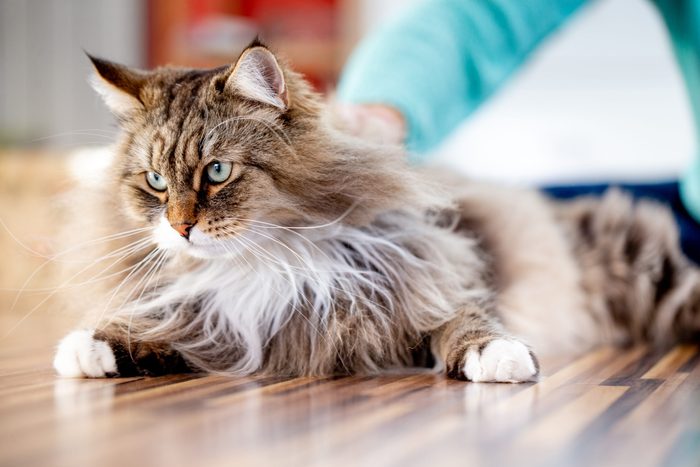
Credit: www.rd.com
Top Long Cat Breeds
Long cat breeds captivate with their elegant fur and striking presence. Their lush coats often demand extra care, but the reward is a pet that feels like a living work of art. If you’re thinking about welcoming a long-haired feline friend, knowing which breeds stand out can guide your choice.
Maine Coon
The Maine Coon is often called the gentle giant of the cat world. Their thick, water-resistant fur keeps them warm in cold climates, making them perfect for owners in chillier regions.
They’re playful and intelligent, often learning tricks and enjoying interactive toys. Have you ever seen a cat that can “talk” back? Maine Coons often chirp or trill, creating a unique bond with their owners.
Norwegian Forest Cat
This breed boasts a dense double coat designed for harsh Scandinavian winters. Their fur is less prone to matting than some other long-haired cats, which is a bonus if you prefer less grooming.
They’re independent but affectionate, offering a perfect balance if you want a cat that’s both cuddly and low-maintenance. How much independence do you want from your feline companion?
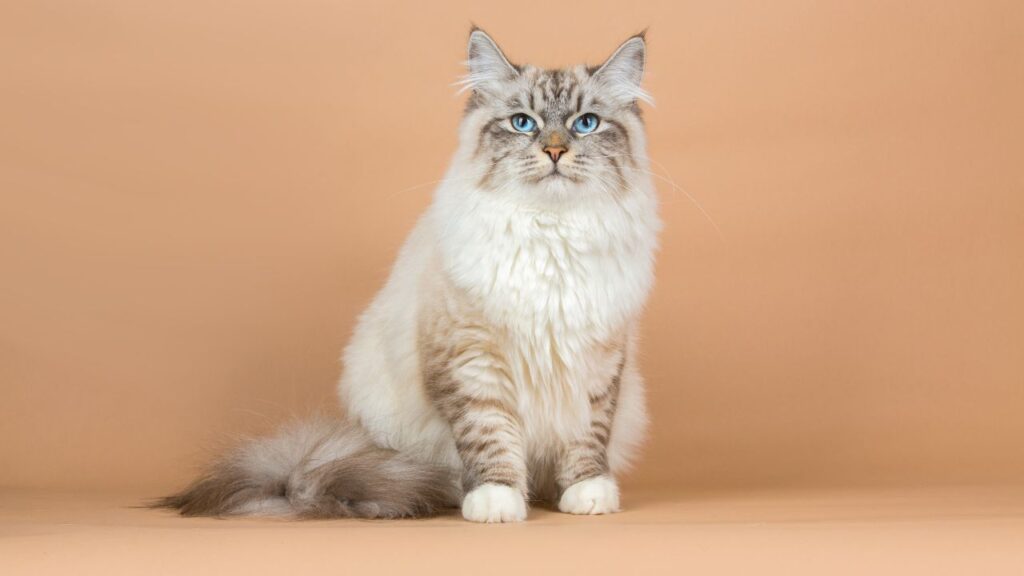
Siberian Cat
Siberians have a luxurious triple coat that makes them look like tiny lions. Despite their thick fur, they are surprisingly agile and love to climb and explore.
Many owners report these cats are hypoallergenic to some extent, which can be a game-changer if allergies are a concern. Could a Siberian be the long-haired cat that fits your household?
Turkish Angora
Known for their silky, fine coats, Turkish Angoras require less grooming than you might expect. Their elegant appearance is matched by a lively and curious personality.
These cats thrive on interaction and can get bored without enough playtime. Are you ready to keep up with a cat that’s as playful as it is beautiful?
Ragdoll
Ragdolls are famous for their soft, plush fur and striking blue eyes. Their fur is less dense but still long, making grooming manageable for many owners.
They tend to go limp when held, which shows their trusting nature. If you want a calm, affectionate cat that loves to be part of family activities, Ragdolls often fit the bill perfectly.
Physical Traits Of Long-haired Cats
Long-haired cats have unique physical traits that set them apart from other feline breeds. Their luxurious fur is often the first thing people notice. These traits make them elegant and charming companions. Understanding their physical features helps in better care and appreciation.
Coat Texture And Length
Long-haired cats have thick, soft fur that can vary in length. Their coats often feel silky or fluffy to the touch. Some breeds have straight fur, while others have slight waves. The length of their fur ranges from medium to very long, covering their body evenly. This coat protects them from cold weather and adds to their beauty.
Size And Build
Many long-haired cats are medium to large in size. They usually have a sturdy and muscular build. Their bodies appear strong but agile. Some breeds, like the Maine Coon, are known for being especially large. Their long fur can make them look even bigger and more majestic.
Eye Colors And Facial Features
Long-haired cats often have striking eye colors. These can be green, blue, gold, or copper. Their eyes are usually large and expressive. Facial features vary by breed but tend to be well-defined. Some have round faces, while others have a more angular look. Whiskers and ear tufts add to their distinctive appearance.
Grooming Needs
Long cat breeds come with unique grooming needs that require your attention to keep their coats healthy and beautiful. Neglecting these needs can lead to mats, discomfort, and even skin problems. Understanding the right techniques helps you maintain your cat’s comfort and shine.
Brushing Techniques
Regular brushing is essential for long-haired cats to prevent tangles and mats. Use a wide-toothed comb first to gently detangle knots, then switch to a soft bristle brush to smooth the coat. Brush in the direction of hair growth to avoid pulling your cat’s fur and causing discomfort.
Try brushing your cat in short, calm sessions to keep the experience pleasant. Notice which areas your cat enjoys being brushed the most, and focus there to build trust. Have you observed your cat’s favorite grooming spots yet?
Bathing Tips
Bathing long-haired cats isn’t always necessary but can help if their coat becomes greasy or dirty. Use lukewarm water and a cat-specific shampoo, avoiding the eyes and ears. Rinse thoroughly to prevent residue, which can irritate the skin.
Dry your cat gently with a towel and consider a low-heat blow dryer if your cat tolerates it. Always reward your cat afterward to make future baths easier. Have you tried using grooming wipes between baths to keep your cat fresh?
Managing Shedding
Long-haired cats shed more, especially during seasonal changes. Regular brushing reduces loose hair around your home and prevents hairballs. Provide your cat with a balanced diet rich in omega fatty acids to promote a healthy coat and reduce shedding.
Keep your living space clean by vacuuming frequently and using lint rollers on furniture. Have you noticed patterns in your cat’s shedding? Adjust your grooming routine accordingly to stay ahead of the fur.
Credit: worldanimalfoundation.org
Temperament And Personality
Long cat breeds are known not just for their striking appearance but also for their unique temperaments and personalities. Understanding these traits helps you connect better with your feline friend and ensures a harmonious home. Let’s dive into what makes these cats tick.
Social Behavior
Long cat breeds often enjoy social interaction and tend to form strong bonds with their owners. Many of these cats thrive on attention and will seek out your company throughout the day. They can be quite vocal, expressing their needs and emotions openly.
Some long-haired cats, like the Maine Coon, are known for their gentle and friendly demeanor. They often get along well with visitors and rarely shy away from new people. However, it’s important to remember each cat has its own personality, so observe how yours prefers to engage.
Playfulness And Activity Levels
Don’t assume long-haired cats are couch potatoes. Many have surprising bursts of energy and love interactive play. Toys that mimic prey, like feather wands or laser pointers, can ignite their hunting instincts and keep them engaged.
For instance, the Turkish Angora is particularly agile and enjoys climbing and exploring. Regular play sessions help prevent boredom and keep their minds sharp. What types of games does your cat respond to best?
Compatibility With Families And Pets
Long cat breeds generally adapt well to family life and can coexist peacefully with other pets. Their calm and patient nature often makes them excellent companions for children and other animals. Still, gradual introductions and supervised interactions are key.
If you have a dog or another cat, watch for signs of stress or discomfort during their first meetings. You want to create a safe environment where everyone feels secure. Have you noticed your cat’s reaction to new family members or pets?
Health Considerations
Long cat breeds are stunning with their elegant, stretched frames. But their unique body shape requires special attention to health. Understanding what to watch for and how to care for them can make a big difference in their quality of life.
Common Health Issues
Long cats often face specific health challenges due to their body structure. Spinal problems like lordosis or scoliosis can develop, causing pain or mobility issues. You might notice your cat having trouble jumping or moving comfortably—these signs should prompt a vet visit.
Another concern is hypertrophic cardiomyopathy, a common heart condition in breeds like the Maine Coon. Watch for symptoms such as rapid breathing or lethargy. Early detection can improve your cat’s prognosis significantly.
Diet And Nutrition
Your long cat’s diet plays a crucial role in maintaining their health. They need balanced nutrition to support their muscular frame without gaining excess weight. Overfeeding can strain their spine and joints, so portion control is key.
- Choose high-protein cat food to maintain muscle mass.
- Include foods rich in omega-3 fatty acids for joint health.
- Avoid excessive carbohydrates that can lead to obesity.
Have you checked if your cat’s food meets these needs? Sometimes small adjustments can lead to big improvements in energy and comfort.
Regular Vet Care
Scheduling regular vet check-ups is essential for catching problems early. Your vet can monitor your cat’s spine, heart, and overall condition. Don’t skip annual blood tests and heart screenings—they reveal hidden issues before they become serious.
Grooming appointments are also important, especially for breeds with long fur that can hide skin problems. Ask your vet for recommendations on how often to brush and check your cat’s coat and skin.
Are you keeping up with these health routines? Consistency can help your long cat live a happier, healthier life.
Choosing The Right Long-haired Cat
Choosing the right long-haired cat means thinking about many factors. These cats need special care and attention. Their thick fur can be beautiful but needs regular grooming. It is important to pick a cat that fits your lifestyle and home. Understanding the differences in how you get a cat and what they need helps make the right choice.
Adoption Vs. Breeder
Adopting a long-haired cat gives a home to a pet in need. Shelters often have mixed breeds with lovely fur. Breeders offer specific long-haired breeds with known traits. Adoption saves a life and is usually less costly. Buying from a breeder can ensure a healthy cat with a clear history. Both choices require careful research and thought.
Living Environment
Long-haired cats thrive in calm and clean homes. They need space to move and play safely. Indoor living protects their coat and health. Outdoor cats may get dirty or hurt more easily. A quiet place helps reduce stress and matting. Consider your home size and where the cat will stay.
Time Commitment
Long-haired cats demand daily grooming to keep fur smooth. Brush their coat gently to prevent knots and tangles. Regular grooming reduces hairballs and skin problems. Playtime and attention are also important for their happiness. Make sure you have time for care and affection every day. These cats thrive with consistent love and routine.

Credit: www.aol.com
Frequently Asked Questions
What Are The Most Popular Long Cat Breeds?
Popular long cat breeds include Maine Coon, Ragdoll, Norwegian Forest, and Persian cats. These breeds are known for their luxurious, long fur and friendly personalities.
How Do Long Cat Breeds Differ From Short-haired Cats?
Long cat breeds have thick, flowing coats requiring regular grooming. They tend to shed more and need more care than short-haired cats.
Are Long Cat Breeds Hypoallergenic?
Most long cat breeds are not hypoallergenic. Their dense fur can trap allergens, which may trigger reactions in sensitive individuals.
What Is The Lifespan Of Long Cat Breeds?
Long cat breeds typically live between 12 to 16 years. Proper care, diet, and regular vet visits can extend their lifespan.
Conclusion
Long cat breeds bring beauty and charm to any home. Their soft, flowing fur needs regular care and attention. These cats often have gentle and friendly personalities. Choosing the right long-haired cat means considering your lifestyle. They enjoy playtime but also love quiet moments.
Owning one can bring joy and comfort every day. Think about their grooming needs before making a decision. These cats make loyal and loving companions for many years. They add warmth and elegance to your family life. A long cat breed might be the perfect pet for you.
