

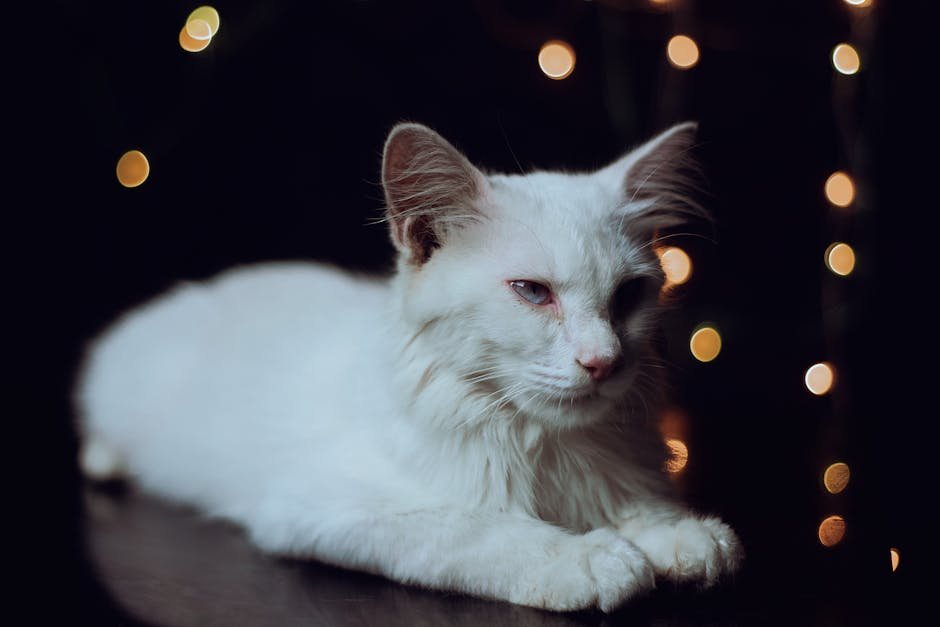
Are you curious about which cat breed matches your personality or lifestyle? Understanding cat breeds and their unique personalities can help you find the perfect furry friend who fits right into your home.
Whether you want a playful companion or a calm cuddle buddy, knowing these traits makes all the difference. Keep reading to discover how different breeds behave and which one might be the ideal match for you. Your perfect cat is waiting!
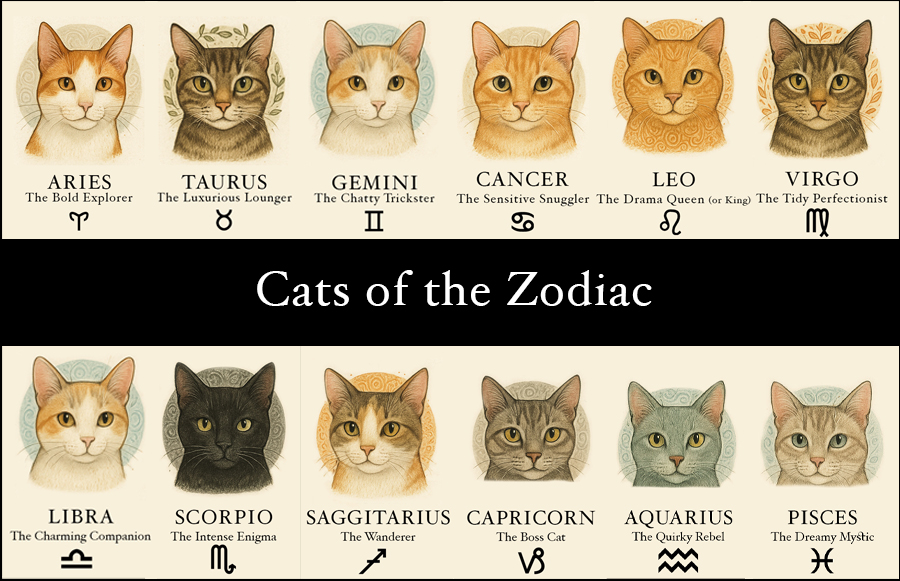
Credit: truenortharts.com
Popular Cat Breeds
Popular cat breeds have distinct looks and unique personalities. Many cat lovers enjoy learning about these traits before choosing a pet. Each breed offers a special bond and different care needs. Understanding their nature helps match cats with the right homes.
Siamese Cats
Siamese cats are known for their striking blue eyes and sleek bodies. They are very vocal and love to “talk” with their owners. These cats enjoy being active and playful. They seek attention and often follow people around the house.
Maine Coon Cats
Maine Coons are large cats with thick, fluffy fur. They have gentle and friendly personalities. These cats are great with children and other pets. Maine Coons love to play but also enjoy relaxing with family members.
Persian Cats
Persians have long, luxurious coats and round faces. They tend to be calm and quiet. These cats prefer calm environments and gentle handling. Persians enjoy lounging and quiet companionship with their owners.
Bengal Cats
Bengals look like small wild cats with spotted coats. They are energetic and curious. Bengals need lots of exercise and mental stimulation. They enjoy interactive play and exploring their surroundings.
Ragdoll Cats
Ragdolls are large, soft, and have striking blue eyes. They are very relaxed and often go limp when held. These cats love cuddling and being close to people. Ragdolls are gentle and make great companions for families.
Personality Traits By Breed
Cat breeds show many unique personality traits. These traits help owners understand their pets better. Different breeds have different behaviors and needs. Knowing these traits can improve your bond with your cat. It also helps to choose the right cat for your lifestyle.
Playfulness Levels
Playfulness varies a lot between breeds. Bengal cats are very active and love to play. Persian cats tend to be calmer and enjoy gentle play. Siamese cats often stay playful well into adulthood. Some cats like chasing toys, while others prefer quiet games.
Affection And Social Needs
Some breeds are very affectionate and seek constant attention. Ragdolls love to cuddle and follow their owners. British Shorthairs are more independent but still enjoy company. Social needs can range from lap cats to those who prefer alone time.
Intelligence And Trainability
Intelligence varies among breeds and affects training ease. Abyssinians are smart and curious, learning tricks quickly. Maine Coons respond well to training and enjoy mental challenges. Some cats easily learn commands, while others stay more independent.
Activity And Energy
Energy levels differ greatly by breed. Siamese and Burmese cats have high energy and need lots of exercise. Scottish Folds usually have lower energy and enjoy lounging. Matching your cat’s energy to your home life is important for harmony.
Vocalization And Communication
Some cats are very vocal and expressive. Siamese cats often have loud, talkative voices. Russian Blues are quieter and more reserved. Understanding your cat’s communication style can improve your relationship.
Matching Cats To Lifestyles
Choosing the right cat breed to fit your lifestyle can make all the difference in creating a happy home for both you and your feline friend. Cats have unique personalities and needs, so matching these traits with your daily routine ensures a strong bond and fewer challenges. Think about how much time you spend at home, your living space, and your family setup before bringing a cat into your life.
Cats For Busy Owners
If your schedule is packed and you’re often away, look for cats that handle alone time well. Breeds like the British Shorthair or Russian Blue tend to be independent and low-maintenance. They enjoy quiet downtime and don’t demand constant attention, making them perfect companions for busy people.
Providing interactive toys and puzzle feeders can keep them entertained when you’re not around. Have you considered how much effort you can realistically give daily to play and care?
Best Cats For Families With Kids
Active families need cats that are patient and playful. Breeds such as the Maine Coon and Ragdoll are known for their gentle nature and tolerance with children. These cats often enjoy engaging in play and can handle the noise and energy of a lively household.
Teaching kids to respect the cat’s space is crucial for a peaceful relationship. How will you ensure your children understand the cat’s boundaries?
Ideal Cats For Apartment Living
Limited space calls for cats that adapt well to indoor environments. Cats like the Scottish Fold and Siamese thrive in apartments due to their sociable and curious traits. They don’t require extensive outdoor exploration but do appreciate vertical space, so adding cat trees or shelves can enrich their environment.
Regular playtime helps prevent boredom and keeps your cat healthy. What creative ways can you add stimulation to a small living area?
Cats For Allergy Sufferers
For those sensitive to cat allergens, breeds labeled as hypoallergenic, like the Balinese or Sphynx, might reduce reactions. These cats shed less dander, which is often the cause of allergies. However, no cat is 100% allergy-free, so spending time with a breed before adoption is wise.
Would you be open to grooming routines and air purification to manage allergies better?
Choosing A Cat For First-time Owners
New cat owners benefit from breeds with easygoing temperaments and straightforward care needs. Domestic Shorthairs and Burmese cats are often recommended because they are adaptable and friendly. These breeds can help you build confidence in pet care without overwhelming demands.
Consider how much time you can dedicate to socializing and training your cat. Are you ready to commit to learning their signals and needs?
Behavioral Tendencies
Cats show a wide range of behaviors shaped by breed and personality. Understanding these tendencies helps owners create a happy home. Some breeds crave attention, while others prefer solitude. Knowing common challenges can ease training and care. Environment also plays a key role in shaping a cat’s nature. Let’s explore these behavioral aspects in detail.
Independent Vs. Social Cats
Some cats enjoy being alone and value independence. Breeds like the Russian Blue or the Scottish Fold often prefer quiet time. They may avoid crowds and enjoy solitude.
Other cats, such as Siamese and Ragdolls, seek social interaction. These cats follow owners around and love company. They thrive with frequent play and attention.
Recognizing whether a cat is more independent or social helps tailor care and interaction.
Common Behavioral Challenges
- Scratching furniture is a common issue for many cats.
- Litter box problems can arise from stress or health issues.
- Excessive meowing may signal boredom or anxiety.
- Aggression sometimes appears during play or fear.
- Destructive chewing can damage household items.
Understanding breed tendencies helps manage these challenges better.
Training Tips By Breed
| Breed | Training Focus | Tips |
|---|---|---|
| Siamese | Interactive Play | Use toys and puzzles to keep them active. |
| Maine Coon | Leash Training | Introduce harnesses slowly with treats. |
| Persian | Litter Habits | Keep litter boxes clean and quiet. |
| Bengal | Behavioral Control | Set boundaries with firm but gentle commands. |
How Environment Affects Personality
A calm home creates confident cats. Loud noises may cause stress or hiding.
Access to windows or outdoor views keeps cats mentally stimulated.
Other pets influence social behavior positively or negatively.
Regular routines help cats feel safe and reduce anxiety.
Health And Care Considerations
Understanding health and care needs is vital for every cat owner. Different breeds have unique traits that affect their well-being. Proper care keeps cats happy and healthy. Recognizing these needs helps prevent illness and supports long life.
Breed-specific Health Issues
Certain cat breeds face common health problems. For example, Persians often suffer from breathing issues due to flat faces. Maine Coons may develop heart disease called hypertrophic cardiomyopathy. Siamese cats can have dental problems and respiratory infections. Knowing these risks allows early care and check-ups. Regular vet visits catch problems before they worsen.
Grooming Needs
Coat length affects grooming needs a lot. Long-haired cats like Persians need daily brushing to avoid mats. Short-haired breeds require less frequent grooming but still benefit from weekly brushing. Some cats shed heavily during seasons. Nail trimming and ear cleaning are also important parts of grooming. Grooming keeps cats comfortable and reduces hairballs.
Diet And Nutrition Tips
Quality food supports a cat’s health and energy. Different breeds may need special diets. For example, active breeds may require more protein. Older cats benefit from diets with joint support. Avoid feeding cats dog food or human snacks. Fresh water should always be available. Feeding measured portions prevents obesity and related diseases.
Exercise And Mental Stimulation
Physical activity helps maintain a healthy weight. Cats enjoy playing with toys that mimic prey. Interactive play prevents boredom and destructive behavior. Puzzle feeders challenge their minds and slow eating. Some breeds, like Bengals, need more stimulation due to high energy. Providing climbing spaces and scratching posts satisfies natural instincts.
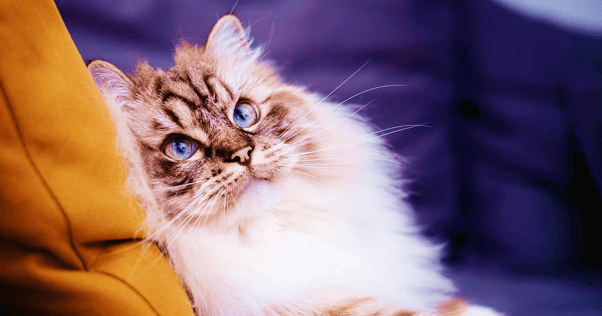
Credit: blog.feliway.com
Adopting And Bonding
Adopting a cat begins a special journey. Each cat has a unique personality that shapes your bond. This bond grows stronger through patience and care. Understanding how to adopt and connect enriches the experience for both you and your cat.
Choosing Between Kitten And Adult Cat
Kittens bring energy and curiosity. They learn habits easily but need more attention. Adult cats often have calmer personalities. They may already know basic manners and litter training. Consider your lifestyle. Think about time and patience you can give.
Adopting an adult cat can be rewarding. They often form strong bonds quickly. Kittens require more play and supervision. Both bring joy but choose what fits your home best.
Building Trust And Connection
Trust grows with gentle actions. Speak softly and move slowly around your cat. Offer treats and toys to create positive moments. Respect their space and let them come to you. Consistency in care helps cats feel safe.
Spend quiet time near your cat. Read or work nearby without forcing interaction. This shows you are friendly and calm. Over time, your cat will seek your attention.
Integrating Cats With Other Pets
Introduce new cats or pets slowly. Keep them in separate rooms at first. Exchange bedding to share scents. Allow short, supervised meetings to observe reactions.
Watch body language carefully. Signs of aggression need a pause. Gradually increase their time together. Patience prevents stress and builds peaceful coexistence.
Signs Of A Happy Cat
- Relaxed body and soft eyes
- Playful behavior and curiosity
- Regular purring and kneading
- Good appetite and grooming habits
- Seeking your company and attention
Happy cats show comfort around you. They trust and enjoy their home. Notice these signs to understand your cat’s feelings better.

Credit: www.chipchick.com
Frequently Asked Questions
What Are The Most Popular Cat Breeds?
Popular cat breeds include Siamese, Maine Coon, Persian, Ragdoll, and Bengal. Each breed has unique traits and appearances. These breeds are well-loved for their personalities and adaptability in various homes.
How Do Cat Personalities Differ By Breed?
Cat personalities vary widely by breed. Some are playful, like Bengals, while others are calm, like Persians. Breed traits often influence behavior, energy levels, and social preferences.
Which Cat Breed Is Best For Families?
Ragdolls and Maine Coons are great for families. They are gentle, friendly, and good with children. These breeds adapt well to busy, lively households.
Can Cat Breeds Affect Behavior And Health?
Yes, breed genetics influence behavior and health risks. Some breeds have predispositions to conditions like hip dysplasia or respiratory issues. Knowing breed traits helps with better care and training.
Conclusion
Cats have many different breeds with unique personalities. Some are calm and loving, while others are playful and curious. Knowing these traits helps you pick the right cat for your home. Every cat needs care, love, and attention to thrive.
Understanding their personalities makes living together easier and happier. Choose a breed that fits your lifestyle and enjoy the special bond. Cats bring joy in many ways. They are more than pets—they are family.
