

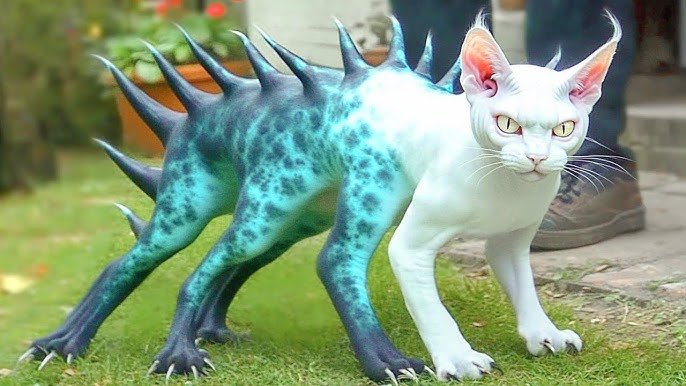
Have you ever seen a cat that looks so unusual, it stops you in your tracks? Weird cat breeds aren’t just fascinating—they’re a whole new world of quirky charm and surprising traits.
If you think all cats look the same, get ready to have your mind changed. You’ll discover some of the strangest and most unique cat breeds out there. Whether you’re a cat lover or just curious, these furry friends will grab your attention and maybe even steal your heart.
Keep reading—you won’t believe some of these cats actually exist!
Rare Cat Breeds
Rare cat breeds capture the curiosity of many pet lovers because they offer something truly different from the usual cats you see every day. These breeds often come with unusual looks or behaviors that make them stand out. If you want a feline friend that sparks conversation and amazement, learning about rare cat breeds is a great start.
Characteristics Of Rare Breeds
Rare cat breeds often have distinct physical features that set them apart. Some might have unusual fur patterns, unique ear shapes, or even strange body proportions. Beyond looks, these cats can have uncommon personalities, ranging from highly energetic to surprisingly calm.
For example, the Lykoi, sometimes called the “werewolf cat,” has a patchy coat and wild appearance that’s unlike any other breed. This rarity adds to their charm and makes them fascinating companions.
Origins And History
Many rare breeds have fascinating backstories that explain their unique traits. Some come from isolated regions, while others are the result of natural mutations or selective breeding. These origins often influence not just how they look but how they behave.
The Sokoke cat, for instance, hails from the forests of Kenya and has a spotted coat that helps it blend into its environment. Knowing a cat’s history can help you appreciate its uniqueness and understand its needs better.
Unique Traits
Rare cat breeds often surprise owners with their special abilities or behaviors. Some breeds are known for their vocal nature, while others might be skilled climbers or exceptionally social. These traits make living with them an interesting experience.
- Devon Rex:Known for its curly coat and playful personality.
- Chausie:A wild-looking breed that loves water and is very active.
- Kurilian Bobtail:Famous for its bobbed tail and dog-like loyalty.
Have you ever met a cat that felt more like a little wild animal in your home? Rare breeds might just bring that feeling to your life while still offering all the comforts of a loving pet.
Credit: pethelpful.com
Exotic Cat Breeds
Exotic cat breeds capture attention with their unusual looks and fascinating personalities. They stand out from the more common breeds, offering a fresh experience for cat lovers. Whether you are drawn by their appearance or curious about their behavior, these cats add a unique charm to your home.
Distinctive Features
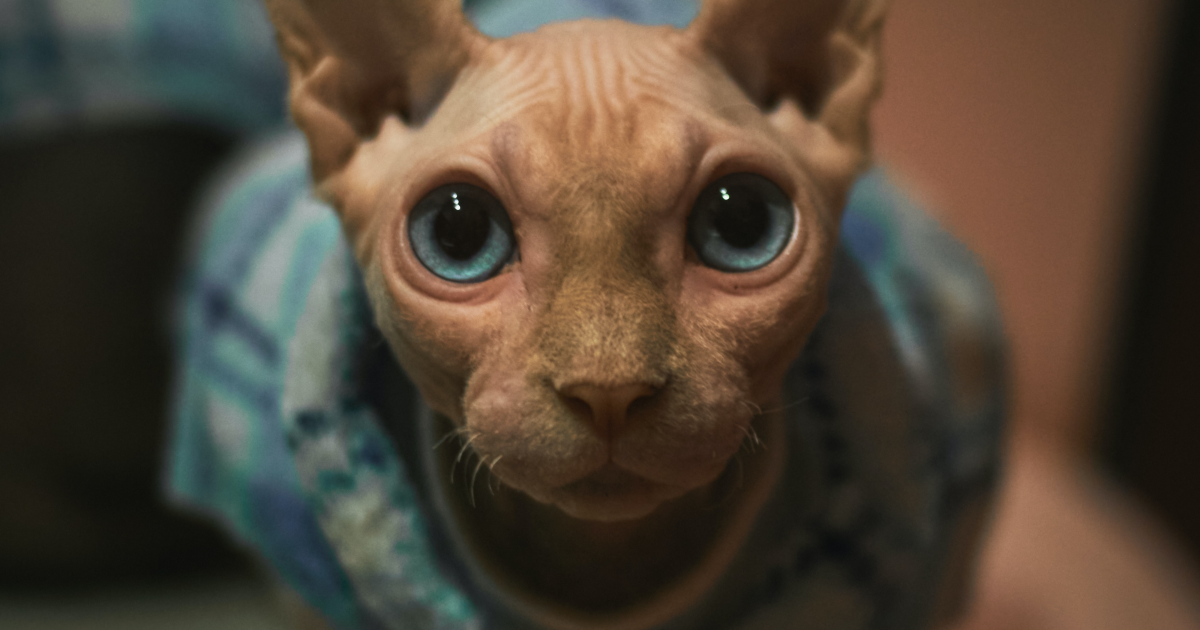
Exotic cat breeds often have striking physical traits that make them unforgettable. Take the Sphynx, for example, known for its hairless body and wrinkled skin. Another breed, the Scottish Fold, has ears that fold forward, giving it a perpetually surprised expression.
These features are not just for show—they often affect how the cat interacts with its environment. The Bengal’s wild-looking spotted coat reminds many of a miniature leopard, sparking interest wherever it goes.
Behavioral Traits
Your exotic cat’s behavior can be just as intriguing as its looks. Many of these breeds are highly social and enjoy being the center of attention. The Siamese, for instance, is famously vocal and demands interaction.
On the other hand, some breeds like the Russian Blue are more reserved and prefer quiet companionship. Understanding your cat’s personality helps you build a stronger bond and create a happier home for both of you.
Care Requirements
Exotic cats often need special care tailored to their unique needs. Hairless breeds like the Sphynx require regular baths to remove oil buildup since they lack fur to absorb it. Meanwhile, cats with folded ears, such as the Scottish Fold, need routine ear checks to avoid infections.
Diet can also vary—active breeds like the Bengal may benefit from high-protein foods to sustain their energy. Are you ready to adjust your routine to meet your exotic cat’s needs and enjoy a rewarding relationship?
Unusual Physical Traits
Cats come in all shapes and sizes, but some breeds stand out with their truly unusual physical traits. These features can surprise you and spark curiosity about how diverse feline genetics can be. Let’s look at some of the most eye-catching oddities in cats that might just make you rethink what a cat should look like.
Odd Fur Patterns
Not all cat fur is just plain or striped. Some cats have fur patterns that seem almost painted on. Take the Bengal cat, whose coat resembles a wild leopard’s spots, giving it a fierce and exotic appearance.
Then there’s the Minskin, which sports a unique patchy pattern because of its sparse fur. This breed challenges the idea that cats should be fully covered in fur to be adorable. Have you ever seen a cat that looks like it’s wearing a polka-dot sweater?
Unique Body Shapes
Your typical cat might have a sleek or fluffy frame, but some breeds break that mold entirely. The Sphynx, for example, has almost no fur and a muscular, wrinkled body that makes it look like a living sculpture.
Another interesting case is the Scottish Fold, whose folded ears change the shape of its entire head, giving it an owl-like expression. These shapes aren’t just about looks—they affect how these cats move and interact with their world.
Rare Eye Colors
Eye color in cats can be fascinating, but some breeds boast shades you rarely see elsewhere. The Turkish Van often has striking amber or odd-colored eyes, where each eye is a different color, known as heterochromia.
Then there’s the Russian Blue, known for its piercing green eyes that contrast beautifully with its silver-blue coat. How often do you stop to notice the color of a cat’s eyes, and what stories might those colors tell?
Famous Weird Cats
Famous weird cats have captured hearts worldwide. Their unique looks and stories make them unforgettable. These cats often break the mold of traditional beauty. They inspire curiosity and amusement everywhere. Many have become icons beyond the pet world. Their fame spreads through media, movies, and celebrity homes. Let’s explore some of the most famous weird cats and their fascinating tales.
Celebrity Cats
- Grumpy Cat – Known for her permanent frown, she became an internet star.
- Nyan Cat – A flying cat with a pop-tart body, famous in meme culture.
- Maru – A Japanese cat known for loving boxes and funny antics.
- Colonel Meow – Famous for his long fur and fierce expression.
Cats In Pop Culture
- Cheshire Cat – The mysterious grinning cat from “Alice in Wonderland.”
- Garfield – The lazy, lasagna-loving comic strip cat with a big personality.
- Salem – The talking black cat from the TV show “Sabrina the Teenage Witch.”
- Puss in Boots – The clever cat with boots from fairy tales and movies.
Notable Owners
- Taylor Swift – Known for her love of cats, especially Scottish Folds.
- Karl Lagerfeld – The fashion icon’s beloved cat, Choupette, gained fame too.
- Mark Twain – Owned several cats and often mentioned them in his writings.
- Freddie Mercury – His cats appeared in music videos and shared the spotlight.
Adopting Rare Cats
Adopting rare cat breeds offers a unique chance to welcome a special feline friend. These cats often have unusual looks and distinct personalities. They bring joy and curiosity into any home. Choosing the right rare cat needs care and good decisions.
Finding Reputable Breeders
Start by researching breeders who specialize in rare cats. Trustworthy breeders provide health records and pedigree papers. They allow visits to see the cats and their living conditions. Avoid breeders who cannot answer your questions clearly. A good breeder cares about the cat’s well-being first.
Adoption Tips
- Check local shelters and rescue groups for rare cats.
- Ask for the cat’s history and temperament details.
- Prepare your home with safe spaces and toys.
- Spend time bonding before bringing the cat home.
- Have patience; some rare cats take time to adjust.
Health Considerations
Rare breeds may have specific health needs. Learn about common issues for the breed you choose. Schedule a vet visit soon after adoption. Keep vaccinations and check-ups up to date. Proper diet and exercise help keep your cat healthy. Watch for signs of illness and act quickly.

Credit: www.youtube.com
Living With Exotic Cats
Living with exotic cats can be a fascinating and unique experience. These unusual breeds often come with distinct personalities and needs that differ greatly from typical domestic cats. Before bringing one into your home, it’s important to understand the specific challenges and requirements involved in their care.
Training Challenges
Exotic cats can be more independent and sometimes less responsive to traditional training methods. They may not easily adapt to litter boxes or scratching posts, so patience is key. You might find yourself needing to try multiple approaches to teach them acceptable behaviors.
Consistency and positive reinforcement usually work best. For example, rewarding your cat with treats or affection right after they perform a desired action can help build good habits. However, expect that some exotic breeds will retain wild instincts, making training a longer process compared to regular cats.
Diet And Nutrition
Feeding exotic cats often requires special attention to their diet. Many of these breeds have dietary needs closer to wild cats, meaning high-protein and low-carb meals are essential. Simply feeding commercial cat food might not meet their nutritional requirements.
You may need to add raw or specially prepared food to their diet to keep them healthy. Some owners consult with veterinarians to create meal plans that include fresh meats and supplements. Have you considered how much time and effort you’re willing to spend on meal prep before adopting an exotic cat?
Environmental Needs
Exotic cats usually need more space and stimulation than average house cats. They thrive in environments that mimic their natural habitats, including climbing structures, hiding spots, and interactive toys. A small apartment might not be enough to keep them happy and active.
Temperature and humidity can also play a big role in their comfort. Some exotic breeds come from tropical regions and prefer warmer, more humid conditions. Providing the right environment isn’t just about comfort—it’s crucial for their health and well-being.
Credit: thediscerningcat.medium.com
Frequently Asked Questions
What Are Some Popular Weird Cat Breeds?
Popular weird cat breeds include the Sphynx, Munchkin, Scottish Fold, and Peterbald. These breeds have unique features like hairlessness, short legs, folded ears, or unusual body shapes. They attract cat lovers looking for distinct and rare pet companions.
Why Do Some Cat Breeds Look Unusual?
Unusual cat breeds result from specific genetic mutations or selective breeding. Traits like hairlessness or folded ears are inherited. Breeders emphasize these traits to create unique appearances. These cats often have special care needs due to their distinct physical features.
Are Weird Cat Breeds Healthier Than Regular Cats?
Weird cat breeds may face unique health issues linked to their traits. For example, Scottish Folds can have joint problems. However, many live healthy lives with proper care. Regular vet visits and good nutrition are essential for all cat breeds.
How Do Weird Cat Breeds Behave Differently?
Weird cat breeds often have distinct personalities. For instance, Sphynx cats are social and affectionate. Munchkins are playful and energetic. Their behavior can vary widely but usually matches their unique appearance, making them engaging pets.
Conclusion
Weird cat breeds show how diverse cats can be. Each breed has its own unique look and personality. These cats can surprise you with their strange features. They make great pets for those who want something different. Learning about them helps us appreciate nature’s variety.
Cats are full of charm, no matter their shape. Exploring these breeds opens up new ways to love cats. Consider adding a strange, wonderful cat to your home. They bring joy and curiosity in equal parts. Weird cat breeds are truly one-of-a-kind companions.
