

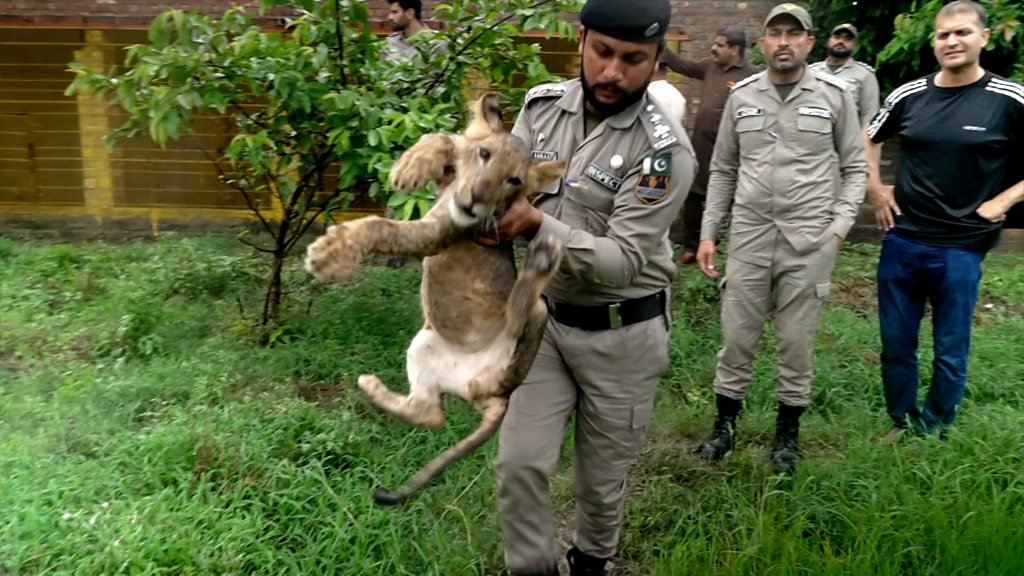
Have you ever wondered what goes into breeding big cats like lions, tigers, and leopards? If you’re curious about how these majestic creatures are cared for and bred, you’re in the right place.
Big cat breeding is not just about pairing animals; it’s about understanding their behavior, health, and environment to ensure strong, healthy offspring. Whether you’re an animal lover, a wildlife enthusiast, or just looking to learn something new, this article will give you clear insights into the fascinating world of big cat breeding.
Keep reading to discover the secrets behind successful breeding and why it matters for conservation and wildlife protection.
Choosing The Right Species
Choosing the right species for big cat breeding is a decision that shapes your entire experience. Each species comes with unique traits that affect care, environment, and interaction. It’s important to match your goals and resources with the specific needs of the cat you plan to breed.
Assessing Temperament And Behavior
Big cats vary widely in temperament. Some are more social, while others prefer solitude. Understanding these differences can prevent dangerous situations and reduce stress for both you and the animals.
For example, Bengal tigers are known for their strength and occasional aggression, requiring handlers who are confident and experienced. On the other hand, snow leopards tend to be more elusive and shy, needing a quieter environment.
Ask yourself: Can you handle a cat that might be unpredictable, or do you want a species with a calmer nature? Your daily interaction and handling ease depend heavily on this choice.
Considering Space And Habitat Needs
Space is a critical factor that many overlook. Big cats need ample room to roam, climb, and exercise. Without enough space, their health and well-being can decline rapidly.
Species like lions require large open areas, while clouded leopards prefer dense, forest-like enclosures with vertical climbing options. Planning your habitat to fit the natural behavior of the species will make breeding more successful and less stressful.
Think about your available land and resources. Can you create a habitat that mimics their natural environment? The answer can limit or expand your species choices significantly.
Evaluating Legal Restrictions
Legal regulations vary widely depending on location and species. Some big cats are protected by strict laws that can limit ownership, breeding, or even require special permits.
For instance, breeding tigers may require federal licenses in certain countries, while smaller species like servals face fewer restrictions. Understanding these legal boundaries beforehand saves time and prevents costly legal issues.
Have you checked local, state, and federal laws regarding your chosen species? Ignoring this step can lead to serious consequences and disrupt your breeding plans.

Credit: bigcatrescue.org
Preparing The Breeding Environment
Preparing the breeding environment for big cats is essential for their health and safety. The right space helps reduce stress and encourages natural behaviors. It also supports successful mating and the well-being of newborns.
Each detail in the environment plays a role. Careful planning can create a space that meets the big cats’ needs fully.
Designing Secure Enclosures
Safety is the top priority in enclosure design. Strong barriers prevent escapes and protect the animals from outside threats. Enclosures should be large enough for movement and exercise.
Include natural elements like trees and rocks. These features offer shelter and stimulation. Gates and locks must be secure and easy for keepers to manage.
Maintaining Cleanliness And Hygiene
Cleanliness reduces the risk of disease and infection. Remove waste daily and disinfect surfaces regularly. Use safe cleaning products that do not harm the cats.
Water sources should be fresh and clean. Monitor the environment for mold or pests. A clean space promotes health and comfort.
Creating Comfortable Nesting Areas
Nesting areas provide a safe, quiet place for birthing and raising cubs. Use soft bedding materials like straw or hay. Make sure these areas are warm and protected from drafts.
Place nests in secluded spots within the enclosure. This helps reduce stress and encourages natural maternal behavior. Keep nesting areas clean and check them often.
Health And Nutrition
Maintaining the health and nutrition of big cats is crucial for successful breeding. Healthy animals have better chances of reproducing and raising strong offspring. Proper diet and care help prevent diseases and support reproductive functions.
Feeding For Optimal Reproductive Health
Big cats need a balanced diet rich in proteins and essential nutrients. High-quality meat provides amino acids vital for hormone production. Vitamins and minerals support fertility and overall body function. Feeding schedules should mimic natural hunting patterns to reduce stress.
- Include organ meats for vitamin A and iron.
- Provide calcium sources for bone health.
- Offer fresh water at all times.
Routine Veterinary Care
Regular check-ups help detect health issues early. Vaccinations protect against common feline diseases. Parasite control prevents infections that can impact reproduction. Blood tests monitor hormone levels and organ function.
- Schedule exams every 6 months.
- Keep vaccination records updated.
- Use preventive treatments for fleas and ticks.
Monitoring For Signs Of Illness
Watch for changes in behavior or appetite. Lethargy, weight loss, or abnormal discharge need immediate attention. Early detection improves treatment success and breeding outcomes. Keep detailed health logs for each animal.
- Note any difficulty breathing or coughing.
- Observe for swelling or wounds.
- Check for changes in urine or stool.
Breeding Management
Effective breeding management is vital for the health and success of big cat breeding programs. It ensures animals breed safely and at the best times. Careful planning and observation help maintain strong genetics and reduce stress for the cats.
Timing And Estrus Detection
Knowing the right time to breed big cats is crucial. Females show signs of estrus, or heat, which indicate fertility. These signs include vocalization, restlessness, and changes in behavior. Daily observation helps spot these clues early.
Keep a breeding calendar to track cycles. Regular health checks can also confirm readiness. Hormone tests provide precise timing but require veterinary support.
Pairing And Introducing Cats Safely
Introduce cats slowly and carefully to avoid aggression. Begin with visual contact through barriers. Observe their reactions closely. Positive or calm behavior means they are ready for closer interaction.
Move to supervised meetings in neutral spaces. Watch body language for signs of stress or friendliness. Never force contact. Respect each cat’s comfort level.
Handling Mating Sessions
Keep mating sessions brief and calm. Avoid loud noises or sudden movements. Provide a quiet, safe environment. Support the female’s choice to accept or reject the male.
Staff should monitor from a distance to prevent interference. After mating, separate cats gently to reduce stress. Record details like date, duration, and behavior for future reference.
Pregnancy And Birth Care
Pregnancy and birth care are critical in big cat breeding. Proper care ensures the health of both mother and cubs. It involves careful observation, special nutrition, and a safe environment. Understanding pregnancy signs helps prepare for the changes ahead. Prenatal support boosts the mother’s strength. Assisting during labor can save lives. Each step demands attention and patience.
Recognizing Pregnancy Signs
Big cats show clear signs of pregnancy. Watch for changes in appetite and behavior. The mother may become less active and more affectionate. Swelling of the abdomen is a key sign. Nipples grow larger and pinker. Sometimes, the mother isolates herself from others. Keep a daily record of these changes. Early detection helps in planning care.
Providing Prenatal Support
Nutrition is vital for pregnant big cats. Provide high-quality meat rich in protein. Include vitamins and minerals for strong cubs. Create a calm, quiet space for the mother. Limit stress by reducing noise and visitors. Monitor her weight and health regularly. Offer clean water at all times. Prenatal care strengthens the mother’s body for birth.
Assisting During Labor
Labor can last several hours in big cats. Prepare a warm, safe den for delivery. Stay nearby but do not disturb the mother. Watch for signs like heavy breathing and restlessness. Help only if the mother is in danger. Clear the cubs’ airways if needed. Allow the mother to clean and feed her cubs. Contact a vet immediately for complications.
Credit: www.philadelphiazoo.org
Raising Cubs Safely
Raising big cat cubs safely requires careful attention to their unique needs from the very start. Their early days shape their health, behavior, and ability to thrive in captivity or the wild. Your role in providing a secure and nurturing environment can make all the difference in their development.
Ensuring Proper Nutrition
Big cat cubs need a diet that mimics what they would receive from their mother’s milk and early solid food. You must provide high-quality, species-appropriate milk replacers if hand-feeding is necessary. Gradually introducing protein-rich foods such as ground meat helps build strong muscles and bones.
Keep track of their feeding schedule closely. Cub appetites can change quickly, and missing a meal can impact their growth. Have you noticed how some cubs are more eager eaters than others? Adjusting portions based on individual needs ensures each cub gets enough energy without overfeeding.
Socialization And Handling
Handling cubs gently but regularly is crucial for their social development. They learn to trust humans and adapt better to their environment when you spend time interacting with them. This also reduces stress during medical checks or enclosure changes.
Social play with siblings or other cubs teaches important skills like bite inhibition and communication. However, it’s vital to monitor playtime to avoid injury. Are you observing subtle changes in their behavior that indicate stress or discomfort? These signs guide you in adjusting social interactions safely.
Preventing Common Health Issues
Big cat cubs are vulnerable to infections, parasites, and nutritional deficiencies. Regular veterinary check-ups are essential to catch problems early. Vaccinations and deworming schedules should be followed precisely to maintain their health.
Cleanliness in their living area reduces risks of illness. Make it a habit to check for signs like lethargy, loss of appetite, or unusual breathing. Quick action when you spot these symptoms can save a cub’s life.
Safety Protocols For Handlers
Handling big cats requires strict safety protocols to protect both handlers and animals. These protocols reduce risks and ensure smooth daily operations. Every handler must follow these rules without exception.
Training And Experience Requirements
Handlers need thorough training before working with big cats. They must learn animal behavior, body language, and safe handling techniques. Experience in wildlife or exotic animal care is essential. Regular refresher courses keep skills sharp and knowledge up to date. Only trained staff should enter enclosures or interact directly with animals.
Emergency Procedures
Clear emergency plans protect handlers during incidents. Procedures include immediate evacuation routes and communication signals. Handlers must know how to use emergency equipment like tranquilizer guns and barriers. Regular drills prepare staff to react calmly and quickly. Every team member must understand their role in emergencies.
Use Of Protective Equipment
Protective gear reduces injury risks during handling. Equipment includes thick gloves, helmets, and face shields. Handlers also wear reinforced boots and clothing to prevent scratches and bites. Proper use and maintenance of gear are mandatory. Protective equipment acts as the last line of defense in dangerous situations.
Ethical And Conservation Considerations
Big cat breeding raises important ethical and conservation questions. It is vital to balance animal welfare with efforts to protect wild populations. Breeders must consider the purpose behind breeding and its impact on species survival. Responsible breeding can support conservation, but misuse risks harming animal health and wild ecosystems.
Breeding For Conservation Vs. Commercial Purposes
Breeding big cats for conservation aims to protect endangered species. These programs focus on genetic diversity and reintroducing animals to the wild. Commercial breeding often prioritizes profit over animal health. This can lead to poor living conditions and unethical practices. Conservation breeding supports species survival. Commercial breeding may harm big cat populations and reputation.
Avoiding Inbreeding And Genetic Issues
Inbreeding reduces genetic diversity and harms animal health. It causes deformities, weak immune systems, and lower survival rates. Responsible breeders track genetics to prevent close relatives from mating. Genetic diversity keeps populations strong and adaptable. Tools like studbooks and DNA tests help manage breeding pairs. Avoiding inbreeding is key for healthy, thriving big cats.
Supporting Wild Population Efforts
Breeding programs should align with wild conservation goals. Released animals must adapt and survive in natural habitats. Collaboration with wildlife organizations improves success rates. Funds from ethical breeding can support habitat protection and anti-poaching efforts. Education about big cats raises public awareness. Well-managed breeding helps maintain balanced ecosystems and preserves wild populations for future generations.
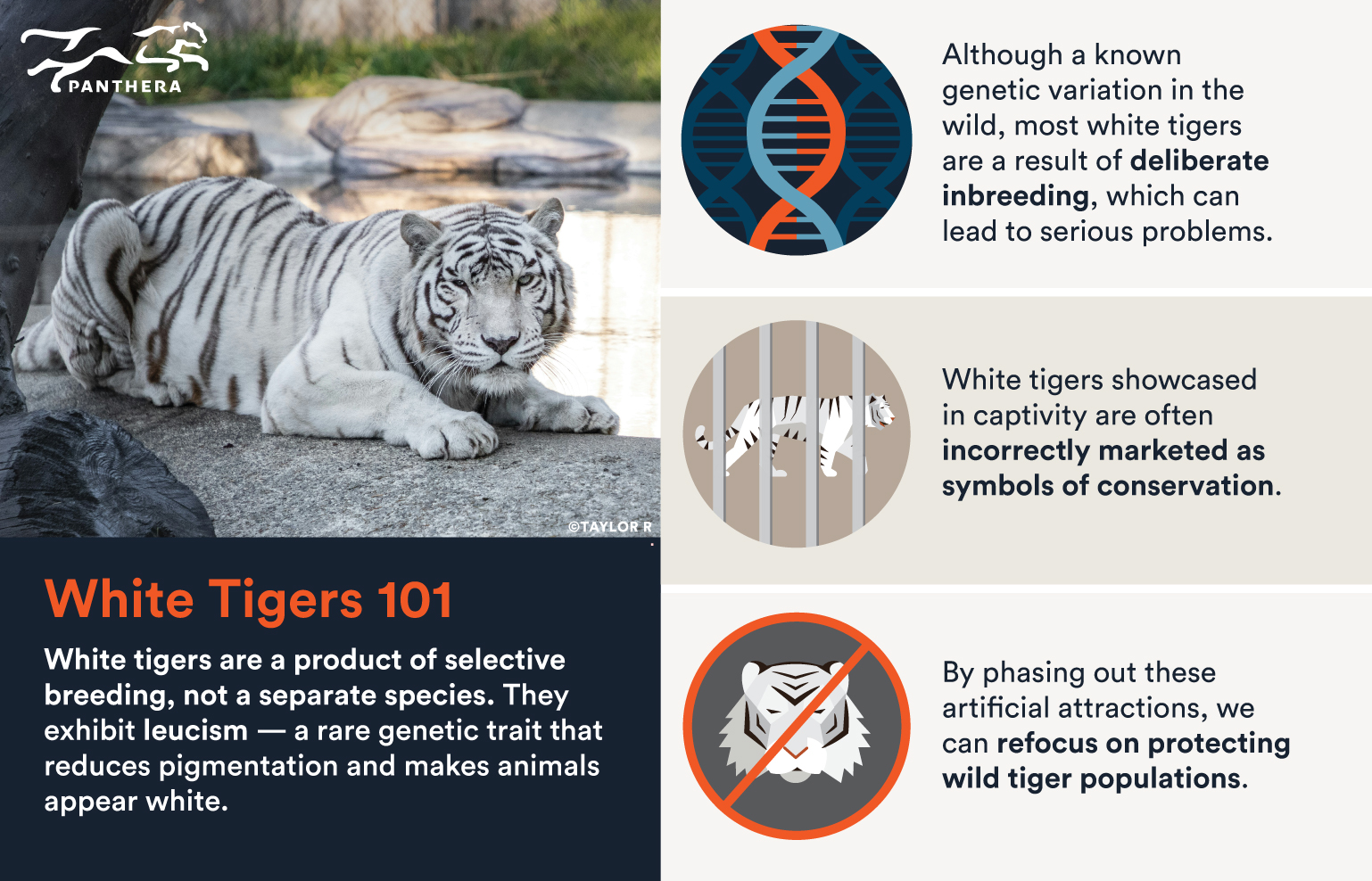
Credit: panthera.org
Frequently Asked Questions
What Is Big Cat Breeding?
Big cat breeding involves mating large felines like lions, tigers, and leopards. Breeding is often done in captivity for conservation or commercial purposes. This practice raises ethical concerns and conservation debates. Responsible breeding focuses on preserving genetic diversity and supporting species survival in the wild.
Why Is Big Cat Breeding Controversial?
Big cat breeding is controversial due to ethical and conservation issues. Critics argue it promotes exploitation and poor living conditions. Overbreeding can lead to genetic issues and a surplus of captive animals. Ethical breeding prioritizes animal welfare and conservation goals over commercial interests.
How Does Big Cat Breeding Affect Conservation?
Big cat breeding can support conservation by maintaining genetic diversity. It provides a backup population for endangered species. However, irresponsible breeding can undermine conservation efforts by prioritizing profit. Successful breeding programs focus on reintroduction and habitat restoration to ensure long-term survival.
Can Big Cat Breeding Help Endangered Species?
Big cat breeding can aid endangered species if done responsibly. It helps increase population numbers and genetic diversity. Successful programs integrate conservation and breeding efforts. They focus on habitat restoration, reintroduction, and public education. These efforts support the survival and recovery of endangered species in the wild.
Conclusion
Big cat breeding requires care, knowledge, and respect for the animals. Breeders must focus on health and strong genetics. Protecting these majestic creatures helps keep their species safe. Ethical breeding supports conservation and reduces risks in the wild. It also helps raise awareness about big cats.
Everyone can play a part in protecting these animals. Careful breeding can lead to a brighter future for big cats. This work matters for both animals and people. Understanding big cat breeding helps us appreciate these powerful animals more.
