

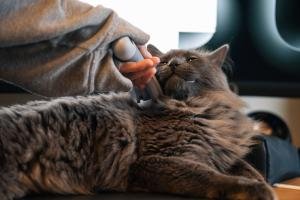
Have you ever wondered if you can groom your cat at home? Taking care of your cat’s coat isn’t just about keeping them looking good—it’s about their health and comfort too.
But grooming a cat can feel tricky if you’re not sure where to start. What tools do you need? How do you keep your cat calm? And how often should you do it? You’ll discover simple, effective ways to groom your cat that will make the experience easy and enjoyable for both of you.
Keep reading to learn how you can become your cat’s favorite groomer!
Credit: www.squeakycleangrooming.com
Benefits Of Grooming Cats
Grooming cats offers many advantages beyond just keeping them clean. It plays a key role in maintaining their overall health and happiness. Regular grooming helps your cat feel comfortable and look great.
Improving Coat Health
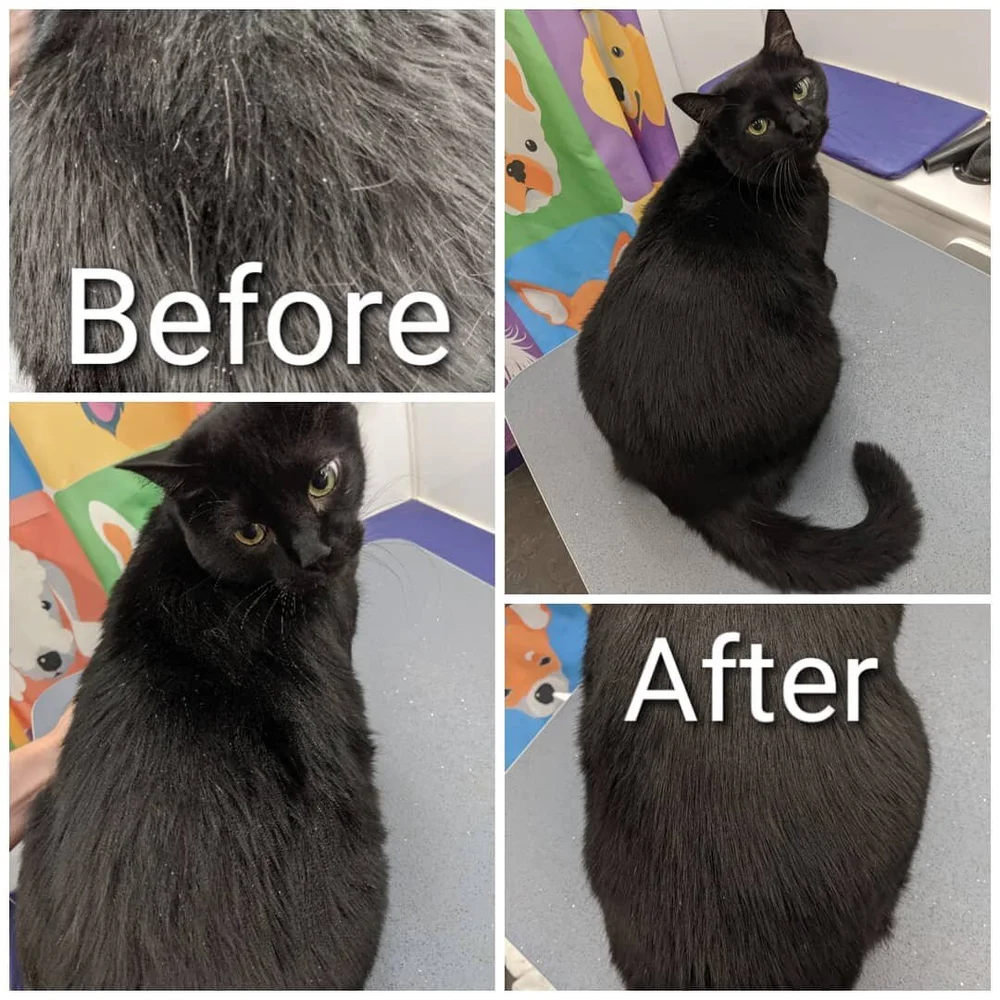
Brushing removes dirt and dead hair from the cat’s coat. It spreads natural oils that keep fur shiny and smooth. Healthy skin supports a soft and vibrant coat. Grooming also helps spot skin problems early, such as dryness or irritation.
Reducing Shedding
Regular grooming cuts down loose fur around your home. It stops hair from piling up on furniture and clothes. Less shedding means fewer hairballs and less cleaning for you. Grooming controls shedding during seasonal changes effectively.
Preventing Hairballs
Cats swallow loose fur while licking themselves. This fur can form hairballs in their stomach. Brushing removes loose hair before your cat swallows it. Preventing hairballs helps avoid vomiting and digestive issues. It keeps your cat more comfortable and healthy.
Strengthening Bond
Grooming time builds trust and closeness with your cat. Gentle brushing feels relaxing and soothing for them. It creates a calm and loving moment between you both. Spending this time regularly shows care and strengthens your relationship.

Credit: www.purina.com
Tools For Cat Grooming
Grooming your cat isn’t just about keeping them looking good; it’s a vital part of their health and happiness. Having the right tools makes the process smoother for both you and your feline friend. Let’s look at what you need to keep your cat’s coat shiny, nails tidy, and skin clean.
Brush Types
Choosing the right brush depends on your cat’s fur length and texture. A slicker brush works wonders for removing loose hair and preventing mats in long-haired cats. Short-haired cats often do well with a bristle brush that gently removes dirt and distributes natural oils.
Try a rubber grooming brush if your cat dislikes stiff bristles; it massages the skin and collects shedding hair effectively. Have you noticed how some cats seem to enjoy the brushing more with a softer touch?
Combs And Nail Clippers
Combs are essential for detangling and checking for fleas or skin issues. A fine-toothed comb can catch the smallest debris and help keep your cat’s coat flawless. For nail care, invest in sharp, precise nail clippers designed for cats to avoid splitting or hurting their claws.
Many cat owners find that clipping nails regularly prevents scratching accidents and improves comfort. Do you know your cat’s nail growth cycle well enough to schedule trims on time?
Shampoo And Wipes
When your cat needs a bath, use a shampoo formulated specifically for felines to avoid skin irritation. Waterless shampoos or grooming wipes offer a quick, stress-free way to freshen up your cat between baths. These wipes are handy for cleaning paws or wiping down after outdoor adventures.
Remember, not all cats tolerate baths well, so grooming wipes can be a practical alternative. What’s your go-to solution for keeping your cat clean without causing stress?
Preparing Your Cat For Grooming
Preparing your cat for grooming sets the stage for a smooth experience. Cats feel more relaxed when the environment is calm and familiar. Proper preparation helps reduce stress and makes grooming easier for both you and your cat.
Creating A Calm Environment
Choose a quiet room with few distractions. Soft lighting helps create a peaceful space. Keep noises low and avoid sudden movements. Use a comfortable surface like a towel or blanket. A calm environment helps your cat feel safe and relaxed.
Acclimating Your Cat
Introduce grooming tools slowly. Let your cat sniff and explore brushes or combs. Start with short sessions, just a few minutes. Praise your cat with gentle words and treats. Gradually increase grooming time over several days or weeks.
Safety Precautions
- Check your tools for sharp edges or damage.
- Keep nails trimmed to avoid scratches.
- Watch your cat’s body language for signs of stress.
- Stop immediately if your cat becomes aggressive or scared.
- Have a helper nearby if your cat is nervous or fidgety.
Step-by-step Grooming Process
Grooming a cat keeps them healthy and comfortable. It also strengthens the bond between you and your pet. A calm and patient approach makes grooming easier. Follow these clear steps to care for your cat’s coat and overall hygiene.
Brushing Techniques
Choose a brush suited for your cat’s fur type. Short-haired cats need a soft bristle brush. Long-haired cats benefit from a comb or slicker brush.
- Start gently at the head and move toward the tail.
- Brush in the direction of hair growth.
- Use short strokes to remove loose hair and dirt.
- Pay attention to mats or tangles, gently detangle with fingers or a comb.
- Brush regularly to reduce shedding and hairballs.
Bathing Tips
Bathing cats is not always necessary, but some need it. Use lukewarm water and a mild cat shampoo.
- Prepare everything before starting the bath.
- Wet your cat slowly, avoiding the face and ears.
- Apply shampoo and lather gently without scrubbing hard.
- Rinse thoroughly to remove all soap.
- Dry your cat with a towel and keep them warm.
Nail Trimming
Trim nails carefully to avoid cutting the quick. Use sharp, cat-specific nail clippers.
- Hold your cat’s paw firmly but gently.
- Press the pad to extend the nails.
- Cut only the sharp tips, avoiding the pink area.
- Trim nails every few weeks to keep them short.
- Use a styptic powder if you accidentally cut too deep.
Ear Cleaning
Check ears regularly for dirt or signs of infection. Use a soft cloth or cotton ball with a vet-approved cleaner.
- Wipe the outer ear gently without pushing inside.
- Look for redness, bad smell, or excessive wax.
- Clean ears only when necessary to avoid irritation.
- Consult a vet if you notice unusual signs.
Handling Common Grooming Challenges
Grooming a cat can be tricky at times. Some cats do not like being touched or brushed. Others may have fur that tangles easily. Skin problems can also make grooming harder. Understanding these challenges helps make grooming easier and safer for both you and your cat.
Dealing With Fidgety Cats
Many cats move a lot during grooming. They might try to escape or scratch. Stay calm and patient. Use gentle strokes and soft voices. Give breaks if your cat gets too stressed. Try grooming in a quiet room with few distractions. Use treats to reward good behavior. Small grooming sessions work best for nervous cats.
Managing Matted Fur
Matted fur can hurt your cat. It traps dirt and moisture, causing skin issues. Use a detangling spray made for cats. Carefully work through mats with a wide-tooth comb. Hold the fur close to the skin to avoid pulling. For severe mats, visit a professional groomer or vet. Regular brushing prevents mats from forming.
Addressing Skin Issues
Skin problems can cause discomfort during grooming. Look for redness, bumps, or flakes on the skin. Avoid brushing irritated areas. Consult a vet if skin looks infected or painful. Use gentle, hypoallergenic grooming products. Keep your cat’s environment clean to reduce skin problems. Regular grooming helps spot skin issues early.
When To Seek Professional Grooming
Knowing when to seek professional grooming for your cat can make a big difference in their health and happiness. While many cat owners manage basic grooming at home, some situations call for expert care. Understanding these moments helps you provide the best for your feline friend.
Recognizing Grooming Needs
Sometimes your cat’s coat shows signs that it’s time for professional help. Matted fur that you can’t untangle, excessive shedding, or skin issues like redness and bumps are clear signals. If your cat is stressed or aggressive during grooming, a professional’s calm and experienced touch can ease the process.
Have you noticed your cat licking one spot repeatedly or avoiding being touched in certain areas? These behaviors might indicate discomfort requiring a groomer’s attention. Professionals can spot problems early and recommend treatments you might miss.
Choosing A Groomer
Finding the right groomer means looking for someone who understands cats, not just dogs. Ask if they have experience with feline grooming and if their environment is calm and quiet. A good groomer will take time to get to know your cat’s personality and needs.
Don’t hesitate to visit the grooming salon beforehand. Watch how they handle cats and ask about their safety protocols. Your cat’s comfort and safety should always come first.
Cost And Frequency
Professional grooming costs vary based on your cat’s size, coat type, and the services needed. Simple baths and nail trims might be affordable, but treatments for severe matting or skin conditions can be pricier. Understanding the expected costs helps you plan your budget.
How often should you schedule appointments? It depends on your cat’s lifestyle and coat. Long-haired breeds may need grooming every 4 to 6 weeks, while short-haired cats might only require occasional visits. Monitor your cat’s coat condition to decide what works best.

Credit: justcatsclinic.com
Frequently Asked Questions
Can You Groom A Cat At Home Safely?
Yes, you can safely groom a cat at home using gentle brushes and nail clippers. Start slowly and reward your cat to build trust. Regular grooming helps reduce hairballs and keeps their coat healthy.
How Often Should You Groom A Cat?
Cats should be groomed at least once a week. Long-haired cats may need daily grooming. Regular sessions prevent mats, reduce shedding, and improve skin health.
What Tools Are Best For Cat Grooming?
Use a soft-bristle brush, a comb, and nail clippers designed for cats. Avoid human grooming tools as they can hurt your cat’s skin. Proper tools make grooming easier and more effective.
Can Grooming Reduce Cat Hairballs?
Yes, regular grooming removes loose fur before your cat ingests it. This helps reduce hairballs and digestive issues. Grooming also keeps your cat’s coat clean and healthy.
Conclusion
Grooming a cat helps keep its fur clean and healthy. It also reduces shedding and hairballs. Cats often enjoy gentle brushing if done slowly. Regular grooming builds trust between you and your pet. Use the right tools and be patient.
Start grooming sessions short and calm. Watch your cat’s reactions and adjust your approach. Grooming is a simple way to care for your cat daily. It supports their comfort and well-being. Try it and see the difference it makes.
