

If you have a long-haired cat, you know how quickly their beautiful fur can become tangled and messy. Grooming your cat regularly isn’t just about keeping them looking great—it’s essential for their health and happiness.
But where do you start? How do you make grooming a calm and even enjoyable experience for your furry friend? You’ll discover simple, effective tips that make grooming easy and stress-free. Keep reading, and you’ll learn how to keep your long-haired cat’s coat shiny, smooth, and tangle-free without the hassle.

Credit: meowcove.com
Choosing The Right Tools
Choosing the right tools makes grooming a long-haired cat easier and safer. Proper tools help remove tangles and keep fur shiny. They also reduce stress for both you and your cat.
Using the correct combs, brushes, sprays, and clippers prevents discomfort. It helps maintain your cat’s coat health and appearance.
Combs And Brushes
Select combs and brushes designed for long fur. Wide-toothed combs gently detangle without pulling the hair. Fine-toothed combs remove loose fur and dirt.
- Slicker brushes work well to remove mats and knots.
- Pin brushes help smooth the coat and distribute natural oils.
- Look for soft, rounded tips to avoid skin irritation.
Detangling Sprays
Detangling sprays make combing easier and reduce hair breakage. Choose sprays made for cats, free from harsh chemicals. Lightly mist your cat’s fur before brushing to soften knots.
- Use sprays that soothe skin and add shine.
- Avoid sprays with strong perfumes or alcohol.
- Test on a small area first to check for reactions.
Nail Clippers And Scissors
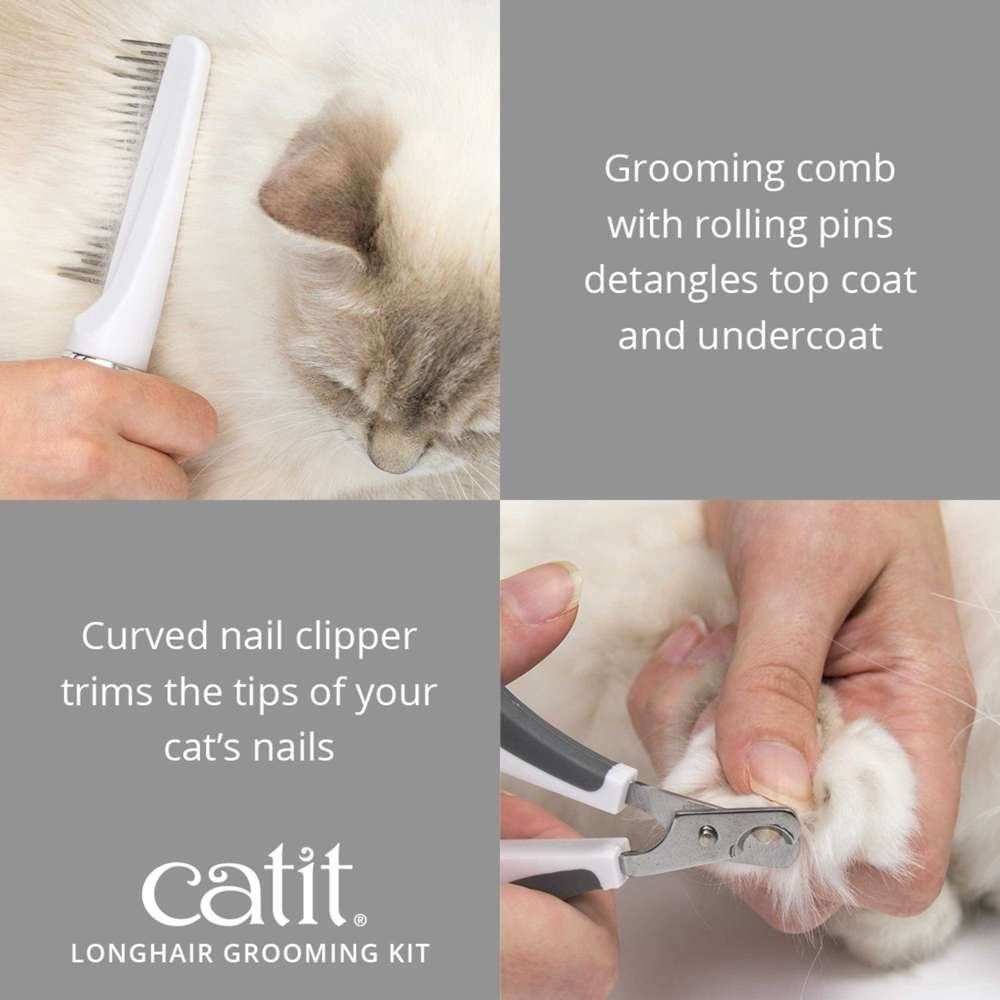
Trim nails to prevent scratches during grooming. Use nail clippers made for cats to avoid splitting nails. Scissors help cut away stubborn mats but must be used carefully.
- Choose clippers with sharp, curved blades.
- Use rounded-tip scissors for safety around skin.
- Keep tools clean to prevent infections.

Credit: www.latimes.com
Preparing Your Cat For Grooming
Preparing your long-haired cat for grooming is a vital first step to ensure the experience is smooth and stress-free. Cats are sensitive creatures, so setting the right tone before you start brushing or trimming can make a big difference. Taking time to prepare helps your cat feel safe and more willing to cooperate during grooming.
Creating A Calm Environment
Choose a quiet spot free from loud noises and distractions. This can be a cozy corner or a familiar room where your cat feels relaxed. Soft lighting and a comfortable surface, like a blanket or cushion, can help your cat settle down.
Try playing gentle background music or using a pheromone diffuser to reduce anxiety. These small touches can make a surprising difference in calming your cat. Have all your grooming tools ready and within reach to avoid interruptions once you start.
Getting Your Cat Comfortable
Spend a few minutes petting your cat before grooming to build trust and ease tension. Focus on areas your cat enjoys being touched, such as behind the ears or under the chin. Watch your cat’s body language—if you see signs of discomfort, pause and give them a break.
Introduce the grooming tools gradually. Let your cat sniff and explore the brush or comb without using it right away. This reduces fear and helps your cat associate the tools with positive experiences.
Scheduling Grooming Sessions
Pick a consistent time each day or week when your cat is naturally calm, like after a nap or meal. Keeping a routine helps your cat know what to expect, reducing resistance over time. Short sessions of 5 to 10 minutes work best; you can build up to longer grooming as your cat gets used to it.
Ask yourself: is this the best time for both of you to focus on grooming? Sometimes adjusting your schedule by even 30 minutes can lead to a much better experience. Remember, patience and timing are key to success.
Brushing Techniques
Brushing a long-haired cat requires gentle and careful techniques to keep their coat healthy. Proper brushing removes dirt and loose hair. It also prevents painful tangles and mats from forming. Using the right methods makes grooming easier for both you and your cat. Patience and a calm approach help your cat feel safe during brushing sessions.
Removing Tangles And Mats
Start by gently separating small tangles with your fingers. Use a wide-tooth comb to work through stubborn mats. Hold the base of the fur near the skin to avoid pulling. Work slowly in small sections. Never cut mats out with scissors. This can hurt your cat. Instead, soften mats with a detangling spray made for pets before brushing.
Brushing Direction And Pressure
Brush in the direction of hair growth. This prevents pulling and skin irritation. Use smooth, even strokes to cover all areas. Apply light pressure to avoid hurting your cat. For thick or dense fur, use a slicker brush to reach the undercoat. Adjust pressure if your cat shows discomfort. Frequent brushing keeps the coat shiny and free of knots.
Handling Sensitive Areas
Pay attention to sensitive spots like the belly, tail, and behind the ears. Use a soft brush or your fingers in these areas. Speak softly and stroke gently to keep your cat calm. Take breaks if your cat becomes restless. Respect your cat’s limits to build trust. Handling these areas with care prevents stress and makes grooming easier over time.
Bathing Your Long Haired Cat
Bathing your long haired cat helps keep its coat clean and healthy. Regular baths remove dirt, loose fur, and reduce matting. Many cats dislike water, so patience is key. Gentle handling makes the experience less stressful for both of you.
Choosing The Right Shampoo
Use shampoos made specifically for cats. Avoid human or dog shampoos as they irritate cat skin. Look for products that are mild and hypoallergenic. Shampoos with natural ingredients soothe sensitive skin. Some formulas help reduce shedding and improve coat shine.
Bathing Steps And Tips
- Brush your cat to remove tangles before bathing.
- Fill a sink or tub with a few inches of lukewarm water.
- Gently place your cat in the water, speaking softly to calm it.
- Use a cup to wet the fur slowly, avoiding eyes and ears.
- Apply shampoo and massage gently, focusing on dirty areas.
- Rinse thoroughly to remove all soap residue.
- Keep bath time short to reduce stress.
Drying Methods
Wrap your cat in a soft towel to absorb water. Pat gently; do not rub the fur. Use multiple towels if needed. A warm, quiet room helps your cat dry faster. Some cats tolerate low heat from a hairdryer. Always keep the dryer on a cool setting and at a safe distance. Brush the fur while drying to prevent mats and tangles.
Maintaining Coat Health
Maintaining a long-haired cat’s coat health requires care and attention. A shiny, tangle-free coat shows your cat’s well-being. Proper grooming helps prevent mats and skin issues. Focus on diet, grooming habits, and managing shedding for best results.
Diet And Nutrition
A balanced diet supports a healthy coat. Foods rich in omega-3 and omega-6 fatty acids improve fur shine. High-quality protein strengthens hair follicles. Hydration also plays a key role in skin and coat condition.
- Choose cat food with essential fatty acids
- Include wet food to boost hydration
- Consult your vet for specific dietary needs
Regular Grooming Routine
Daily brushing reduces tangles and removes dirt. Use a wide-tooth comb or slicker brush for long hair. Start grooming sessions calmly to keep your cat relaxed. Check ears, eyes, and paws for cleanliness during grooming.
- Brush in the direction of hair growth
- Be gentle to avoid hurting the skin
- Trim mats carefully or seek professional help
Dealing With Shedding
Long-haired cats shed year-round, more in spring and fall. Regular brushing reduces loose hairs around the home. Bathing occasionally helps remove dead hair and dirt. Use a shedding tool designed for cats to ease the process.
- Brush more often during heavy shedding seasons
- Keep your cat indoors to reduce dirt and allergens
- Vacuum your home frequently to manage fur

Credit: catit.ca
Handling Grooming Challenges
Grooming a long-haired cat often comes with unique challenges. These issues can make the process stressful for both the cat and the owner. Patience and careful attention help ease these difficulties. Understanding how to handle common problems improves grooming success and keeps your cat comfortable.
Dealing With Aggression Or Fear
Many cats feel scared or aggressive during grooming. Sudden movements and unfamiliar tools cause stress. Approach your cat calmly and speak softly. Let your cat sniff the brush before starting. Take short breaks to avoid overwhelming your pet. Use gentle strokes and praise your cat often. Avoid forcing grooming if your cat resists strongly. Try to create a quiet and safe environment.
Managing Skin Issues
Long-haired cats often develop skin problems under their fur. Check for redness, bumps, or dry patches regularly. Use a fine-toothed comb to find mats without pulling the skin. Clean any dirt or debris gently with a damp cloth. Avoid harsh shampoos that irritate sensitive skin. If you notice excessive scratching or hair loss, monitor closely. Proper grooming helps prevent infections and keeps skin healthy.
When To Seek Professional Help
Some grooming challenges require expert care. Persistent mats that cause pain need professional removal. Severe skin problems or wounds should be checked by a vet. If your cat is very aggressive or fearful, a groomer may help. Professionals have tools and skills to handle difficult cases safely. Don’t hesitate to ask for help to protect your cat’s well-being.
Frequently Asked Questions
How Often Should I Groom My Long-haired Cat?
Groom your long-haired cat daily to prevent mats and tangles. Regular brushing reduces shedding and hairballs, keeping their coat healthy and shiny.
What Tools Are Best For Grooming Long-haired Cats?
Use a wide-toothed comb, slicker brush, and dematting tool. These tools help remove loose fur, tangles, and reduce shedding effectively.
How Do I Prevent Mats In A Cat’s Fur?
Brush your cat’s fur daily, especially in problem areas. Regular grooming stops mats from forming and keeps the coat smooth and comfortable.
Can Grooming Reduce My Cat’s Shedding?
Yes, regular grooming removes loose hairs before they shed around your home. It also minimizes hairballs by reducing ingested fur during self-grooming.
Conclusion
Grooming a long-haired cat keeps them healthy and happy. Regular brushing stops mats and tangles from forming. It also reduces shedding around your home. Use gentle strokes to make grooming pleasant. Pay attention to their comfort and mood. A clean cat looks better and feels good.
Remember to check their ears and paws too. Small steps every day make a big difference. Enjoy the bonding time with your furry friend. Consistent care helps your cat stay beautiful and calm.
