


Your cat is more than just a pet – they’re a part of your family. But how much do you really know about the health conditions that can affect them?
Understanding these issues early can make all the difference in keeping your furry friend happy and strong. You’ll discover the most common cat health problems, their warning signs, and what you can do to protect your beloved companion. Keep reading to learn how to spot trouble before it starts and give your cat the care they deserve.
Credit: www.diamondpet.com
Common Cat Health Issues
Understanding common cat health issues is essential for every cat owner. These problems often sneak up quietly, making early detection key to keeping your feline friend healthy. Knowing what to watch for can save you stress and vet bills.
Respiratory Problems
Respiratory issues in cats often show up as sneezing, coughing, or difficulty breathing. Cats exposed to smoke or dusty environments are more prone to these problems. If you notice your cat breathing heavily or wheezing, it’s time to act quickly.
Vaccinations help prevent some respiratory infections, but allergies and asthma also play a big role. Have you checked if your cat’s sneezing could be allergy-related? Clearing dust and strong scents from your home might ease their breathing.
Digestive Disorders
Vomiting and diarrhea are common signs your cat’s digestive system is upset. Sometimes, eating something they shouldn’t or sudden diet changes trigger these issues. Persistent digestive problems deserve a vet visit to rule out infections or parasites.
Adding fiber to your cat’s diet can improve digestion. Have you observed if certain foods cause your cat discomfort? Keeping a food diary can help identify triggers and keep their tummy calm.
Skin Conditions
Itchy skin, hair loss, or red patches often indicate skin problems. Fleas, allergies, or fungal infections are usual suspects. Regular grooming and flea control products can make a big difference.
Sometimes, skin issues signal deeper problems like hormonal imbalances. Have you noticed your cat scratching more after certain activities or foods? Monitoring these patterns can help you catch issues early.
Dental Diseases
Bad breath, drooling, or difficulty eating often point to dental disease. Cats rarely show pain, so these signs are important clues. Regular teeth cleaning and dental check-ups prevent painful problems.
Have you tried brushing your cat’s teeth? It might seem tough at first, but it’s one of the best ways to protect their oral health. Dental treats and toys can also help reduce plaque build-up.
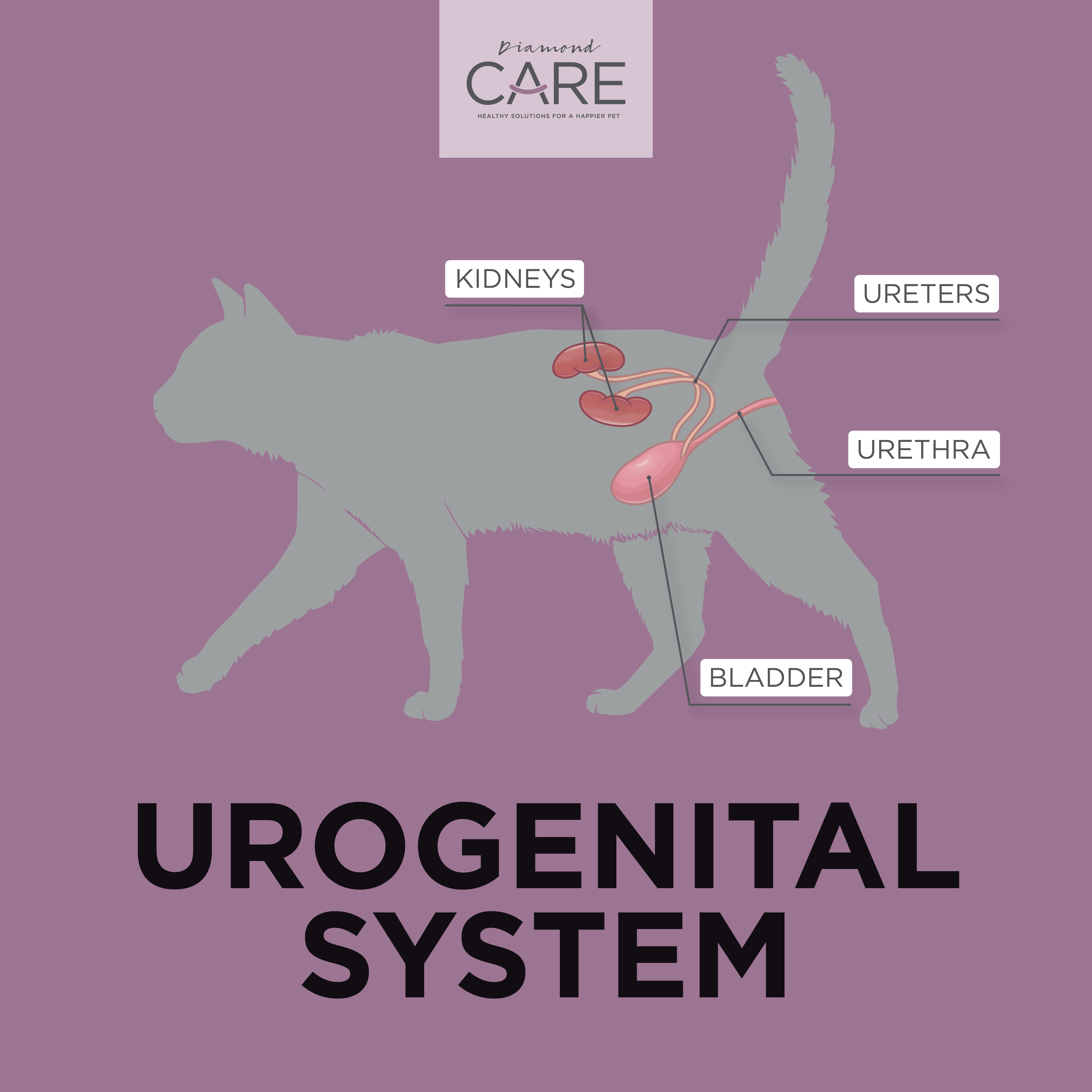
Kidney And Urinary Issues
Frequent urination, blood in urine, or straining to pee are serious signs of kidney or urinary problems. These conditions are common in older cats and require immediate veterinary care. Early detection can prevent life-threatening complications.
Encouraging your cat to drink more water supports kidney health. Have you considered adding wet food to their diet? It increases fluid intake and helps keep their urinary tract healthy.
Credit: catfriendly.com
Recognizing Warning Signs
Noticing when your cat isn’t feeling well can be tricky. Cats are experts at hiding discomfort, so spotting subtle changes early can make a big difference. Paying attention to warning signs helps you act quickly and protect your furry friend’s health.
Changes In Appetite
Has your cat suddenly stopped eating or is eating much less? A drop in appetite often signals something is wrong. On the other hand, eating more than usual or sudden cravings can also indicate health issues like diabetes or dental pain.
Keep track of how much and how often your cat eats. Even small shifts can matter. You might find that noting these changes makes vet visits more productive, as you can give clear information.
Behavioral Shifts
Is your cat acting differently? Maybe they hide more, become unusually aggressive, or seem confused. Changes in behavior often point to pain, stress, or illness.
Think about your cat’s normal personality. Are they suddenly less social or more vocal? These clues tell you something beneath the surface needs attention. Have you noticed your cat’s usual routine getting disrupted lately?
Physical Symptoms To Watch
Look for visible signs like vomiting, diarrhea, coughing, or sneezing. These symptoms might be occasional or frequent but should never be ignored. Also, check your cat’s eyes, ears, and coat for any unusual discharge, redness, or bald spots.
Small physical changes can hide bigger problems. For example, a dull coat or bad breath might hint at nutritional deficiencies or dental disease. What physical signs have you observed that seemed minor but later turned out important?
Lethargy And Activity Levels
Has your cat become unusually tired or less active? Lethargy is a common sign of many illnesses. If your cat no longer jumps on furniture or plays like before, it’s a signal worth investigating.
Compare current activity to past levels. Even if your cat rests a lot, sudden drops in energy are a red flag. Are you able to tell when your cat’s normal energy shifts into something concerning?
Preventive Care Tips
Preventive care helps keep cats healthy and happy. It stops many diseases before they start. Small daily efforts protect your cat’s health and improve their life quality.
Regular Veterinary Checkups
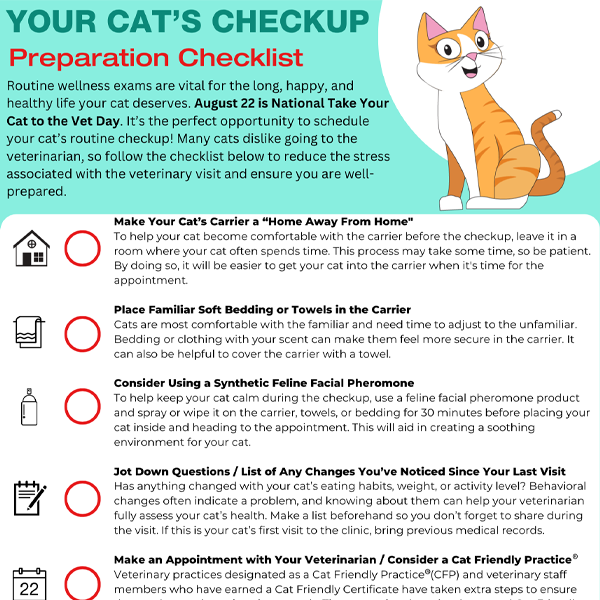
Schedule vet visits at least once a year. Early detection catches health problems quickly. Vets check teeth, weight, and overall condition. They offer advice on care and diet. Keep a health record for your cat.
Vaccination Schedules
Vaccines protect cats from serious illnesses. Follow the vet’s recommended vaccination plan. Kittens need more shots than adult cats. Stay updated with booster shots every year. Vaccination reduces the risk of contagious diseases.
Proper Nutrition
Feed balanced food suited for your cat’s age and health. Avoid giving too many treats or human food. Fresh water must be available all the time. Nutritional food supports immune health and energy levels. Consult your vet about special diet needs.
Exercise And Enrichment
Physical activity keeps cats fit and prevents obesity. Provide toys, climbing trees, and scratching posts. Play with your cat daily to stimulate their mind. Enrichment reduces stress and behavioral problems. A happy cat is a healthy cat.
Managing Chronic Conditions
Managing chronic conditions in cats requires daily attention and a proactive approach. These ongoing health issues can affect your cat’s quality of life, but with the right care, you can help them stay comfortable and happy. Understanding how to support your cat through these challenges empowers you to make better decisions for their well-being.
Diabetes Care
Diabetes in cats demands consistent monitoring and treatment. You need to check their blood sugar levels regularly and give insulin injections as prescribed. Diet plays a huge role—high-protein, low-carb meals can help stabilize glucose levels.
Have you noticed changes in your cat’s drinking or urination habits? These signs might signal diabetes. Keeping a log of symptoms and blood sugar readings makes vet visits more productive and helps adjust treatments effectively.
Arthritis Management
Arthritis can make your cat less active and more irritable. Providing soft bedding and easy access to favorite spots reduces stress on their joints. Gentle play and physical therapy can maintain mobility and prevent stiffness.
Consider supplements like omega-3 fatty acids or ask your vet about pain relief options. Observing your cat’s movement and behavior daily can help you spot flare-ups early and adjust care accordingly.
Heart Disease Support
Heart disease requires careful observation and medication to keep symptoms under control. Watch for signs like coughing, difficulty breathing, or fatigue during play. These clues tell you when your cat needs immediate attention.
Diet changes, such as low-sodium food, might be recommended to reduce strain on the heart. Regular vet check-ups and keeping a calm environment help your cat cope with this condition better.
Emergency Situations
Emergency situations can arise suddenly and put your cat’s health at serious risk. Knowing how to act quickly and calmly is vital. Immediate care can save your cat’s life and reduce long-term damage. Understanding common emergencies helps you stay prepared and confident in critical moments.
Handling Poisoning
Poisoning can happen if your cat eats toxic plants, chemicals, or harmful foods. Signs include vomiting, drooling, weakness, and seizures. Quickly remove any poison source from your cat’s reach. Do not induce vomiting unless a vet advises it. Call your veterinarian or animal poison control immediately for guidance.
Injury Response
Injuries may involve cuts, broken bones, or bites. Check your cat gently for bleeding or swelling. Apply gentle pressure with a clean cloth to stop bleeding. Avoid moving your cat too much if you suspect a broken bone. Keep your cat calm and warm while preparing to visit the vet.
When To Seek Immediate Help
- Difficulty breathing or choking
- Severe bleeding that won’t stop
- Unconsciousness or unresponsiveness
- Repeated vomiting or diarrhea
- Seizures or severe tremors
- Inability to stand or walk
- Sudden collapse or extreme weakness
These signs require urgent veterinary care. Acting fast increases your cat’s chance of recovery.
Credit: www.pethealthclub.com
Home Care Best Practices
Taking care of your cat at home plays a huge role in preventing health problems and ensuring a long, happy life. Simple daily habits can help you spot early signs of illness and keep your furry friend comfortable. What small change could you make today to improve your cat’s well-being?
Grooming Essentials
Regular grooming helps keep your cat’s coat clean and reduces shedding. Brushing your cat not only removes loose fur but also prevents hairballs, which can cause digestive issues.
Pay attention to areas like behind the ears and under the legs, where mats can form unnoticed. If your cat resists brushing, try short sessions and offer treats to build positive associations.
Litter Box Maintenance
Clean litter boxes are vital for your cat’s health and comfort. Dirty boxes can lead to urinary tract infections or cause your cat to avoid using them altogether.
Make sure to scoop waste daily and fully change the litter at least once a week. Placing multiple litter boxes around your home can reduce stress and accidents, especially in multi-cat households.
Stress Reduction Techniques
Stress can trigger many health problems in cats, including digestive upset and weakened immunity. Creating a calm environment is key to keeping your cat relaxed and healthy.
- Provide hiding spots and vertical spaces, like cat trees, to give your cat control over their environment.
- Use interactive playtime to help your cat release energy and feel engaged.
- Consider pheromone diffusers or calming sprays if your cat seems anxious during changes or visits to the vet.
Have you noticed how your cat reacts to new situations? Understanding their stress signals can help you act before health issues arise.
Frequently Asked Questions
What Are Common Cat Health Conditions To Watch For?
Common cat health issues include obesity, diabetes, kidney disease, dental problems, and respiratory infections. Regular vet check-ups help detect these early. Early detection improves treatment success and quality of life.
How Can I Prevent My Cat’s Health Problems?
Provide a balanced diet, regular exercise, and routine vet visits. Keep vaccinations current and maintain parasite control. Early prevention reduces risks of serious illnesses and promotes a long, healthy life.
What Signs Indicate A Cat Might Be Sick?
Look for changes in appetite, weight, behavior, or litter box habits. Sneezing, coughing, vomiting, or lethargy are also warning signs. Prompt veterinary care is essential for accurate diagnosis and treatment.
When Should I Take My Cat To The Vet?
Visit the vet if your cat shows unusual symptoms or behavior. Annual wellness exams are important even if your cat seems healthy. Early vet visits prevent complications and ensure timely care.
Conclusion
Cats need regular check-ups to stay healthy. Watch for signs of illness early. Good food and exercise help prevent many health problems. Keep your cat’s environment clean and safe. Always ask a vet about any worries or changes. Caring for your cat’s health shows love and respect.
Small steps can keep your pet happy and strong. Take action today for a healthier cat tomorrow.
