

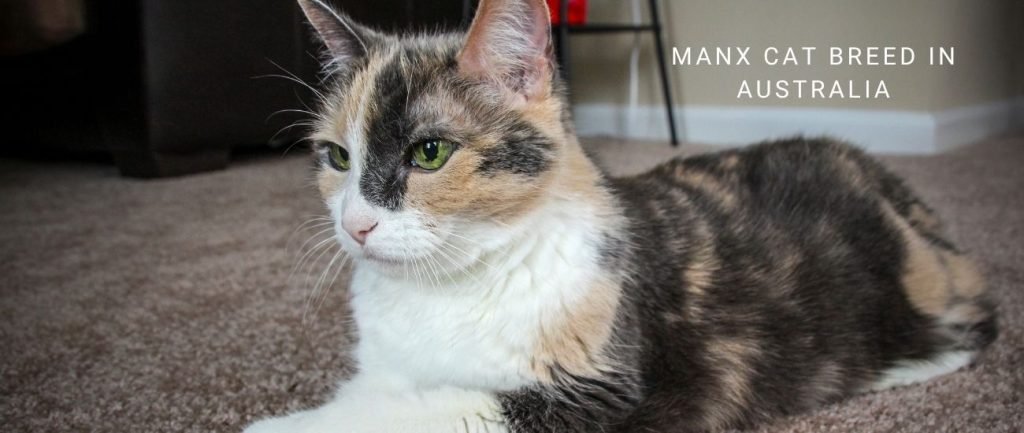
Are you fascinated by the unique charm of Manx cats? Their tailless bodies and playful personalities make them stand out from other breeds.
But breeding Manx cats is not as simple as it seems. To help your kittens grow healthy and strong, you need to understand their special traits and care needs. You’ll discover everything you need to know about breeding Manx cats successfully.
Ready to unlock the secrets behind this remarkable breed? Keep reading to find out how you can become a confident Manx cat breeder.

Credit: felinefancy.co.uk
Manx Cat Traits
The Manx cat stands out with unique traits that make it a fascinating breed to breed and care for. Known for their distinct appearance and lively personality, these cats bring both charm and challenges to any home. Understanding their traits can help you prepare better for breeding and ensure the well-being of your Manx cats.
Physical Characteristics
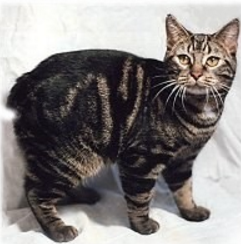
The most notable feature of the Manx cat is its lack of a tail or a very short tail. This trait is due to a natural genetic mutation. You might see Manx cats with no tail at all, a stump, or a full tail, but the tailless variety is the most famous.
Besides their tail, Manx cats have a rounded body, strong hind legs, and a broad chest. Their fur varies from short to long, and they come in many colors and patterns. When you breed Manx cats, it’s essential to recognize these physical traits to maintain breed standards.
Temperament And Behavior
Manx cats are known for being affectionate and social. They often bond closely with their owners and enjoy interactive play. If you want a companion that’s both playful and loyal, a Manx might be the right choice.
They are also intelligent and curious, often exploring their environment with enthusiasm. Have you noticed how some Manx cats seem to understand your moods? Their sensitivity and responsiveness make them excellent pets.
Common Health Issues
Breeding Manx cats requires attention to certain health risks linked to their unique genetics. The gene causing the tailless trait can lead to spinal problems or digestive issues in some cats. This makes careful selection of breeding pairs vital to avoid severe conditions.
One common condition is Manx Syndrome, which affects the spine and can cause mobility problems. Regular veterinary check-ups and observing your cat’s movement can help catch issues early. How prepared are you to manage these potential health challenges in your breeding program?
Credit: medium.com
Breeding Basics
Breeding Manx cats requires a clear understanding of their unique traits and careful planning. This breed is famous for its lack of a tail or a very short tail. Breeders must know the genetics behind this feature and choose pairs wisely. Ethical choices are vital to ensure healthy kittens and maintain the breed’s qualities.
Selecting Breeding Pairs
Choose healthy cats with strong Manx traits. Look for good body shape, coat quality, and temperament. Avoid breeding two cats with no tails, as this increases health risks. Pair a tailless cat with one that has a normal tail to reduce problems. Always check for genetic health issues before breeding.
Genetics Of Tail Length
Manx tail length depends on a specific gene. This gene is dominant and can cause tail loss. Cats with two copies of this gene often have severe health problems. Breeders usually mate one tailless cat with a tailed cat. This method helps produce healthy kittens with varying tail lengths.
Breeding Ethics And Considerations
Focus on the health and welfare of cats. Avoid breeding pairs that could pass harmful genes. Provide good care for mother cats during pregnancy and after birth. Do not breed cats with severe defects or poor health. Responsible breeding helps keep the Manx breed strong and healthy.
Preparing For Breeding
Preparing for breeding Manx cats requires careful planning and attention. This stage sets the foundation for healthy kittens and happy parents. Focus on health, age, and environment to ensure success. Each factor plays a vital role in the process.
Health Screening
Health checks are essential before breeding Manx cats. Tests for genetic diseases help avoid passing problems to kittens. Common screenings include:
- Spinal defects
- Heart conditions
- Parasite checks
Consult a vet for a full health assessment. Vaccinations and parasite control must be up to date. Healthy parents lead to healthier litters.
Optimal Breeding Age
Manx cats reach breeding maturity around one year old. Breeding too early can harm the mother and kittens. Wait until the cat is physically and emotionally ready. Avoid breeding older cats as risks increase with age. Ideal breeding age range:
| Cat Age | Breeding Status |
|---|---|
| Below 1 year | Not recommended |
| 1 to 5 years | Optimal |
| Over 5 years | Higher risk |
Creating A Safe Environment
Prepare a quiet, clean space for the Manx cat to mate and raise kittens. This area should be free from stress and loud noises. Provide soft bedding and easy access to food and water. Limit access to other pets or strangers. A calm environment helps reduce complications during pregnancy and birth.

Credit: www.petsradar.com
Pregnancy And Kitten Care
Pregnancy and kitten care are crucial phases in breeding Manx cats. The unique genetics of Manx cats, especially their tailless trait, require attentive care to ensure both the queen and her kittens stay healthy. Understanding what to expect and how to support your cats through this journey can make a significant difference in outcomes.
Monitoring Pregnancy
Keep a close eye on your queen’s behavior and physical changes throughout her pregnancy. Around the third week, you might notice her nipples becoming pinker and more prominent. Regular vet visits are essential to confirm pregnancy and check for any complications.
Manx cats can have complications due to their spinal structure, so watch for signs like lethargy or discomfort. Use a quiet, comfortable space for her to rest and avoid unnecessary stress. How often do you check your cat’s health during pregnancy?
Nutrition For Expecting Queens
Feed your pregnant Manx a high-quality diet rich in protein and essential nutrients. As pregnancy progresses, increase the food quantity to support the growing kittens. Supplements are usually unnecessary unless recommended by a vet.
Provide fresh water at all times and consider adding wet food for extra hydration. Avoid sudden diet changes that can upset her stomach. Have you noticed how a queen’s appetite changes as she gets closer to delivery?
Kitten Development Stages
Kittens develop rapidly from birth to weaning. In the first two weeks, they rely entirely on their mother’s milk and sleep most of the time. Around week three, their eyes open, and they begin to crawl and explore.
By four to six weeks, kittens start eating solid food and playing actively. Socialization is vital now, so gentle handling helps them grow confident. Are you prepared to support their growth during these exciting stages?
Handling Challenges
Breeding Manx cats comes with unique challenges that demand careful attention and knowledge. Their distinctive genetics can cause specific health issues that you must understand before deciding to breed. Handling these challenges properly ensures the well-being of both the cats and their kittens.
Dealing With Manx Syndrome
Manx Syndrome is a serious condition linked to the Manx cat’s shortened or missing tail. It affects the spine and can cause problems like paralysis, digestive issues, or urinary incontinence.
Breeders should screen for this syndrome by observing the cat’s mobility and behavior closely. Avoid breeding cats that show symptoms or have a strong family history of Manx Syndrome to reduce the risk.
Ask yourself: Are you prepared to manage a cat’s health complications if Manx Syndrome appears? Early detection and responsible breeding choices are key.
Managing Tail-related Issues
Manx cats can have a full tail, a short tail, or no tail at all. This variation sometimes leads to balance problems or joint issues.
Providing a safe environment without slippery floors and offering gentle exercise can help your Manx maintain good mobility. Regularly check their spine and tail area for any signs of discomfort or injury.
Consider how you will adjust your home and care routine to accommodate these unique physical traits.
When To Seek Veterinary Help
Knowing when to consult a vet is crucial. If your Manx shows signs of pain, difficulty walking, or unusual bathroom habits, don’t wait.
Regular vet visits can catch problems early, especially with this breed’s predisposition to spinal issues. Keep a record of any symptoms and share them with your vet to get the best advice.
Will you commit to proactive health monitoring to keep your Manx healthy? Timely veterinary care can make all the difference.
Raising Healthy Kittens
Raising healthy Manx kittens is essential for their long, happy life. Proper care during their early weeks shapes their health and behavior. Focus on social skills, medical care, and nutrition. These areas help kittens grow strong and confident.
Socialization Tips
Start socializing kittens early. Handle them gently every day. Let them meet different people and sounds. This builds trust and reduces fear. Play with toys to boost their motor skills. Encourage calm interactions with other pets. Create a safe and quiet space for rest.
Vaccinations And Vet Visits
Schedule vet visits as soon as kittens are born. Follow the vaccination plan recommended by your vet. Common vaccines protect against feline diseases. Regular check-ups catch health problems early. Keep records of all vaccinations and treatments. Watch for any signs of illness and report them quickly.
Weaning And Feeding
Begin weaning kittens at about four weeks old. Offer soft, wet kitten food alongside mother’s milk. Gradually reduce milk as they eat more solid food. Provide fresh water at all times. Feed small, frequent meals to support growth. Choose high-quality food designed for kittens. Monitor their weight and adjust food amounts as needed.
Finding Homes For Kittens
Finding loving homes for Manx kittens requires care and responsibility. It ensures each kitten grows up happy and healthy. Thoughtful placement helps maintain the breed’s quality and well-being. This process protects the kittens and satisfies future owners.
Screening Potential Owners
Screening potential owners is vital to the kittens’ future. Ask about their experience with cats and living conditions. Ensure they understand Manx-specific care and potential health needs. A responsible owner offers a safe, clean, and loving home. Use a questionnaire or interview to gather information. Check for allergies, other pets, and family dynamics. This step reduces the risk of neglect or abandonment.
Preparing Adoption Contracts
Adoption contracts protect both the breeder and the new owner. Clearly state the responsibilities of each party. Include clauses about spaying or neutering the kitten. Mention health guarantees and return policies if needed. Specify that the kitten is not for commercial breeding. Contracts help avoid misunderstandings and ensure lifelong care for the cat.
Follow-up Support
Follow-up support builds trust and ensures kitten welfare. Contact new owners after adoption to check on the kitten’s health. Offer advice on diet, behavior, and vaccinations. Encourage owners to share photos and updates. Help solve any problems early to prevent issues. This support creates a community of caring Manx cat lovers.
Frequently Asked Questions
What Makes Manx Cats Unique To Breed?
Manx cats are unique due to their tailless or short-tailed trait. This genetic mutation affects their spine. Breeders focus on preserving this feature while ensuring healthy kittens. Proper knowledge of genetics is essential for responsible Manx breeding.
How Do You Care For Manx Cat Kittens?
Manx kittens need warm, safe environments and proper nutrition. Regular vet check-ups ensure early health issue detection. Socialization and gentle handling help develop friendly, confident cats. Clean litter boxes and grooming maintain hygiene and coat health.
Are Manx Cats Prone To Health Issues?
Yes, Manx cats can have spinal problems due to their genetic mutation. Breeders must screen for Manx Syndrome, which affects mobility. Responsible breeding reduces health risks. Regular vet visits help monitor and maintain their well-being.
What Is The Ideal Breeding Age For Manx Cats?
The ideal breeding age for Manx cats is between one and five years. Breeding too early or late can cause health issues. Ensuring the cat is healthy and mature improves kitten survival rates and overall breeding success.
Conclusion
Breeding Manx cats takes care, patience, and knowledge. Their unique traits make them special pets. Focus on health and good breeding habits. Choose strong, healthy cats for best results. Watch for genetic issues common in Manx cats. A happy, healthy litter brings joy to many.
Enjoy the journey of breeding these rare cats. Keep learning and stay responsible as a breeder. The love for Manx cats grows with each new generation.
