

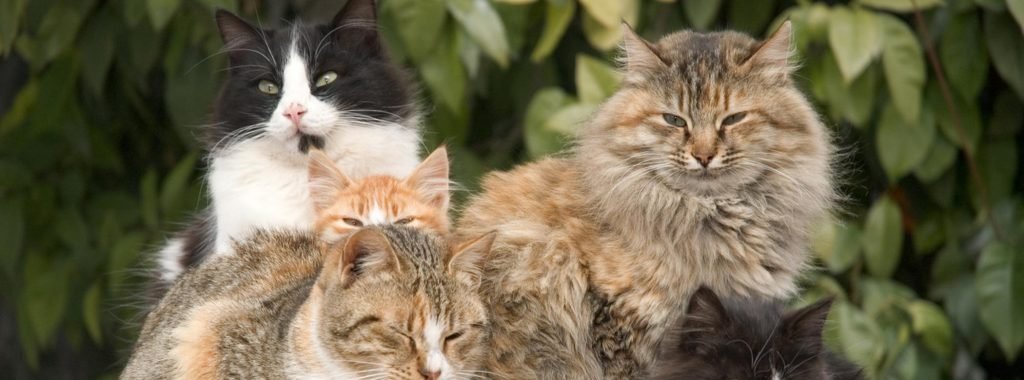
Are you curious about the biggest domestic cat breeds and what makes them stand out? If you’ve ever wondered how large a house cat can really get, you’re in the right place.
These gentle giants aren’t just impressive because of their size—they have unique personalities and charm that can surprise you. Whether you’re thinking about adding a big feline friend to your family or just love learning about amazing cats, this guide will give you all the details you need.
Keep reading to discover which cat breeds might just take your breath away with their size and heart.
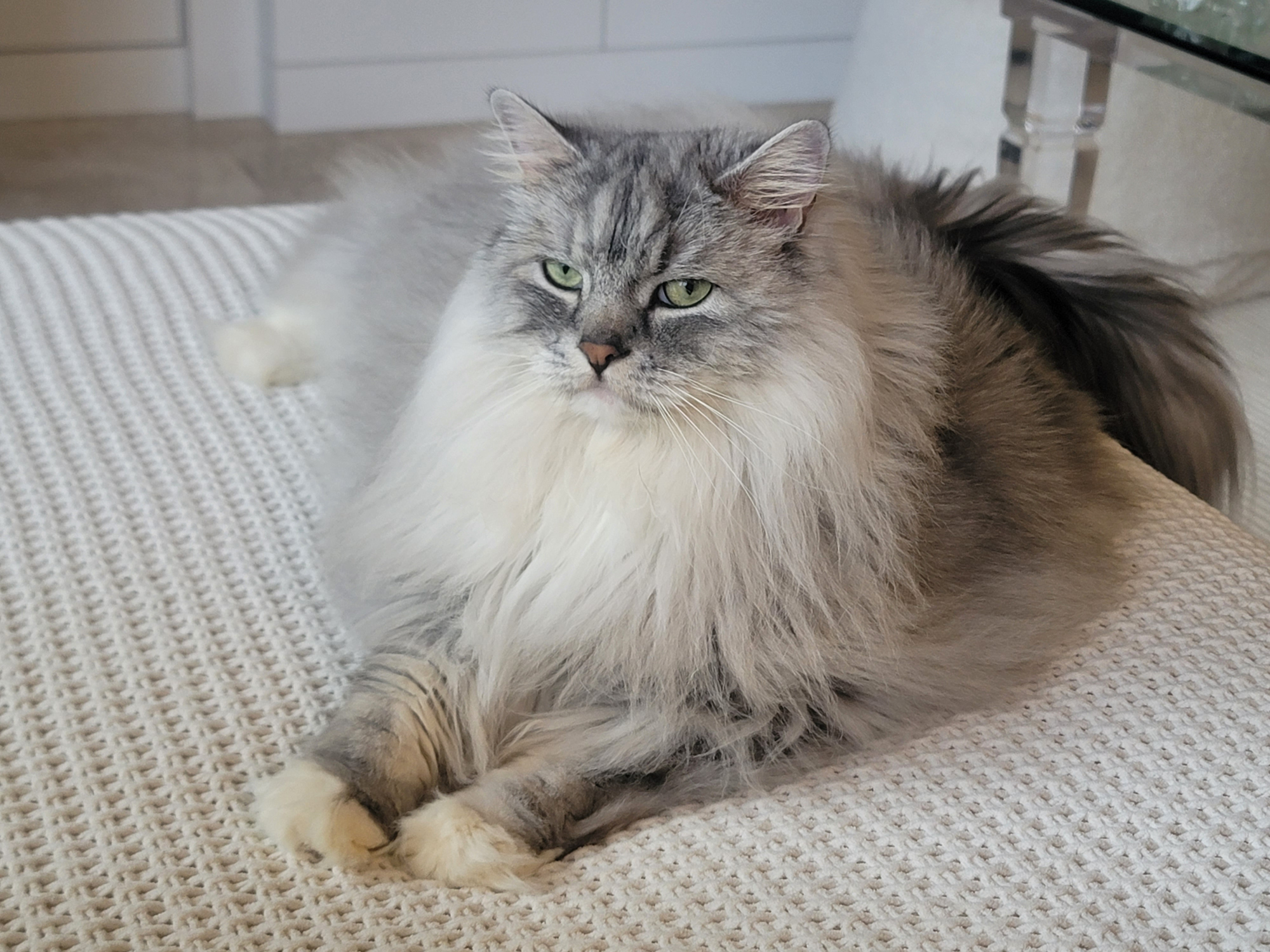
Credit: manypets.com
Largest Cat Breeds
Largest domestic cat breeds capture attention with their impressive size and gentle nature. These cats stand out in any room due to their broad frames and muscular bodies. They bring a unique presence to homes, combining strength with affection.
Many large cat breeds remain loving companions despite their size. They often enjoy play and cuddles, making them great pets. Their size can be surprising, but their temperament is usually calm and friendly.
Maine Coon
The Maine Coon is one of the largest domestic cat breeds. Males can weigh up to 18 pounds or more. They have long, thick fur and bushy tails, perfect for colder climates. Known for their intelligence, Maine Coons are gentle and social cats.
Siberian Cat
Siberian cats are large and powerful with a dense coat. They can weigh between 15 to 20 pounds. These cats are playful and affectionate, often described as dog-like in loyalty. Siberians adapt well to families and other pets.
Ragdoll
Ragdolls are known for their large size and soft fur. Male Ragdolls often weigh 15 to 20 pounds. Their calm and relaxed personality makes them great lap cats. They are famous for going limp when picked up, hence the name.
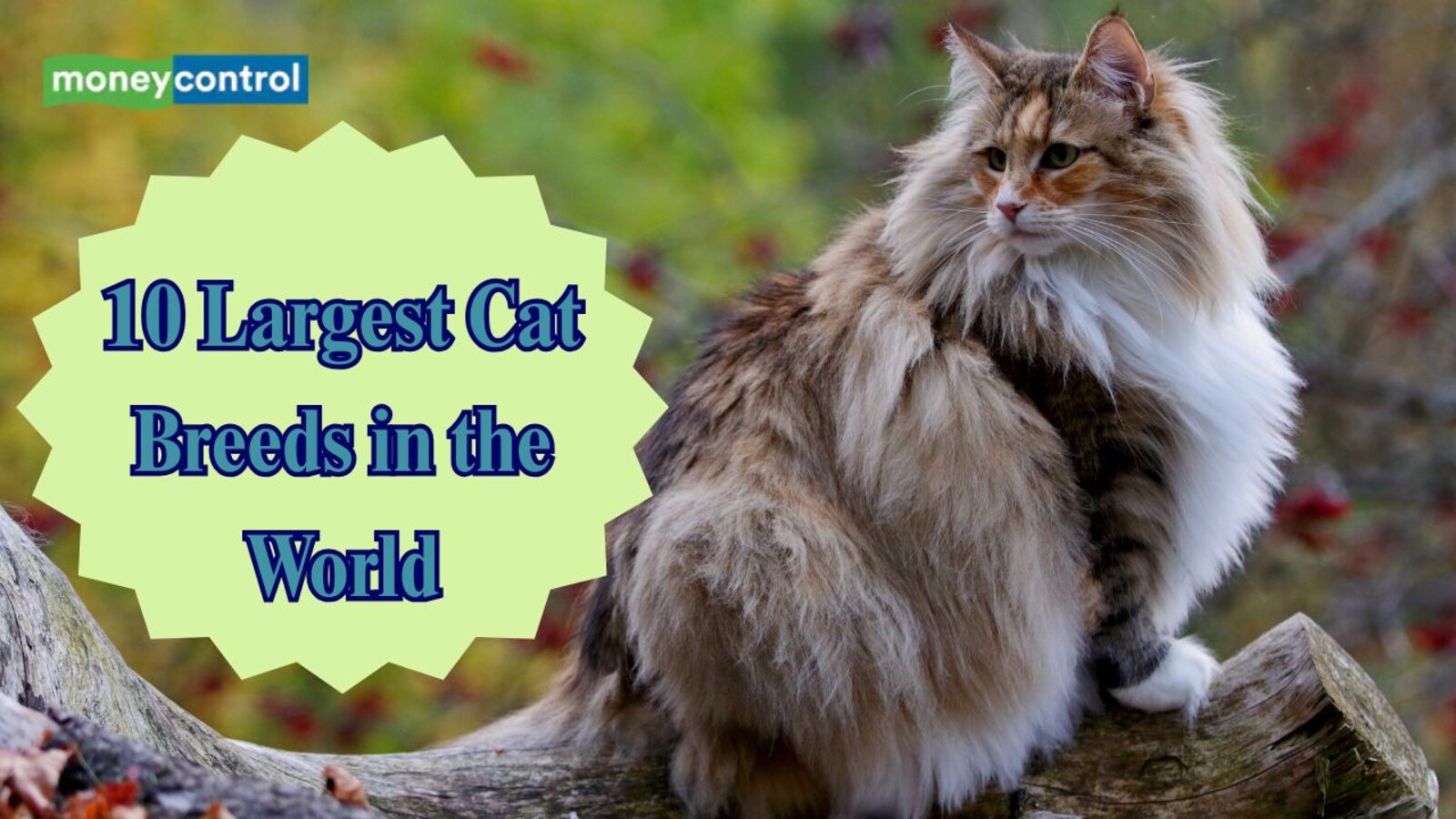
This breed has a sturdy build and thick double coat. Norwegian Forest Cats weigh around 13 to 22 pounds. They are strong climbers with a friendly and curious nature. These cats enjoy exploring and spending time with their owners.
Maine Coon Features
The Maine Coon stands out as one of the largest domestic cat breeds. Known for its impressive size and friendly nature, this breed has a striking appearance. Its thick fur and tufted ears give it a wild look, but its personality is gentle. Maine Coons adapt well to many homes and enjoy being part of the family.
Size And Build
Maine Coons are large and muscular cats. Males often weigh between 13 and 18 pounds, while females are slightly smaller. Their bodies are long with broad chests and strong legs. Their thick, water-resistant fur protects them from cold weather. The tail is long and bushy, adding to their majestic look.
Temperament
This breed is known for being calm and friendly. Maine Coons are social and enjoy spending time with people and other pets. They are playful but not overly energetic. These cats are intelligent and often curious about their surroundings. Their gentle nature makes them great companions for families and children.
Care Tips
- Brush their fur two to three times a week to prevent mats.
- Check ears regularly for dirt and clean if needed.
- Provide scratching posts to keep their claws healthy.
- Feed a balanced diet to maintain their large build.
- Regular vet check-ups are important for overall health.
Savannah Cat Traits
The Savannah cat stands out among domestic breeds for its striking appearance and large size. This breed blends the wild look of a leopard with a friendly, social nature. These cats have long legs, large ears, and spotted coats that make them truly unique. Their traits make them a favorite for owners who want a pet that looks exotic but behaves like a house cat.
Origins And Size
The Savannah cat is a hybrid between a domestic cat and a serval, a wild African cat. This mix gives the Savannah its impressive size and distinct spots. Males can weigh up to 25 pounds or more, while females are usually smaller. They have long, lean bodies and tall legs, which help them jump very high and run fast.
Personality
Savannah cats are curious and intelligent. They enjoy playing and exploring their surroundings. These cats often form strong bonds with their owners and like to be involved in daily activities. They are social and can get along well with other pets. Their wild ancestry makes them very alert and active, needing plenty of mental and physical stimulation.
Living Requirements
Savannah cats need space to move and climb. Tall cat trees and interactive toys keep them entertained. They thrive in homes where owners spend time playing with them. These cats may enjoy water and can even learn to fetch. Regular exercise helps prevent boredom and keeps them healthy. Owners should provide a safe environment, as Savannahs are adventurous and may try to escape outdoors.

Credit: www.yahoo.com
Norwegian Forest Cat
The Norwegian Forest Cat stands out as one of the largest domestic cat breeds, known for its robust build and thick fur. This breed has adapted to harsh climates, making it a resilient and fascinating companion. If you want a cat that combines strength with beauty, the Norwegian Forest Cat might be your perfect match.
Physical Characteristics
Norwegian Forest Cats have a strong, muscular body and can weigh between 12 to 16 pounds, with some males reaching even more. Their most notable feature is the dense double coat, which includes a woolly undercoat and long, water-resistant guard hairs. They also have tufted ears, bushy tails, and almond-shaped eyes that give them a wild, majestic appearance.
Behavior Patterns
These cats are known for being friendly but independent, giving you the perfect balance if you want companionship without clinginess. They enjoy climbing and exploring, so having tall cat trees or shelves will keep them entertained. Despite their wild look, they are gentle and often form strong bonds with their families.
Grooming Needs
The thick coat of a Norwegian Forest Cat requires regular grooming to prevent mats and tangles. Brushing them two to three times a week usually keeps their fur healthy and shiny. You might find grooming time a chance to bond with your cat while keeping their coat in top shape.
Ragdoll Characteristics
The Ragdoll cat stands out among domestic breeds for its impressive size and unique personality. These cats are known for their gentle nature and striking appearance. Understanding their characteristics helps you decide if a Ragdoll fits your home and lifestyle.
Body Size
Ragdolls are one of the largest domestic cat breeds. Males often weigh between 15 to 20 pounds, while females tend to be slightly smaller, around 10 to 15 pounds.
Their muscular build and long, silky fur make them look even bigger. If you prefer a cat that feels like a little lion in your lap, Ragdolls deliver that physical presence without being bulky or aggressive.
Temperament
Ragdolls are famous for their calm and friendly nature. They tend to go limp when you pick them up, which is how they got their name.
These cats enjoy being around people and usually get along well with children and other pets. If you want a cat that follows you from room to room and loves to snuggle, the Ragdoll will likely suit your needs.
Care Guidelines
Despite their long fur, Ragdolls don’t mat easily, but regular brushing helps prevent tangles and reduces shedding. Brushing twice a week is often enough.
They benefit from interactive play to keep their muscles toned and minds sharp. Don’t forget to check their ears and trim their nails regularly to avoid common health issues.
Have you noticed how some cats seem to crave constant attention? Ragdolls are affectionate but also enjoy their quiet time. Balancing play and rest is key to keeping them happy.
Chausie Cat Breed
The Chausie cat breed is a striking mix of wild and domestic traits. This breed is known for its large size and sleek, athletic body. It carries a wild look but has a friendly and social nature. The Chausie is a perfect choice for those who want a big, active, and unique cat. Its roots trace back to crossing domestic cats with the wild jungle cat, giving it a distinct appearance and behavior.
Appearance
The Chausie has a long, lean body with strong muscles. Its legs are long, making the cat appear taller than most breeds. The coat is short and dense, often spotted or ticked, resembling wild cats. Eyes are large, almond-shaped, and usually bright green or amber. Ears are large and pointed, set high on the head. This breed’s overall look is elegant yet wild.
Energy Levels
Chausies are highly energetic and playful. They love to climb, jump, and explore their surroundings. These cats need plenty of exercise and mental stimulation. They enjoy interactive toys and games with their owners. Without enough activity, they may become bored or restless. Expect a lively and curious companion that stays active all day.
Housing Considerations
Chausie cats need space to move freely and safely. A large indoor area with climbing structures suits them well. Outdoor access should be secure to prevent escape or danger. They appreciate high perches and hiding spots to feel secure. Regular playtime and interaction are essential to keep them happy. Providing a stimulating environment helps manage their energy and instincts.
Tips For Giant Cat Care
Taking care of giant domestic cats requires attention to their unique needs. Their size means they need more space, specific nutrition, and regular health checks to stay happy and healthy. Let’s dive into some practical tips that can help you give your large feline the best care possible.
Diet And Nutrition
Large cats need a diet that supports their bigger bodies without causing weight problems. You should feed them high-quality protein to maintain strong muscles and avoid fillers like excessive grains or artificial additives.
Consider foods rich in omega-3 fatty acids, which help their coat stay shiny and skin healthy. You might want to split their daily food into smaller, frequent meals to aid digestion and prevent overeating.
Have you noticed your giant cat’s energy levels dipping? Adjusting their diet could be the key to keeping them active and vibrant.
Exercise
Exercise is essential to prevent obesity and keep your cat’s joints flexible. Large cats often need more encouragement to move, so interactive toys like laser pointers or feather wands can help spark their interest.
Set up climbing spaces or large cat trees that can hold their weight. These provide both physical activity and mental stimulation, which giant cats need to avoid boredom.
How do you make playtime engaging for your big cat? Try changing toys regularly or creating obstacle courses around your home to keep things fresh.
Health Monitoring
Regular vet visits become even more important with larger cats because they can be prone to joint issues and heart problems. Keep an eye on their mobility—any signs of limping or reluctance to jump should prompt a vet check.
Monitor their weight closely and watch for changes in appetite or behavior. These can be early signs of health issues that giant cats are more likely to develop.
Have you set up a simple routine to check your cat’s health at home? Daily observation can catch problems before they become serious.
Choosing The Right Giant Cat
Choosing the right giant cat means more than picking a breed based on size alone. These majestic pets have unique needs that can impact your daily life and home environment. Understanding what fits your lifestyle helps you create a happy and healthy space for both you and your new feline friend.
Lifestyle Compatibility
Giant cat breeds often have distinct personalities and activity levels. Some, like the Maine Coon, are playful and social, while others, such as the Norwegian Forest Cat, might prefer quiet and calm surroundings.
Ask yourself how much time you can dedicate to play and interaction. Do you want a cat that enjoys being the center of attention, or one that’s more independent? Matching your energy to your cat’s personality prevents frustration for both of you.
Space Requirements
Big cats need room to move comfortably. Their size isn’t just about length or weight but also their need for vertical and horizontal space to stretch and explore.
Consider if you have enough space for larger litter boxes, bigger beds, and sturdy climbing structures. Cats like the Savannah thrive with ample vertical space, which can mean investing in tall cat trees or shelves.
Long-term Commitment
Giant cats often have longer lifespans and specific health needs. Owning one means being ready for veterinary visits, special diets, and sometimes higher grooming demands.
Think about your ability to care for a large cat for 12 to 15 years or more. Are you prepared for the time, expense, and emotional investment? This commitment shapes the quality of life your cat will enjoy.
Credit: www.moneycontrol.com
Frequently Asked Questions
What Are The Biggest Domestic Cat Breeds?
The biggest domestic cat breeds include the Maine Coon, Savannah, Ragdoll, and Norwegian Forest Cat. These cats are known for their large size, muscular build, and friendly nature. They often weigh between 15 to 25 pounds or more, making them some of the largest pet cats worldwide.
How Big Do Maine Coon Cats Grow?
Maine Coon cats can grow up to 40 inches long, including the tail. They typically weigh between 13 to 18 pounds, with some males reaching over 20 pounds. Known for their tufted ears and bushy tails, Maine Coons are gentle giants with a sociable temperament.
Are Savannah Cats The Largest Domestic Breed?
Savannah cats are among the largest domestic breeds, often weighing 12 to 25 pounds. Their size depends on the generation and hybrid percentage with wild servals. Savannahs are tall, lean, and active cats, known for their striking spotted coats and playful behavior.
Which Domestic Cat Breed Is The Heaviest?
The Maine Coon breed is generally considered the heaviest domestic cat breed. Adult males can weigh between 15 to 25 pounds. Their robust frame and dense fur contribute to their large appearance. They are friendly, intelligent, and adapt well to family life.
Conclusion
Big domestic cat breeds bring charm and warmth to any home. They often have gentle, calm personalities that many love. These cats enjoy space and attention from their owners. Choosing a big breed means more cuddles and fun playtime. Each breed has unique traits that make them special.
Remember, caring for a large cat needs time and patience. These cats show love in their quiet, strong way. Big cats make great friends for families and singles alike. Their size is just part of their wonderful nature.
