

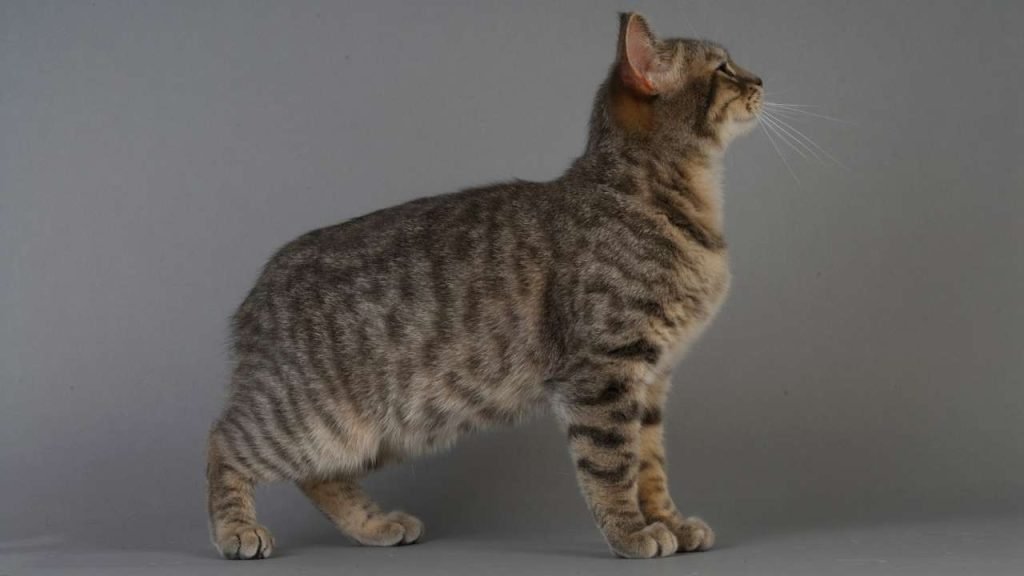
If you have a Manx cat or are thinking about bringing one into your home, understanding their health is crucial. These unique cats are known for their tailless bodies and playful nature, but they can face specific health problems that you need to watch out for.
Knowing what to expect can help you keep your furry friend happy and healthy. You’ll discover the common health issues Manx cats face and simple steps you can take to protect your pet. Keep reading to make sure your Manx cat lives a long, joyful life by your side.
Common Health Issues
Understanding the common health issues faced by Manx cats can help you provide better care and prevent serious complications. These cats are unique, but their distinctive traits come with specific health risks. Knowing what to watch for keeps your feline friend happy and healthy.
Genetic Disorders
Manx cats often carry genetic disorders linked to their distinctive tail mutation. One major concern is the Manx gene, which can cause problems in kittens if inherited from both parents.
This genetic trait may lead to severe deformities or stillbirths. Breeders and owners should be cautious and avoid breeding two Manx cats with the gene to reduce risks.
Spinal Problems
The Manx gene affects the spine, sometimes causing spinal defects like spina bifida or sacral agenesis. These conditions can result in mobility issues or difficulty controlling the bladder and bowels.
You might notice your cat struggling to jump or showing signs of pain. Regular veterinary check-ups can help detect and manage these issues early.
Digestive Concerns
Some Manx cats develop digestive problems, including constipation and megacolon. These issues occur because their shortened spine can affect the nerves controlling the colon.
If your cat strains during bowel movements or has irregular stools, it’s time to consult your vet. Dietary adjustments and medication can often improve these conditions.
Heart Conditions
Heart problems, such as hypertrophic cardiomyopathy, have been reported in Manx cats. This disease thickens the heart muscle and can lead to serious complications if not monitored.
Regular heart screenings are important, especially as your cat ages. Early detection helps you take action before symptoms become severe.

Credit: www.petsradar.com
Preventive Care
Preventive care is the cornerstone of keeping your Manx cat healthy and happy. This breed has unique health needs, so staying ahead of potential problems is crucial. By focusing on prevention, you can help your furry friend live a longer, more comfortable life.
Regular Vet Visits
Taking your Manx cat to the vet regularly is essential. These visits allow early detection of common Manx health issues like spinal problems or arthritis. Your vet can also check their overall condition and suggest lifestyle changes if needed.
How often should you visit the vet? Twice a year is a good rule of thumb for adult cats, but younger or older cats might need more frequent check-ups. Remember, catching a problem early can save your cat from pain and costly treatments later.
Vaccination Schedule
Vaccinations protect your Manx cat from many dangerous diseases. Make sure you follow a vet-approved vaccination schedule tailored to your cat’s age and lifestyle. Core vaccines usually include rabies, feline distemper, and respiratory infections.
Missing a booster shot can leave your cat vulnerable. Ask your vet about the best timing for vaccines, especially if your cat spends time outdoors or interacts with other animals. Keeping vaccinations up to date is one of the simplest ways to safeguard your cat’s health.
Parasite Control
Parasites like fleas, ticks, and worms can cause serious health problems for Manx cats. Regular parasite control prevents discomfort and diseases such as anemia or tapeworm infections. Use vet-recommended treatments consistently, even if your cat stays indoors most of the time.
Do you know that some parasites can affect humans too? Protecting your cat also protects your family. Check your cat’s coat and behavior frequently, and never hesitate to consult your vet if you spot anything unusual.
Diet And Nutrition
Diet and nutrition play a crucial role in managing your Manx cat’s health. Their unique body structure and energy needs mean you have to be extra careful about what you feed them. Proper nutrition supports their overall vitality and helps prevent some common health issues.
Balanced Diet Tips
Give your Manx cat a diet rich in high-quality protein to support muscle strength. Look for cat foods that list real meat like chicken, turkey, or fish as the first ingredient. Cats are obligate carnivores, so protein is essential for their energy and health.
Don’t forget about fats—healthy fats like omega-3 and omega-6 fatty acids keep their coat shiny and skin healthy. Add wet food to their diet occasionally; it helps with hydration and is easier on their kidneys. You might notice your Manx prefers certain flavors—use this to your advantage to keep them excited about meals.
Supplements For Vitality
Sometimes, your Manx cat might need a little extra help from supplements. Taurine is a vital amino acid for heart and eye health, and not all commercial foods have enough. Ask your vet if a taurine supplement could benefit your cat.
Glucosamine and chondroitin support joint health, especially since Manx cats can be prone to spinal issues. Adding these supplements can improve mobility and comfort. Always check with your vet before adding any supplements to your cat’s diet.
Foods To Avoid
Some common foods can be harmful to your Manx cat and should be avoided completely. Never feed them onions, garlic, chocolate, or grapes—these can cause serious health problems. Dairy products might upset their stomach since many cats are lactose intolerant.
Be cautious with treats high in carbohydrates or fillers; they add empty calories and can lead to obesity. You might think sharing your snacks is harmless, but some human foods can be toxic. Always stick to cat-safe treats and foods to keep your Manx healthy and happy.
Exercise And Mental Health
Exercise plays a crucial role in maintaining your Manx cat’s mental and physical well-being. Without enough activity, these unique cats can develop behavioral issues or become stressed. Keeping your Manx active not only helps their body but also sharpens their mind.
Activity Needs
Manx cats are naturally curious and energetic. They need daily bursts of activity to stay healthy and happy. Aim for at least 15-20 minutes of playtime, twice a day, to meet their exercise requirements.
Try short, frequent sessions rather than one long playtime. This mimics their natural hunting behavior and keeps them engaged. Have you noticed how your Manx suddenly perks up with a quick game of chase?
Interactive Toys
Interactive toys are a fantastic way to stimulate your Manx’s mind and body. Toys that move or make sounds can capture their attention and encourage active play.
- Laser pointers for chasing
- Feather wands to mimic prey
- Puzzle feeders that challenge their problem-solving skills
These toys help prevent boredom and reduce destructive behavior. Have you tried rotating toys to keep your cat curious and excited?
Stress Reduction
Exercise is a natural stress reliever for Manx cats. Physical activity releases endorphins, which improve mood and calm anxiety. A tired cat is less likely to develop stress-related health problems.
Providing a safe, stimulating environment with plenty of opportunities to play helps reduce stress. Consider creating vertical spaces or hiding spots for your cat to explore and feel secure. What small changes can you make today to lower your cat’s stress levels?
Grooming Practices
Grooming your Manx cat is not just about keeping it looking good; it plays a vital role in its overall health. Regular grooming sessions help prevent common health issues and allow you to spot any concerns early. Understanding the right grooming practices can make a big difference in your cat’s comfort and well-being.
Coat Care
Manx cats have dense, plush coats that need gentle but consistent care. Brushing your cat at least twice a week removes loose fur and reduces hairballs. Pay close attention to areas like the tail base and belly, where mats can form unnoticed.
Have you noticed how your Manx reacts during grooming? If your cat resists, try shorter sessions with soft brushes to build trust. Using a rubber grooming mitt can also be a gentle alternative that your cat might enjoy more.
Nail Trimming
Keeping your Manx’s nails trimmed prevents painful overgrowth and accidental scratches. Aim to trim nails every two weeks, checking for any signs of splitting or infection. If your cat is nervous, try trimming after a play session when it’s more relaxed.
Use sharp, cat-specific nail clippers and avoid cutting too close to the quick, the pink area inside the nail. If you’re unsure, ask your vet or groomer to demonstrate the proper technique to avoid injury.
Dental Hygiene
Dental care is often overlooked but crucial for your Manx cat’s health. Regular brushing with a cat-safe toothpaste reduces plaque and prevents gum disease. Start slowly by letting your cat taste the toothpaste and gradually introduce brushing.
Besides brushing, offer dental treats and toys designed to clean teeth and massage gums. How often do you check your cat’s mouth? Early detection of dental issues can save your pet from pain and costly treatments later.

Credit: www.aol.com
Recognizing Warning Signs
Spotting health issues early in your Manx cat can make all the difference. These cats have unique traits that sometimes hide warning signs. Learning to recognize subtle changes can help you act before problems get serious.
Behavioral Changes
Has your Manx suddenly stopped jumping on furniture or seems less playful? These shifts might signal discomfort or pain. Watch for:
- Increased hiding or avoidance of interaction
- Changes in grooming habits, like excessive licking or neglect
- Unusual aggression or irritability
Remember, even small changes in behavior can reflect underlying health problems. Your cat can’t tell you when something hurts, so you must be their voice.
Physical Symptoms
Physical signs are often clearer but can still be easy to miss. Look closely for:
- Difficulty jumping or moving, especially since Manx cats have unique spines
- Swelling or lumps near the tail or back
- Changes in eating or drinking habits
- Visible wounds or sores that don’t heal
I once noticed a slight limp in my Manx and later found a spinal issue. Catching it early made treatment much easier. Don’t ignore small physical symptoms—they can be your first clues.
When To Seek Help
Not every change means a trip to the vet, but some signs need prompt attention. You should seek professional help if your cat:
- Stops eating or drinking for more than 24 hours
- Shows persistent pain or distress
- Has difficulty urinating or defecating
- Exhibits sudden severe behavior changes
Ask yourself: Is this something you can monitor, or is it a red flag? Trust your instincts and don’t hesitate to get advice from your vet. Early intervention can prevent many serious complications in Manx cats.

Credit: petcareshed.com.au
Frequently Asked Questions
What Are Common Manx Cat Health Issues?
Manx cats often face unique health challenges. These include spinal cord defects due to their taillessness, such as Manx syndrome. Urinary tract issues and digestive problems are also common. Regular veterinary check-ups help in early detection and management of these conditions.
How Does Manx Syndrome Affect Cats?
Manx syndrome is a genetic condition affecting the spine. It can lead to neurological problems, incontinence, and mobility issues. The severity varies among affected cats. Early diagnosis and supportive care are crucial for managing symptoms effectively.
Do Manx Cats Have Digestive Problems?
Yes, Manx cats can experience digestive problems. These may include constipation and megacolon. Their unique anatomy contributes to these issues. A balanced diet and regular vet visits help manage digestive health effectively.
Are Manx Cats Prone To Urinary Issues?
Manx cats can be prone to urinary tract issues. Their spinal abnormalities sometimes impact bladder function. Symptoms include frequent urination and discomfort. Prompt veterinary attention is essential for diagnosis and treatment.
Conclusion
Manx cats bring joy but need special care. Their unique body can cause health challenges. Watch for signs of spinal or joint problems. Regular vet visits help catch issues early. A healthy diet supports their strong bones. Keep your cat active to avoid obesity.
Know common problems to give the best care. Loving attention makes a big difference. Stay informed and patient with your Manx cat. They will thank you with love and loyalty.
