

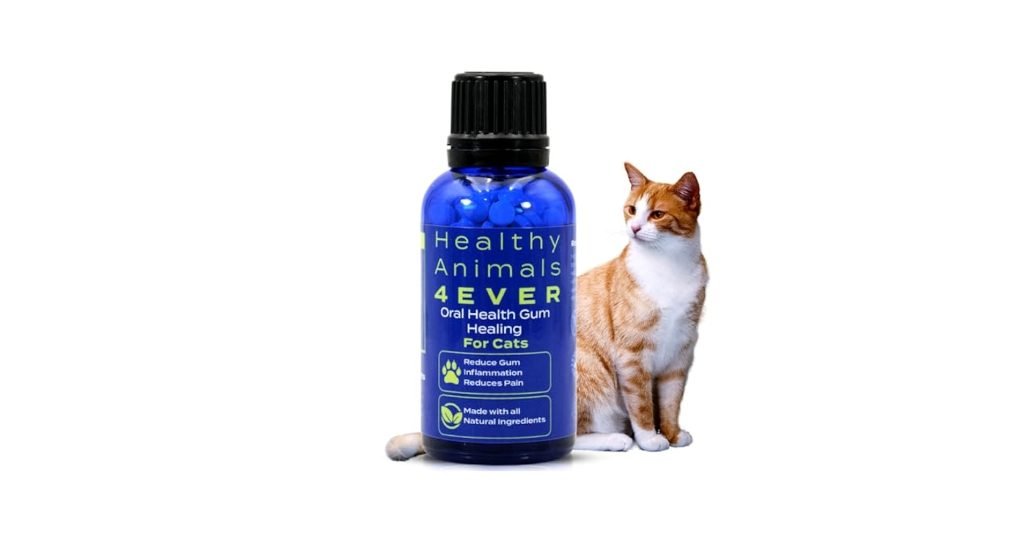
Your cat’s smile says a lot about their health, and healthy gums are a big part of that. If you’ve ever noticed bad breath, red or swollen gums, or your cat avoiding eating, these could be signs of gum problems.
Taking care of your cat’s gum health is easier than you think, and it can save them from pain and costly vet visits. Keep reading to discover simple steps you can take to keep your furry friend’s gums strong and their smile bright.

Credit: www.ebay.com
Importance Of Cat Gum Health
Cat gum health is often overlooked but plays a key role in overall well-being. Healthy gums protect teeth and prevent pain or infection. Poor gum health can lead to serious problems, including tooth loss and systemic illness. Paying attention to your cat’s gums helps detect issues early and keeps your pet comfortable.
Signs Of Healthy Gums In Cats
- Pink color without redness or swelling
- Firm texture, not soft or bleeding
- Fresh breath without strong odor
- Cat shows no signs of discomfort while eating
Risks Of Poor Gum Health
- Gum inflammation can cause pain and bleeding
- Untreated gum disease leads to tooth loss
- Infections may spread to other organs
- Chronic bad breath signals underlying issues
Benefits Of Maintaining Cat Gum Health
- Prevents painful dental diseases
- Supports strong teeth for eating
- Improves overall health and vitality
- Reduces vet visits and medical costs
Common Gum Problems In Cats
Cats can suffer from several gum problems that affect their health. These issues cause pain and discomfort. Early signs are often subtle and easy to miss. Regular checks help catch problems early.
Common gum problems in cats include gingivitis, periodontitis, and stomatitis. Each condition varies in severity and treatment.
Gingivitis
Gingivitis is the inflammation of the gums. It is usually the first stage of gum disease. Gums become red, swollen, and may bleed. Bad breath is a common sign. This condition is reversible with proper care.
Periodontitis
Periodontitis is a more severe gum disease. It affects the tissues supporting the teeth. The gums pull away, forming pockets that trap bacteria. Teeth may loosen or fall out. Treatment focuses on cleaning and sometimes surgery.
Stomatitis
Stomatitis is a painful inflammation of the mouth and gums. It causes ulcers and severe redness. Cats may stop eating due to pain. This condition often requires veterinary treatment and medication. It can be chronic and hard to manage.
Signs Of Gum Issues To Watch For
Gum problems in cats can cause pain and lead to serious health issues. Early signs often show before the condition worsens. Watching for these signs helps catch problems quickly. Here are key symptoms to notice.
Red Or Swollen Gums
Healthy cat gums are usually pale pink. Redness or swelling shows irritation or infection. Gums may bleed slightly when touched. This can signal gingivitis or other gum diseases. Regularly check your cat’s mouth for these changes.
Bad Breath
Unpleasant breath in cats is often a sign of gum disease. Bacteria build-up causes the foul smell. If your cat’s breath smells strong or sour, it needs attention. Bad breath can also mean other health problems, but gum issues are common.
Difficulty Eating
Cats with gum pain may eat less or avoid hard food. Drooling or pawing at the mouth can also occur. Watch for signs like slow chewing or dropping food. These behaviors often indicate discomfort from gum problems.
Daily Dental Care For Cats
Daily dental care is essential for maintaining your cat’s gum health and preventing painful issues like gingivitis and tooth decay. Consistency is key—just a few minutes each day can make a big difference. You might wonder how to start or improve this routine, but with the right approach, it becomes a simple part of your cat’s day.
Brushing Techniques
Start by choosing a quiet spot where your cat feels comfortable. Use a soft-bristled toothbrush designed for cats or a finger brush for better control. Gently lift their lip and brush in small circular motions along the gum line to remove plaque and food particles.
Patience is important. Some cats take time to get used to brushing, so begin with short sessions and gradually increase the duration. Have you noticed your cat’s reaction to brushing? Adjust your technique based on their comfort to build trust.
Choosing The Right Toothpaste
Never use human toothpaste—it contains ingredients harmful to cats. Instead, select a pet-specific toothpaste with flavors cats enjoy, like poultry or fish. These flavors help make the experience positive and encourage acceptance.
Look for toothpaste with enzymes or antibacterial properties to enhance gum health. You can try different brands to see which one your cat prefers. Have you observed how your cat reacts to certain flavors? This can guide your choice effectively.
Dental Treats And Toys
Dental treats and toys offer a helpful supplement to brushing by reducing plaque buildup. Choose treats that promote chewing and are designed to clean teeth gently. Toys with textured surfaces can massage gums and keep your cat engaged.
- Provide treats that contain natural ingredients and avoid excessive sugars.
- Rotate different toys to maintain your cat’s interest and encourage regular chewing.
- Observe your cat’s chewing habits to pick the most effective toys.
Could adding these treats and toys to your cat’s routine improve their gum health without extra effort? Many cat owners find it a convenient way to support daily dental care.
Diet And Its Role In Gum Health
Diet plays a key role in maintaining your cat’s gum health. The right food supports strong gums and reduces the risk of dental problems. Poor diet can lead to plaque buildup and gum disease. A balanced diet helps fight bacteria and promotes healing in the mouth.
Nutritional Needs
Cats need specific nutrients for healthy gums. Protein is essential for tissue repair and immune function. Vitamins like A, C, and E act as antioxidants and support gum health. Minerals such as calcium and phosphorus strengthen teeth and gums.
Omega-3 fatty acids reduce inflammation in the gums. Water intake helps wash away food particles and bacteria. Dry food can help scrape plaque from teeth, but wet food keeps cats hydrated. A mix of both can benefit gum health.
Foods To Avoid
Avoid sugary treats as they promote plaque and bacteria growth. Sticky or soft foods can cling to teeth, causing decay. Human foods like onions, garlic, and chocolate are toxic and damage gums.
Hard bones or toys may cause gum injuries. Avoid feeding rawhide or sharp objects that could harm the mouth. Feeding only one type of food can cause nutrient gaps and weaken gums.
- Skip sugary snacks and treats
- Do not offer raw bones or hard chews
- Avoid toxic human foods like chocolate and onions
- Provide varied diet to cover all nutrients

Credit: www.amazon.com
Regular Vet Visits And Professional Care
Regular vet visits play a vital role in maintaining your cat’s gum health. These visits help catch early signs of dental problems. Professional care ensures your cat receives the right treatment promptly. Healthy gums prevent pain, infection, and tooth loss. Consistent check-ups and cleanings keep your cat comfortable and happy.
Dental Check-ups
Veterinarians examine your cat’s mouth during dental check-ups. They look for redness, swelling, and plaque build-up. Early detection of gum issues helps avoid serious diseases. Vets also check your cat’s teeth alignment and bite. Regular exams help track changes over time. This routine keeps your cat’s gums strong and healthy.
Professional Cleanings
Professional cleanings remove plaque and tartar that brushing misses. These cleanings reduce bacteria that cause gum disease. The procedure is done under safe anesthesia to keep cats calm. Cleanings help prevent bad breath and tooth decay. Vets polish teeth to create a smooth surface. This care supports long-term gum health in cats.
Home Remedies And Natural Supports
Maintaining your cat’s gum health at home is possible with simple, natural methods. These remedies support gum strength and help prevent common issues. They work gently and keep your cat comfortable.
Natural care focuses on regular cleaning and soothing ingredients. It avoids harsh chemicals, making it safe for your cat’s sensitive mouth. Consistent use helps keep gums pink and healthy.
Brushing With Cat-friendly Toothpaste
Use a soft brush made for cats. Choose toothpaste designed for pets only. These pastes have flavors cats like and do not harm if swallowed. Brushing daily removes plaque that causes gum problems.
Adding Dental Treats To Their Diet
Dental treats help scrape plaque from teeth. They also stimulate saliva, which cleans the mouth naturally. Look for treats with natural ingredients and avoid those with sugar or artificial additives.
Using Herbal Mouth Rinses
Herbs like chamomile and calendula calm inflamed gums. Diluted herbal rinses can be gently wiped on your cat’s gums. These natural supports reduce redness and discomfort.
Providing Raw Bones For Chewing
Raw bones encourage chewing, which cleans teeth naturally. They help scrape off plaque and massage gums. Always supervise your cat while chewing to prevent choking or injury.
Feeding A Balanced, Nutrient-rich Diet
Good nutrition supports strong gums. Diets rich in vitamins C and E strengthen tissue and fight infection. Include wet and dry food to help maintain oral health.

Credit: justcatsclinic.com
Preventing Gum Disease In Cats
Preventing gum disease in cats is essential to keep your furry friend happy and healthy. Gum disease can cause pain, tooth loss, and even affect your cat’s overall health. Taking simple steps to protect your cat’s gums can make a big difference in their quality of life.
Regular Brushing And Oral Care
Brushing your cat’s teeth regularly helps remove plaque before it hardens into tartar. Use a toothbrush and toothpaste made specifically for cats to avoid irritation or harmful ingredients. Even a few times a week can reduce the risk of gum problems.
Have you noticed your cat resisting brushing? Start slowly by letting them sniff the brush or toothpaste, then gently rub their gums with a finger before moving to brushing. Consistency builds comfort and trust.
Providing Dental-friendly Diet And Treats
Your cat’s diet plays a major role in gum health. Dry kibble can help scrape off plaque, while wet food may stick more easily to teeth. Look for dental-specific cat foods and treats designed to support oral health.
Think about treats not just as rewards but as tools to maintain clean teeth. Some treats contain enzymes that break down plaque, offering an easy way to protect gums between brushings.
Routine Veterinary Checkups
Regular vet visits allow early detection of gum disease before it becomes serious. Your vet can professionally clean your cat’s teeth and advise on specific care tailored to your pet’s needs. This prevents small issues from turning into painful infections.
Have you ever wondered what your cat’s mouth looks like beneath their fur? A vet exam can reveal hidden problems you might miss at home. Don’t wait for symptoms like bad breath or drooling; prevention is easier than treatment.
Recognizing Early Signs Of Gum Disease
Watch for redness, swelling, or bleeding around your cat’s gums. Bad breath and reluctance to eat hard food can also signal trouble. Catching these early signs means you can act quickly to protect your cat’s oral health.
Are you paying attention to subtle changes in your cat’s eating habits? Early detection often comes from those little observations you make daily.
Frequently Asked Questions
What Are Common Signs Of Gum Disease In Cats?
Common signs include red, swollen gums, bad breath, drooling, and difficulty eating. Early detection helps prevent severe dental issues.
How Can I Improve My Cat’s Gum Health?
Regular brushing, dental treats, and professional cleanings promote healthy gums. Providing a balanced diet also supports oral hygiene.
Why Is Cat Gum Health Important?
Healthy gums prevent pain, infection, and tooth loss. Good gum care improves your cat’s overall well-being and quality of life.
Can Diet Affect My Cat’s Gum Health?
Yes, proper nutrition strengthens gums and teeth. Avoid sugary or soft foods that encourage plaque buildup and gum inflammation.
Conclusion
Healthy gums keep your cat happy and pain-free. Check their mouth often for signs of trouble. Brush their teeth gently to prevent gum disease. Feed them a balanced diet that supports dental health. Regular vet visits help catch problems early.
Good gum care improves your cat’s life and comfort. Small steps today mean big benefits tomorrow. Keep your feline friend smiling bright and healthy.
