


Have you ever noticed how often your cat stops to lick its fur? You might wonder, just how much time do cats spend grooming each day?
Understanding this can give you a clearer picture of your cat’s health and happiness. Plus, it might surprise you to learn why your furry friend is so obsessed with staying clean. Keep reading, and you’ll discover fascinating facts about your cat’s grooming habits that can help you care for them better every day.
Credit: www.latimes.com
Daily Grooming Duration
Understanding how much time your cat spends grooming daily can give you valuable insight into their health and happiness. Cats are known for their meticulous self-care, but the exact duration can vary widely. Observing your cat’s grooming habits helps you spot any unusual changes early on.
Average Time Cats Spend Grooming
On average, cats dedicate about 30 to 50 minutes each day to grooming themselves. This time includes licking their fur, cleaning their paws, and sometimes even nibbling at problem areas.
Think about your own cat—does it seem to spend a long time cleaning after meals or resting periods? Some cats can even groom up to 70 minutes a day, especially if they’re very active or have long fur.
Variations By Age And Breed
Kittens and younger cats often spend less time grooming because they are still learning the behavior. Older cats might groom less due to arthritis or dental issues, which can make the process uncomfortable.
Breed also plays a role. Long-haired breeds like Persians require more grooming time to keep their coats tangle-free. Short-haired cats, such as the Siamese, usually spend less time but are just as thorough.
- Senior cats may need your help with grooming if they struggle with mobility.
- Long-haired breeds may need regular brushing to complement their grooming.
- Monitor any sudden changes in grooming time; it could indicate stress or illness.
Have you noticed your cat spending more or less time grooming recently? Paying attention to these details can help you maintain their well-being and comfort every day.
Reasons For Grooming
Cats spend a significant portion of their day grooming, but have you ever wondered why? Grooming is more than just keeping fur neat—it’s essential for their health and well-being. Understanding the reasons behind this behavior can help you appreciate your cat’s daily rituals and even spot when something might be off.
Maintaining Cleanliness
Grooming helps cats remove dirt, loose fur, and parasites from their coat. This keeps their skin healthy and prevents infections. When you see your cat licking its fur, it’s actively cleaning itself, much like you would wash your hands to stay fresh.
Have you noticed how cats always seem spotless, even after playing outside? That’s their grooming at work, ensuring they stay clean and free from debris.
Regulating Body Temperature
Cat grooming isn’t just about cleanliness—it also helps control body temperature. By spreading saliva over their fur, cats cool down as the moisture evaporates. This natural cooling method is especially useful in warm weather.
Conversely, in colder weather, grooming fluffs up their fur, trapping heat close to the skin. This clever adjustment keeps cats comfortable no matter the season.
Stress Relief And Comfort
Grooming serves as a calming activity for cats. It releases endorphins, which can reduce stress and provide comfort. You might see your cat groom more when it feels anxious or after a stressful event.
Think about how you might fidget or take deep breaths to relax—grooming is your cat’s way of coping. Have you ever tried gently brushing your cat during these times? It often helps them feel more secure and less restless.
Grooming Techniques
Cats invest a surprising amount of time in grooming, using a variety of techniques to keep themselves clean and comfortable. These grooming habits not only maintain their coat but also help regulate body temperature and reduce stress. Understanding these techniques can give you a deeper appreciation of your cat’s daily routine and overall well-being.
Licking And Biting
Licking is the most common grooming technique cats use. Their rough tongues act like tiny combs, removing dirt and loose fur efficiently.
You might notice your cat biting gently at certain spots. This helps remove stubborn debris or mats that licking alone can’t fix. Have you ever wondered why your cat sometimes seems so focused on a single patch of fur? That’s because biting allows precise control over problem areas.
Using Paws For Cleaning
Cats often use their paws as tools for grooming. They lick their paws, then rub them over their face and head, almost like a washcloth. This method reaches spots their tongues can’t easily access.
Watching your cat pause to clean its paws before wiping its face can be fascinating. It shows how grooming is a multi-step process, combining different techniques for thoroughness.
Self-massage Methods
Cats sometimes use their teeth and claws to scratch or massage themselves, especially in hard-to-reach areas. This self-massage not only helps remove loose fur but also stimulates circulation and relieves muscle tension.
If you see your cat stretching and scratching vigorously, it’s not just about cleaning—it’s about comfort and health. Could you benefit from a similar self-care routine?

Credit: www.latimes.com
Impact Of Environment
The environment around cats greatly affects how much time they spend grooming. Different surroundings create different needs for grooming. Cats adjust their behavior based on whether they live inside or outside. Changes in weather also influence their grooming habits. These factors shape how often and how long cats clean themselves.
Indoor Vs. Outdoor Cats
Indoor cats usually groom less than outdoor cats. They stay cleaner and face fewer dirt and pests. Indoor cats spend grooming time mainly on comfort and fur care. Outdoor cats face dust, mud, and insects more often. They need more grooming to remove dirt and protect their skin. Outdoor cats also use grooming to cool down or warm up.
Seasonal Grooming Changes
Cats change their grooming habits with the seasons. In spring and summer, they groom more to remove loose fur. This helps them stay cool in hot weather. In fall and winter, grooming helps keep their coat thick and warm. Cats may lick more to spread natural oils for insulation. Seasonal shifts in temperature and daylight affect their grooming time.
Health And Grooming
Cats spend a significant part of their day grooming. Grooming helps them stay clean and healthy. It also supports their skin and fur condition. Regular grooming removes dirt, loose hair, and parasites. It keeps their body temperature steady. Grooming stimulates blood flow and reduces stress. Observing grooming habits can reveal your cat’s health status.
Signs Of Overgrooming
Excessive grooming can signal problems. Cats may lick the same spot repeatedly. This causes bald patches or red skin. Overgrooming might result from allergies or pain. Stress and anxiety can also trigger it. Watch for:
- Hair loss in certain areas
- Skin redness or sores
- Frequent scratching or biting
Noticing these signs early helps prevent serious issues.
When Grooming Decreases
Less grooming can be a warning sign. Sick or older cats may groom less. Pain, arthritis, or dental issues reduce grooming. Stress and depression also play a role. Lack of grooming leads to matted fur and dirt. Check for:
- Dirty or greasy coat
- Unkempt fur mats
- Strong body odor
Prompt attention improves your cat’s comfort and health.
Role In Detecting Illness
Grooming changes often signal health problems. Cats hide pain well, but grooming reveals it. Sudden grooming changes require a vet check. Skin infections, parasites, and allergies affect grooming. Hormonal imbalances can cause hair loss. Grooming habits provide clues about overall health.
Helping Your Cat Groom
Cats spend a large part of their day grooming themselves. This helps keep their fur clean and healthy. Sometimes, your cat may need a little help with grooming. Helping your cat can make their coat shinier and reduce hairballs. It also builds trust between you and your pet.
Brushing Tips For Owners
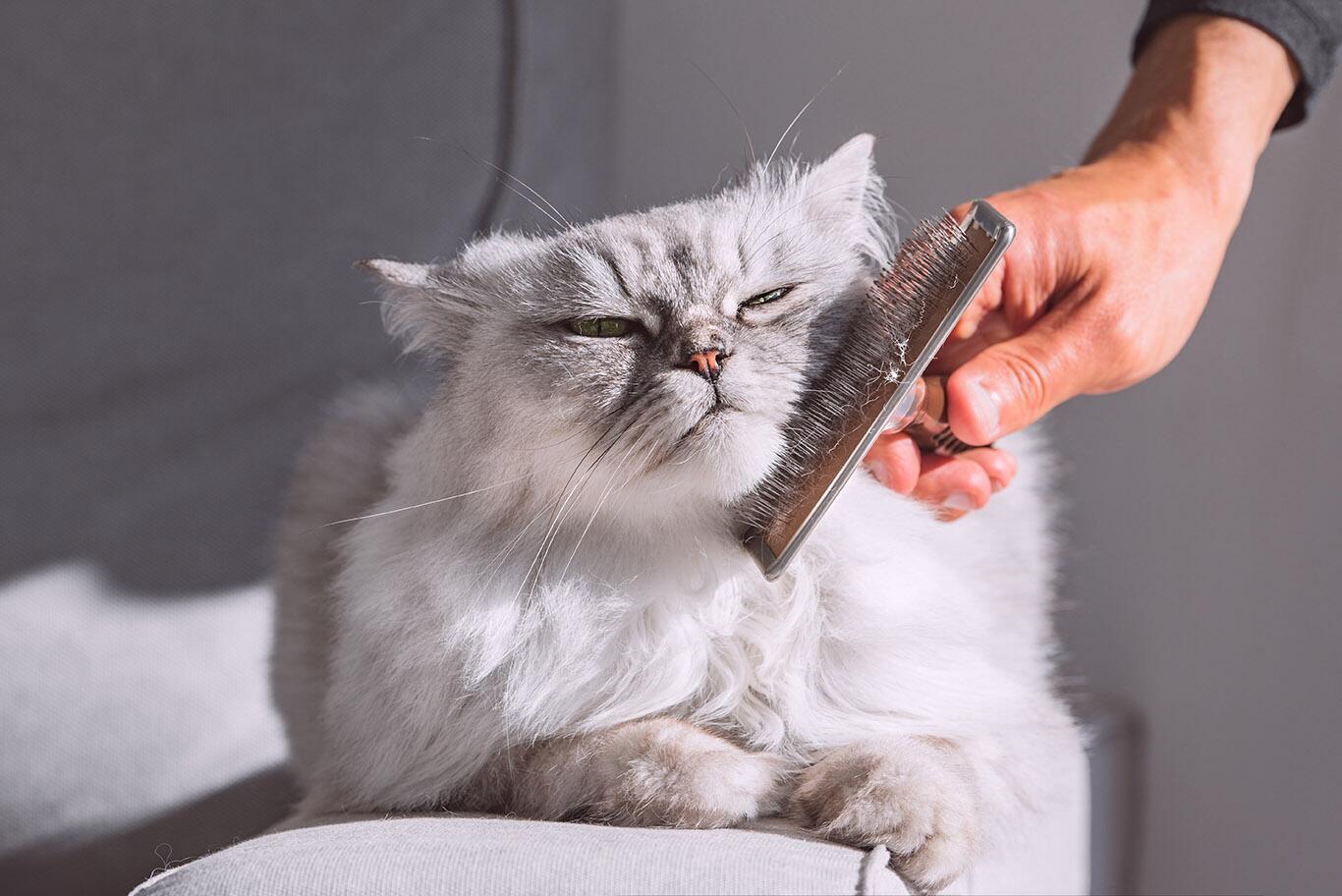
Brushing your cat regularly removes loose fur and dirt. It stops mats and tangles from forming. Use a brush made for cats. Be gentle to avoid hurting your pet. Brush in the direction of hair growth. Short sessions work better than long ones. Pay special attention to thick or long fur.
- Choose soft-bristle or slicker brushes for most cats.
- Brush at least twice a week for short-haired cats.
- Brush daily for long-haired breeds.
- Start brushing when your cat is calm or sleepy.
- Use treats to make brushing a positive experience.
Bathing And Grooming Aids
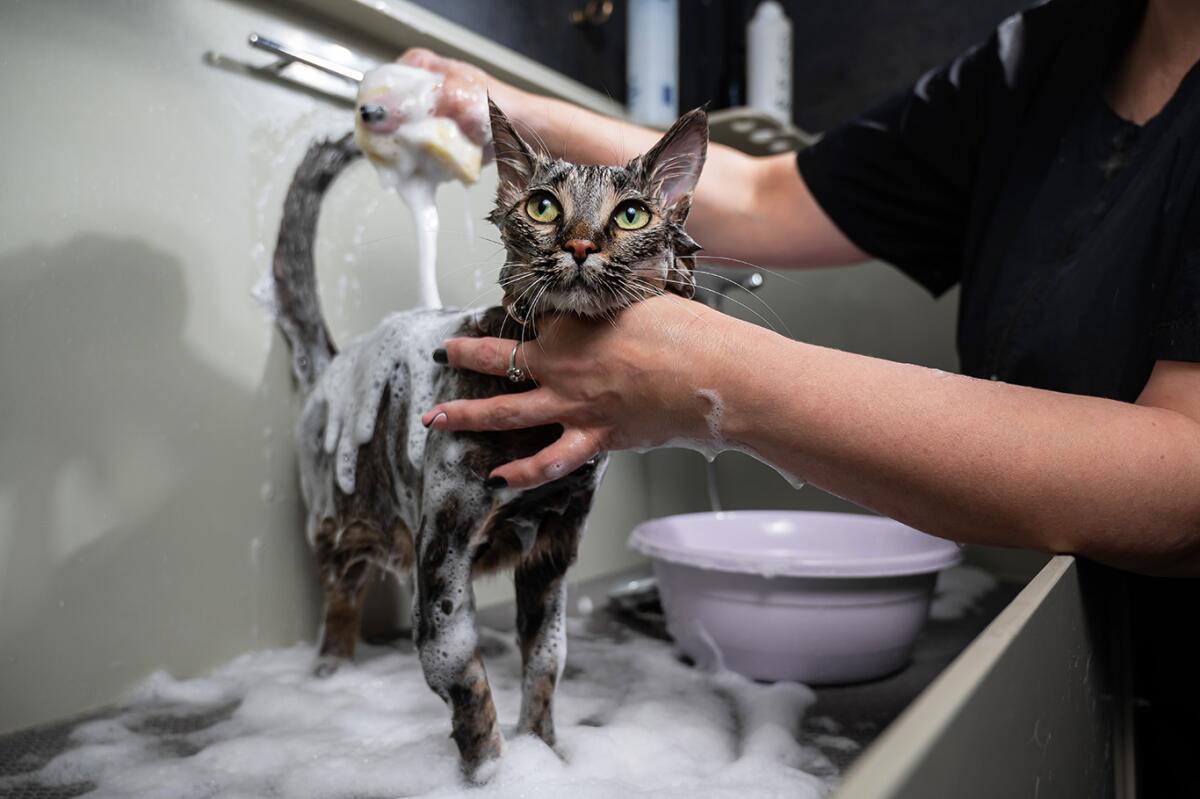
Most cats do not need frequent baths. Bathing can stress them out. Use cat-safe shampoo only when your cat is very dirty. Grooming wipes help clean paws and fur between baths. Nail clippers keep claws healthy and prevent damage. Ear cleaners can reduce wax and debris buildup.
- Use warm water and gentle shampoo made for cats.
- Dry your cat quickly with a soft towel.
- Keep grooming aids within easy reach.
- Introduce new tools slowly to avoid fear.
- Check your cat’s skin for signs of irritation or fleas.
Credit: www.latimes.com
Frequently Asked Questions
How Much Time Do Cats Spend Grooming Daily?
Cats typically spend 30% to 50% of their waking hours grooming. This means about 2 to 4 hours each day. Grooming helps keep their fur clean, controls body temperature, and reduces stress.
Why Do Cats Groom Themselves So Often?
Cats groom to remove dirt, loose fur, and parasites. It also helps regulate their body temperature and stimulates blood flow. Grooming is a natural behavior that keeps cats healthy and comfortable.
Does Grooming Time Vary By Cat Breed?
Yes, grooming time can vary by breed. Long-haired cats usually groom more to prevent mats. Short-haired cats spend less time but still groom regularly to stay clean.
Can Excessive Grooming Indicate A Health Problem?
Yes, excessive grooming can signal stress, allergies, or skin infections. If a cat grooms too much, causing hair loss or sores, a vet visit is important to diagnose and treat underlying issues.
Conclusion
Cats spend a good part of their day grooming themselves. This helps keep their fur clean and healthy. Grooming also calms cats and helps them feel safe. You might notice your cat licking often, showing they care about their body.
Understanding this habit helps you know your pet better. Watching your cat groom can be quite soothing. It’s a normal and important part of their daily life. Keep an eye out for changes in grooming, as it can show health issues.
Caring for a cat means appreciating these quiet moments too.
