

Have you noticed your cat spending an unusual amount of time licking or biting its back legs? This behavior, called over grooming, can be more than just a quirky habit.
It might be a sign that your furry friend is uncomfortable or stressed. Understanding why your cat is over grooming its back legs is important to help them feel better and avoid skin problems. Keep reading to discover what causes this behavior and how you can support your cat’s health and happiness.
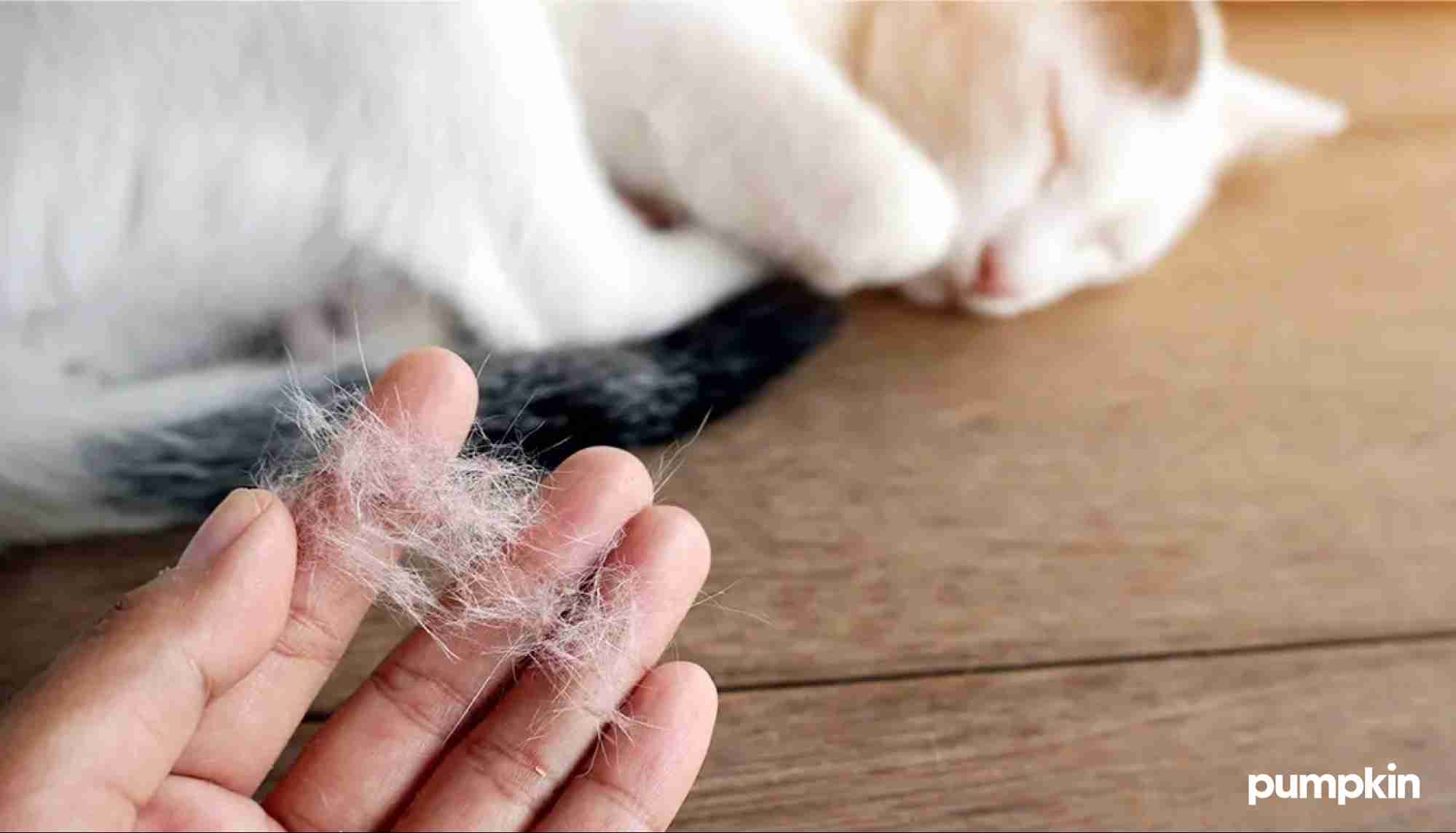
Credit: www.pumpkin.care
Signs Of Over Grooming
Noticing signs of over grooming in your cat’s back legs can help you catch a problem early. Over grooming often signals discomfort or stress. Paying attention to these signs lets you act before the issue worsens.
Behavioral Changes
Your cat might suddenly spend much more time licking or biting their back legs. They may seem restless or anxious, pacing or hiding more than usual. Sometimes, a usually calm cat becomes irritable or aggressive when you try to touch the affected area.
Have you observed your cat grooming in a way that seems obsessive or out of character? This change in behavior is a red flag that something is wrong.
Physical Symptoms
Look closely at your cat’s skin and fur on their back legs. You might see redness, swelling, or small sores where the fur is worn thin. Hair loss in patches is a clear sign that over grooming is happening.
Sometimes, the skin may appear dry or flaky, and in worse cases, you could notice bleeding. These physical symptoms suggest your cat is causing damage to themselves through excessive grooming.
Common Areas Affected
The back legs are a frequent target for over grooming, especially around the inner thighs and lower legs. Cats often focus on these spots if they feel itchy or uncomfortable.
Besides the back legs, watch for signs on the belly, chest, or paws. Identifying the exact areas your cat targets can guide you in finding the underlying cause.

Credit: uk.news.yahoo.com
Reasons Behind Over Grooming
Over grooming in cats, especially on their back legs, often signals an underlying issue. This behavior goes beyond normal cleaning. It can cause hair loss and skin damage. Understanding why cats over groom helps in managing the problem effectively. Several common reasons trigger this excessive grooming.
Stress And Anxiety
Stress causes cats to groom more than usual. Changes in environment or routine can upset them. Grooming acts as a way to calm down. It becomes a habit to relieve nervous energy. Cats without enough mental or physical stimulation often show this behavior.
Skin Irritations
Skin irritations make cats lick or bite their back legs. Dry or inflamed skin feels uncomfortable. Cuts, wounds, or rashes also cause over grooming. Repeated licking worsens the irritation. This creates a cycle of discomfort and grooming.
Allergies And Parasites
Allergies to food, pollen, or chemicals can lead to over grooming. Fleas and mites irritate the skin too. These parasites cause itching and redness. Cats try to soothe the itch by licking or chewing. Identifying allergies or parasites is key to stopping the behavior.
Pain Or Discomfort
Hidden pain in joints or muscles affects grooming habits. Cats might focus on areas that hurt or feel stiff. Over grooming can be a sign of arthritis or injury. Detecting pain early helps provide relief and prevents more damage.
Health Risks From Over Grooming
Over grooming in cats, especially on their back legs, can lead to serious health risks. You might notice your cat licking or chewing excessively, but this behavior could damage their skin and overall well-being. Understanding these health risks helps you act quickly to protect your furry friend.
Skin Damage
Constant licking and biting wear down your cat’s skin, making it red and raw. This damage weakens the skin’s natural barrier, causing discomfort and pain. Have you ever seen your cat’s skin look shiny or scaly? That’s a clear sign of over grooming.
Infections
Damaged skin opens doors for bacteria and fungi to invade. Your cat’s back legs are especially vulnerable since they groom there often. Untreated infections can worsen quickly, leading to swelling, pus, or even fever. Could you spot an infection before it becomes severe?
Hair Loss
Repeated grooming causes hair to fall out in patches or thin out completely. This not only affects your cat’s appearance but also exposes sensitive skin to further harm. If you notice bald spots on your cat’s back legs, it’s time to seek veterinary advice.
Diagnosing The Issue
Understanding why your cat is over grooming its back legs is essential before you can help. Over grooming often signals discomfort or stress, but pinpointing the exact cause requires careful diagnosis. You need to look beyond the surface and consider medical, environmental, and emotional factors to find the real issue.
Veterinary Examination
A thorough check-up by a vet is the first step to uncover physical problems. The vet will inspect your cat’s skin and fur for signs of infection, parasites, or injury. Blood tests and skin scrapings might be necessary to rule out underlying illnesses.
During the exam, your vet might ask about changes in your cat’s behavior or environment. Have you noticed any new cleaning products, foods, or stress triggers? Your answers help guide the diagnostic process.
Allergy Testing
Allergies are a common cause of over grooming, especially on the back legs. Your vet may suggest allergy tests to identify if your cat reacts to certain foods, pollen, or dust mites. These tests can include blood tests or skin patch tests.
Knowing the specific allergen can change your cat’s treatment plan dramatically. Imagine how frustrating it is for your cat to keep licking itchy spots without relief. Allergy testing gives you a path to stop the cycle.
Behavioral Assessment
Sometimes, over grooming comes from stress or boredom rather than physical health. A behavioral assessment helps determine if anxiety, lack of stimulation, or changes in the household are factors. Observing your cat’s daily routine and interactions is crucial here.
Consider whether your cat has enough playtime, social interaction, and quiet spaces. Could a new pet or family member be causing stress? Addressing behavioral causes often involves changes you can make at home to improve your cat’s comfort.
Treatment Options
Dealing with cat over grooming on the back legs requires a clear treatment plan. Understanding the root cause helps in choosing the right approach. Treatment often involves a mix of medical care, behavior changes, and environment tweaks. Each option plays a role in helping your cat heal and stop over grooming.
Medical Interventions
Veterinarians often start with a physical exam. They check for skin infections, allergies, or parasites. Medicines like antibiotics or antifungals may be prescribed. Anti-inflammatory drugs can reduce itching and discomfort. Sometimes, allergy tests help find triggers. In severe cases, corticosteroids may be used to calm inflammation.
Behavioral Therapy
Stress or anxiety can cause over grooming. Behavioral therapy helps reduce these triggers. Playtime and interaction distract your cat from excessive licking. Training with positive reinforcement rewards calm behavior. In some cases, calming collars or pheromone sprays provide relief. Consistency in routines also lowers stress levels.
Environmental Adjustments
Making your cat’s environment comfortable is vital. Provide cozy resting spots and safe hiding places. Reduce loud noises and sudden changes around the house. Regular cleaning removes allergens and irritants from bedding. Adding scratching posts and toys keeps your cat busy. Proper diet and hydration support overall skin health.
Preventing Over Grooming
Preventing over grooming in cats is important to keep their skin healthy and fur intact. Over grooming often signals stress, discomfort, or other health issues. Taking steps to reduce these triggers can help your cat stay calm and comfortable. Consistent care and attention can stop excessive licking and biting on their back legs.
Stress Reduction Techniques
Stress is a common cause of over grooming. Creating a calm environment helps reduce anxiety in cats. Provide quiet spaces where your cat can relax without disturbances. Use soft bedding and familiar toys to comfort them. Play gentle music or use pheromone diffusers to soothe your cat. Spend time petting and talking softly to build trust and security.
Regular Grooming Habits
Regular grooming keeps your cat’s coat clean and healthy. Brush your cat gently to remove loose hair and dirt. This also reduces the need for your cat to groom excessively. Check their skin for any signs of irritation or redness. Bathing is rarely needed but can help if your cat gets very dirty. Make grooming a positive experience with treats and praise.
Parasite Control
Parasites like fleas cause itching and discomfort that lead to over grooming. Use vet-approved flea treatments regularly to keep parasites away. Check your cat’s fur and skin for signs of fleas or ticks. Wash bedding and clean areas where your cat spends time. Keep your home clean to reduce parasite risks. Early parasite control prevents skin problems and stops excessive licking.
When To Seek Professional Help
Cat over grooming on the back legs can signal underlying issues. Deciding when to seek professional help ensures your cat stays healthy. Early intervention can prevent pain and further damage.
Persistent Symptoms
If your cat keeps licking or biting the same spot for days, it needs attention. Persistent redness, hair loss, or sores do not heal by themselves. These signs often show that home care is not enough.
Worsening Condition
Watch for swelling, bleeding, or open wounds. If the skin looks worse or your cat seems more uncomfortable, consult a vet quickly. A worsening condition may mean infection or allergy is present.
Uncertain Causes
Sometimes the reason behind over grooming is unclear. Stress, allergies, parasites, or pain can cause this behavior. A professional can run tests to find the exact cause and suggest the right treatment.

Credit: www.holistapet.com
Frequently Asked Questions
Why Is My Cat Over Grooming Back Legs?
Cats over groom their back legs due to stress, allergies, or parasites. It helps them soothe irritation or anxiety. Identifying the root cause is essential for effective treatment and prevention.
How Can I Stop Cat Over Grooming Back Legs?
To stop over grooming, address stressors or allergies first. Provide a calm environment, use flea control, and consult a vet for medications if needed. Consistent care reduces excessive grooming behavior.
Can Allergies Cause Cat Over Grooming Back Legs?
Yes, allergies to food, pollen, or fleas often cause cats to over groom their back legs. Allergic reactions lead to itching, prompting excessive licking and hair loss.
Is Over Grooming A Sign Of Illness In Cats?
Over grooming can indicate underlying health issues like skin infections or parasites. It’s important to get a veterinary check-up to rule out medical causes promptly.
Conclusion
Cats over grooming their back legs need attention and care. This behavior can signal stress, allergies, or skin problems. Watch your cat closely to spot changes early. A vet visit helps find the cause and best treatment. Keeping your cat calm and comfortable reduces over grooming.
Healthy skin and fur come from good care and love. Act soon to help your cat feel better and stay happy.
