

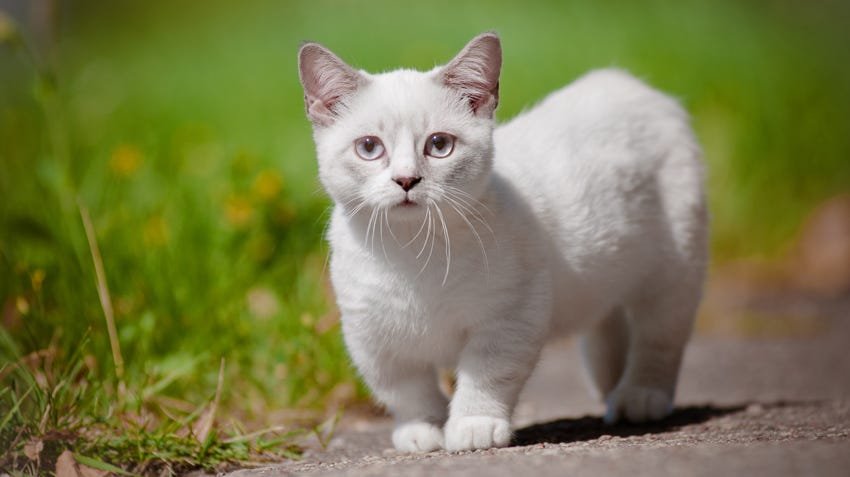
Are you thinking about bringing a Munchkin cat into your home? These little cats with their short legs and playful nature can be truly irresistible.
But before you make your decision, it’s important to know if Munchkin cats have health issues that could affect your furry friend’s happiness and your peace of mind. You want your pet to live a long, healthy life, right? Keep reading to discover what health concerns might come with these unique cats and how you can keep your Munchkin safe and thriving.
Munchkin Cat Characteristics
Munchkin cats are known for their unique and charming features. These cats stand out because of their short legs and lively personalities. Understanding their characteristics helps in knowing their needs better. This section explores their physical traits and the origins of the breed.
Physical Traits
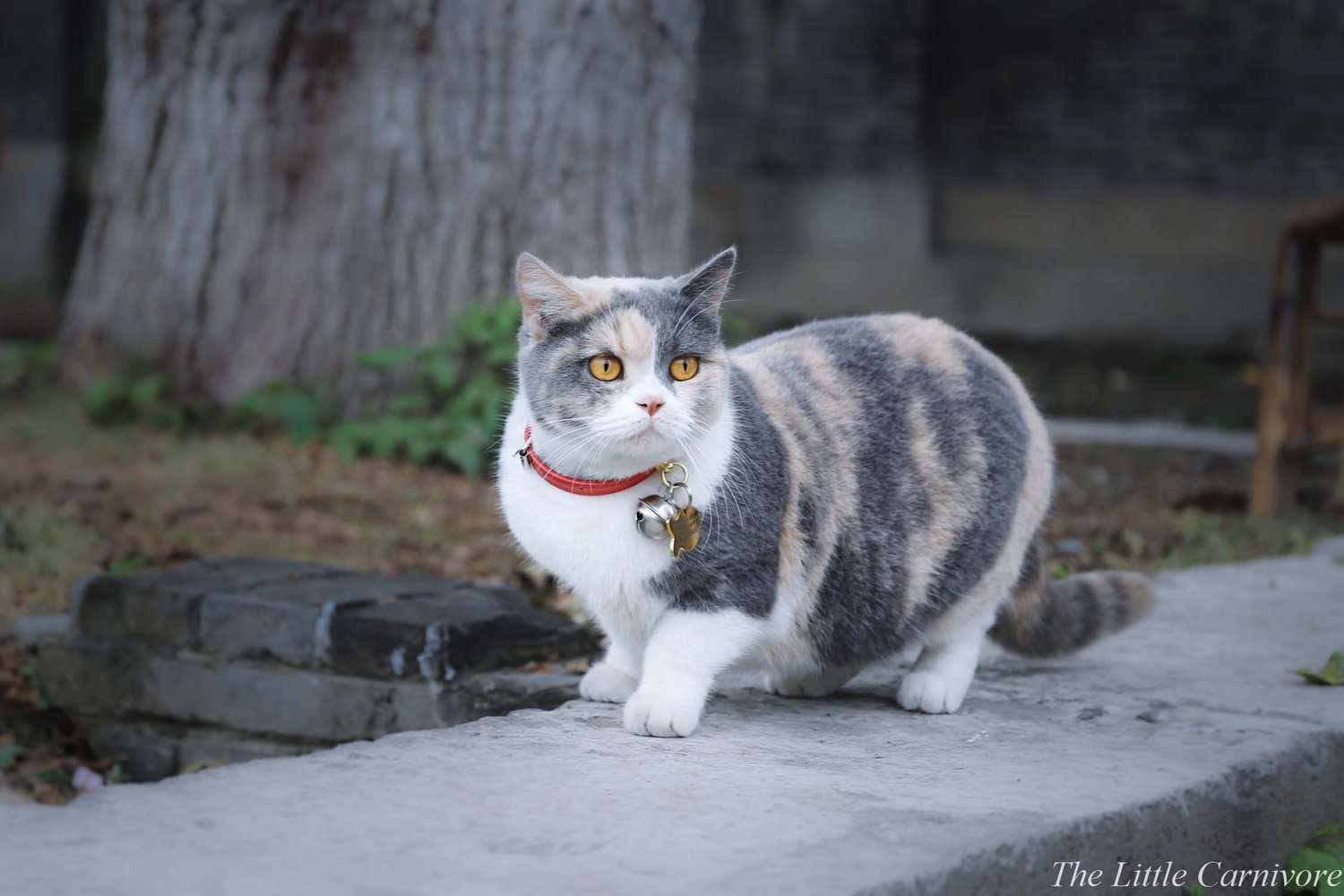
Munchkin cats have distinct short legs caused by a genetic mutation. Their bodies are medium-sized and well-proportioned. The coat can be long or short, with many color options. They have bright, expressive eyes and a playful nature. Their short legs do not affect their agility or speed. Despite their size, they are energetic and love to jump and run.
Breed Origins
The Munchkin breed began in the 1990s. It started with a cat named “Munchkin,” found in Louisiana. Breeders worked to develop the breed by careful mating. The breed gained attention due to its unique legs and friendly temperament. Today, Munchkins are recognized by many cat associations worldwide. Their history shows a mix of natural mutation and selective breeding.
Common Health Concerns
Munchkin cats are undeniably adorable with their short legs and playful nature. However, their unique body structure can lead to certain health concerns you should be aware of. Understanding these common issues helps you provide the best care and keep your furry friend happy and healthy.
Spinal Problems
One of the main health concerns for Munchkin cats is spinal problems. Their shortened legs come from a genetic mutation that can also affect the spine, sometimes causing lordosis or scoliosis. These conditions can lead to pain or mobility issues if not monitored.
If you notice your cat struggling to jump or showing signs of discomfort, it’s important to consult your vet. Regular check-ups can catch spinal issues early and help manage them effectively.
Joint Issues
Joint problems are another concern due to the Munchkin’s unique bone structure. Their short limbs can put extra pressure on joints, making them prone to arthritis or hip dysplasia as they age. This can affect their movement and overall quality of life.
You can help your cat by maintaining a healthy weight and providing joint supplements recommended by your vet. Simple changes like soft bedding and gentle play can also reduce joint strain.
Obesity Risks
Because Munchkin cats have smaller frames, obesity poses a significant risk. Extra weight can worsen spinal and joint problems, leading to further health complications. Keeping an eye on your cat’s diet and activity level is crucial.
Have you ever noticed how your Munchkin reacts to different types of toys or exercise? Encouraging regular play can keep them fit and prevent weight gain. It’s about finding the right balance that fits your cat’s unique body and personality.
Genetic Factors
Genetic factors play a key role in the health of Munchkin cats. These cats have a unique body structure caused by specific genes. Understanding these genetic elements helps explain common health concerns in this breed.
Dwarfism Gene Impact
Munchkin cats have a gene that causes dwarfism. This gene shortens their legs, giving them their distinct look. The gene affects bone growth and development. It may lead to joint problems or arthritis over time. Not all cats with this gene show health issues. Still, careful breeding is needed to reduce risks.
Inheritance Patterns
The dwarfism gene follows a dominant inheritance pattern. This means only one copy of the gene can cause the short legs. If both parents carry the gene, kittens may have severe health problems. Breeders avoid breeding two Munchkins with this gene together. This practice lowers chances of genetic disorders. Understanding inheritance helps keep the breed healthier.

Credit: www.fidobiotics.com
Preventive Care Tips
Preventive care is vital for keeping Munchkin cats healthy. Their unique body structure can lead to specific health challenges. Careful attention helps spot problems early and supports their well-being.
Regular Vet Checkups
Schedule vet visits at least twice a year. Routine exams catch health issues before symptoms appear. The vet will check joints, spine, and overall condition. Vaccinations and parasite control are important too. Early detection improves treatment success.
Diet And Exercise
Feed a balanced diet with proper nutrients. Avoid overfeeding to prevent obesity. Obesity stresses their short legs and spine. Encourage daily play to maintain muscle strength. Use toys that promote gentle movement and agility. Exercise supports joint health and mental stimulation.
Environment Adaptations
Adjust the home to suit their short legs. Provide low ramps or steps for furniture access. Avoid high jumps that strain their bodies. Use soft bedding to protect joints. Keep litter boxes and food dishes easy to reach. A safe, comfortable environment reduces injury risks.
Comparing With Other Breeds
Comparing Munchkin cats with other breeds reveals some unique health considerations. While every breed has its own set of risks, understanding how Munchkins stack up helps you make informed choices for your pet’s well-being. Let’s break down the key health differences and what they mean for your furry friend.
Health Risks Overview
Munchkin cats are best known for their short legs, a result of a genetic mutation. This trait can sometimes lead to specific health issues not commonly seen in other breeds. For example, spinal problems like lordosis or arthritis may develop earlier due to their unique bone structure.
Other breeds, such as Maine Coons or Siamese cats, tend to have different risk profiles. Maine Coons may struggle with hypertrophic cardiomyopathy (a heart condition), while Siamese cats can be prone to respiratory problems. So, while Munchkins face some skeletal challenges, they often avoid some hereditary conditions common in other breeds.
Have you considered how your lifestyle might affect your cat’s health risks? Active owners might notice mobility issues in Munchkins sooner than in more agile breeds. Awareness is key to spotting problems early.
Longevity Expectations
Munchkin cats typically live between 12 to 15 years, which is comparable to many other domestic breeds. Their lifespan is generally not shortened by their unique physical traits if they receive proper care. Routine vet visits and a healthy diet can help your Munchkin avoid common age-related issues.
In contrast, some breeds have shorter or longer life expectancies based on genetics and health risks. For instance, the Sphynx cat often lives 8 to 14 years, while the Burmese can live 16 to 18 years. Knowing these differences helps you prepare for your cat’s needs over time.
What steps can you take today to support your Munchkin’s longevity? Regular exercise, mental stimulation, and joint-friendly environments can make a big difference. Your proactive care truly shapes their quality of life.

Credit: purebredkitties.com
Owner Experiences
Owners of Munchkin cats share many stories about their pets’ health and happiness. These experiences reveal both the joys and struggles of caring for this unique breed. Understanding these accounts helps potential owners prepare for life with a Munchkin cat.
Success Stories
Many owners report their Munchkin cats live healthy, active lives. These cats often show strong personalities and deep bonds with their humans. Regular vet visits and proper care keep many Munchkins in good shape.
- Playful and energetic despite short legs
- Few or no major health problems reported
- Enjoy long, happy lives with loving homes
Some owners praise their cats’ adaptability and cheerful nature. These stories highlight the breed’s potential for a joyful pet experience.
Challenges Faced
Some owners notice health issues linked to the Munchkin’s unique body. The short legs can cause joint or spine problems over time. Careful monitoring and early vet intervention help manage these challenges.
- Possible arthritis or mobility issues in older cats
- Need for special care during play to avoid injuries
- Occasional back problems due to spinal structure
Owners sometimes face extra vet bills and lifestyle adjustments. Awareness and preventive care are key to reducing health risks in Munchkins.
Credit: thelittlecarnivore.com
Frequently Asked Questions
Do Munchkin Cats Have Common Health Problems?
Yes, Munchkin cats can face health issues like lordosis and arthritis due to their short legs. Regular vet checks help detect problems early.
Are Munchkin Cats Prone To Genetic Disorders?
Munchkins may inherit genetic disorders linked to their dwarfism. Responsible breeding reduces risks and promotes healthier kittens.
How Long Do Munchkin Cats Typically Live?
Munchkin cats usually live between 12 to 15 years with proper care and a healthy lifestyle.
Can Munchkin Cats Suffer From Mobility Issues?
Yes, their short legs may cause mobility challenges, especially as they age. Providing a safe environment aids their movement.
Conclusion
Munchkin cats have some health concerns to watch for. Their short legs can lead to joint problems. Regular vet visits help catch issues early. A healthy diet and exercise keep them strong. Love and care make a big difference. Understanding their needs helps them live happy lives.
Munchkin cats can be wonderful pets with proper care. Keep learning about their health to support your furry friend well.
