

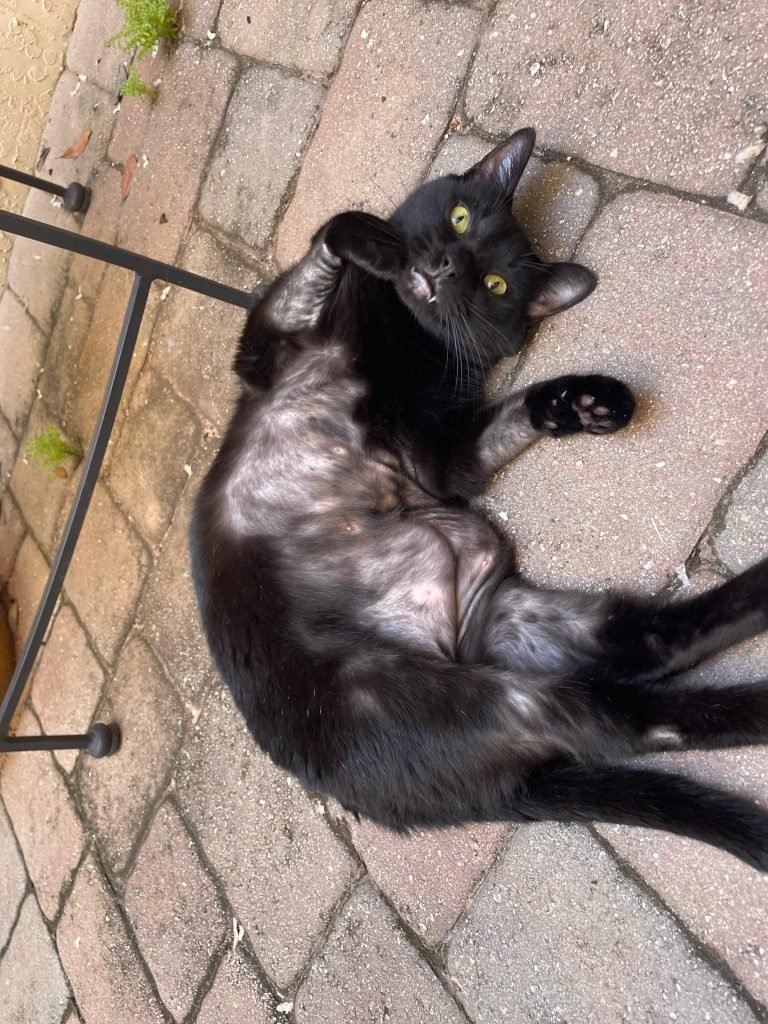
Have you noticed your cat suddenly stopped grooming? It’s not just about a messy coat—this change could be a sign that something is wrong.
Your cat relies on grooming to stay clean, comfortable, and healthy. When they stop, it might mean they’re feeling stressed, sick, or in pain. Understanding why your cat stopped grooming can help you spot problems early and keep your furry friend happy.
Keep reading to learn the key reasons behind this behavior and what you can do to help your cat get back to their clean, confident self.
Reasons Cats Stop Grooming
Cats usually groom themselves to stay clean and healthy. Grooming helps them remove dirt, loose fur, and parasites. When a cat stops grooming, it may signal a problem. Various reasons can cause this behavior. Knowing these reasons helps owners care better for their pets.
Health Issues
Illness can make grooming hard for cats. Skin problems like infections or allergies cause discomfort. Cats with parasites may avoid grooming painful areas. Internal diseases such as diabetes or kidney problems also affect grooming habits.
Pain And Discomfort
Pain reduces a cat’s desire to groom. Arthritis or injuries make stretching and licking difficult. Cats in pain often neglect grooming to avoid worsening discomfort. Watch for limping or sensitivity as signs of pain.
Stress And Anxiety
Stress disrupts normal grooming routines. Changes in household or loud noises can cause anxiety. Stressed cats may groom less or over-groom certain spots. Anxiety often leads to uneven fur and skin issues.
Changes In Environment
New surroundings can confuse cats. Moving homes or new pets may affect grooming habits. Cats may stop grooming while adjusting to change. Patience and comfort help them return to normal behavior.
Age-related Factors
Older cats groom less due to reduced mobility. Weakness and joint stiffness limit their movement. Aging also affects their grooming skills. Providing help with grooming supports their well-being.

Credit: www.youtube.com
Signs Your Cat Needs Help
Noticing that your cat has stopped grooming can be worrying. Grooming is a natural habit for cats, and a sudden change often signals that something is wrong. Watching closely for specific signs can help you decide when your cat needs a vet’s attention or extra care from you.
Mattes And Tangles
One of the first signs your cat needs help is the appearance of mattes and tangles in their fur. Cats usually keep their coats smooth and clean, so clumps of fur sticking together are a red flag.
If you see thick mats, especially around the neck, underarms, or belly, it means your cat is not grooming properly. These mats can pull on the skin and cause pain, making it even harder for your cat to groom themselves.
Unkempt Fur
Unkempt fur that looks dull or greasy is another clear sign your cat might be struggling. Healthy cats have shiny, soft coats because they groom regularly.
When grooming stops, fur can appear messy, patchy, or even oily. If your cat’s coat looks worse than usual, it’s time to check for underlying health issues or discomfort.
Skin Irritations
Skin problems often show up when grooming declines. You might spot redness, sores, or scabs on your cat’s skin. These irritations could be caused by parasites, allergies, or infections.
Ignoring these signs can lead to more serious conditions. If your cat scratches more than usual or seems sensitive to touch, it’s important to get them checked.
Behavioral Changes
Grooming isn’t just about cleanliness; it’s a way cats relax and feel comfortable. A sudden stop in grooming can mean your cat is stressed, in pain, or feeling unwell.
Look for changes like hiding, decreased appetite, or unusual aggression. These behaviors combined with poor grooming are strong signals your cat needs help.
Medical Conditions Affecting Grooming
Cats usually groom themselves to stay clean and healthy. When a cat stops grooming, it may signal health problems. Medical conditions often affect a cat’s ability or desire to groom. These problems need attention to keep your cat comfortable and well.
Dental Problems
Dental pain makes grooming hard for cats. Broken teeth or gum disease cause discomfort. Cats may avoid cleaning their face and mouth area. Bad breath and drooling can also show dental issues. Regular dental checks help catch problems early.
Arthritis
Arthritis causes joint pain and stiffness. Older cats often suffer from this condition. Moving to groom becomes painful and tiring. Cats may miss hard-to-reach spots like their back or legs. Pain relief and treatment improve grooming habits.
Skin Infections
Skin infections cause itching and discomfort. Bacteria, fungi, or yeast can cause infections. Cats may stop grooming to avoid pain. Infected skin looks red, swollen, or scaly. Treatment with medicine helps clear infections fast.
Parasites
Parasites like fleas and mites irritate the skin. Constant itching can make grooming difficult. Cats may avoid grooming due to discomfort. Parasites can cause hair loss and sores. Regular parasite control protects your cat’s skin and coat.
Credit: www.squeakycleangrooming.com
How To Encourage Grooming
Encouraging a cat to groom again can improve its health and happiness. Grooming helps keep the fur clean and skin healthy. Cats might stop grooming due to pain, stress, or illness. Understanding how to support your cat is key. Simple steps can gently bring back this important habit.
Regular Vet Checkups
Take your cat to the vet regularly. Vets can spot health issues that stop grooming. Skin problems, dental pain, or arthritis are common causes. Early treatment prevents long-term problems. Share all changes you see with your vet.
Pain Management
Many cats stop grooming because of pain. Joint pain or injuries make grooming hard. Your vet can suggest safe pain relief. Use medicines as prescribed and watch for side effects. Helping your cat feel comfortable encourages grooming again.
Stress Reduction Techniques
Stress often stops cats from grooming. Loud noises, new pets, or changes at home can stress cats. Create a calm space with familiar bedding and toys. Gentle petting and quiet time help reduce anxiety. Routine and patience also support stress relief.
Environmental Enrichment
Stimulate your cat’s mind and body. Offer scratching posts, puzzle feeders, and playtime. New toys encourage activity and good habits. A happy cat grooms more often. Change toys regularly to keep interest high.
Grooming Assistance Tips
Helping a cat that stopped grooming is important for its health and comfort. Regular grooming keeps fur clean and skin healthy. Cats unable or unwilling to groom need extra care from you. Simple grooming assistance can reduce stress and prevent skin problems.
Here are some useful tips to assist your cat with grooming. These methods help maintain cleanliness and support your pet’s wellbeing.
Brushing Techniques
Use a soft brush designed for cats. Gently stroke in the direction of hair growth. Start with short sessions to build trust. Focus on areas where mats form easily, like behind ears and under legs. Remove loose fur and dirt carefully to avoid hurting your cat.
Bathing Tips
Bathing can be stressful, so prepare in advance. Use lukewarm water and mild cat shampoo. Keep water level low to avoid fear. Wet the fur gently and apply shampoo with your hands. Rinse thoroughly to remove all soap. Dry your cat with a soft towel and keep it warm.
Using Grooming Tools
Choose tools based on your cat’s coat type. Slicker brushes help with tangles. Comb fine fur to detect mats early. Nail clippers keep claws short and safe. Use grooming gloves for sensitive cats. Check tools for sharp edges before use to prevent injuries.
When To Seek Professional Help
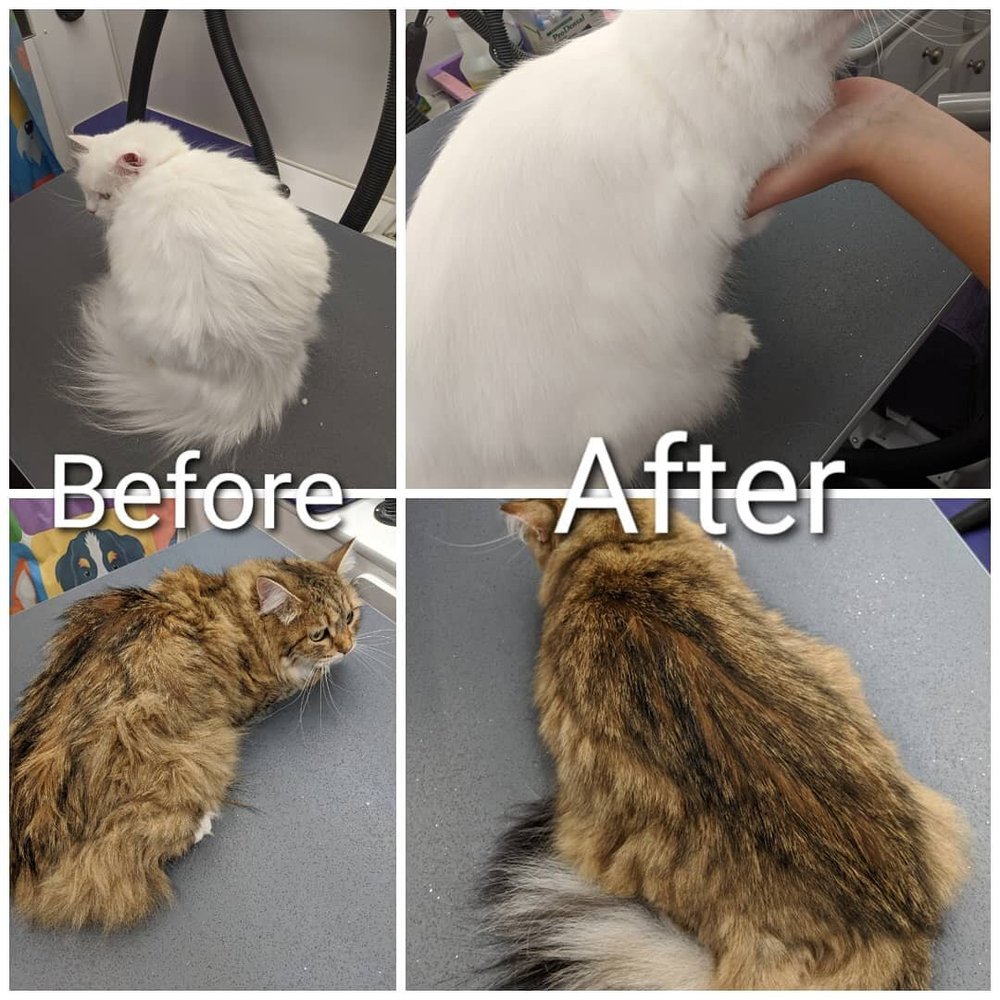
Consult a vet if grooming stops suddenly. Skin infections or pain may be causes. Professional groomers can handle severe mats and fur problems. They use special tools and techniques safely. Seek help if your cat resists grooming or shows distress.
Credit: www.purina.com
Preventing Grooming Issues
Preventing grooming issues helps keep cats healthy and comfortable. Regular care supports their natural habits and avoids skin problems. Watching your cat’s behavior and diet can make a big difference.
Routine Grooming Habits
Brush your cat’s fur often to remove loose hair and dirt. It stops mats and tangles from forming. Use a comb or brush suited for your cat’s fur type. Grooming also strengthens the bond between you and your cat. Make it a calm and gentle experience.
Healthy Diet
Feed your cat balanced meals with all needed nutrients. A good diet supports skin and coat health. Look for foods rich in omega fatty acids and vitamins. Fresh water is important too. Healthy skin means easier grooming and less itching.
Monitoring Behavioral Changes
Watch for changes in your cat’s grooming habits. Too much or too little grooming can signal health problems. Notice if your cat scratches or licks certain areas often. Early signs include dull fur or bald spots. Stay alert and observe your cat’s daily routine.
Early Intervention
Act quickly if grooming issues appear. Consult a vet if your cat stops grooming or shows skin irritation. Early treatment prevents infections and discomfort. Follow professional advice on care and medication. Prompt help keeps your cat happy and healthy.
Frequently Asked Questions
Why Did My Cat Suddenly Stop Grooming?
Cats may stop grooming due to stress, illness, or pain. Skin infections, arthritis, or dental issues can also cause this behavior. If your cat stops grooming, consult a vet to identify and treat the underlying problem promptly.
Can Stress Cause A Cat To Stop Grooming?
Yes, stress can cause cats to stop grooming. Changes in environment, new pets, or loud noises can increase anxiety. Stress affects their natural habits, including grooming. Reducing stressors and providing a calm space helps restore grooming behavior.
How Does Illness Affect A Cat’s Grooming Habits?
Illness can cause discomfort, making grooming difficult or painful. Conditions like arthritis, skin infections, or dental problems reduce grooming frequency. Regular vet check-ups help detect illnesses early and ensure your cat maintains healthy grooming routines.
What Should I Do If My Cat Stopped Grooming?
Observe your cat for other symptoms like lethargy or loss of appetite. Schedule a vet visit to diagnose health issues. Provide a comfortable environment and gentle grooming support until your cat recovers its habit.
Conclusion
A cat that stops grooming needs your attention fast. Changes in grooming can mean health or stress issues. Watch your cat’s behavior closely each day. Help your cat feel safe and calm. Offer regular check-ups with your vet too. Catching problems early can keep your cat happy.
Grooming is more than clean fur—it shows well-being. Care and love make a big difference for your pet. Stay patient and gentle as you support your cat. Small steps can bring back your cat’s routine.
