


If you have a Siamese cat or are thinking about bringing one into your home, understanding their health is key to keeping them happy and thriving. Siamese cats are beautiful and affectionate, but they can face specific health problems that might catch you off guard.
Knowing what to watch for can save you time, money, and heartache. You’ll discover the common health issues Siamese cats face and learn how to spot warning signs early. By paying attention to your cat’s well-being, you can ensure many joyful years together.
Keep reading to protect your furry friend and give them the care they deserve.

Credit: www.aol.com
Common Health Issues
Understanding the common health issues that affect Siamese cats can help you spot problems early and ensure your feline friend stays happy and healthy. These cats are known for their striking looks and affectionate nature, but they can be prone to specific health challenges. Knowing what to watch for lets you take action before minor issues become serious.
Respiratory Problems
Siamese cats can be more susceptible to respiratory issues than other breeds. Symptoms like persistent sneezing, coughing, or nasal discharge should never be ignored. If your cat sounds congested or struggles to breathe, a vet visit is crucial.
Keeping your home free from smoke and strong chemicals can reduce risks. Have you noticed your cat breathing differently during cold weather or after exposure to dust?
Dental Disease
Dental problems are common in Siamese cats and can lead to pain and difficulty eating. Signs include bad breath, drooling, or reluctance to chew hard food. Regular dental check-ups and brushing can make a big difference.
If your cat suddenly drops food or avoids treats, it might be time to examine their teeth closely. Could your Siamese be hiding discomfort that you haven’t noticed yet?
Amyloidosis
This condition involves abnormal protein deposits in organs, especially the liver and kidneys. Amyloidosis can cause organ failure if left untreated. Early signs include weight loss, fatigue, and changes in appetite.
Because symptoms can be subtle, regular blood tests are important to catch amyloidosis early. Are you monitoring your cat’s energy levels and eating habits closely enough?
Progressive Retinal Atrophy
Progressive Retinal Atrophy (PRA) causes gradual vision loss and can lead to blindness. Siamese cats may start bumping into furniture or become less active. Unfortunately, no cure exists, but early diagnosis can help you make your cat’s environment safer.
Have you noticed your cat hesitating in low light or acting confused in familiar spaces? Paying attention to these signs can improve their quality of life.
Heart Conditions
Siamese cats are at risk for heart problems like hypertrophic cardiomyopathy (HCM). This disease thickens the heart muscle and can cause sudden health issues. Regular heart check-ups, including ultrasounds, can detect problems early.
Listen for unusual breathing or lethargy during playtime; these may be subtle hints of heart trouble. Are you scheduling regular vet visits that include heart health assessments?

Credit: wopet.com
Preventive Care
Preventive care is the cornerstone of keeping your Siamese cat healthy and happy. It helps catch potential health issues early and maintains your cat’s well-being over time. Simple daily habits and regular check-ups can make a big difference in the quality of your cat’s life.
Regular Vet Visits
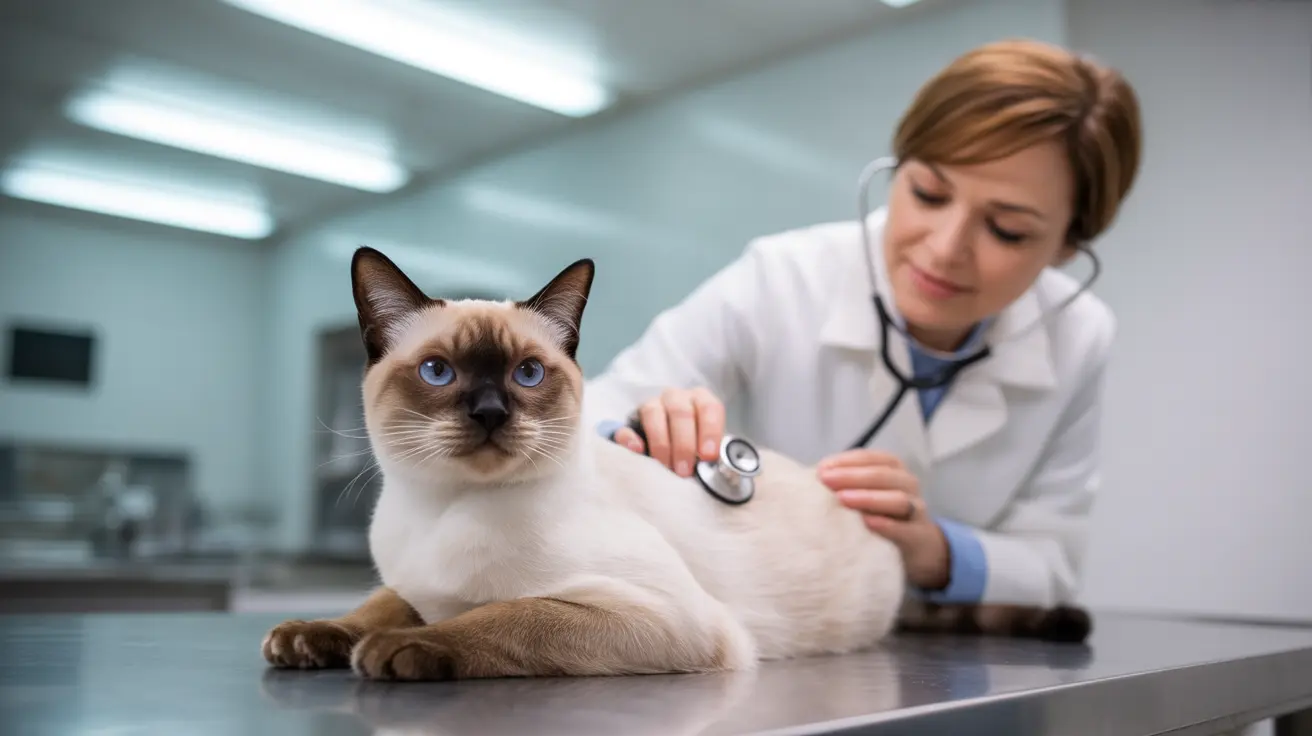
Scheduling regular vet visits allows you to monitor your Siamese cat’s health closely. Vets can detect early signs of common issues like respiratory problems or heart disease that Siamese cats are prone to.
Think about how your cat behaves at home—any changes in appetite, energy, or litter box habits should prompt a vet visit. Don’t wait for obvious symptoms; early detection often means easier treatment.
Vaccination Schedule
Keeping up with vaccinations protects your Siamese from serious infections such as feline distemper and respiratory diseases. Your vet will recommend a vaccination plan tailored to your cat’s age and lifestyle.
Missing or delaying vaccines can leave your cat vulnerable. Have you ever considered how a simple injection schedule could prevent costly health emergencies?
Dental Hygiene
Dental care is often overlooked, but Siamese cats can develop dental disease quickly. Brushing your cat’s teeth a few times a week reduces plaque buildup and prevents painful infections.
If brushing isn’t an option, dental treats and regular professional cleanings can help. Notice any bad breath or difficulty eating? These could be signs your cat needs dental attention.
Balanced Diet
Your cat’s diet directly affects its health and energy levels. Providing high-quality protein and balanced nutrients supports a strong immune system and healthy weight.
Have you checked the ingredients in your cat’s food lately? Avoid fillers and artificial additives that can cause allergies or digestive issues. Fresh water and portion control also play a vital role in overall health.
Recognizing Symptoms
Recognizing symptoms early can make a big difference in managing your Siamese cat’s health. These cats are known for their playful and vocal nature, so sudden changes can signal that something is wrong. Paying close attention to subtle signs helps you act before issues become serious.
Behavioral Changes
Has your Siamese suddenly become less active or more withdrawn? Behavioral shifts like increased irritability or hiding could indicate pain or discomfort. A usually vocal cat going quiet might be struggling with illness or stress.
Notice if your cat stops grooming or becomes clingy. These behaviors can point to underlying health problems. Don’t overlook small changes—they often come before visible symptoms.
Respiratory Signs
Listen carefully for any unusual breathing sounds. Wheezing, coughing, or persistent sneezing could signal respiratory infections or allergies. Siamese cats are prone to respiratory issues, so these signs need quick attention.
Watch how your cat breathes. Rapid or labored breathing might mean something serious. If your cat is open-mouthed breathing or has nasal discharge, it’s time to consult your vet.
Visual Impairments
Is your Siamese bumping into furniture or hesitating to jump? These could be signs of vision problems. Siamese cats are susceptible to certain eye conditions that can worsen without treatment.
Look for squinting, cloudiness, or redness in the eyes. Your cat might also paw at their eyes more than usual. Early detection helps protect your cat’s eyesight.
Appetite And Weight Loss
Have you noticed your cat eating less or losing weight suddenly? Changes in appetite can signal dental pain, digestive problems, or other illnesses. Even if your cat seems fine otherwise, a loss of interest in food is a warning sign.
Track your cat’s weight regularly. Unexplained weight loss often points to serious health issues that need vet care. Don’t wait for more symptoms—act as soon as you see changes in eating habits.
Home Care Tips
Taking good care of a Siamese cat at home helps prevent many health problems. A calm and safe place keeps them happy. Regular grooming and play keep their body strong. Small changes in daily care make a big difference in their well-being.
Stress Reduction
Siamese cats are sensitive and feel stress easily. Create a calm space with quiet and soft bedding. Avoid loud noises and sudden changes. Give them time alone when needed. Gentle petting and talking soothe their nerves. A calm cat stays healthier and lives longer.
Safe Environment
Keep your home free from hazards. Remove small objects that cats can swallow. Cover electrical wires to prevent bites. Use safe cleaning products away from their reach. Check windows and balconies to avoid falls. A secure home protects Siamese cats from injuries and accidents.
Grooming Routine
Brush your Siamese cat once or twice a week. Their short coat needs gentle care to stay shiny. Clean ears and eyes carefully with a damp cloth. Trim nails to avoid scratching accidents. Regular grooming helps spot skin problems early. It also strengthens the bond between you and your cat.
Exercise And Enrichment
Siamese cats are active and curious. Provide toys like balls, feathers, and interactive puzzles. Play daily to keep their muscles strong. Use climbing trees and scratching posts for fun exercise. Mental stimulation lowers stress and prevents boredom. A busy cat stays healthy and happy.
When To Seek Help
Knowing when to seek help for your Siamese cat is vital. Some symptoms need urgent care. Others require ongoing attention. Early action can prevent serious problems. Watch for changes in behavior or health. Trust your instincts and act quickly.
Emergency Symptoms
- Sudden difficulty breathing or choking
- Severe bleeding or wounds
- Loss of consciousness or seizures
- Extreme vomiting or diarrhea
- Sudden weakness or inability to walk
- Swollen or painful abdomen
- Rapid or labored breathing
These signs require immediate veterinary care. Don’t wait to see if they improve.
Chronic Condition Monitoring
Siamese cats often face long-term health issues. Conditions like asthma, kidney disease, or dental problems need regular checks. Keep a daily log of symptoms and behaviors. Look for changes in appetite, weight, or activity. Schedule routine vet visits to catch issues early. Consistent monitoring improves your cat’s quality of life.
Choosing A Specialist
Some health problems need expert care. Look for a veterinarian experienced with Siamese cats. Specialists in feline medicine or internal medicine offer advanced treatment. Ask about their experience with breed-specific issues. A good specialist works closely with your regular vet. They provide the best care for complex conditions.
Credit: www.petscare.com
Frequently Asked Questions
What Common Health Problems Affect Siamese Cats?
Siamese cats often face respiratory issues, dental disease, and heart problems. They are also prone to amyloidosis and progressive retinal atrophy. Regular vet checkups help detect these early and maintain their health effectively.
How Can I Prevent Health Issues In My Siamese Cat?
Provide a balanced diet, regular exercise, and routine vet visits. Early vaccinations and dental care reduce risks. Maintaining a stress-free environment also supports their immune system and overall well-being.
Are Siamese Cats Prone To Genetic Disorders?
Yes, Siamese cats have a higher risk of genetic disorders like crossed eyes and heart disease. Responsible breeding and genetic screening can reduce these risks, ensuring healthier kittens and longer lifespan.
When Should I See A Vet For My Siamese Cat?
Visit a vet if you notice breathing difficulties, excessive scratching, or changes in appetite. Regular annual checkups are essential even if your cat appears healthy. Early diagnosis ensures better treatment outcomes.
Conclusion
Siamese cats can face some health problems as they grow. Watching for signs early helps keep them healthy. Regular vet visits catch issues before they get worse. Feeding a balanced diet supports their overall well-being. Giving love and care makes a big difference too.
Knowing these facts helps you care better for your pet. Stay alert, stay caring, and enjoy your Siamese cat’s company. Simple steps protect their health and happiness every day.
