

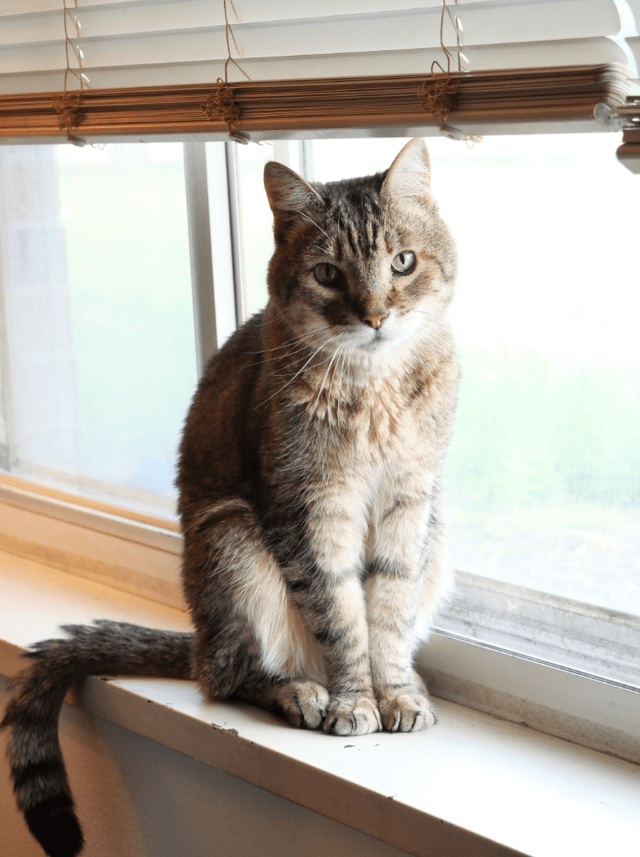
Have you noticed your 17-year-old cat suddenly stopped grooming? It can be worrying when your furry friend stops their usual cleaning habits.
Grooming is more than just keeping clean—it’s a sign of health and comfort. When this changes, it might mean your cat is facing some hidden problems. You’ll discover why your senior cat might have stopped grooming and what you can do to help.
Keep reading to learn how to protect your beloved pet’s well-being and keep them feeling their best.
Signs Of Grooming Issues
Noticing signs that a 17-year-old cat has stopped grooming is important. Grooming is a key habit for cats to stay clean and healthy. Changes in this routine can signal problems. These signs may show up in how your cat looks, acts, or feels. Understanding these signs helps you act quickly and support your cat’s health.
Changes In Coat Appearance
The coat may look dull or greasy. Fur can become matted and tangled. Bald patches might appear in some areas. You might see flakes or dandruff on the skin. These changes mean grooming is not happening properly.
Behavioral Shifts
Your cat might seem less active or hide more. It may stop cleaning itself or scratch more often. Look for signs of discomfort or pain. A cat that avoids being touched could be in distress. These behaviors suggest grooming problems linked to health or stress.
Health Concerns
Skin infections can develop without grooming. Parasites like fleas or ticks may become visible. Poor grooming can cause wounds or sores. Sometimes, dental issues make grooming painful. These health problems need immediate attention to prevent worsening.
Common Causes
When a 17-year-old cat stops grooming, understanding the common causes helps address the issue. Grooming is vital for a cat’s health and comfort. A lack of grooming can signal deeper problems.
Age-related Factors
Older cats often slow down their grooming routines. Their energy levels drop, making grooming tiring. Joint stiffness or arthritis can make reaching certain spots hard. Fur may become matted or dirty without regular grooming.
Medical Conditions
Health issues can stop cats from grooming. Skin infections or allergies cause itching and discomfort. Thyroid problems and diabetes affect energy and skin health. Dental pain can reduce a cat’s interest in self-care.
Pain And Discomfort
Pain from injuries or illnesses can stop grooming. Cats avoid moving or stretching if it hurts. Muscle soreness or nerve damage may make grooming painful. Identifying pain sources is crucial for treatment.
Daily Care Tips
Daily care becomes crucial when a 17-year-old cat stops grooming itself. Older cats may lose interest or ability to clean properly. Your help ensures comfort and health. Regular attention prevents skin problems and keeps your cat happy. Here are practical tips for daily care.
Assisted Grooming Techniques
Use a soft brush to gently groom your cat’s fur. Brushing removes loose hair and dirt. Short sessions work best to avoid stress. Check for mats and gently untangle them. Use damp cloths to clean areas your cat cannot reach. Be patient and calm during grooming. Praise your cat to create a positive experience.
Maintaining Cleanliness
Keep your cat’s living area clean and dry. Change bedding frequently to avoid odors. Wipe your cat’s face and paws with a soft cloth. Trim nails carefully to prevent injury. Check ears and eyes for any discharge or redness. Clean litter boxes daily to encourage use. A clean environment supports good hygiene and comfort.
Diet And Hydration
Provide balanced food tailored for senior cats. Nutrients help maintain skin and coat health. Offer fresh water in several places around the home. Wet food can increase hydration for cats that drink less. Monitor eating and drinking habits daily. Consult a vet for diet adjustments if needed. Proper nutrition supports overall wellness and grooming ability.

Credit: www.petscare.com
When To Visit The Vet
Knowing when to visit the vet is vital if your 17-year-old cat stops grooming. Older cats often hide pain or illness. Early vet visits help catch problems before they get worse. Regular checks ensure your cat stays healthy and comfortable. Watch for changes in behavior or health to decide on a vet visit.
Recognizing Urgent Symptoms
Some signs need immediate vet attention. Look for:
- Sudden weight loss or gain
- Difficulty walking or moving
- Severe lethargy or weakness
- Visible wounds or swelling
- Loss of appetite for more than 24 hours
- Vomiting or diarrhea lasting over a day
- Labored or rapid breathing
These symptoms may signal serious health issues. Do not delay a vet visit.
Routine Health Checks
Regular vet visits keep your senior cat healthy. Schedule check-ups every six months. Vets check for dental problems, arthritis, and organ health. Blood tests and urine analysis reveal hidden diseases. Early detection leads to better treatment outcomes. Keep a record of your cat’s health changes.
Specialist Referrals
Sometimes vets suggest seeing a specialist. This happens if your cat has complex health issues. Specialists include:
- Internal medicine vets for organ problems
- Dermatologists for skin or coat issues
- Neurologists for nerve or brain concerns
- Oncologists for cancer diagnosis and treatment
Specialists offer advanced care and treatments. Follow your vet’s advice for the best care plan.
Home Environment Adjustments
Adjusting your home environment can make a big difference when your 17-year-old cat stops grooming. Older cats often slow down or stop grooming due to discomfort, stress, or physical limitations. Creating a space that supports their changing needs helps encourage better self-care and overall happiness.
Comfortable Resting Areas
Make sure your cat has soft, warm places to rest that are easy to access. Older cats may avoid grooming if they feel stiff or sore after moving. Adding cushioned beds or blankets in quiet corners can ease their discomfort and invite them to relax more.
Think about placing beds near sunny windows or your favorite sitting spots. Cats love warmth, and a cozy spot can boost their mood and activity. Have you noticed your cat’s favorite resting place lately? Sometimes small changes there can help rekindle grooming habits.
Safe And Accessible Spaces
Ensure your cat can reach essentials like food, water, and litter without struggling. If they have trouble jumping or climbing, lower their bowls and litter box or provide ramps. Mobility challenges often lead to less grooming because your cat feels tired or stressed.
Consider clearing clutter from hallways or pathways to reduce obstacles. A safe and easy-to-navigate space encourages your cat to move around more freely, which can stimulate grooming instincts. Have you checked your home from your cat’s eye level recently?
Reducing Stress
Stress can cause a cat to stop grooming as it affects their overall well-being. Keep noise levels low and avoid sudden changes in routine to help your cat feel secure. Introducing calming scents or pheromone diffusers can also soothe an anxious senior cat.
Spend quiet time with your cat, offering gentle petting or brushing if they allow it. This interaction can reduce stress and sometimes even encourage them to groom themselves again. What small changes could you make today to create a calmer atmosphere for your feline friend?
Tools For Grooming Assistance
As cats age, grooming can become harder for them. A 17-year-old cat may stop grooming due to arthritis, vision loss, or general weakness. Using the right tools can help keep your senior cat clean and comfortable. These tools make grooming easier and safer for both you and your cat.
Brushes And Combs
Soft-bristle brushes are gentle on older cats’ skin. They remove loose fur without causing discomfort. Wide-toothed combs help untangle mats and knots carefully. Choose brushes that fit your cat’s fur type and sensitivity. Regular brushing reduces hairballs and keeps the coat healthy.
Bathing Supplies
Use mild, cat-safe shampoos for baths. Avoid products with strong chemicals or scents. A shallow basin or sink works well for bathing older cats. Have warm water ready, not too hot or cold. Use a soft washcloth for gentle cleaning around sensitive areas.
Protective Gear
Wear gloves to protect your hands from scratches. A grooming apron keeps your clothes clean. Use a non-slip mat to keep your cat steady during grooming. These items make the process safer and less stressful for both of you.
Monitoring Long-term Health
Monitoring your 17-year-old cat’s long-term health after noticing a stop in grooming is essential. Changes in grooming habits often signal deeper health issues that need attention. Staying alert and proactive helps you support your cat’s well-being through their senior years.
Tracking Changes
Keep a daily journal of any new behaviors or physical changes you observe. Note things like appetite shifts, weight loss, or changes in litter box use. These details give your vet a clearer picture of your cat’s overall health.
Ask yourself: Has your cat’s coat become dull or matted? Are they hiding more than usual? Small shifts can reveal big health clues.
Adjusting Care Routines
As your cat ages, their care needs change. You may need to brush them gently if they stop grooming themselves. Use soft brushes and short sessions to avoid stressing them.
Consider switching to senior cat food that supports skin and coat health. Adding supplements like omega-3 fatty acids can also improve their fur condition and comfort.
Supporting Mobility
Reduced grooming might be linked to joint pain or stiffness. Help your cat move comfortably by providing soft bedding and easy access to favorite spots.
Introduce gentle play to encourage movement without causing strain. Products like ramps or pet stairs can prevent unnecessary jumping and protect fragile joints.

Credit: www.eliteveterinarycare.com
Credit: pethelpful.com
Frequently Asked Questions
Why Did My 17-year-old Cat Stop Grooming?
Older cats may stop grooming due to arthritis, dental problems, or illness. Reduced mobility and pain can make self-cleaning difficult.
How Can I Help A Senior Cat Who Stopped Grooming?
Gently brush your cat daily to remove dirt and mats. Consult a vet to address underlying health issues.
Is Lack Of Grooming A Sign Of Illness In Cats?
Yes, sudden grooming cessation often signals health problems like arthritis, kidney disease, or dental pain. Early vet visits are crucial.
Can Poor Grooming Cause Health Issues In Elderly Cats?
Yes, poor grooming leads to skin infections, mats, and discomfort. Regular grooming helps maintain skin and coat health.
Conclusion
A 17-year-old cat stopping grooming can signal health problems. Watch for changes in behavior or appearance. Regular vet visits help catch issues early. Gentle brushing can support your cat’s coat. Keep your cat comfortable and stress-free. Small steps improve your cat’s well-being.
Always act with care and patience. Your cat depends on your attention and love. Stay alert and responsive to their needs.
