

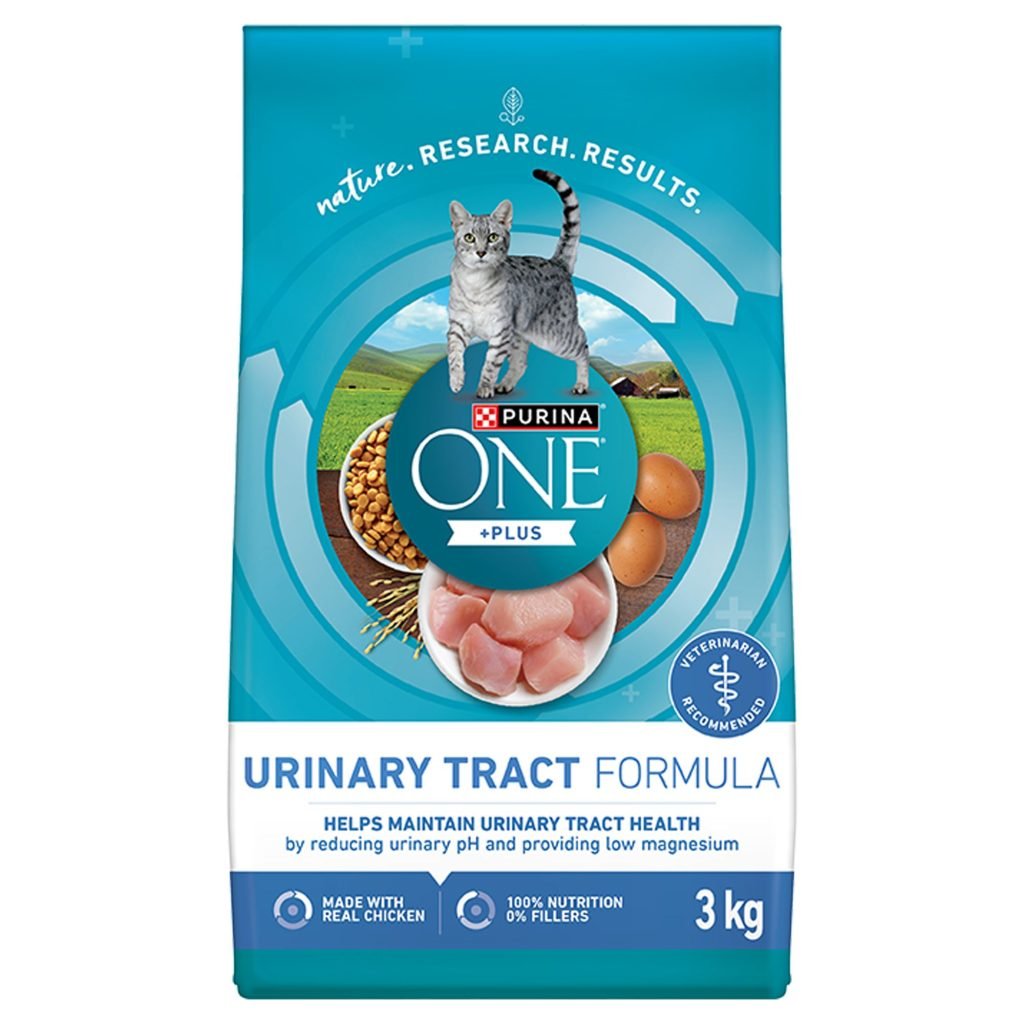
If your cat has ever struggled with urinary tract issues, you know how worrying it can be. Choosing the right cat food for urinary tract health isn’t just about nutrition—it can make a real difference in your furry friend’s comfort and well-being.
You want to keep your cat happy and healthy, avoiding painful infections or blockages. You’ll discover what to look for in cat food to support a strong urinary system and how simple changes can protect your cat’s health for years to come.
Keep reading to find out how you can give your cat the best chance at a healthy, pain-free life.
Causes Of Urinary Tract Issues
Urinary tract issues in cats can cause pain and discomfort. Understanding their causes helps prevent these problems. Cats have delicate urinary systems prone to infections and blockages. Many factors can lead to urinary tract problems, from diet to stress.
Common Urinary Problems In Cats
- Urinary Tract Infection (UTI): Bacterial infections causing pain and frequent urination.
- Feline Lower Urinary Tract Disease (FLUTD): A group of conditions affecting the bladder and urethra.
- Urinary Crystals and Stones: Mineral deposits that irritate or block the urinary tract.
- Urethral Blockage: A serious condition where the urethra becomes blocked, stopping urine flow.
- Bladder Inflammation: Swelling and irritation of the bladder lining.
Risk Factors And Triggers
- Dehydration: Low water intake concentrates urine, increasing irritation risk.
- Diet: Poor nutrition or inappropriate food can lead to crystal formation.
- Obesity: Overweight cats have higher chances of urinary issues.
- Stress: Changes in environment or routine can trigger urinary problems.
- Lack of Exercise: Sedentary cats may develop bladder problems.
- Age and Gender: Male cats are more prone to blockages; older cats face higher risks.
- Genetics: Some breeds have a higher tendency for urinary issues.
Key Nutrients For Urinary Health
Keeping your cat’s urinary tract healthy depends a lot on the right nutrients in their food. Certain ingredients help prevent issues like crystals, stones, or infections. Knowing which nutrients to focus on can make a big difference in your cat’s comfort and wellbeing.
Importance Of Hydration
Water is the foundation of urinary health. Cats often don’t drink enough water on their own, which can lead to concentrated urine and urinary problems.
Wet cat food is a great way to boost hydration. It contains much more moisture than dry kibble, helping flush toxins and reduce crystal formation.
Have you noticed if your cat prefers wet or dry food? Offering more wet food might improve their urinary health without any extra effort.
Role Of Protein And Mineral Balance
Protein quality and quantity play a key role. Too much protein or poor-quality protein can stress the urinary system.
Minerals like magnesium, phosphorus, and calcium need careful balance. Excessive magnesium, for example, can contribute to crystal growth.
Look for cat foods labeled “urinary support” that regulate these minerals. It’s like giving your cat the right building blocks for a healthy urinary tract.
Benefits Of Added Supplements
Certain supplements can give your cat extra protection. Ingredients like cranberry extract have been shown to support bladder health by preventing bacteria from sticking to the urinary tract walls.
Omega-3 fatty acids help reduce inflammation and improve overall urinary tract comfort. Probiotics can support a healthy gut, which indirectly benefits urinary health.
Next time you shop for cat food, check the label for these added extras. They could make a big difference in keeping your cat’s urinary system happy.
Types Of Cat Food For Urinary Care
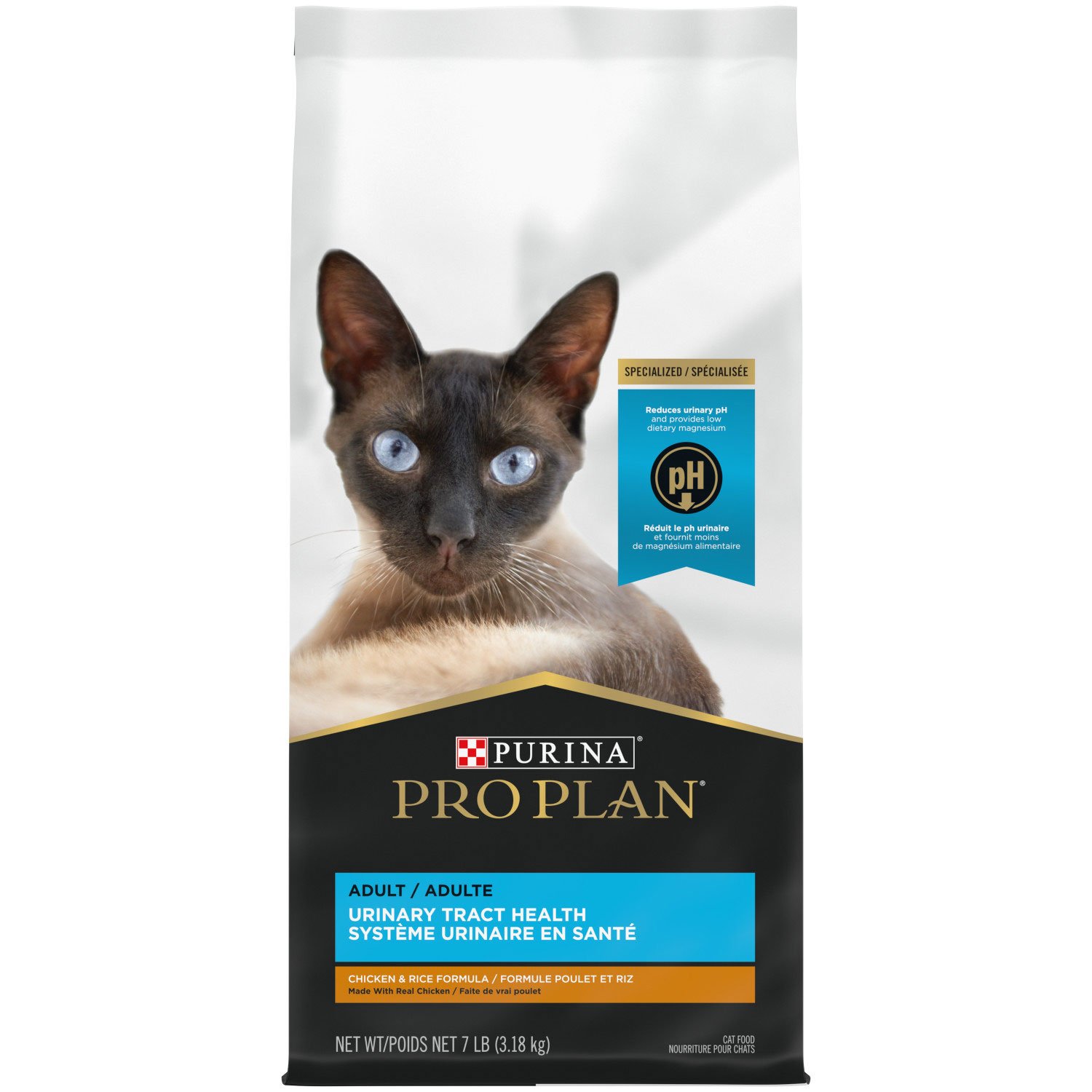
Choosing the right cat food for urinary tract health can make a big difference in your cat’s comfort and overall well-being. Different types of food offer unique benefits, so understanding your options helps you make the best choice. Whether you want convenience, specialized nutrition, or natural ingredients, there’s a cat food type that suits your needs.
Wet Vs. Dry Food Options
Wet food contains higher moisture, which helps increase your cat’s water intake. This extra hydration can dilute urine and reduce the risk of urinary crystals forming.
Dry food is more convenient and can help maintain dental health, but it usually contains less moisture. If you feed dry food, you might need to encourage your cat to drink more water separately.
Have you noticed your cat drinking less water? Switching to wet food could be a simple way to support their urinary health.
Prescription Diets
Prescription diets are specially formulated by veterinarians to target urinary issues such as crystals, stones, or infections.
They often contain controlled levels of minerals like magnesium and phosphorus, which can prevent crystal formation. These diets may also adjust pH levels to keep urine less acidic or alkaline, depending on the condition.
Always consult your vet before starting a prescription diet, as these foods are tailored to specific health needs and require monitoring.
Natural And Organic Choices
Natural and organic cat foods use fewer artificial additives and more whole ingredients. Some brands focus on ingredients that support urinary health through balanced mineral content and added antioxidants.
These options appeal to owners wanting a cleaner label for their pets. But remember, “natural” doesn’t always mean better for urinary issues, so check labels carefully.
Would you consider a natural diet if it meant fewer chemicals but the same urinary care benefits? Reading ingredient lists helps you decide what’s best for your cat.
Credit: www.mondou.com
Reading Cat Food Labels
Reading cat food labels can feel like decoding a secret language, but it’s crucial for your cat’s urinary tract health. Labels hold the key to understanding what you’re actually feeding your feline friend. Knowing what to look for—and what to avoid—helps you make smarter choices that support their well-being every day.
Ingredients To Look For
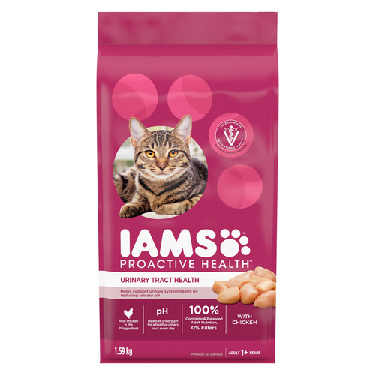
Focus on ingredients that help maintain a healthy urinary tract. Ingredients like cranberry extractare known for supporting urinary tract health by preventing bacteria from sticking to the bladder walls. Additionally, look for foods with controlled levels of magnesiumand phosphorus, as these minerals can impact the formation of urinary crystals.
High moisture content is another big plus. Wet cat food or foods with broth can keep your cat hydrated, which helps flush out the urinary system. Ingredients such as chicken, fish, or turkeyare good protein sources that typically don’t increase the risk of urinary problems.
Ingredients To Avoid
Stay away from foods with high levels of magnesiumand calcium, as they can contribute to the formation of urinary crystals. Also, avoid products with excessive grainsand fillers like corn, wheat, or soy, which don’t provide much nutritional value and might irritate your cat’s system.
Artificial additives such as colors, flavors, and preservativescan be harmful over time and may aggravate urinary issues. Remember, a shorter ingredient list often means fewer unnecessary fillers and additives, which is better for your cat’s urinary tract health.
Feeding Tips To Support Urinary Health
Supporting your cat’s urinary health starts with smart feeding habits. Proper meal timing and portion sizes help maintain a healthy weight and reduce bladder stress. Encouraging enough water intake flushes the urinary tract and prevents crystal buildup. These feeding tips create a strong foundation for your cat’s urinary well-being.
Meal Frequency And Portion Control
Feed your cat smaller meals throughout the day. This helps avoid overeating and supports steady digestion. Use measured portions to prevent excess weight. Obesity can raise the risk of urinary problems. Adjust portions based on your cat’s activity and age. Consistency in feeding times also aids in routine bladder emptying.
Encouraging Water Intake
Provide fresh water in multiple spots around your home. Cats often drink more when water is easy to find. Use shallow bowls or pet fountains to attract your cat. Wet cat food adds moisture and supports hydration. Avoid salty treats and dry food only diets. Hydrated cats flush toxins and crystals from their urinary tract.

Credit: www.amazon.ca
When To Consult A Veterinarian
Knowing when to consult a veterinarian about your cat’s urinary tract health can make a big difference in your pet’s comfort and recovery. Some signs might seem minor at first but could indicate a serious problem. Paying close attention to your cat’s behavior and health can help you act quickly and avoid complications.
Recognizing Warning Signs
Is your cat suddenly urinating outside the litter box or straining while trying to pee? These behaviors often signal urinary tract issues. Other warning signs include:
- Frequent trips to the litter box with little urine produced
- Blood in the urine or unusual color
- Excessive licking of the genital area
- Signs of pain or discomfort, like crying out when urinating
If you notice any of these, don’t wait. Cats can hide pain well, so subtle changes matter. Acting early can prevent more serious health problems.
Diagnostic Tests And Treatments
Once you take your cat to the vet, they will perform tests to identify the exact cause. These can include:
- Urinalysis to check for infection or crystals
- Blood tests to assess kidney function
- X-rays or ultrasounds to spot blockages or stones
Treatment depends on the diagnosis. Your vet might prescribe antibiotics, special diets, or procedures to remove blockages. Sometimes, managing stress and hydration at home plays a key role in recovery. Have you noticed how quickly your cat bounces back after proper care? That’s why timely vet visits matter so much.
Credit: www.sobeys.com
Frequently Asked Questions
What Ingredients Support Cat Urinary Tract Health?
Ingredients like cranberry extract, omega-3 fatty acids, and high moisture content support urinary tract health in cats. These help reduce inflammation, prevent urinary crystals, and promote hydration, maintaining a healthy urinary system.
How Does Wet Cat Food Aid Urinary Health?
Wet cat food increases water intake, diluting urine and reducing crystal formation. This helps prevent urinary tract infections and promotes bladder health by keeping the urinary system flushed and hydrated.
Can Diet Prevent Urinary Tract Infections In Cats?
Yes, a balanced diet with controlled minerals and moisture can prevent urinary tract infections. Proper nutrition reduces the risk of crystals and bacterial growth, supporting overall urinary tract health in cats.
What Nutrients Are Essential For Cat Urinary Tract Health?
Key nutrients include magnesium, phosphorus, and calcium in controlled amounts, plus antioxidants and vitamins. These nutrients help prevent crystal formation and support a strong immune system for urinary tract health.
Conclusion
Choosing the right cat food supports urinary tract health well. Cats need balanced nutrition with proper moisture and minerals. Good food helps prevent infections and stones. Always watch your cat’s water intake daily. Healthy eating keeps cats active and happy.
Consult your vet for the best diet advice. Small changes can make a big difference. Care and attention protect your cat’s health. Keep your furry friend comfortable and safe. Healthy cats live longer, fuller lives.
