

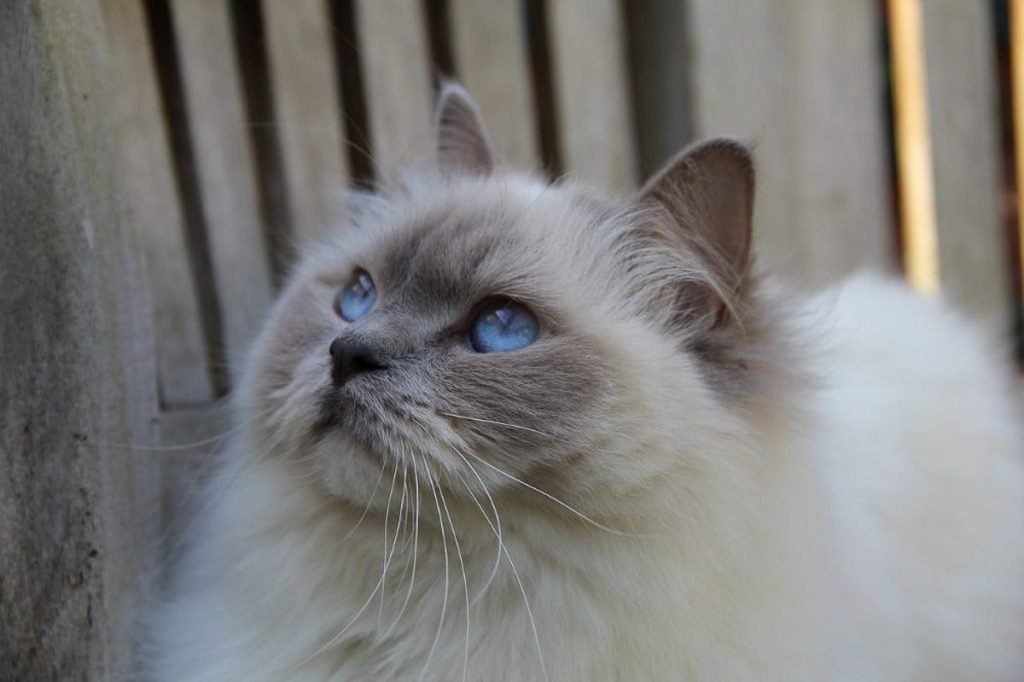
Have you ever been captivated by a cat’s sparkling blue eyes? Those stunning, icy or deep sapphire hues can make any feline look truly magical.
If you’re curious about which cat breeds naturally have blue eyes and what makes their gaze so mesmerizing, you’re in the right place. Understanding these unique traits can help you find the perfect blue-eyed companion or simply appreciate their beauty even more.
Keep reading to discover the most popular blue-eyed cat breeds and what makes their eyes so special. Your next favorite feline might just be one dazzling glance away!
Blue Eyes In Cats
Blue eyes in cats often catch your attention instantly. They give these felines a unique, striking look that many find irresistible. But have you ever wondered what makes their eyes so vividly blue?
Genetics Behind Blue Eyes
The blue eye color in cats is primarily linked to their genetics. Specific genes control the production and distribution of pigments in the iris.
One important gene is the OCA2 gene, which affects pigment formation, leading to blue eyes when pigment is minimal or absent. Some breeds, like the Siamese and Ragdoll, inherit these genes, which is why their blue eyes are so common.
Interestingly, not all blue-eyed cats have the same genetic background. Some blue eyes result from the white spotting geneor the point coloration gene, creating diversity in how this beautiful trait appears.
How Eye Color Develops
Eye color in cats develops shortly after birth. All kittens start with blue eyes because their irises lack pigment at that early stage.
As kittens grow, pigment usually develops, changing the eye color to green, yellow, or amber. However, in cats with blue eyes, this pigment never fully forms, keeping the eyes blue.
You might notice that some adult cats retain their baby-blue eyes, while others experience a color shift. This change depends on the genes controlling pigment growth during the kitten’s first few weeks.
Common Traits Of Blue-eyed Cats
Blue-eyed cats often share more than just eye color. Many belong to specific breeds known for their striking blue eyes, such as Siamese, Balinese, and Turkish Angora.
These cats usually have slender bodies, sleek coats, and a playful yet affectionate nature. Their blue eyes often come with distinctive coat patterns like points or white spotting.
Have you noticed how blue-eyed cats often seem to have a mysterious charm? This might be because their eye color makes their expressions more intense, drawing you into their world.
Popular Blue-eyed Cat Breeds
Blue-eyed cats captivate many with their striking gaze. These breeds often carry a unique charm and personality that matches their eye color. Understanding which breeds are known for their blue eyes can help you find the perfect feline companion with that mesmerizing look.
Siamese
The Siamese cat is famous for its vivid blue eyes that stand out against its sleek, short coat. Their eyes are not just a color statement but also reflect their curious and vocal nature. If you enjoy a chatty cat who loves to interact, a Siamese might be your ideal pet.
Ragdoll
Ragdolls are known for their large, expressive blue eyes that complement their plush, soft fur. These cats often go limp when picked up, showing their relaxed temperament. Have you ever wanted a gentle giant who adores cuddles? Ragdolls fit that description perfectly.
Balinese
Balinese cats share the striking blue eyes of the Siamese but with a longer, flowing coat. Their graceful appearance pairs well with an affectionate and intelligent personality. If you value elegance and companionship, the Balinese offers both in one beautiful package.
Birman
Birmans sport deep blue eyes paired with a silky coat and white “gloves” on their paws. Their eye color is often a highlight that draws attention during meet-and-greets. Do you appreciate a calm but playful cat who loves attention? The Birman could be your next best friend.
Himalayan
The Himalayan breed combines the blue eyes of the Siamese with the fluffy coat of the Persian. Their eyes often appear as bright pools of blue, contrasting with their creamy fur. If you want a cat with a regal look and a sweet personality, consider a Himalayan.
Unique Features Of Blue-eyed Cats
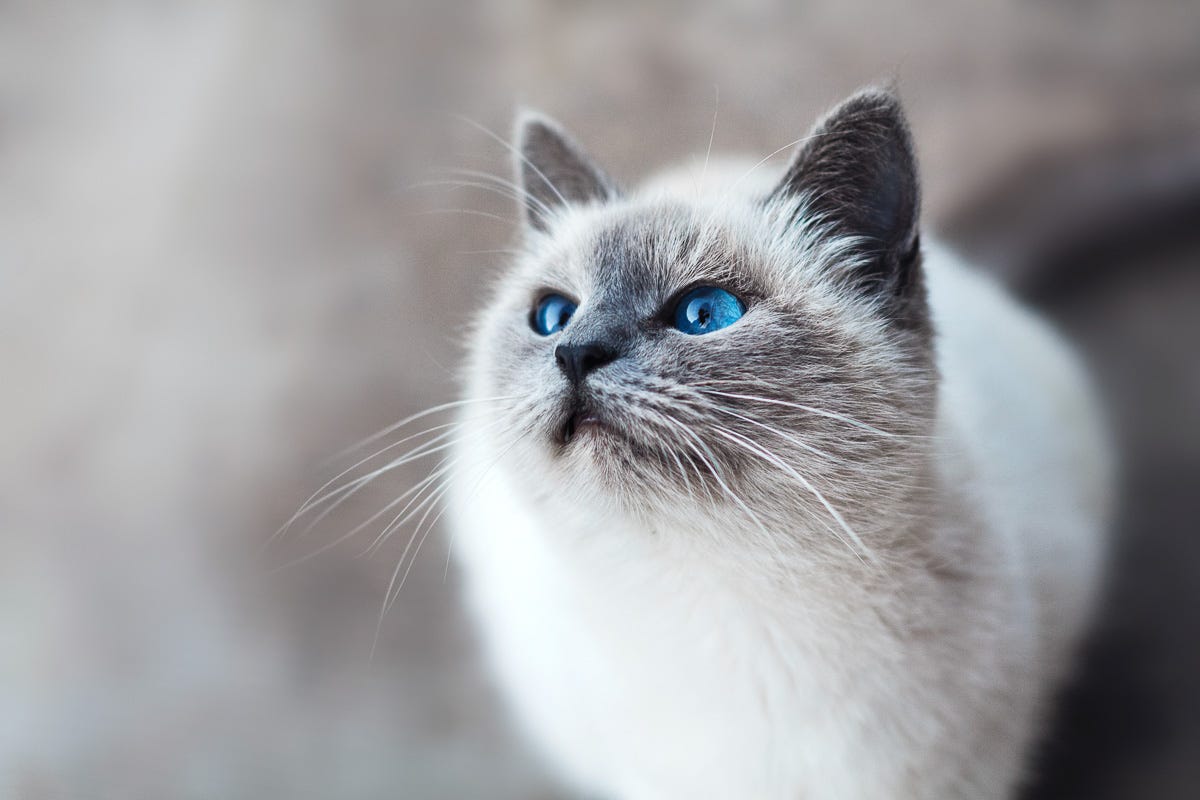
Blue-eyed cats stand out with their mesmerizing gaze. Their eyes can range from icy blue to deep sapphire. These unique eyes often match their rare and beautiful coats. Blue-eyed cats attract attention with more than just their eyes. Their personality and health traits also make them special.
Coat Colors And Patterns
Blue-eyed cats often have distinct coat colors and patterns. Many have white or light-colored fur. Some breeds show a pointed pattern, where the face, ears, paws, and tail are darker. Common colors include:
- Snowy white
- Seal point (dark brown points)
- Blue point (grayish-blue points)
- Lilac point (soft gray points)
Their fur is soft and silky, adding to their charm. These coats highlight their bright blue eyes beautifully.
Personality Traits
Blue-eyed cats tend to be friendly and curious. Many are playful and enjoy interaction. They often bond closely with their owners. Some breeds are known to be vocal and expressive. Blue eyes can hint at a gentle, calm nature in many cats. These cats love attention but can also be independent.
Health Considerations
Blue-eyed cats may have specific health concerns. Some are more prone to deafness, especially white cats with blue eyes. Regular vet check-ups help catch any issues early. Their eye color does not affect vision. Watch for signs of ear or eye problems. A healthy diet supports their overall well-being.

Credit: medium.com
Caring For Blue-eyed Cats
Caring for blue-eyed cats requires special attention that goes beyond their stunning appearance. Their unique eye color can sometimes be linked to specific health needs. Understanding how to support their well-being helps you keep your feline friend happy and healthy.
Diet And Nutrition
Blue-eyed cats, like all cats, thrive on a balanced diet rich in protein. However, some breeds with blue eyes, such as Siamese or Ragdolls, may have sensitive stomachs.
Consider feeding high-quality wet food combined with dry kibble to maintain hydration and dental health. Adding supplements like omega-3 fatty acids can support their skin and coat, enhancing their natural beauty.
Have you noticed how your cat reacts to certain foods? Pay attention to any digestive issues or allergies and adjust their diet accordingly.
Grooming Tips
Regular grooming keeps your blue-eyed cat’s coat shiny and reduces shedding. Cats with lighter fur often show dirt and stains more easily, so weekly brushing helps maintain cleanliness.
Use a soft-bristle brush to avoid irritating their delicate skin. Bathing isn’t usually necessary, but occasional wipes with pet-safe wipes can keep their face and eyes clean.
Watch for tear stains around their eyes, especially if your cat has a flat face. Gently cleaning these areas prevents discomfort and infections.
Regular Health Checks
Blue-eyed cats can be prone to certain genetic conditions, including hearing issues, especially if they have white fur. Scheduling vet visits twice a year helps catch problems early.
Keep an eye on their eyes for signs of cloudiness, redness, or discharge, which might indicate infections or other issues. Early detection can save your cat from discomfort.
Ask your vet about any breed-specific health screenings that could be important for your cat’s long-term wellness. What questions will you ask during your next vet visit?
Myths And Facts About Blue-eyed Cats
Blue-eyed cats have fascinated people for centuries, sparking many stories and beliefs. Some of these tales paint blue-eyed cats as magical or rare beyond reason, while others are rooted in science and genetics. Knowing the truth behind these myths can help you appreciate your blue-eyed feline friend even more.
Common Misconceptions
One popular myth is that all blue-eyed cats are deaf. This is not true for every blue-eyed cat, but some breeds like the white cats with blue eyes do have a higher chance of hearing issues.
Another misconception is that blue eyes mean a cat is rare or expensive. While certain breeds like the Siamese or Ragdoll are known for their striking blue eyes, many mixed-breed cats can have blue eyes too.
Have you ever heard that blue-eyed cats are mystical or bring good luck? While that’s a charming story, it’s more a cultural belief than a fact.
Scientific Insights
Blue eyes in cats result from a lack of pigment in the iris, which allows light to scatter and create that stunning blue shade. This is similar to how blue eyes appear in humans.
In some breeds, blue eyes are linked to specific genes, like the one responsible for the pointed coloration in Siamese cats. The gene affects pigment production in the eyes and fur.
Interestingly, blue eyes in cats often appear in kittens and can change as they grow older, so your kitten’s eye color might surprise you.
Cultural Significance
In many cultures, blue-eyed cats are symbols of mystery and beauty. For example, in Japan, the blue-eyed Khao Manee is considered a bringer of good fortune.
Some sailors believed that blue-eyed cats could calm storms or protect their ships, showing how these cats have been woven into folklore worldwide.
Have you noticed how blue-eyed cats often appear in movies and art? Their striking look makes them stand out and adds to their allure in stories and culture.

Credit: wamiz.co.uk
Credit: medium.com
Frequently Asked Questions
What Cat Breeds Have Blue Eyes?
Several cat breeds feature stunning blue eyes. Siamese, Ragdoll, and Balinese cats are well-known for this trait. These breeds naturally have blue eyes due to genetics. Their captivating gaze adds to their charm, making them popular among cat enthusiasts.
Why Do Some Cats Have Blue Eyes?
Cats have blue eyes due to genetics. The gene responsible for their coat color often affects eye color. Blue eyes are common in breeds like Siamese and Ragdoll. These cats lack pigment in their eyes, which causes the blue appearance.
Are All Blue-eyed Cats Deaf?
Not all blue-eyed cats are deaf. Deafness is more common in white cats with blue eyes. However, many blue-eyed cats hear perfectly. Deafness is linked to genetics and not all blue-eyed cats inherit this trait.
Do Blue-eyed Cats Require Special Care?
Blue-eyed cats generally don’t need special care. However, regular eye check-ups are advisable. Their eyes can be sensitive to sunlight, so providing shaded areas is beneficial. Keeping an eye on their overall health ensures they remain happy and healthy.
Conclusion
Blue-eyed cat breeds bring charm and beauty to any home. Their striking eyes often reflect unique traits and personalities. Many people love these cats for their gentle and playful nature. Choosing a blue-eyed cat means welcoming a special friend. Each breed has its own story and care needs.
Understanding these helps keep your cat happy and healthy. Blue eyes are more than just a color—they show character. Enjoy the wonder and joy these cats offer every day.
