

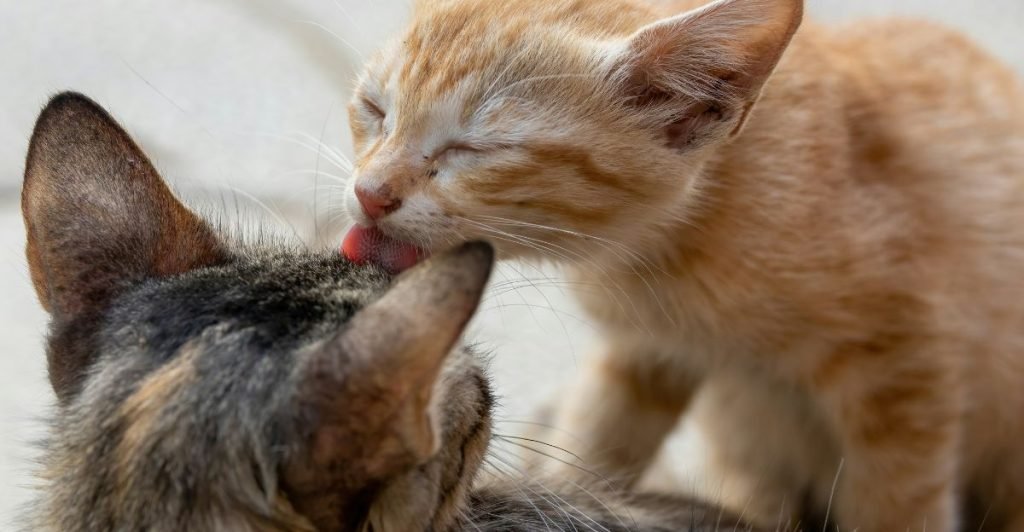
Have you ever watched your cats gently licking each other and wondered why they do it? When cats groom each other, it’s more than just keeping clean—it’s a special way they connect and communicate.
Understanding this behavior can help you see your furry friends in a whole new light. Keep reading to discover the surprising reasons behind this sweet ritual and what it means for your cats’ bond and well-being.
Why Cats Groom Each Other
When cats groom each other, it’s not just about keeping clean. This behavior carries deeper meanings that influence their relationships and well-being. Understanding why cats engage in mutual grooming can help you better appreciate your feline friends and their social world.
Social Connections
Mutual grooming strengthens bonds between cats. It acts as a sign of trust and friendship, showing that they feel safe and comfortable around each other.
Think about how your cats interact after grooming—often, they cuddle or play together. This behavior builds a sense of community and cooperation within a group.
Hygiene Benefits
Grooming each other helps cats reach spots they can’t clean alone, like the top of the head or behind the ears. This keeps them healthier by removing dirt, parasites, and loose fur.
Have you noticed your cats licking each other’s faces or necks? That’s their way of maintaining hygiene beyond their own reach, which can reduce skin problems and discomfort.
Stress Reduction
Grooming is calming for cats. When your cats groom each other, it lowers their stress and anxiety levels, creating a peaceful environment.
Next time you see your cats grooming, observe how relaxed they look afterward. This simple act can be a powerful tool to help them feel safe and secure in their surroundings.

Credit: www.shutterstock.com
How Grooming Strengthens Bonds
Grooming is more than just a way for cats to stay clean. It acts as a powerful tool that deepens their relationships. When cats groom each other, they create a connection built on trust, cooperation, and peace.
Trust Building
Trust is the foundation of any strong bond. When a cat allows another to groom hard-to-reach places, it shows a high level of comfort and safety.
You might notice your cats taking turns grooming. This mutual act signals that they feel secure with each other. It helps reduce anxiety and builds a sense of loyalty.
Group Cohesion
Grooming strengthens the group’s unity. Cats living together often groom each other to reinforce their social ties.
This behavior creates a shared scent, making the group smell alike and feel like a family. It’s like an invisible badge that says, “We belong together.”
Conflict Resolution
Grooming can calm tensions between cats. After a disagreement, you might see cats grooming to mend their relationship.
This action works as a peace offering, easing hostility and preventing future fights. Have you ever seen your cats pause their play to groom? It’s their way of saying, “Let’s make peace.”
Common Grooming Behaviors
Cats grooming each other is a common social activity that builds trust and bonds. This behavior goes beyond cleanliness. It helps cats feel safe and connected. Understanding common grooming behaviors reveals how cats communicate through touch and care.
Licking Patterns
Cats use specific licking patterns during grooming. They often lick gently and rhythmically. The tongue moves in small circles or strokes. This action removes dirt and loose fur. Cats also lick to calm each other. The licking is slow and steady, signaling affection and comfort.
Mutual Grooming Spots
Cats prefer certain spots when grooming each other. The head, neck, and cheeks are common areas. These spots are hard for a cat to reach alone. Grooming here shows trust and friendship. The back and tail base are also groomed sometimes. Cats avoid licking sensitive areas, respecting boundaries.
Grooming Sessions Timing
Grooming sessions usually happen at quiet times. Cats groom each other after resting or before sleeping. Sessions last a few minutes, enough to bond. Sometimes grooming happens more after playtime, helping cats relax. The timing varies but often follows a calm routine.
Credit: basepaws.com
Signs Of Healthy Grooming Relationships
Recognizing the signs of healthy grooming relationships between cats can help you understand their social bonds and overall well-being. When cats groom each other, it’s more than just cleanliness; it’s a sign of trust and friendship. Watching these interactions closely can reveal a lot about how your cats feel about each other.
Reciprocal Grooming
Healthy grooming relationships often involve give-and-take. One cat will groom the other, then the favor is returned, showing mutual care. If you notice one-sided grooming lasting too long, it might indicate stress or imbalance in their relationship.
Have you seen your cats take turns grooming? This back-and-forth behavior means they feel safe and connected.
Relaxed Body Language
Pay attention to their posture during grooming sessions. Relaxed ears, soft eyes, and calm tails signal comfort and trust. If your cats stiffen or pull away, grooming could be a source of tension instead.
Notice how your cats settle close together, showing they enjoy each other’s company. This peaceful body language is a clear sign of a healthy bond.
Playful Interactions
Grooming often leads to gentle play. Cats that groom each other may follow up with light pawing or chasing, reinforcing their connection. These playful moments show their relationship is balanced and joyful.
Next time your cats groom, watch if they break into play afterward. This tells you they’re not just comfortable but happy together.
What Grooming Can Reveal About Cat Hierarchy
Cat grooming is more than just keeping clean. It is a way cats show their social rank and build bonds. Observing which cat grooms which can tell a lot about their group order and friendships. Grooming habits reveal who leads and who follows in the cat family.
Dominance And Submission
Dominant cats often groom others to show control. The cat being groomed usually accepts this to keep peace. Submission is clear when one cat allows another to groom it first. Grooming acts like a silent signal of rank without fighting.
Preferred Grooming Partners
Cats choose certain friends to groom more often. These pairs share trust and comfort. Grooming helps keep their bond strong. Cats rarely groom strangers or distant group members. Preferred partners are like close friends or family.
Changes Over Time
Grooming relationships can shift as cats grow or new cats join. A younger cat may start grooming an older one to gain favor. Older cats may groom younger ones to teach or protect. Watching changes in grooming shows how group roles evolve.

Credit: catcuddlezone.com
When Grooming Becomes Excessive
Cats grooming each other is a sign of friendship and trust. But sometimes, grooming can become too much. Excessive grooming may indicate problems that need attention. It can affect a cat’s health and behavior. Watching for signs of over-grooming helps keep cats happy and healthy.
Stress Indicators
Cats may groom excessively due to stress. Changes in environment or routine cause anxiety. Stress can come from new pets, loud noises, or lack of attention. Over-grooming acts as a comfort for stressed cats. Look for bald patches or red skin. These signs show stress needs to be addressed.
Health Issues
Health problems often cause cats to groom too much. Skin allergies or parasites make cats itch. Pain or discomfort can also trigger grooming. Check for wounds, scabs, or irritation. A visit to the vet can find hidden health issues. Treating these problems stops excessive grooming.
Behavioral Concerns
Sometimes, excessive grooming is a sign of behavior issues. Cats might groom to cope with boredom or loneliness. This habit can turn into a repetitive behavior. Over-grooming may lead to skin damage and infections. Providing toys and interaction reduces this behavior. Understanding your cat’s needs prevents problems.
Tips To Encourage Positive Grooming
Encouraging positive grooming between cats helps build trust and friendship. It reduces stress and supports their social bonds. Creating the right setting and careful introductions play a big role. Watching their behavior helps keep interactions safe and happy.
Creating A Comfortable Environment
Provide quiet spaces where cats can relax. Use soft bedding and familiar smells. Keep food and water bowls separate but close. Avoid loud noises and sudden movements. Give cats plenty of high places to climb. A calm area invites grooming and closeness.
Introducing New Cats
Start with slow, controlled meetings. Let cats sniff each other through a door or gate. Swap blankets or toys between them to share scents. Watch their reactions and separate if there is hissing. Gradually allow short face-to-face encounters. Positive grooming often begins after trust builds.
Monitoring Interactions
Observe grooming sessions closely. Make sure both cats seem relaxed and happy. Look for signs of stress like growling or swatting. Interrupt if one cat pushes too hard. Reward gentle grooming with treats or praise. Consistent supervision helps maintain friendly grooming habits.
Frequently Asked Questions
Why Do Cats Groom Each Other?
Cats groom each other to strengthen social bonds. It helps reduce stress and maintains hygiene by cleaning hard-to-reach areas. Mutual grooming shows trust and affection among cats, promoting group harmony and comfort.
How Often Do Cats Groom Each Other?
Cats groom each other several times daily, especially if they live together. Frequency depends on their relationship, stress levels, and environment. Regular grooming reinforces social connections and keeps their coats clean.
What Does Grooming Mean In Cat Behavior?
Grooming in cats is a social behavior indicating trust and bonding. It also reduces tension and establishes group hierarchy. Grooming helps cats express affection and maintain healthy skin and fur.
Can Cats Groom Each Other To Show Affection?
Yes, cats groom each other to express affection and care. This behavior builds friendships and reassures cats within the group. It’s a natural way to communicate love and comfort.
Conclusion
Cats grooming each other shows trust and friendship. It helps keep their fur clean and healthy. This behavior also reduces stress and builds strong bonds. Watching cats groom can teach us about their feelings. Remember, grooming is a sign they care for one another.
Next time you see cats grooming, you understand their special connection better. It’s a simple, natural way cats show love and comfort.
