

Your cat’s happiness goes beyond purring and playful moments. Just like you, your furry friend has a mind that needs care and attention.
Understanding your cat’s mental health is key to a stronger bond and a healthier pet. If you’ve ever wondered why your cat acts stressed, anxious, or withdrawn, this guide is for you. Keep reading to discover simple ways to support your cat’s emotional well-being and make their life—and yours—much better.

Credit: x.com
Signs Of A Happy Cat
Recognizing the signs of a happy cat helps you understand your furry friend’s well-being better. Cats communicate their contentment mostly through subtle behaviors and sounds. Paying attention to these signs can deepen your bond and ensure your cat feels safe and loved.
Body Language Cues
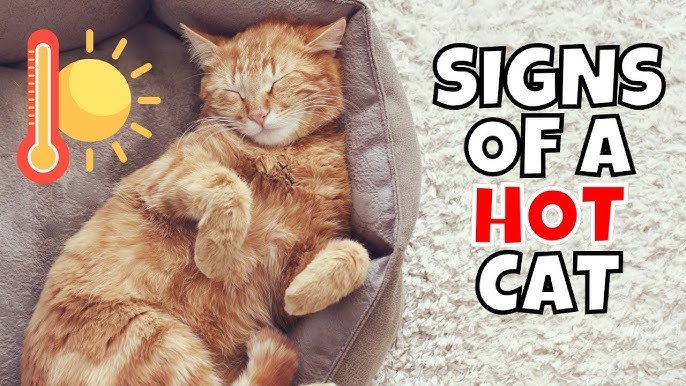
Happy cats often show relaxed body language. You might see your cat lying on its side or back with paws stretched out—this shows trust.
Look for a gently swaying tail tip or slow blinking eyes. These signals mean your cat feels calm and comfortable around you.
Have you noticed your cat nudging you with its head? That’s a friendly gesture called “bunting,” which means your cat is marking you as part of its family.
Vocalizations And Purring
Soft purring is one of the clearest signs your cat is happy. It’s their way of expressing contentment and peace.
Besides purring, happy cats might chirp or trill when they see you. These sounds indicate excitement and a desire to interact.
Pay attention to the tone and frequency of your cat’s meows. A happy cat’s vocalizations tend to be gentle and inviting rather than loud or demanding.
Playful Behaviors
Engaging in play is a strong indicator of a happy cat. Watch for chasing toys, pouncing, or playful swatting.
Some cats even bring “gifts” like toys or small objects to share their joy with you. This shows they want to include you in their fun.
Does your cat invite you to play by tapping your hand or dropping a toy at your feet? These are clear signs of a joyful mood and trust.
Common Stress Factors
Cats are sensitive creatures. Stress affects their mood and behavior deeply. Recognizing common stress factors helps keep cats calm and happy. Stress can come from many parts of a cat’s life. Some stress sources are easy to see, while others hide in daily routines.
Environmental Changes
Changes in a cat’s environment can cause stress quickly. Moving to a new home, rearranging furniture, or loud noises can upset cats. They like familiar smells and places. New scents or sounds make them anxious. Even small changes like new visitors or construction noise can be stressful. Cats need safe, quiet spaces to feel secure.
Social Interactions
Cats have unique social needs. Some enjoy company; others prefer solitude. Forced interactions with other pets or strangers can cause tension. New animals in the house often create stress. Cats may hide, hiss, or avoid contact. Lack of social interaction also harms mental health. Balanced social time supports a cat’s emotional well-being.
Health Issues
Physical health affects mental health in cats. Pain or illness often leads to stress. Conditions like arthritis, dental problems, or infections can cause discomfort. Stress may show as changes in eating, grooming, or litter box habits. Regular vet visits help catch health issues early. Treating health problems reduces stress and improves quality of life.
Creating A Safe Space
Creating a safe space is essential for your cat’s mental health. Cats feel secure when their environment is calm and predictable. A quiet, comfortable area helps reduce stress and anxiety. It also encourages relaxation and restful sleep. A safe space lets your cat explore and rest without fear.
Comfortable Resting Areas
Provide soft, warm spots for your cat to sleep and relax. Use cozy beds or blankets in quiet corners. Cats love elevated places, like shelves or window perches. These areas give a view of their surroundings and a sense of safety. Change bedding regularly to keep it clean and inviting.
Hiding Spots
Cats need places to hide when they feel scared or overwhelmed. Cardboard boxes, cat tunnels, or covered beds work well. These spots offer privacy and calm. Place hiding areas in low-traffic parts of your home. This helps your cat feel protected and less stressed.
Consistent Routine
Keep feeding, playtime, and rest times regular. Cats feel safer when daily activities happen at the same time. A predictable routine lowers anxiety and builds trust. Stick to the schedule even during weekends or holidays. Routine helps your cat know what to expect each day.
Mental Stimulation Tips
Mental stimulation keeps cats sharp and happy. It helps prevent boredom and stress. Providing new challenges supports their natural instincts. Cats enjoy exploring, hunting, and solving problems. Here are some simple ways to boost your cat’s mental health.
Interactive Toys
Interactive toys spark curiosity and movement. Toys like feather wands and laser pointers engage cats in play. They mimic hunting behavior, keeping cats alert and active. Toys that move unpredictably catch their attention quickly. Change toys often to maintain interest and excitement.
Puzzle Feeders
Puzzle feeders make mealtime a fun challenge. Cats must figure out how to get their food. This slows eating and encourages problem-solving. You can find feeders with sliding doors or hidden compartments. Puzzle feeders reduce boredom and promote natural hunting skills.
Training And Enrichment
Training sessions create mental engagement and strengthen bonds. Teaching simple commands or tricks stimulates your cat’s mind. Use treats and praise to motivate learning. Enrichment activities include new scents, safe outdoor time, or climbing structures. These experiences keep your cat curious and content.
Social Needs And Interaction
Cats need social interaction to stay mentally healthy. Their social needs vary based on personality and past experiences. Some cats enjoy close contact with humans, while others prefer quiet observation. Understanding these needs helps keep cats happy and calm.
Human Bonding
Cats form strong bonds with their owners. They show affection by purring, kneading, or rubbing against you. Spending quiet time together builds trust and security. Gentle petting and talking softly can comfort a cat. Regular interaction helps reduce stress and loneliness.
Cat-to-cat Relationships
Many cats enjoy the company of other cats. They may play, groom, or rest near each other. Some cats prefer living alone, so watch their reactions. Introduce new cats slowly and in neutral spaces. Positive cat-to-cat relationships improve mental well-being and reduce anxiety.
Respecting Boundaries
Every cat has personal limits. Watch for signs like tail flicks or ears back. Stop interactions if a cat seems stressed or scared. Allow cats to choose when to engage or retreat. Respecting boundaries builds trust and keeps cats comfortable.
Recognizing Behavioral Changes
Recognizing changes in your cat’s behavior is crucial for their mental health. Cats cannot tell us when they feel stressed or sad. Instead, they show it through actions and habits. Noticing these signs early can help prevent serious problems.
Behavioral changes can be subtle or obvious. Pay attention to how your cat acts daily. Any shift might indicate anxiety, depression, or other issues. Understanding these signs helps you support your cat better.
Signs Of Anxiety
- Excessive grooming or licking
- Hiding more than usual
- Restlessness or pacing
- Changes in eating habits
- Increased vocalization or meowing
An anxious cat may seem nervous or jumpy. They might avoid people or places they once liked. Watch for trembling or sudden bursts of energy without reason.
Depression Indicators
- Loss of interest in play or activities
- Sleeping more than usual
- Reduced appetite
- Less grooming or poor coat condition
- Avoiding interaction with owners
Depressed cats often seem sad or tired. They may stop showing affection. Their usual joyful behavior might fade. This state can last days or weeks.
Aggression Or Withdrawal
- Sudden growling, hissing, or biting
- Hiding and avoiding all contact
- Defensive body language like arched back
- Refusal to eat or use the litter box
- Sudden changes in social behavior
Aggression can be a sign of fear or pain. Withdrawal may show deep discomfort or sadness. Both require attention and care. Never punish these behaviors. Instead, observe and seek help if needed.
When To Seek Professional Help
Recognizing when your cat needs professional help can make a huge difference in their mental health. Cats often hide their distress, so it’s important to watch for subtle changes in behavior or mood. If you notice persistent issues, don’t hesitate to seek expert advice to ensure your feline friend gets the support they need.
Veterinary Consultation
A vet visit is the first step if your cat shows signs of anxiety, aggression, or sudden behavioral changes. Health problems like pain or illness can cause mental distress, so ruling out medical issues is crucial.
Be ready to describe your cat’s symptoms clearly—such as changes in eating habits, grooming, or social interaction. This helps your vet diagnose and recommend appropriate care quickly.
Behaviorist Support
If medical causes are ruled out, a cat behaviorist can help address mental health challenges directly. They understand feline psychology and can guide you through behavior modification techniques.
Working with a behaviorist may involve training exercises or environmental changes tailored to your cat’s specific needs. Have you noticed your cat’s anxiety spike during certain triggers? A specialist can help identify and manage these stressors effectively.
Treatment Options
Treatment can include medication, therapy, or changes to your cat’s environment. Your vet or behaviorist might suggest pheromone diffusers, calming supplements, or prescription drugs depending on the severity of symptoms.
Simple adjustments like adding hiding spots, interactive toys, or more playtime can also improve mental well-being. What small changes could you make today to create a calmer space for your cat?
Credit: www.etsy.com

Credit: www.reddit.com
Frequently Asked Questions
What Are Common Signs Of Poor Cat Mental Health?
Cats with poor mental health may show changes in appetite, grooming, and behavior. They might hide, become aggressive, or excessively vocalize. Noticing these signs early helps address their emotional well-being effectively.
How Can I Reduce My Cat’s Stress Levels?
Create a calm environment with safe spaces and routine. Use pheromone diffusers and interactive toys. Regular playtime and positive human interaction also help lower stress and improve your cat’s mental health.
Can Diet Impact A Cat’s Mental Health?
Yes, a balanced diet supports brain function and mood regulation. Nutrients like omega-3 fatty acids and antioxidants improve cognitive health. Feeding high-quality food enhances overall well-being and mental stability in cats.
When Should I Consult A Vet About My Cat’s Mental Health?
Consult a vet if your cat shows persistent anxiety, aggression, or behavior changes. Early intervention can prevent worsening issues. A vet can recommend treatments or behavioral therapies to improve your cat’s mental state.
Conclusion
Caring for a cat’s mental health helps them live a happy life. Stress and fear affect cats just like people. Providing a safe space and regular play makes a big difference. Watch for signs of anxiety or sadness. Talk to a vet if your cat seems upset.
Small changes in routine can improve their mood. Healthy minds lead to healthy cats. Keep love and patience at the heart of care. Your cat will thank you with purrs and trust.
