

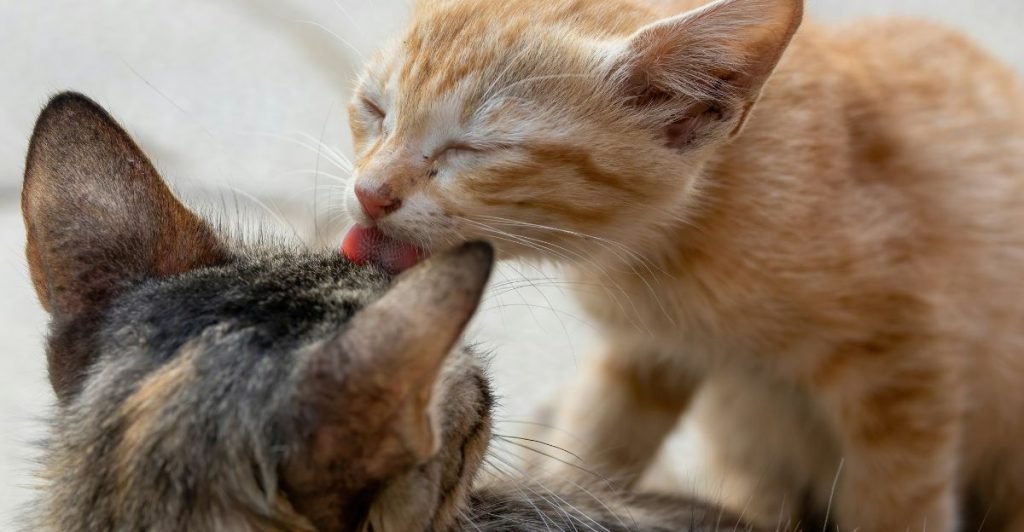
Have you ever watched cats carefully licking each other and wondered why they do it? It’s more than just keeping clean.
When cats groom other cats, they are sharing something special that goes beyond simple hygiene. If you want to understand what this behavior means for your furry friends and how it affects their relationships, keep reading. You’ll discover surprising reasons behind this sweet, sometimes puzzling habit that can change the way you see your cats forever.

Credit: catcuddlezone.com
Social Bonding
Cats groom each other not just for cleanliness but to build strong social bonds. This behavior helps create trust and friendship within the group. Grooming shows care and helps cats feel safe and accepted. It is a key part of their social life.
Strengthening Group Ties
Mutual grooming helps cats stay connected. It creates a sense of belonging and teamwork. Cats that groom each other often live peacefully together. This act builds a shared identity and loyalty. It also helps maintain harmony in the group.
Reducing Aggression
Grooming lowers tension between cats. It works as a calming signal to avoid fights. Cats use grooming to smooth over conflicts. This behavior helps reduce stress and aggression. It promotes a calm and friendly environment.
Credit: basepaws.com
Mutual Hygiene
Cats grooming each other is more than just a social act. It plays a key role in their hygiene and health. Mutual grooming helps cats stay clean and healthy by reaching places they cannot easily clean alone. It also helps keep parasites away. This behavior strengthens their bond while keeping them fresh.
Accessing Hard-to-reach Spots
Cats often cannot reach some areas on their own. Their bodies have spots like the back of the head and neck that are tough to clean. When cats groom each other, they help clean these hard-to-reach places. This keeps their fur smooth and free of dirt. It also prevents skin problems caused by unclean fur.
Parasite Control
Mutual grooming helps control parasites like fleas and ticks. Cats use their tongues to remove these pests from each other’s fur. This reduces irritation and risk of infection. Grooming also helps spot parasites early, so cats can stay healthier. It acts as a natural way to keep their skin safe and clean.
Stress Relief
Cats grooming each other is more than just cleaning. It helps them feel calm and safe. Grooming acts like a natural stress relief for cats. It lowers their tension and helps them relax. This behavior strengthens their bond and creates a peaceful environment among cats.
Calming Effects
Grooming releases soothing chemicals in cats’ brains. These chemicals reduce stress and create a feeling of calm. The gentle licking motions help cats focus on the present moment. It distracts them from worries or fears. Cats often groom each other after stressful events to regain calmness.
Comfort During Anxiety
When cats feel anxious, grooming offers comfort. It reminds them they are not alone. The touch of another cat’s tongue provides reassurance. This physical contact lowers anxiety and helps cats feel secure. Grooming also signals trust and friendship, easing nervous feelings.
Hierarchy And Dominance
Cats grooming each other is more than just a way to keep clean. It plays a key role in their social lives, especially in establishing hierarchy and dominance. Understanding these behaviors can help you see your cats’ relationships in a new light.
Establishing Social Order
When cats groom one another, they often reinforce their social ranks. The cat that does the grooming usually holds a higher place in the group’s hierarchy. This action is a way of saying, “I’m in charge,” without using aggression.
You might notice the dominant cat grooming a lower-ranking cat’s head or neck, areas they can comfortably reach. This shows control and care combined. Have you ever seen your cat insist on grooming another? That’s a clear sign of social structure at work.
Subtle Power Displays
Grooming serves as a gentle reminder of who leads the pack. It’s a subtle power display where the dominant cat shows authority but also offers comfort. This balance helps maintain peace within the group.
Sometimes, the cat being groomed will accept the attention quietly, signaling submission. Other times, they might try to groom back, but often in less confident ways. These small exchanges reveal a lot about their social dynamics.
Reinforcing Family Bonds
Cats grooming each other is more than just keeping clean—it’s a powerful way they strengthen their family ties. This behavior helps build trust and comfort among feline family members. When you watch cats grooming each other, you’re witnessing a silent conversation of care and connection.
Mother And Kitten Grooming
Mother cats use grooming to teach kittens about hygiene and social skills. This early grooming helps kittens feel safe and loved, setting the foundation for their emotional growth. You might notice how a mother gently licks her kitten’s fur to calm it—this action reassures the little one and deepens their bond.
Have you ever seen a kitten purr contentedly while being groomed? That’s a sign of trust and comfort, showing how grooming strengthens their relationship. This nurturing behavior also helps kittens learn to groom themselves properly as they grow.
Sibling Relationships
Sibling cats groom each other to maintain peace and harmony within their group. This mutual grooming reduces tension and prevents fights by reinforcing a sense of belonging. When you see siblings licking each other’s heads and necks, they’re not just cleaning—they’re saying, “You’re part of my family.”
Mutual grooming also helps cats share scents, which is important for recognizing each other. This shared scent creates a feeling of unity, making your cats feel more secure. Think about your own pets: have you noticed them grooming a new cat to welcome it into the family?

Credit: www.youtube.com
Communication Through Grooming
Cats use grooming as a way to talk without words. This behavior helps them share feelings and build trust. Grooming each other is more than just cleaning. It is a form of communication that shows friendship and safety.
Scent Exchange
When cats groom each other, they swap scents. This mixing of smells creates a group identity. Cats recognize friends by their unique scent. It helps them feel secure and connected. Scent exchange also marks territory in a peaceful way.
Nonverbal Messaging
Grooming sends silent signals between cats. It shows care and acceptance. A cat grooming another says, “You are part of my family.” This action reduces stress and strengthens bonds. It can calm a nervous cat and invite play or rest.
When Grooming Behavior Signals Problems
Cat grooming is usually a sign of care and bonding. Yet, changes in grooming habits can hint at problems. Watching these signs helps keep cats healthy and happy. Some behaviors may show stress or illness instead of affection.
Over-grooming Issues
Over-grooming can cause bald spots and skin sores. Cats may lick or bite the same area repeatedly. This might happen due to anxiety, pain, or allergies. It can also signal skin infections or parasites. Over-grooming needs attention from a vet to find the cause.
Ignoring Grooming Needs
When cats stop grooming others, it can mean stress or illness. A cat that suddenly avoids grooming may feel weak or sick. This behavior might also show social tension between cats. Ignoring grooming needs can lead to poor coat health. Monitoring such changes helps catch health problems early.
Frequently Asked Questions
Why Do Cats Groom Each Other?
Cats groom each other to build social bonds and establish trust. This behavior, called allogrooming, helps in reducing stress and maintaining group harmony. It also aids in removing parasites and distributing scent among cats, which strengthens their social connection.
Is Grooming A Sign Of Affection In Cats?
Yes, grooming is a sign of affection among cats. When cats groom each other, they are expressing trust and companionship. This behavior indicates a strong bond, as cats reserve grooming for those they feel comfortable with, reinforcing their social ties.
Do Cats Groom Each Other To Show Dominance?
Grooming can sometimes indicate dominance among cats. The dominant cat might initiate grooming to assert control over the other. However, it’s more commonly a social bonding activity, promoting peace and reducing tension within the group.
What Does It Mean When A Cat Grooms Another?
When a cat grooms another, it typically signifies friendship and mutual trust. This behavior strengthens their bond and indicates a harmonious relationship. It also helps in maintaining cleanliness and health by removing dirt and parasites from each other’s fur.
Conclusion
Cats groom each other to build trust and show care. This behavior helps them stay clean and calm. Grooming also strengthens their social bonds and reduces stress. It is a natural way cats express friendship and comfort. Watching cats groom each other reveals their close relationships.
Understanding this habit can deepen your appreciation for cat behavior. It shows how cats communicate without words. This simple act keeps cats happy and healthy together.
