

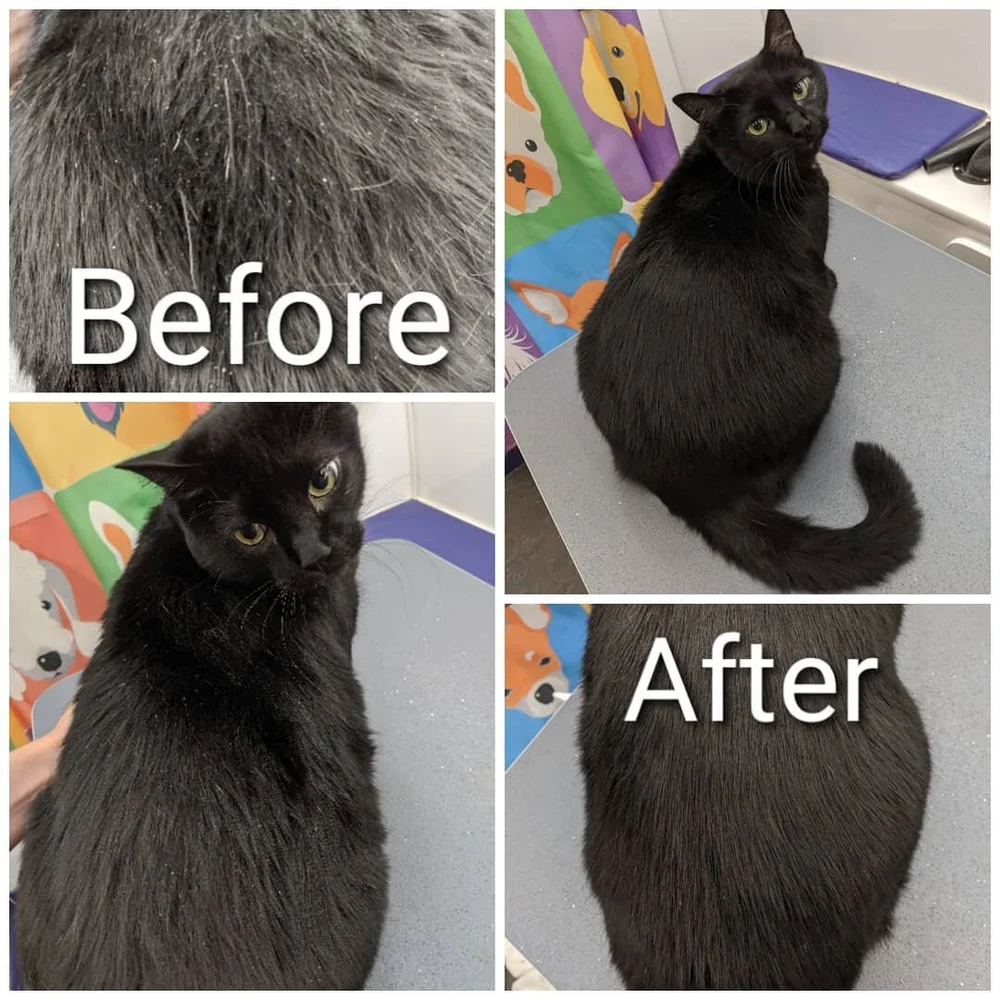
Have you noticed your cat isn’t grooming like usual? When your furry friend stops cleaning themselves, it’s more than just a little mess—it could be a sign that something’s wrong.
You might feel worried or confused about what’s causing this change. Understanding why your cat is not grooming can help you take the right steps to keep them healthy and happy. Keep reading to discover the common reasons behind this behavior and what you can do to help your cat feel their best again.
Signs Your Cat Isn’t Grooming
Noticing signs that your cat isn’t grooming is important for their health. Grooming keeps cats clean, controls shedding, and helps spot skin problems early. Changes in grooming habits can signal health or emotional issues. Watch closely for these signs to act quickly.
Changes In Coat Appearance
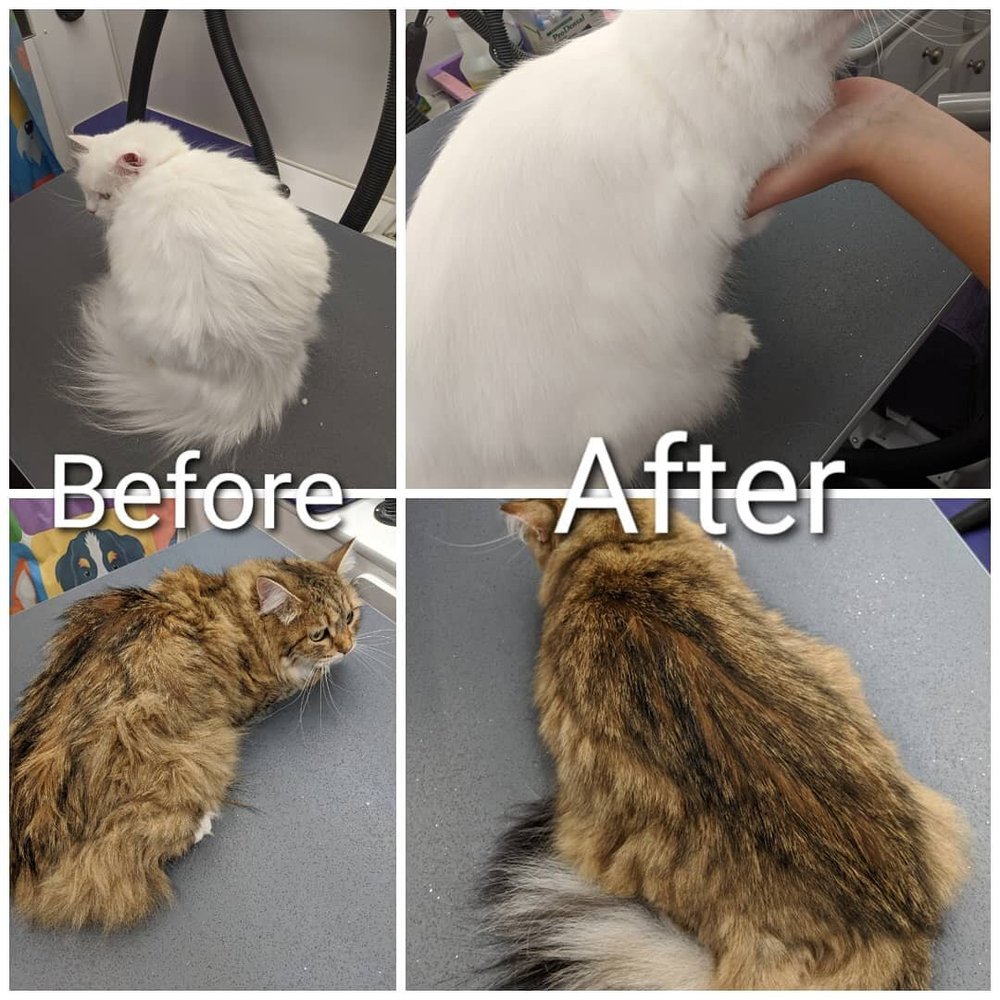
A dull or greasy coat can indicate grooming problems. Mats and tangles often form when cats stop cleaning themselves. Bald patches or flaky skin may appear from lack of grooming. Look for uneven fur length or clumps of fur on the floor. These changes suggest your cat needs help.
Behavioral Shifts
Cats that stop grooming might show new behaviors. They may hide more or act withdrawn. Some become less active or lose interest in play. Overgrooming one spot or licking paws excessively can also be a sign. Such behavior changes often relate to discomfort or stress.
Unusual Odors
A strong, unpleasant smell can develop if your cat isn’t grooming. Dirt, oils, and sweat build up on the skin. This odor differs from the normal clean smell of a healthy cat. Bad breath or mouth smell might also appear with poor grooming habits. These odors warn of possible health problems.
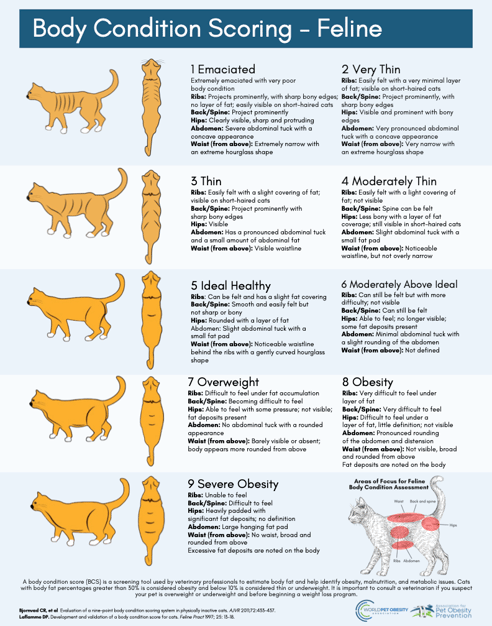
Credit: www.preventivevet.com
Common Health Issues Behind Grooming Problems
When your cat stops grooming, it’s often a sign that something is wrong beneath the surface. Grooming is more than just a habit; it’s a way cats stay clean, comfortable, and healthy. Identifying the common health issues behind grooming problems can help you act quickly to support your furry friend.
Skin Infections And Parasites
Skin infections caused by bacteria or fungi can make grooming painful for your cat. Parasites like fleas and mites irritate the skin, leading your cat to avoid grooming certain areas. You might notice redness, scabs, or excessive scratching. Have you checked your cat’s skin closely for any unusual spots or signs of discomfort?
Dental Problems
Dental pain is a hidden reason cats stop grooming. If your cat has sore gums or tooth decay, moving their tongue to clean fur might hurt. Signs like drooling, bad breath, or difficulty eating can hint at dental issues. Do you observe your cat avoiding hard food or pawing at their mouth?
Arthritis And Mobility Issues
Older cats often struggle with arthritis, making it hard to reach parts of their body. Limited mobility can stop them from grooming effectively, especially around the back and hind legs. You might see your cat moving stiffly or favoring certain limbs. How often do you notice your cat skipping cleaning their usual spots?
Stress And Anxiety
Emotional health affects grooming too. Stress or anxiety can cause your cat to groom less or even over-groom certain areas, leading to bald patches. Changes in the environment, new pets, or loud noises might trigger this behavior. Have you noticed any recent changes that could be stressing your cat?
How Grooming Reflects Overall Health
Grooming is more than just a routine activity for your cat; it’s a clear window into their overall health. When your cat keeps their coat clean and well-maintained, it usually signals that their body is functioning properly. On the other hand, a sudden stop in grooming can raise red flags about underlying health issues.
Link Between Grooming And Immune System
Your cat’s immune system plays a crucial role in maintaining their grooming habits. A strong immune system helps fight off infections and keeps your cat feeling well enough to groom regularly.
If you notice your cat grooming less, it might be because their immune system is compromised. Illnesses, infections, or stress can weaken their defenses, making grooming a low priority.
Have you ever seen your cat neglect their fur after a vet visit? That’s your clue that something might be off internally, even if they don’t show other symptoms.
Impact Of Nutrition On Coat Health
Nutrition directly influences your cat’s coat quality and grooming behavior. A diet lacking essential fatty acids, vitamins, or proteins can lead to dull, brittle fur and reduced grooming.
Think about how your cat’s coat looks after you change their food. A shiny, soft coat means they’re getting the right nutrients, while a rough coat could mean it’s time to reassess their diet.
- Omega-3 and Omega-6 fatty acids support skin and coat health.
- Vitamins like A and E help maintain the natural oils in fur.
- Protein is essential for fur regeneration and strength.
Are you feeding your cat a balanced diet that supports not just their energy but their grooming needs too? Sometimes, improving nutrition is the simplest step to encourage healthier grooming habits.
Credit: www.squeakycleangrooming.com
When To Seek Veterinary Care
Knowing when to seek veterinary care for a cat that stops grooming is crucial. Grooming is a natural behavior for cats, and a sudden change can signal health problems. Early action can prevent serious issues and improve your cat’s comfort and health.
Warning Signs That Need Immediate Attention
- Cat stops grooming completely and looks dirty
- Hair loss or bald patches appear suddenly
- Skin looks red, swollen, or has sores
- Cat shows signs of pain when touched
- Unusual behavior like hiding or aggression
- Loss of appetite or vomiting
- Rapid weight loss or gain
- Breathing difficulties or coughing
These signs may indicate infections, allergies, parasites, or other health problems. Do not delay a vet visit if you notice these symptoms.
Preparing For The Vet Visit
Gather information about your cat’s grooming habits and any changes. Note when the problem started and any other symptoms seen. Take pictures if possible to show the vet.
Keep your cat calm during transport with a familiar blanket or toy. Bring a list of questions to ask the vet. Share all observations honestly to help with diagnosis and treatment.
Supporting Your Cat’s Grooming Habits
Supporting your cat’s grooming habits plays a crucial role in their overall health and happiness. When your cat stops grooming, it could signal discomfort or health issues. Helping your cat maintain good grooming routines can prevent skin problems and improve their mood.
Creating A Comfortable Grooming Routine
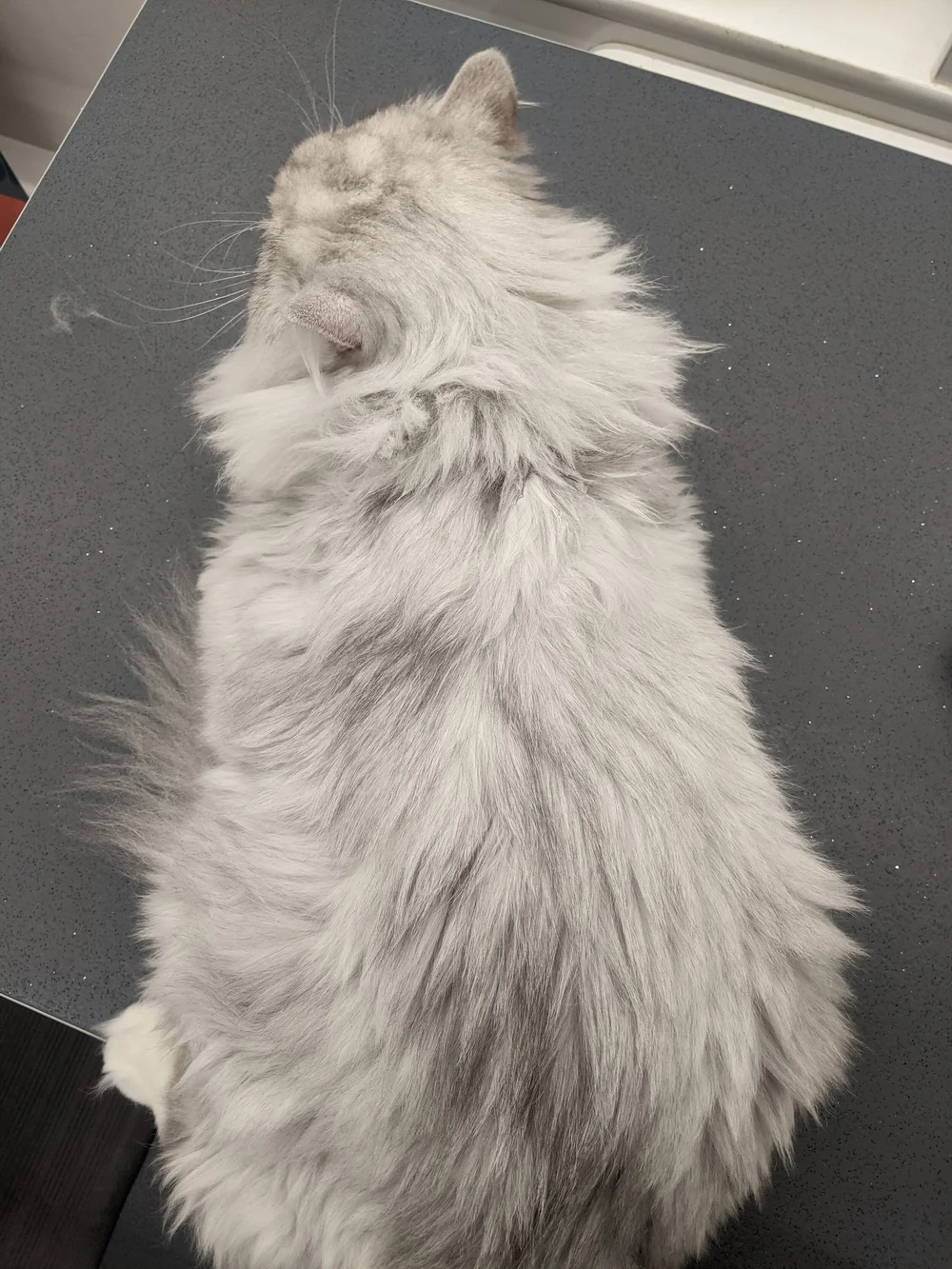
Start by setting a regular grooming schedule that fits your cat’s personality. Some cats enjoy being brushed daily, while others prefer shorter sessions a few times a week. Pay attention to your cat’s reactions—if they seem stressed, try a gentler approach or change the time of day.
Use soft brushes or grooming gloves designed for cats. These tools reduce pulling and make grooming feel like a pleasant experience. You might notice your cat relaxing or even purring during the process, which means you’re on the right track.
Diet And Supplements For Skin And Coat
Your cat’s diet directly affects the health of their skin and coat. Foods rich in omega-3 and omega-6 fatty acids help keep fur shiny and skin hydrated. Look for high-quality cat food with these nutrients or consider adding supplements after consulting your vet.
Adding fish oil or specific skin supplements can improve dry or flaky skin. Have you ever noticed how a small diet change made a difference in your cat’s fur texture? Sometimes, simple tweaks can lead to visible improvements quickly.
Managing Stress In Cats
Stress can cause your cat to stop grooming, so creating a calm environment is essential. Provide quiet spaces, familiar toys, and consistent routines to help your cat feel safe. Avoid sudden changes or loud noises that can increase anxiety.
Interactive play sessions and gentle petting can also reduce stress. Have you observed how your cat’s grooming habits improve after a relaxing cuddle or playtime? These small moments can make a big difference in encouraging self-care.
Credit: www.squeakycleangrooming.com
Frequently Asked Questions
Why Is My Cat Not Grooming Itself?
Cats may stop grooming due to illness, pain, stress, or old age. Skin infections and dental issues also affect grooming habits. If your cat suddenly stops grooming, consult a vet to identify any underlying health problems quickly.
Can Stress Cause A Cat To Stop Grooming?
Yes, stress and anxiety can lead to a cat not grooming properly. Changes in environment, new pets, or loud noises trigger stress. Reducing stress with a calm environment and routine helps restore grooming behavior in cats.
How Does Illness Affect A Cat’s Grooming?
Illnesses like arthritis, infections, or dental pain make grooming difficult or painful. Sick cats may neglect their hygiene due to discomfort. Early vet visits can diagnose health issues and improve grooming habits with proper treatment.
What Are Signs Of Grooming Problems In Cats?
Signs include matted fur, oily coat, bad odor, and excessive shedding. Cats may also lick one area excessively or develop bald spots. Notice these signs early and seek veterinary advice to prevent further health issues.
Conclusion
A cat not grooming can signal health or stress problems. Watch for changes in behavior or appearance. Regular vet visits help catch issues early. Help your cat feel safe and comfortable at home. Gentle brushing can encourage grooming habits again.
Taking quick action supports your cat’s well-being. Keep observing and caring for your furry friend daily. Healthy grooming means a happy, clean cat.
