

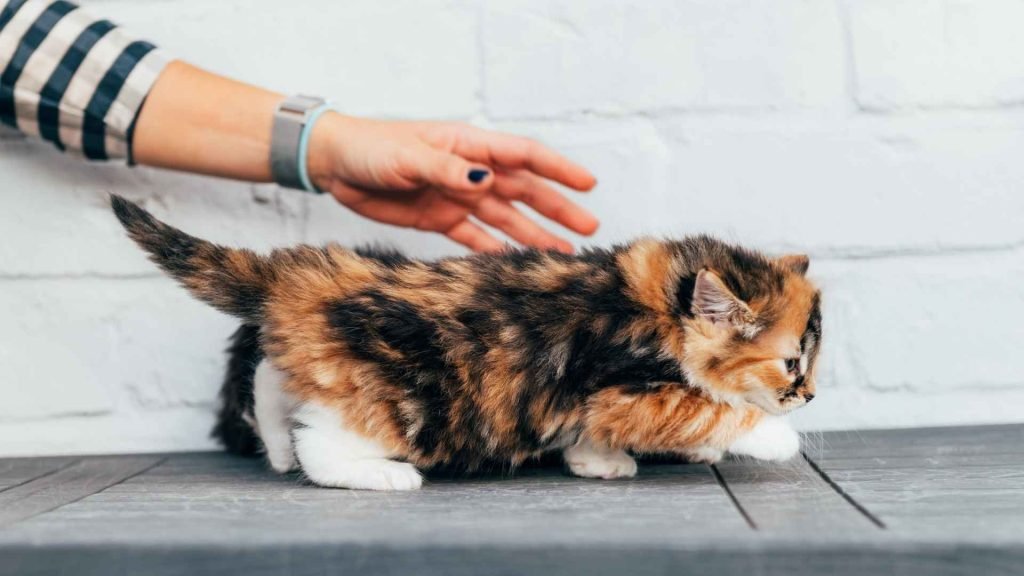
Are you fascinated by tiny pets that fit perfectly in your lap? Miniature cat breeds might be exactly what you’re looking for.
These small, charming cats bring all the joy of a feline friend but in a compact, adorable size. Imagine having a playful companion that’s easy to care for and fits right into your cozy space. You’ll discover the most popular miniature cat breeds, what makes them special, and how to choose the perfect one for your home.
Keep reading to find out which tiny cat could steal your heart!
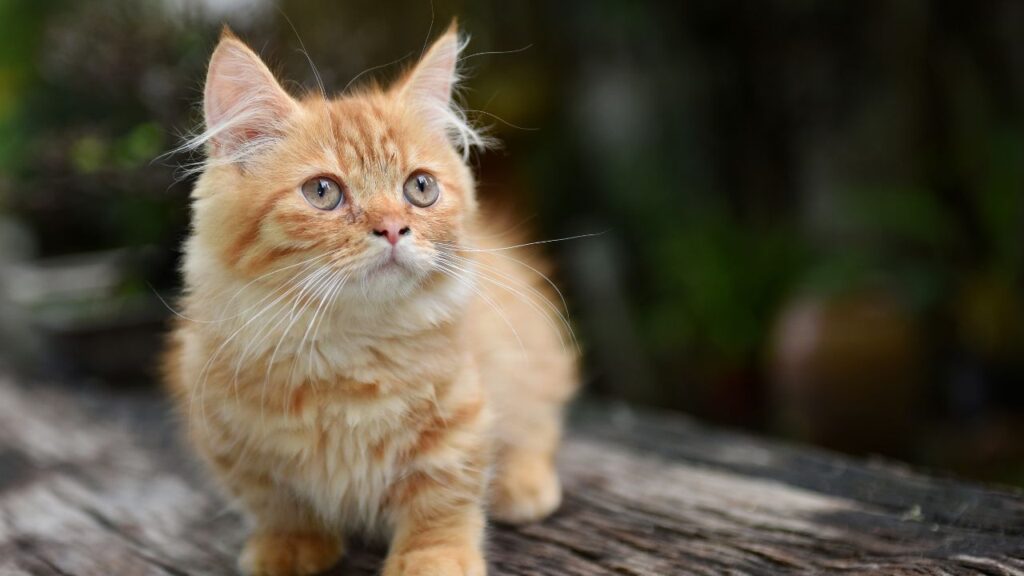
Credit: worldanimalfoundation.org
Popular Miniature Cat Breeds
Miniature cat breeds capture hearts with their small size and big personalities. These tiny cats fit easily into any home and offer unique traits. Each breed has its own charm and care needs. Below are some popular miniature cat breeds that many cat lovers adore.
Singapura
The Singapura is one of the smallest cat breeds. It weighs only 4 to 8 pounds. This breed has large eyes and ears, giving it a curious look. Singapura cats are playful and friendly. They enjoy being around people and other pets.
Minskin
Minskin cats combine short legs with a soft, plush coat. They come from crossing Munchkin and other breeds. Minskins are gentle and loving companions. Their tiny size and unique appearance make them stand out.
Napoleon Cat
Napoleon cats have short legs and a round face. They are a mix of Munchkin and Persian breeds. These cats are calm and affectionate. They like quiet environments and enjoy cuddles.
Dwelf
Dwelf cats have short legs and curled ears. They are playful and energetic. This breed loves attention and interactive play. Their unusual look makes them popular among cat fans.
Kinkalow
Kinkalow cats feature short legs and folded ears. They are a mix of Munchkin and Scottish Fold breeds. Kinkalows are friendly and social cats. They enjoy being part of family activities.
Characteristics Of Miniature Cats
Miniature cats are charming pets loved for their small size and big personalities. They fit well in small homes and bring joy without needing much space. Understanding their characteristics helps in providing the best care and companionship.
Size And Weight
Miniature cats usually weigh between 4 to 7 pounds. Their height is often under 8 inches at the shoulder. Despite their small size, they have a sturdy and balanced body. Their compact size makes them ideal for apartment living.
Temperament
These cats are friendly and social. They enjoy being around people and other pets. Many miniature cats are playful and curious. They often form strong bonds with their owners.
Lifespan
Miniature cats tend to live longer than larger breeds. Their average lifespan ranges from 12 to 16 years. Good care, diet, and regular vet visits help them stay healthy. They remain active and lively even in old age.
Activity Levels
Most miniature cats have moderate energy levels. They enjoy playtime but also like resting quietly. Interactive toys keep them entertained and mentally sharp. Short bursts of activity suit their small size and energy well.
Care Tips For Miniature Cats
Miniature cats need special care to stay happy and healthy. Their small size means they have specific needs. Paying attention to their diet, grooming, health, and exercise helps them live longer and feel good.
Diet And Nutrition
Miniature cats require a balanced diet with high-quality protein. Small portions suit their tiny stomachs best. Avoid overfeeding to prevent obesity. Fresh water should always be available. Wet food can help keep them hydrated.
Grooming Needs
Regular grooming keeps miniature cats comfortable. Brush their fur gently to avoid matting. Short-haired types need less brushing than long-haired ones. Check their ears and teeth often. Trim nails carefully to prevent scratches.
Health Concerns
Miniature cats may face unique health issues. Regular vet visits catch problems early. Watch for signs like lethargy or loss of appetite. Vaccinations and parasite control keep them safe. Dental care is vital to avoid infections.
Exercise And Play
Miniature cats need daily exercise to stay fit. Toys like balls and feather wands stimulate them. Create safe spaces to climb and explore. Short play sessions suit their energy levels. Interaction strengthens your bond and keeps them active.
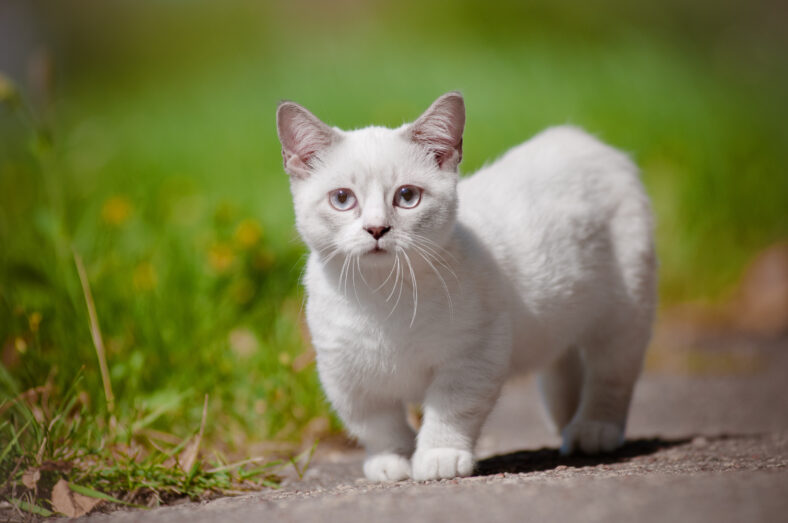
Credit: www.chipchick.com
Choosing The Right Miniature Cat
Choosing the right miniature cat means thinking about how this small companion will fit into your daily life. These tiny felines bring unique traits and needs that can either complement your routine or add unexpected challenges. Knowing what to expect helps you create a happy home for both you and your new pet.
Lifestyle Compatibility
Miniature cats are often playful and curious, but their energy levels and social needs vary between breeds. Ask yourself how much time you can dedicate to interaction and play each day. If you work long hours, a more independent breed might suit you better.
Consider your living space as well. Some miniature cats thrive in apartments, while others need room to explore. Your household’s noise level and presence of other pets can also influence how comfortable your new cat feels.
Allergy Considerations
Allergies can quickly turn joy into stress for cat owners. Some miniature breeds produce fewer allergens, but no cat is completely hypoallergenic. Spending time with the breed before adopting can reveal how your body reacts.
Using air purifiers and regular grooming can reduce allergens in your home. If allergies have been a problem in the past, it’s worth discussing with a doctor before bringing a miniature cat into your life.
Adoption Vs. Breeders
Deciding between adoption and buying from a breeder affects your cat’s background and your experience. Adoption often means giving a home to a cat in need, which can be deeply rewarding.
Breeders provide specific breeds with known traits, but it’s important to choose reputable ones who prioritize health and ethics. Ask for health records and visit the facility if possible to ensure proper care.
What matters most is a cat that matches your lifestyle and values. Have you thought about what kind of relationship you want to build with your miniature cat?
Miniature Cats And Family Life
Miniature cat breeds bring a unique charm to family life. Their small size and often gentle nature make them appealing companions for households with children and other pets. Understanding how these tiny felines fit into your home helps create a happy environment for everyone involved.
Interaction With Children
Miniature cats usually enjoy playful interactions, making them great friends for kids. Their small size means children need to be taught how to handle them gently to avoid accidental injury. Encouraging calm and respectful play helps build trust between your child and the cat.
Have you noticed how some miniature cats will follow kids around or curl up in their laps? This behavior shows they feel safe and comfortable. You can enhance this bond by setting aside quiet time where your child reads or talks softly to the cat.
Compatibility With Other Pets
Introducing a miniature cat to other pets requires patience and observation. These cats often adapt well to calm dogs or other cats but might be overwhelmed by more active animals. Monitor their interactions closely to prevent stress or conflict.
Try introducing them in neutral spaces and keep initial meetings short. Offering treats and praise during these sessions helps all pets associate each other with positive experiences. Does your current pet show curiosity or anxiety around new animals? Adjust the pace accordingly.
Creating A Safe Environment
Your home should protect miniature cats from hazards while allowing them to explore comfortably. Small cats are agile but fragile, so secure windows and remove small objects they might swallow. Consider soft bedding and low perches suited to their size.
Creating safe zones where your miniature cat can retreat is essential, especially in busy homes. A quiet corner with toys and a cozy bed lets them relax away from noise and activity. What spaces in your home could become a peaceful haven for your tiny feline friend?
Fun Facts About Miniature Cats
Miniature cats are captivating creatures that bring a unique charm to any home. Their small size doesn’t mean they lack personality or quirks. In fact, these tiny felines have some fascinating traits that many cat lovers might not expect.
Unique Origins Of Miniature Cat Breeds
Did you know some miniature cats have origins dating back centuries? The Singapura, one of the smallest cat breeds, hails from Singapore and was almost unknown outside the region until the 1970s.
These cats were discovered in the wild and then brought into the world of pet ownership, making their history as intriguing as their size.
Surprising Lifespan And Health
Miniature cats often live longer than their larger counterparts. Their smaller bodies seem to contribute to fewer health issues overall.
Take the Minskin breed, for instance, which combines miniature size with a playful nature and generally good health, giving you more quality years with your feline friend.
Personality Traits That Defy Size
Despite their tiny frames, miniature cats can have big personalities. They tend to be very playful, curious, and affectionate.
Many owners report their miniature cats act like “big cats in small bodies,” showing intelligence and independence that surprise first-time miniature cat owners.
Miniature Cats And Their Unique Physical Features
Miniature cats often have distinctive looks that set them apart. Some have shorter legs, like the Munchkin, while others boast large eyes or unique coat patterns.
These features aren’t just cute—they often influence how the cats move and interact with their environment, adding to their charm.
What Makes Miniature Cats Great For Your Home?
If you’re wondering whether a miniature cat fits your lifestyle, consider their adaptability. Their small size makes them suitable for apartment living without sacrificing the playful energy typical of cats.
Plus, they can form strong bonds with you, making them wonderful companions who fit easily into your daily routine.
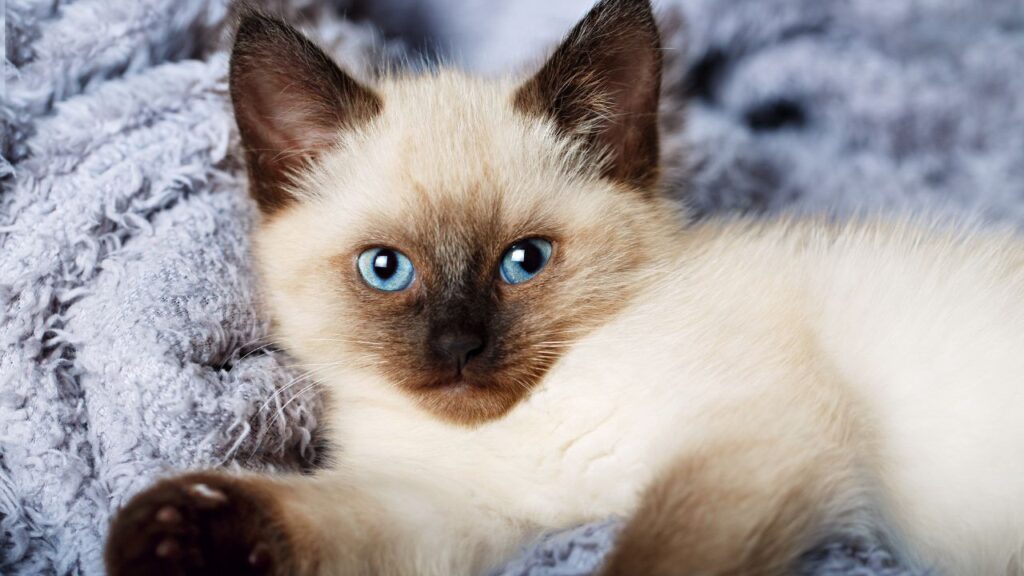
Credit: worldanimalfoundation.org
Frequently Asked Questions
What Are The Most Popular Miniature Cat Breeds?
Popular miniature cat breeds include the Minskin, Dwelf, and Napoleon. These cats are known for their small size and unique features, making them great for small living spaces.
How Small Do Miniature Cats Typically Grow?
Miniature cats usually weigh between 5 to 7 pounds. Their size is significantly smaller than average cats, often reaching only about 7 to 10 inches tall.
Are Miniature Cats Hypoallergenic Or Low-shedding?
Some miniature cat breeds like the Dwelf may shed less, but none are fully hypoallergenic. Allergy reactions vary by individual and cat breed.
What Care Do Miniature Cats Require Compared To Regular Cats?
Miniature cats need similar care to regular cats, including proper diet and vet visits. Their small size may require gentle handling and special attention.
Conclusion
Miniature cat breeds bring charm in small packages. They fit well in any home or apartment. These cats offer playful, loving companionship without needing much space. Choosing a miniature breed means enjoying unique looks and sweet personalities. Each tiny cat has its own special traits and care needs.
Consider your lifestyle to find the best match. Small size, big heart. Perfect pets for many families. Explore these little cats and find joy in their company.
