

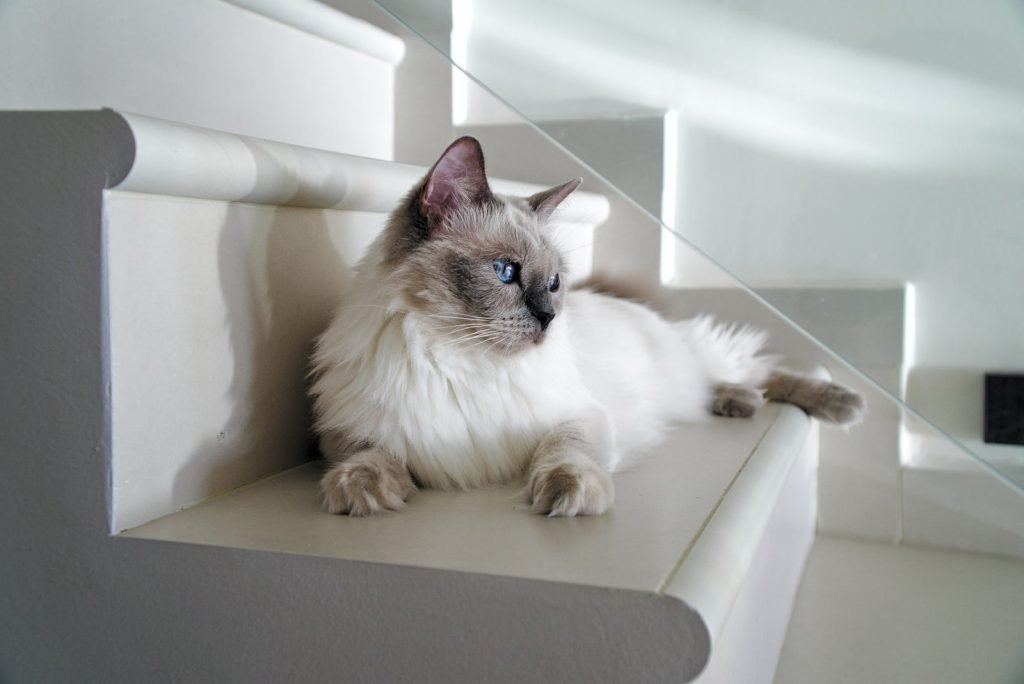
If you have a Ragdoll cat or are thinking about getting one, it’s important to know about the health issues these beautiful pets can face. Understanding these problems early can help you keep your furry friend happy and healthy for years.
You’ll discover the common health concerns with Ragdolls, how to spot warning signs, and what steps you can take to protect your cat. Keep reading to learn how to give your Ragdoll the best care possible.
Common Health Problems
Ragdoll cats are known for their gentle nature and stunning appearance. Like all pets, they can face some health challenges. Knowing common health problems helps owners keep their cats healthy. Early detection and care improve their quality of life.
Hypertrophic Cardiomyopathy
Hypertrophic Cardiomyopathy (HCM) is a heart condition common in Ragdolls. The heart muscle thickens, making it harder to pump blood. Symptoms include lethargy, difficulty breathing, and fainting. Regular vet check-ups and heart scans can detect HCM early.
Polycystic Kidney Disease
Polycystic Kidney Disease (PKD) causes cysts in the kidneys. These cysts grow and reduce kidney function over time. Signs include increased thirst and urination. Ultrasound tests help diagnose PKD. Managing diet and hydration supports kidney health.
Bladder Stones
Bladder stones form when minerals crystallize in the bladder. They cause pain, difficulty urinating, and blood in urine. A vet can confirm bladder stones through X-rays or ultrasound. Treatment may involve diet changes or surgery.
Hairball Issues
Ragdolls have long fur, which can lead to hairballs. Hairballs cause coughing, gagging, or vomiting. Regular grooming reduces loose hair. Special diets and supplements help manage hairballs effectively.

Credit: felinefancy.co.uk
Diet And Nutrition
Diet and nutrition play a key role in keeping Ragdoll cats healthy. Proper food helps maintain their energy and supports their long, beautiful coats. Feeding the right diet also reduces risks of common health problems in this breed.
Balanced Diet Essentials
A balanced diet for Ragdolls includes proteins, fats, and carbohydrates. High-quality protein supports muscle growth and repair. Healthy fats keep their skin soft and coat shiny. Carbohydrates provide energy but should not be the main part of their diet.
- Choose cat food with real meat as the first ingredient.
- Include omega-3 and omega-6 fatty acids for skin health.
- Ensure the food contains vitamins and minerals, like taurine and calcium.
- Avoid too many fillers like corn and soy.
Avoiding Obesity
Ragdolls can gain weight easily. Obesity leads to joint problems, diabetes, and heart issues. Control portions and avoid free feeding. Measure meals based on the cat’s age and activity level.
- Feed smaller, more frequent meals to control hunger.
- Limit treats to no more than 10% of daily calories.
- Encourage play and exercise to burn calories.
Hydration Tips
Water is vital for a Ragdoll’s health. Proper hydration helps digestion and kidney function. Some cats drink little water, especially if eating dry food.
- Always provide fresh, clean water.
- Use water fountains to encourage drinking.
- Include wet food in the diet to increase moisture intake.
Grooming And Skin Care
Grooming and skin care play a vital role in keeping Ragdoll cats healthy. Their long, silky fur needs regular attention to avoid problems. Proper grooming helps maintain their coat’s beauty and prevents skin issues.
Regular care also keeps their skin clean and free from infections. It supports their overall comfort and well-being. Learning the right techniques ensures your Ragdoll stays happy and healthy.
Brushing Techniques
Use a wide-tooth comb or soft-bristle brush for grooming. Brush gently in the direction of hair growth. Focus on areas prone to tangles like behind the ears and under the legs. Brush at least two to three times a week to keep the coat smooth. Avoid pulling or tugging to prevent discomfort.
Preventing Matting
Mats form when hair tangles and sticks together. They cause pain and skin irritation for your cat. Prevent mats by brushing regularly and checking problem areas. Use detangling sprays safe for cats if needed. Trim mats carefully with scissors if they form, avoiding skin cuts. Keep your cat’s fur clean and dry to reduce matting risk.
Skin Infection Signs
Watch for redness, swelling, or sores on your cat’s skin. Scratching or licking more than usual may signal irritation. Bald patches or scabs need quick attention. Unusual odors or discharge could mean infection. Consult a vet if you notice these symptoms early. Early care prevents worsening and keeps your cat comfortable.

Credit: www.kittenaroundragdolls.com
Exercise And Mental Health
Exercise plays a big role in keeping Ragdoll cats healthy and happy. It helps their body stay strong and their mind sharp. Without enough activity, these cats can feel bored or stressed. Mental health is just as important as physical health for Ragdolls. Engaging them in regular exercise supports their emotional well-being.
Playtime Activities
Ragdolls enjoy gentle play sessions. Toys like feather wands and soft balls work well. Short, frequent playtimes keep them active without tiring them. Interactive play builds trust between owner and cat. It also prevents weight gain and muscle loss.
Stress Reduction
Exercise helps lower stress hormones in cats. Moving and exploring distracts them from anxiety. Calm play creates a relaxing environment. Ragdolls feel safer and less nervous with daily activity. Stress reduction improves their overall health and behavior.
Environmental Enrichment
Adding climbing trees and scratching posts makes a home fun. New scents and textures stimulate their senses. Puzzle feeders challenge their minds and slow eating. Variety in the environment keeps Ragdolls curious and alert. Enrichment helps avoid boredom and destructive behavior.
Regular Vet Visits
Regular vet visits are vital for your Ragdoll cat’s health. These cats can develop specific health problems that require early care. A vet can help keep your pet in good shape and catch issues early. Frequent checkups build a strong health record and ensure proper care throughout your cat’s life.
Vaccination Schedule
Vaccines protect Ragdolls from many serious diseases. Your vet will create a vaccination plan based on your cat’s age and lifestyle. Core vaccines often include:
- Feline herpesvirus
- Calicivirus
- Panleukopenia
- Rabies
Following the schedule helps keep your cat safe. Booster shots maintain immunity over time. Always keep records of vaccinations for future visits.
Dental Checkups
Dental health is often overlooked but very important. Ragdolls can develop gum disease and tooth decay. Your vet will examine teeth and gums during visits. Cleaning may be necessary to prevent pain and infection. Healthy teeth help your cat eat well and stay comfortable.
Early Disease Detection
Routine exams allow vets to spot early signs of illness. Many conditions start quietly without clear symptoms. Tests and physical checks catch problems before they worsen. Early treatment increases chances of recovery. Regular vet visits give your Ragdoll the best chance for a long, healthy life.
Recognizing Warning Signs
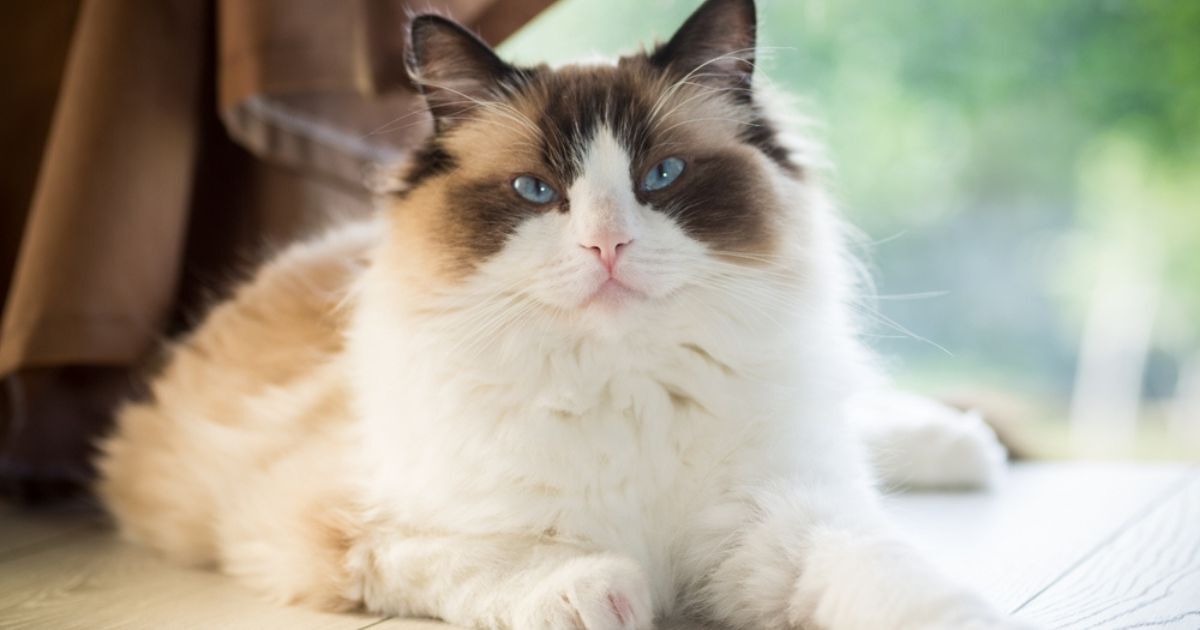
Recognizing warning signs in your Ragdoll cat’s health can make a crucial difference in their well-being. These cats often hide discomfort until it becomes serious, so staying alert to subtle changes is key. Knowing what to watch for helps you act quickly and get your furry friend the care they need.
Behavioral Changes
Has your usually social Ragdoll suddenly become withdrawn or irritable? Changes in behavior often signal that something is wrong. You might notice your cat hiding more, avoiding interaction, or even acting aggressively when touched.
Pay close attention if these shifts last more than a day or two. Your cat might be trying to tell you about pain or discomfort. How often do you observe their normal personality to catch these early signs?
Appetite Loss
A sudden drop in appetite is a red flag you shouldn’t ignore. If your Ragdoll turns away from favorite treats or leaves food untouched, it could indicate dental issues, digestive problems, or other illnesses.
Monitor how long the appetite loss continues. Even a day without eating can affect their health. Have you noticed your cat eating less or becoming picky? Tracking meal times and portions can help you spot trends early.
Lethargy
Ragdolls are generally active and playful, so unexplained tiredness should catch your eye. Lethargy can mean your cat is fighting an infection or feeling unwell.
Notice if your cat sleeps more than usual or shows little interest in favorite toys. Is your cat slower to respond or less curious than before? These subtle clues often come before more obvious symptoms appear.
Credit: www.pumpkin.care
Frequently Asked Questions
What Are Common Health Issues In Ragdoll Cats?
Ragdoll cats often face hypertrophic cardiomyopathy, a heart disease. They may also develop bladder stones and dental problems. Regular vet checkups help early detection and treatment. Maintaining a healthy diet and environment reduces risks of these health concerns.
How To Prevent Heart Disease In Ragdoll Cats?
Regular veterinary screenings are essential to detect heart disease early. Feeding a balanced diet and avoiding obesity support heart health. Keeping stress low and providing exercise help maintain cardiovascular fitness in Ragdolls. Genetic testing can identify predisposition to hypertrophic cardiomyopathy.
Are Ragdoll Cats Prone To Bladder Stones?
Yes, Ragdolls can develop bladder stones due to diet or genetics. Ensuring proper hydration and feeding high-quality food reduces stone formation risk. Regular vet visits help catch urinary issues early. Monitoring litter box habits can alert owners to potential bladder problems.
What Dental Problems Affect Ragdoll Cats?
Ragdolls are prone to periodontal disease and gingivitis. Daily dental care, like brushing, prevents plaque buildup. Regular professional cleanings by a vet keep teeth healthy. Good oral hygiene improves overall health and comfort for your cat.
Conclusion
Ragdoll cats can face certain health problems. Knowing these issues helps you care better. Regular vet visits keep your cat healthy and happy. Watch for signs like tiredness or changes in eating. Good care means your Ragdoll lives a long life.
Love and attention go a long way. Stay informed and enjoy your special pet every day.
