

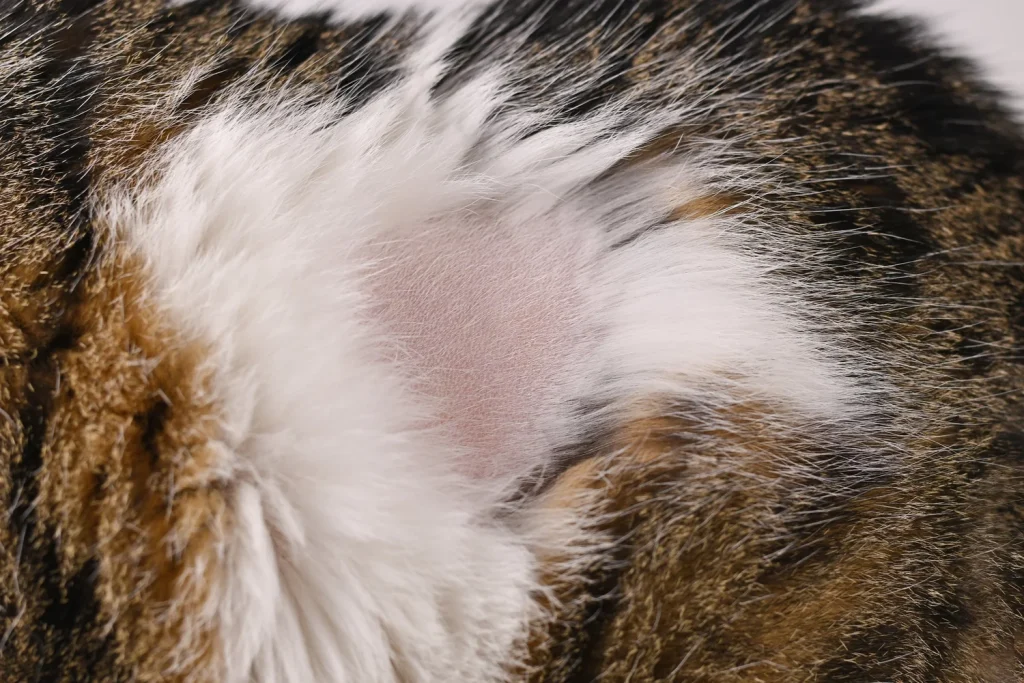
Have you noticed your cat suddenly developing bald patches? It can be worrying to see your furry friend over grooming to the point of losing fur.
You might wonder why this is happening and what it means for your cat’s health. Understanding the reasons behind cat over grooming and how to help is key to keeping your pet happy and comfortable. Keep reading to discover what causes these bald spots and what you can do to stop them from getting worse.
Signs Of Over Grooming
Recognizing the signs of over grooming in your cat is crucial to preventing further harm and discomfort. Over grooming often leads to bald patches and irritated skin, but the symptoms can be subtle at first. Paying close attention to changes in your cat’s coat and behavior can help you catch the problem early.
Common Symptoms
Look for areas where your cat’s fur is thinning or completely missing, especially around the belly, legs, or tail. You might notice red or inflamed skin underneath the bald spots, which indicates irritation. Sometimes, there will be scabs or sores caused by excessive licking or scratching.
Another key sign is hair clumps around your home or in your cat’s resting spots. Excessive grooming often leaves behind loose fur. If your cat’s coat looks dull or patchy, it’s a warning sign that something isn’t right.
Behavioral Changes
Over grooming is often linked to stress or anxiety, so watch for shifts in your cat’s usual behavior. Your cat might seem restless, pacing more than usual, or hiding away from family members. You may also notice an increase in licking or chewing on their paws or tail, beyond normal grooming habits.
Have you seen your cat suddenly become more irritable or withdrawn? These changes can signal discomfort or pain from over grooming. Paying attention to these clues can help you address the root cause before the skin damage worsens.

Credit: www.reddit.com
Reasons Behind Bald Patches
Bald patches on a cat’s skin can signal various underlying problems. These patches result from excessive grooming, which cats use to soothe discomfort or stress. Understanding the reasons behind this behavior helps in addressing the issue effectively.
Some causes stem from physical irritations, while others come from emotional or medical conditions. Identifying the root cause is crucial for proper care and treatment.
Allergies And Skin Irritations
Allergies often cause itching and inflammation on a cat’s skin. Common allergens include food ingredients, pollen, dust mites, and certain cleaning products. Cats may lick and scratch to relieve itching, leading to hair loss and bald patches.
Skin irritations may also arise from contact with harsh chemicals or rough surfaces. These irritations encourage cats to over groom the affected areas.
Parasites And Infections
Parasites such as fleas, mites, and ticks cause intense itching. Cats bite and scratch to remove these pests. This behavior can create bald spots and open wounds.
Fungal infections like ringworm also lead to hair loss and scaly skin. Bacterial infections may follow from scratching, worsening the condition.
Stress And Anxiety
Emotional distress can cause cats to groom excessively. Changes in environment, new pets, or loud noises may trigger anxiety. Over grooming becomes a coping mechanism to soothe nervousness.
Stress-induced bald patches often appear on the belly, legs, or sides. These spots may be symmetrical and well-defined.
Medical Conditions
Some medical problems cause hair loss and skin discomfort. Hormonal imbalances like hyperthyroidism or Cushing’s disease affect the skin’s health. Cats may groom more than usual due to these conditions.
Other illnesses, such as autoimmune diseases, can damage hair follicles. Proper diagnosis by a vet is essential to treat these medical causes effectively.
Diagnosing The Problem
Cat over grooming that leads to bald patches can signal health problems. Accurate diagnosis is essential to treat the root cause effectively. Observing symptoms alone is not enough to understand why your cat is losing fur. A thorough diagnosis involves professional veterinary care and specific tests. These steps reveal if the issue is medical, behavioral, or environmental.
Veterinary Examination
A vet starts by examining your cat’s skin and coat closely. The vet checks for redness, swelling, or sores. They also look for signs of parasites like fleas or mites. The vet may ask about your cat’s habits, diet, and environment. This helps identify stress or allergies as possible causes. Physical checks include feeling the skin to detect lumps or infections. The vet may also review your cat’s medical history for underlying conditions.
Skin Tests And Biopsies
Skin tests help find infections or allergic reactions. A common test involves taking a small skin scraping. This sample is checked under a microscope for parasites or fungi. Allergy tests may also be done using blood or skin samples. In some cases, a skin biopsy is necessary. This means removing a tiny piece of skin for detailed lab analysis. Biopsies reveal deeper skin problems or immune system diseases. These tests guide the vet to the correct treatment plan.

Credit: www.reddit.com
Effective Treatments
Dealing with cat over grooming and the resulting bald patches can be frustrating for both you and your feline friend. Effective treatments focus on calming the skin, reducing irritation, and addressing the root causes of this behavior. Here’s a look at some practical options you can explore to help your cat heal and feel comfortable again.
Topical Medications
Topical treatments can provide quick relief for irritated skin and help speed up hair regrowth. You might use medicated creams or sprays containing ingredients like hydrocortisone or antibacterial agents. These help reduce inflammation and prevent infections that often occur from constant licking.
Applying these medications regularly as directed by your vet can make a big difference. Have you noticed how your cat reacts when you gently apply soothing ointments? Sometimes, the calming effect itself can reduce their urge to over groom.
Oral Therapies
When topical treatments aren’t enough, oral medications can be an effective next step. Antihistamines or steroids prescribed by your vet can control allergies and inflammation internally.
In some cases, antibiotics are necessary if a secondary infection has developed. It’s important to follow your vet’s instructions carefully to avoid side effects and ensure the best outcome for your cat’s health.
Behavioral Interventions
Over grooming often has behavioral roots, like stress or boredom. Identifying and reducing these triggers can stop the problem before it worsens.
Try enriching your cat’s environment with new toys, climbing spaces, or even interactive playtime. Have you considered if recent changes in your home might be stressing your cat? Sometimes simple adjustments can redirect their focus away from grooming.
In persistent cases, consulting a pet behaviorist can provide tailored strategies to manage anxiety and improve your cat’s wellbeing.
Preventing Over Grooming
Preventing over grooming in cats is vital for their health and happiness. Over grooming can cause bald patches and skin problems. Taking simple steps helps keep your cat comfortable and well-groomed.
Environmental Enrichment
Keep your cat active and entertained to reduce stress. Provide toys that move or make noise. Create spaces for climbing and hiding. Change toys often to keep interest high. Play with your cat daily to build trust and reduce boredom.
Regular Health Checks
Visit the vet regularly to spot health issues early. Skin problems, allergies, or parasites can cause over grooming. Early treatment stops these issues from worsening. Check your cat’s skin and fur at home often. Look for redness, sores, or bald spots.
Diet And Nutrition
Feed a balanced diet to support healthy skin and fur. Choose high-quality cat food with essential vitamins and fats. Omega-3 and Omega-6 fatty acids improve coat condition. Avoid foods that cause allergies or sensitivities. Fresh water should always be available for your cat.

Credit: www.reddit.com
When To Seek Professional Help
Knowing when to seek professional help for your cat’s over grooming and bald patches can make a huge difference in their health and happiness. Sometimes, what seems like a small issue can quickly become serious if left unattended. Paying attention to warning signs ensures your cat gets the care they need before the problem escalates.
Persistent Symptoms
If your cat continues to over groom despite your efforts to calm them, it’s time to consult a vet. Persistent licking, biting, or scratching that lasts more than a week often signals an underlying problem. It could be allergies, parasites, or even stress-related behaviors that require professional diagnosis and treatment.
Think about how long you’ve noticed these symptoms. Have you tried changing their environment or diet without improvement? If so, don’t hesitate to reach out to a vet. Early intervention can prevent further skin damage and discomfort for your cat.
Worsening Bald Patches
Bald patches that grow larger or multiply are a clear sign that your cat’s condition is worsening. This might indicate infection, skin disease, or severe anxiety that needs urgent attention. Ignoring spreading bald spots can lead to pain and secondary infections.
Have you noticed redness, swelling, or scabs around the bald areas? These signs demand a professional’s eye. A vet can provide effective treatments like medicated shampoos, antibiotics, or behavior modification plans tailored to your cat’s needs.
Frequently Asked Questions
Why Is My Cat Over Grooming Bald Patches?
Cats over groom due to stress, allergies, or parasites. Excessive licking causes hair loss and bald patches. Identifying the cause helps to treat the issue effectively and restore your cat’s fur health.
How Can I Stop My Cat From Over Grooming?
Provide a calm environment and reduce stress triggers. Use vet-recommended treatments for allergies or parasites. Regular play and affection also help distract your cat from excessive grooming habits.
Can Over Grooming Bald Patches Cause Infections?
Yes, over grooming can cause skin irritation and open wounds. These wounds may become infected if untreated. Prompt veterinary care prevents infections and promotes healing of bald patches.
What Are Common Triggers For Cat Over Grooming?
Common triggers include stress, fleas, allergies, pain, or boredom. Changes in environment or diet may also cause over grooming. Identifying triggers is key to managing and preventing bald patches.
Conclusion
Cat over grooming can cause bald patches and discomfort. Watch your cat’s behavior closely for signs of stress or skin problems. A healthy diet and regular vet visits help keep fur strong. Treating underlying issues stops over grooming and hair loss.
Gentle care and patience support your cat’s healing process. Bald patches can heal with time and proper care. Keep your cat happy and comfortable to prevent future problems. Small changes make a big difference in your cat’s health.
