

Are you a cat lover who struggles with allergies? You’re not alone.
Many people dream of having a furry friend but worry about sneezing, itching, or watery eyes. What if you could enjoy the warmth and companionship of a cat without the allergy hassle? Some cat breeds are known to be hypoallergenic, meaning they cause fewer allergy symptoms.
You’ll discover which cats are easier on your allergies and why. Keep reading, because finding your perfect, allergy-friendly feline could be closer than you think.

Credit: shamelesspets.com
What Makes A Cat Hypoallergenic
Understanding what makes a cat hypoallergenic helps many allergy sufferers. Hypoallergenic cats produce fewer allergens that trigger reactions. This trait makes them easier to live with for sensitive people. Not all cats are the same in allergen production. Some breeds shed less or have different proteins in their saliva and skin.
Common Allergens In Cats
Allergic reactions to cats come mainly from proteins. These proteins are found in:
- Saliva
- Skin flakes (dander)
- Urine
When cats groom themselves, saliva dries on their fur. The dried saliva and skin flakes spread in the air. People breathe in these allergens and may develop symptoms. Allergens are tiny and can stick to clothes and furniture. This makes them hard to avoid completely.
How Hypoallergenic Cats Differ
Hypoallergenic cats produce less of the main allergen called Fel d 1. This protein causes most allergic reactions. Some breeds have lower Fel d 1 in their saliva and skin. Others shed less fur, which means fewer allergens spread around. Their grooming habits can also reduce allergens.
These cats do not guarantee no allergic reactions. They reduce the chance and severity. People with mild allergies find hypoallergenic cats easier to live with. Choosing the right breed can make a big difference.
Top Hypoallergenic Cat Breeds
Choosing a hypoallergenic cat breed can make a huge difference if you or someone in your home struggles with allergies. These breeds tend to produce fewer allergens, making it easier to enjoy the company of a feline friend without the constant sneezing or itching. Let’s take a closer look at some of the top hypoallergenic cat breeds that combine charm, personality, and allergy-friendly qualities.
Siberian Cats
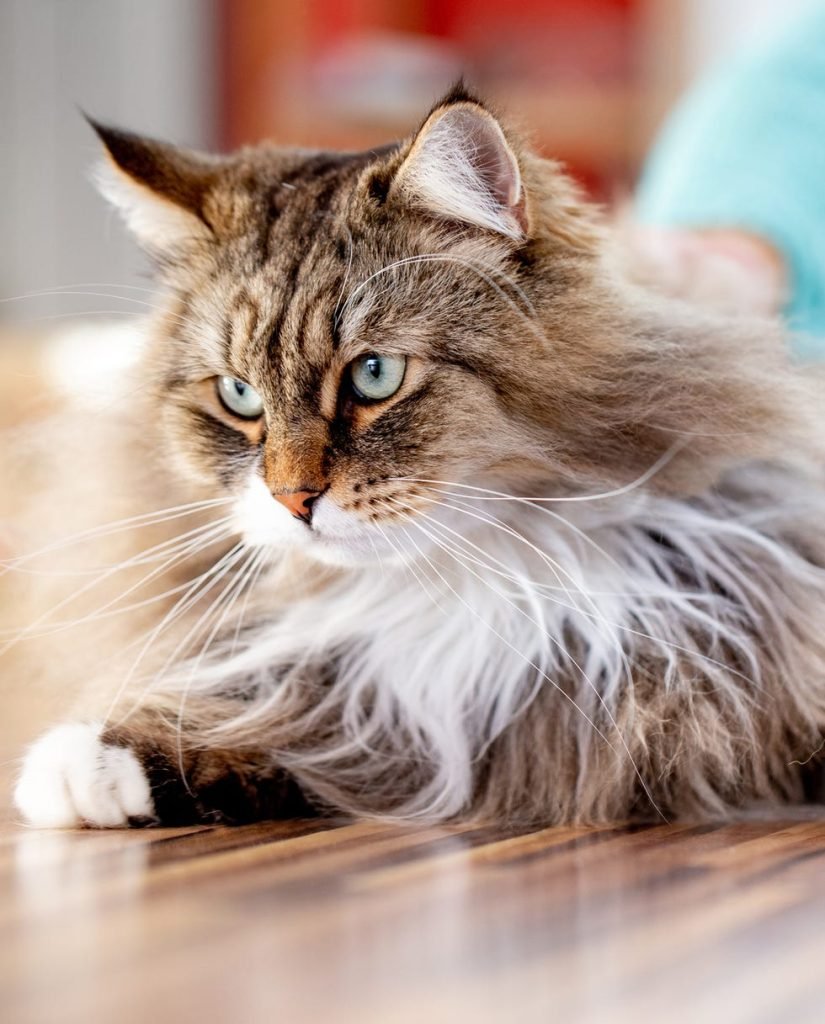
Siberian cats are often praised for their luxurious, thick coats that surprisingly produce fewer allergenic proteins. Many allergy sufferers report being able to live comfortably with these gentle giants. Their playful and affectionate nature makes them excellent companions for families.
Balinese Cats
Balinese cats are sometimes called the “long-haired Siamese” and are known for their low allergen production. Their fine, silky fur doesn’t shed much, which helps reduce airborne allergens. If you want a vocal, intelligent, and loving cat, the Balinese might be your perfect match.
Oriental Shorthair Cats
With their sleek, short coats, Oriental Shorthairs shed very little, making them a smart choice for allergy-conscious homes. They are curious and social cats, often forming strong bonds with their owners. Could their playful energy be just what your home needs?
Devon Rex Cats
Devon Rex cats have a unique wavy coat that sheds minimally, which helps keep allergens at bay. Their large ears and expressive eyes give them a distinct look, while their affectionate behavior ensures they’re a joy to have around. Have you considered a cat that’s as quirky as it is lovable?
Cornish Rex Cats
Similar to the Devon Rex, Cornish Rex cats have a soft, curly coat that doesn’t shed much. Their slender bodies and high energy levels make them entertaining and engaging pets. They thrive on interaction—are you ready for a feline friend who keeps you on your toes?
Russian Blue Cats
Russian Blues have short, dense coats that trap allergens closer to the skin, reducing their spread in your home. Known for their calm and reserved nature, they can be perfect for quieter households. Could a Russian Blue’s gentle demeanor fit your lifestyle?
Sphynx Cats
The hairless Sphynx cat is a standout in the hypoallergenic world because it lacks a traditional coat. Their skin requires regular care but produces fewer allergens, which benefits allergy sufferers. If you’re open to a cat with a unique look and personality, the Sphynx might surprise you.
Choosing The Right Hypoallergenic Cat
Choosing the right hypoallergenic cat involves more than just selecting a breed. Each cat has unique traits that affect daily life. Understanding personality, grooming, and living needs helps find a perfect match. This section covers key points for making a wise choice.
Personality And Temperament
Cats have different personalities, even within hypoallergenic breeds. Some cats are calm and quiet. Others love to play and be active. Think about your lifestyle and how much time you have for interaction. Choose a cat whose temperament fits your home environment. This helps build a strong bond and happy companionship.
Grooming Needs
Hypoallergenic cats often need regular grooming to reduce allergens. Some breeds have short hair and require less brushing. Others have longer coats needing daily care. Grooming also keeps cats healthy and clean. Consider how much grooming you can commit to before choosing a breed. Proper care lowers allergy triggers and keeps your cat comfortable.
Living Environment Considerations
Space and home setup affect a cat’s well-being. Some cats adapt well to small apartments. Others need more room to explore and play. Noise levels and other pets matter too. Think about your daily routine and home size. A cat that fits well in your living environment will thrive and feel secure.

Credit: www.thepioneerwoman.com
Tips To Reduce Allergies With Cats
Reducing allergies while living with cats is a challenge many pet lovers face. You don’t have to give up your feline friend to breathe easier. Small, consistent changes in your home and pet care routine can make a big difference in controlling allergic reactions.
Cleaning And Home Maintenance
Regular cleaning is your first defense against cat allergens. Vacuum your floors and furniture at least twice a week using a vacuum with a HEPA filter to trap dander effectively.
Wash your cat’s bedding and your own regularly to remove allergens. Don’t forget to clean curtains, rugs, and soft toys where dander collects.
Consider replacing fabric furniture with leather or vinyl, which is easier to wipe down and less likely to trap allergens. Have you noticed how much dust and fur hide in corners you rarely check?
Pet Care And Grooming
Brushing your cat daily helps reduce the amount of loose hair and dander in your home. Use a damp cloth or a grooming glove designed to capture allergens without irritating your skin.
Bathing your cat occasionally can also lower allergen levels, but check with your vet first to see how often is safe for your breed. Some hypoallergenic breeds shed less, but grooming remains essential.
Keeping your cat’s litter box clean and in a well-ventilated area reduces airborne particles. Do you spend enough time maintaining your cat’s hygiene to help your own health?
Air Quality Improvement
Improving indoor air quality helps keep allergens at bay. Use air purifiers with HEPA filters in rooms where your cat spends the most time to trap airborne dander.
Opening windows regularly can help, but be mindful of outdoor pollen if you have seasonal allergies. Plants like spider plants or peace lilies can improve air quality naturally.
Keep humidity levels between 40-50% to reduce dander circulation. Have you tested your home’s air quality lately to see if it could be part of the allergy problem?
Myths About Hypoallergenic Cats
Many people believe hypoallergenic cats do not cause allergies at all. This idea is not accurate. Hypoallergenic cats produce fewer allergens than other cats. But no cat is fully allergy-free. Understanding these myths helps set real expectations for allergy sufferers. It also guides better choices when selecting a cat breed.
Allergy-free Vs. Allergy-friendly
Allergy-free means no allergens exist. No cat breed fits this description. Allergy-friendly cats produce fewer allergens. These breeds may cause fewer allergy symptoms. People with mild allergies might tolerate allergy-friendly cats better. Still, reactions vary from person to person. Knowing this difference prevents disappointment.
Breed Guarantees
Some breeders promise hypoallergenic breeds will not trigger allergies. This claim is tricky. Allergic reactions depend on individual sensitivity. Even hypoallergenic breeds can cause symptoms. No breed guarantees a 100% allergy-free experience. Testing time with a cat before adoption is key. Personal reaction matters more than breed promises.

Credit: www.thepioneerwoman.com
Frequently Asked Questions
What Makes A Cat Breed Hypoallergenic?
Hypoallergenic cats produce fewer allergens like Fel d 1 protein. This reduces allergic reactions in sensitive individuals, though no cat is completely allergen-free.
Which Cat Breeds Are Best For Allergy Sufferers?
Breeds like Siberian, Balinese, and Sphynx are known for low allergen production. These cats are ideal for people with mild to moderate allergies.
Can Hypoallergenic Cats Trigger Allergies?
Yes, hypoallergenic cats may still cause mild allergic reactions. However, their allergen levels are significantly lower, making symptoms easier to manage.
How To Reduce Allergens From Hypoallergenic Cats?
Regular grooming, frequent cleaning, and using air purifiers help minimize allergens. These steps improve indoor air quality and reduce allergy symptoms.
Conclusion
Hypoallergenic cats can make pet ownership easier for allergy sufferers. Breeds like the Siberian, Balinese, and Sphynx shed less and produce fewer allergens. Choosing the right breed helps reduce allergy symptoms at home. Remember, no cat is 100% allergen-free, but some are much better.
Spend time with a cat before adopting to test your reaction. Enjoy the comfort and joy a hypoallergenic cat can bring.
