

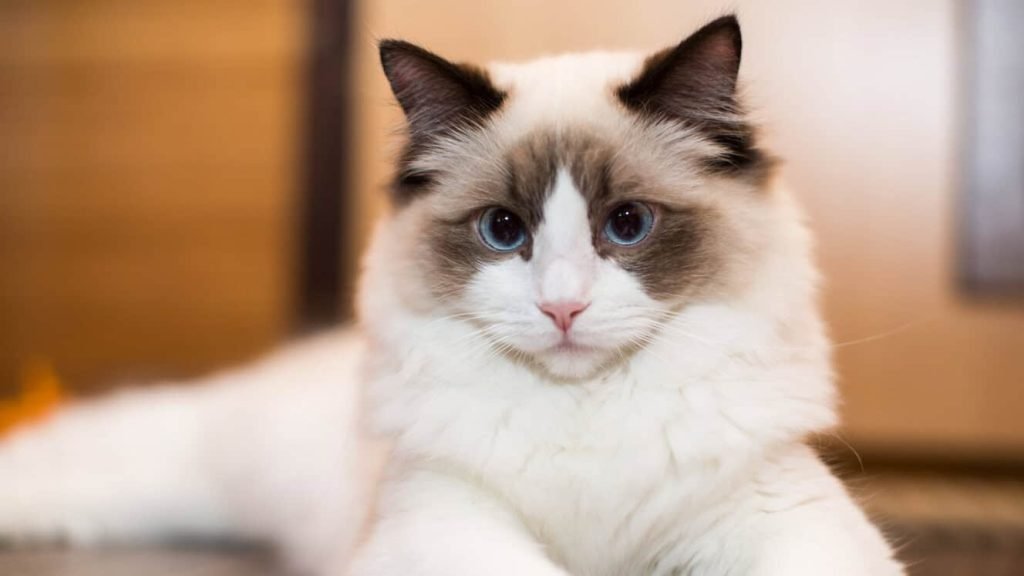
Are you curious about the gentle, fluffy cat breed that feels like a cuddly teddy bear? If you’ve heard of Ragdoll cats but want to know what makes them so special, you’re in the right place.
These cats are famous for their calm nature and striking blue eyes, making them a favorite among cat lovers. You’ll discover everything you need to know about Ragdoll cats—how they behave, what they look like, and why they might be the perfect pet for you.
Keep reading to find out why Ragdolls could be the loving companion you’ve been searching for.
Ragdoll Origins
The origins of the Ragdoll cat breed reveal a fascinating journey marked by careful breeding and an unexpected discovery. These cats are not just beautiful but carry a story that adds depth to their gentle nature. Understanding where they come from can change how you see and appreciate this unique breed.
History And Development
The Ragdoll breed began in the 1960s in California, thanks to a breeder named Ann Baker. She noticed a particular cat with a calm temperament and striking blue eyes, which she used as the foundation for the breed. The Ragdoll’s name comes from their tendency to go limp and relaxed when held, much like a ragdoll toy.
Breeding focused on enhancing this docile personality and maintaining their large size and silky coat. You might find it interesting that the original foundation cat was a domestic longhaired cat mixed with other breeds, contributing to the Ragdoll’s unique traits. This intentional breeding created a cat known for its affectionate and placid nature.
Breed Recognition
Recognition by official cat organizations came after the breed gained popularity among cat lovers. The Cat Fanciers’ Association (CFA) officially recognized the Ragdoll in 1994, acknowledging its distinct appearance and temperament. Other major organizations, like The International Cat Association (TICA), followed suit earlier, helping the breed gain worldwide acceptance.
Recognition means breeders must follow specific standards for the Ragdoll’s color patterns, size, and personality traits. This ensures that when you choose a Ragdoll, you are getting a cat with the consistent qualities that make this breed special. Have you ever wondered how breed standards influence your choice when picking a pet?
Physical Characteristics
The physical traits of Ragdoll cats make them stand out. They have a soft, plush look that many find charming. Their gentle appearance matches their calm and friendly personality. Each feature, from size to eye color, adds to their unique beauty.
Size And Build
Ragdolls are large cats with a sturdy build. Males usually weigh between 15 to 20 pounds. Females are smaller, around 10 to 15 pounds. Their bodies are muscular but not bulky. They have broad chests and strong legs. Their size gives them a majestic yet gentle presence.
Coat And Color Patterns
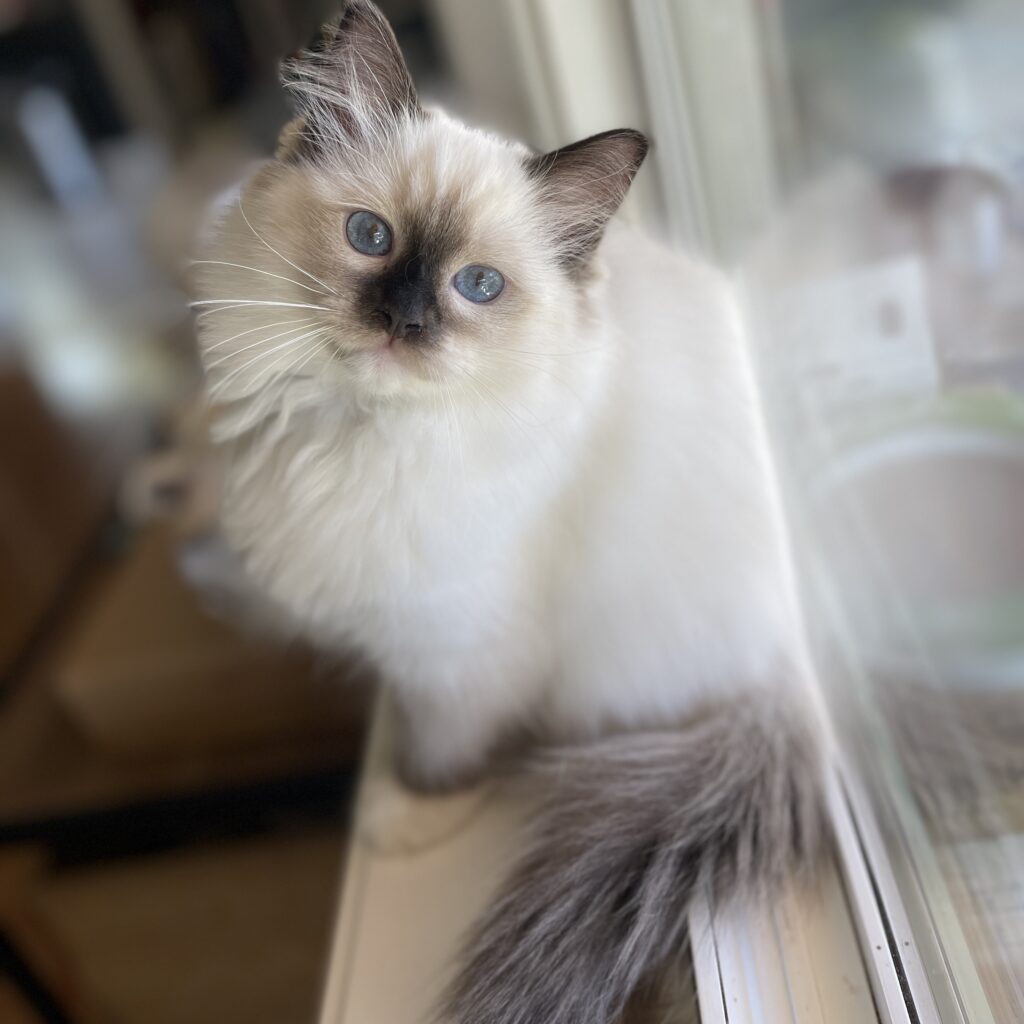
Their coats are semi-long and very soft. The fur feels silky and does not mat easily. Ragdolls have different color patterns:
- Colorpoint: Darker colors on ears, face, paws, and tail.
- Mitted: White paws and sometimes white chin or belly.
- Bicolor: White on face, belly, and legs along with color points.
Common colors include seal, blue, chocolate, and lilac. Their fur colors are rich and vibrant.
Eye Color
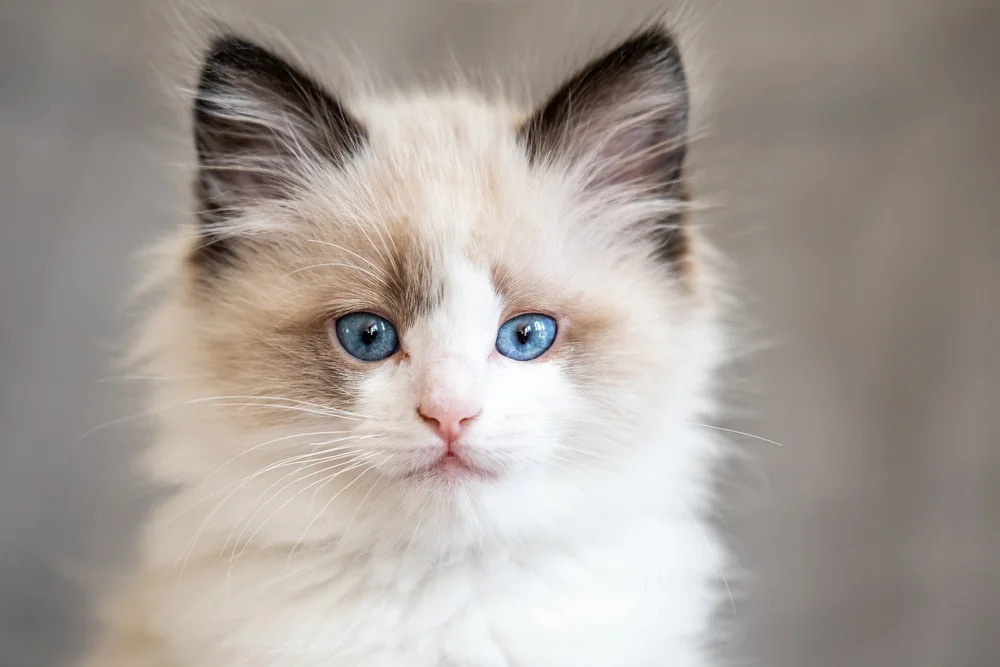
Ragdolls have striking blue eyes. The blue shades can vary from light to deep sapphire. Their eyes are large and oval-shaped. Bright blue eyes give them a sweet and expressive look. Eye color is one of their most captivating features.
Personality Traits
The Ragdoll cat stands out for its gentle and calm personality. These cats often feel like soft, living teddy bears. They enjoy quiet moments and close bonds with their owners. Understanding their personality helps in creating a happy home for them.
Temperament
Ragdolls have a relaxed and easygoing nature. They rarely show aggression or fear. These cats usually stay calm, even in busy surroundings. Their laid-back temperament makes them great companions for people who want a peaceful pet. They often go limp when picked up, which gives them their name.
Social Behavior
These cats love social interaction and enjoy being near people. They often follow their owners around the house. Ragdolls are friendly and usually get along well with strangers. They like to be part of family activities, enjoying both playtime and quiet moments. Their social nature means they dislike being left alone for long periods.
Interaction With Children And Pets
Ragdolls are gentle and patient with children. They tolerate handling well and rarely scratch or bite. These cats are also good with other pets, including dogs. Their calm demeanor helps them adapt to busy households. Supervised interaction with young kids ensures a safe and happy relationship.

Credit: www.masterpieceragdolls.com
Care And Maintenance
Caring for a Ragdoll cat requires attention to their unique needs. These cats have soft, semi-long fur and gentle personalities. Proper care keeps them healthy and happy. Understanding their grooming, diet, and exercise needs is essential.
Grooming Needs
Ragdolls have silky fur that rarely mats. Brush them two to three times each week. Use a soft brush to avoid skin irritation. Regular grooming reduces shedding and hairballs. Check their ears and eyes for cleanliness. Trim nails every two weeks to keep paws healthy.
Diet And Nutrition
Feed high-quality cat food rich in protein. Ragdolls need balanced nutrition for strong muscles and shiny coats. Provide fresh water daily. Avoid overfeeding to prevent obesity. Use measured portions to maintain healthy weight. Treats should be given sparingly.
Exercise Requirements
Ragdolls enjoy gentle play and short bursts of activity. Use interactive toys like feather wands or balls. Encourage climbing with cat trees or shelves. Play sessions help prevent boredom and keep them fit. Aim for at least 20 minutes of play daily.
Health Concerns
Ragdoll cats are known for their gentle nature and striking looks. Like all breeds, they face certain health concerns. Understanding these issues helps owners keep their pets happy and healthy. Regular check-ups and care are key to spotting problems early.
Common Health Issues
- Hypertrophic Cardiomyopathy (HCM): A heart condition common in Ragdolls.
- Polycystic Kidney Disease (PKD): Causes cysts in the kidneys, affecting function.
- Bladder stones: Can cause discomfort and urinary problems.
- Feline Infectious Peritonitis (FIP): A viral disease that can be serious.
- Obesity: Ragdolls tend to gain weight if not active enough.
Preventive Care
Regular vet visits help catch health problems early. Vaccinations protect against common diseases. A balanced diet maintains ideal weight and supports organ health. Exercise keeps muscles strong and prevents obesity. Grooming helps monitor skin and fur condition. Dental care avoids tooth and gum issues.
Lifespan Expectations
Ragdolls live on average 12 to 15 years. Proper care can extend their lifespan. Healthy diet, exercise, and vet check-ups improve quality of life. Early detection of diseases adds more years to their life. Each cat is unique; some live longer with good care.
Credit: www.masterpieceragdolls.com
Training Tips
Training your Ragdoll cat can be a rewarding experience that strengthens your bond and creates a happy home. These cats are known for their gentle nature, but they still need guidance to thrive. Whether you’re teaching litter habits or encouraging good behavior, clear and consistent training makes all the difference.
Litter Training
Ragdolls usually catch on quickly to litter box use. Start by placing the litter box in a quiet, accessible spot. Show your cat the box after meals or naps to help them associate it with bathroom time.
Keep the litter clean and scoop it daily—cats dislike dirty boxes. If accidents happen, gently redirect your Ragdoll to the box rather than scolding them. Have you noticed how some cats prefer certain types of litter? Try different textures to find what your cat likes best.
Behavioral Training
Ragdolls respond well to gentle commands and positive reinforcement. Use treats or affection to reward good behavior like using scratching posts instead of furniture. Avoid harsh punishments; they can make your cat fearful or distant.
Teach your Ragdoll basic commands like “come” or “stay” by repeating words consistently during play or feeding. Consistency in your tone and gestures helps your cat understand what you expect. What small behavior would you like your cat to change first?
Enrichment Activities
Keep your Ragdoll mentally and physically active with enrichment activities. Interactive toys, puzzle feeders, and gentle play sessions keep boredom at bay and prevent destructive behavior. Rotate toys regularly to maintain your cat’s interest.
Try teaching tricks like fetching or gentle leash walking to challenge your cat’s mind. These activities are not just fun—they help your Ragdoll stay confident and engaged. How often do you set aside time just to play with your cat?
Choosing A Ragdoll
Choosing a Ragdoll cat means inviting a gentle and affectionate companion into your home. These cats are known for their striking blue eyes and silky coats, but beyond looks, their calm and loving nature makes them a favorite for many families. Before bringing one home, consider how to find the right Ragdoll that fits your lifestyle and expectations.
Selecting A Reputable Breeder
Finding a trustworthy breeder is key to getting a healthy and well-socialized Ragdoll. Look for breeders who provide clear health records, allow you to meet the kitten’s parents, and are transparent about the cat’s lineage. A good breeder will also be happy to answer your questions and share tips on caring for your new pet.
Have you thought about visiting the breeder’s facility? Seeing the environment where the kittens grow up can tell you a lot about their early socialization and health. Avoid breeders who rush the sale or cannot provide detailed information about their cats.
Adoption Options
Adopting a Ragdoll can be a wonderful choice, especially if you’re open to giving a cat a second chance. Many animal shelters and rescue groups have Ragdolls or Ragdoll mixes needing homes. Adoption often comes with lower costs and the satisfaction of saving a life.
Consider asking local shelters or joining Ragdoll rescue groups online. You might find a cat that matches your personality and home situation perfectly. Have you checked if a Ragdoll is waiting for you nearby?
Cost Considerations
Ragdolls can be an investment, so it’s important to understand the costs involved. Prices from breeders vary widely but expect to pay for quality breeding, vaccinations, and early veterinary care. Don’t forget the ongoing expenses like food, grooming supplies, and health checkups.
Setting a budget will help you plan better and avoid surprises. Are you prepared for the long-term commitment that comes with owning a Ragdoll, both emotionally and financially?
Credit: www.danuragdolls.com
Ragdolls In Families
Ragdolls are a popular choice for families seeking a gentle and loving pet. Their calm nature fits well in many home environments. They enjoy human company and often follow their owners around. These cats adapt well to various family dynamics, making them a versatile companion.
Suitability For Different Households
Ragdolls thrive in homes with children due to their patient temperament. They handle noise and activity with ease. Quiet households benefit too, as Ragdolls enjoy peaceful, relaxed settings. They are good with other pets, including dogs. Their sociable personality allows them to bond quickly. Apartments and larger homes suit them well because they are indoor cats. They need space to stretch but are not overly active.
Benefits Of Owning A Ragdoll
- They are very affectionate and love to cuddle.
- Low aggression makes them safe around kids.
- Ragdolls rarely scratch or bite.
- They have a soft, plush coat that requires moderate grooming.
- These cats are quiet, with gentle voices.
- They enjoy interactive play but also rest calmly.
- Ragdolls often greet owners at the door, showing loyalty.
Frequently Asked Questions
What Are The Key Traits Of Ragdoll Cats?
Ragdoll cats are known for their calm, affectionate nature. They have striking blue eyes and semi-long fur. These cats are gentle, social, and enjoy human companionship, making them ideal pets for families.
How Big Do Ragdoll Cats Typically Grow?
Ragdolls are large cats, often weighing between 10 to 20 pounds. Males tend to be larger than females. Their size and muscular build contribute to their majestic appearance.
Are Ragdoll Cats Good With Children And Pets?
Yes, Ragdolls are very tolerant and friendly. They usually get along well with children and other pets. Their gentle temperament makes them excellent companions in multi-pet households.
What Is The Lifespan Of A Ragdoll Cat?
Ragdolls typically live between 12 to 15 years. With proper care, a balanced diet, and regular vet visits, they can enjoy a long, healthy life.
Conclusion
Ragdoll cats are gentle and loving pets. They enjoy being held and cuddled. Their calm nature suits many homes well. These cats have beautiful blue eyes and soft fur. They get along with children and other pets easily. Choosing a Ragdoll means adding warmth and joy.
They bring comfort and calm to any family. Consider their needs and personality before adopting. A Ragdoll can become your loyal companion. Their sweet temperament makes them hard to resist.
