

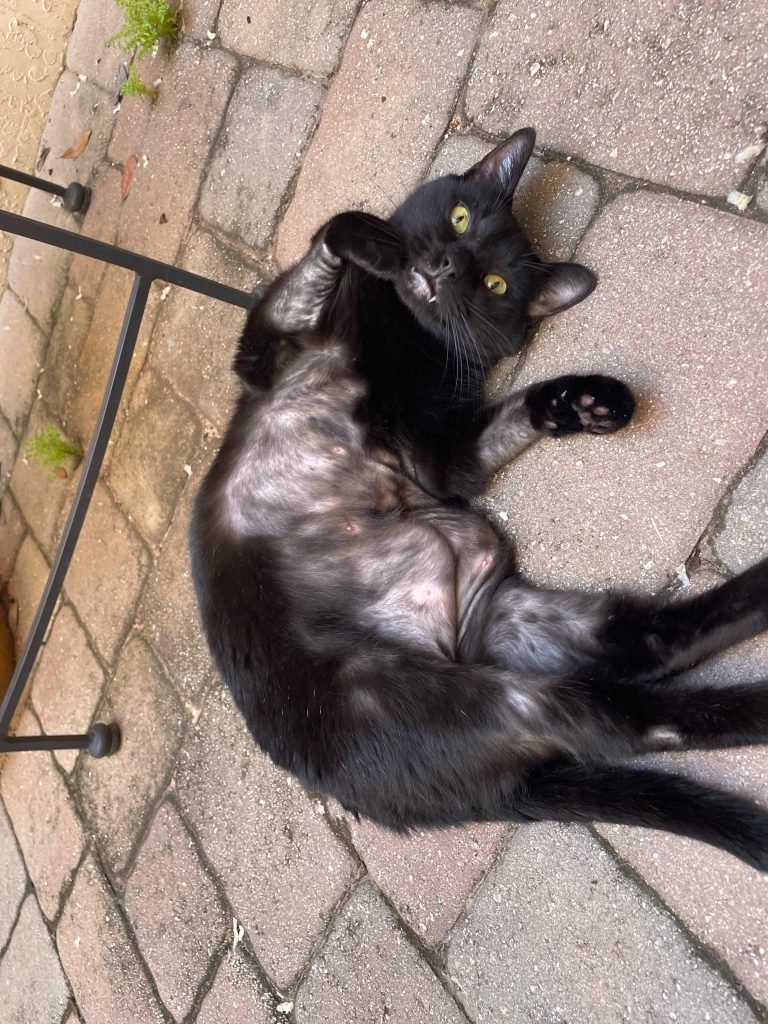
Is your cat constantly licking or biting its fur until the skin looks raw? Over grooming can be more than just a bad habit—it might be a sign that your furry friend is stressed, uncomfortable, or even in pain.
You want to help your cat feel better, but it’s hard to know where to start. You’ll discover simple, effective ways to stop your cat from over grooming. By understanding why it happens and what you can do, you’ll be able to bring your cat back to comfort and calm.
Keep reading—your cat’s well-being depends on it.
Causes Of Over Grooming
Over grooming in cats happens for many reasons. Understanding the causes helps in stopping this behavior early. Cats groom to clean themselves, but too much grooming can signal a problem. It can lead to skin damage and discomfort. Identifying the cause is the first step to help your cat feel better.
Stress And Anxiety
Stress and anxiety often cause cats to over groom. Changes at home, new pets, or loud noises can trigger stress. Grooming becomes a way to cope with these feelings. It helps them feel calm but can harm their skin if done too much.
Allergies And Skin Issues
Allergies to food, dust, or pollen may cause itching. Cats scratch and groom to relieve the itch. Skin problems like dry skin or rashes also lead to over grooming. These issues need a vet’s check for proper treatment.
Parasites And Infections
Fleas, ticks, and mites cause irritation. Cats bite and lick affected areas to ease the discomfort. Infections from bacteria or fungi can also cause over grooming. Parasite control and medication are important to stop this behavior.
Boredom And Behavioral Problems
Boredom makes cats groom to fill time. Lack of play and stimulation leads to repetitive grooming. Behavioral issues like obsessive-compulsive disorder can cause over grooming too. Providing toys and interaction helps reduce boredom and stress.
Credit: www.amazon.ca
Signs To Watch For
Over grooming in cats can signal health or emotional problems. Watching for clear signs helps catch issues early. Careful observation allows you to act before damage worsens. Knowing what to notice keeps your cat safe and comfortable.
Hair Loss Patterns
Look for patches where fur is missing or thinning. These spots often appear on the belly, legs, or sides. Symmetrical bald areas may suggest stress or allergies. Uneven hair loss could point to skin infections or parasites.
Redness And Irritation
Check your cat’s skin for redness, bumps, or sores. These marks often appear where your cat licks most. Irritated skin may be dry, flaky, or swollen. Notice any signs of bleeding or scabs from scratching.
Excessive Licking And Biting
Notice if your cat licks or bites one spot too much. Repeated grooming can cause raw, painful skin. Cats may groom more during stress, boredom, or pain. Watch for frequent licking even when not cleaning.
Changes In Behavior
Observe shifts in your cat’s mood or habits. Over grooming may coincide with restlessness or hiding. Your cat might seem anxious or less playful. Changes in eating or sleeping patterns also matter.
Veterinary Diagnosis
Understanding why your cat overgrooms requires a thorough veterinary diagnosis. This helps uncover underlying issues that might be causing your cat’s discomfort or anxiety. A vet will use several diagnostic tools to pinpoint the exact reason behind the behavior.
Physical Examination
The vet starts with a detailed physical examination of your cat’s skin and coat. They look for redness, bald spots, wounds, or signs of parasites like fleas. This hands-on check can often reveal obvious problems that need immediate attention.
During my cat’s exam, the vet found tiny flea bites hidden under the fur, which explained the constant licking. Have you noticed any unusual marks or hair loss on your cat that might indicate a problem?
Allergy Testing
Allergies are a common cause of over grooming in cats. Vets may perform allergy testing to identify triggers such as food ingredients, pollen, or dust mites. Pinpointing allergies allows you to adjust your cat’s environment or diet to reduce irritation.
Consider how your cat’s behavior changes with the seasons or after new food introductions. Could an allergy be the hidden culprit behind your cat’s grooming obsession?
Skin Scrapings
Skin scrapings help detect infections or parasites that hide beneath the surface. The vet gently scrapes a small area of skin to examine under a microscope. This test can reveal fungal infections or mites that cause itching and discomfort.
If your cat scratches excessively or has scabs, this test might uncover a treatable cause. Have you noticed your cat’s skin looking flaky or inflamed?
Blood Work
Blood tests provide a broad view of your cat’s health, checking for hormonal imbalances or systemic illnesses. Conditions like thyroid problems or infections can trigger over grooming as a symptom. Blood work helps rule out these hidden health issues.
Has your cat’s grooming changed alongside other symptoms like weight loss or lethargy? Blood tests can give you clear answers and guide effective treatment.
Home Remedies And Care
Over grooming can be stressful for both you and your cat. Luckily, there are home remedies and care strategies that help soothe your feline friend and reduce this behavior. These approaches focus on comfort, enrichment, nutrition, and managing stress right where your cat feels safest—at home.
Soothing Baths And Topicals
Bathing your cat might sound tricky, but gentle baths with mild, cat-safe shampoos can calm irritated skin. Look for products with oatmeal or aloe to reduce itching and inflammation.
You can also apply topical treatments like coconut oil or veterinarian-recommended creams to moisturize dry patches. Always test a small area first to ensure your cat doesn’t react negatively.
Environmental Enrichment
Have you noticed your cat seems bored or restless? Over grooming often signals a lack of stimulation.
Add climbing trees, scratching posts, and interactive toys to keep your cat active and distracted. Rotate toys regularly to maintain their interest and challenge their mind.
- Introduce puzzle feeders to make mealtime engaging.
- Create cozy hiding spots where your cat can relax undisturbed.
- Spend quality playtime daily to strengthen your bond and reduce anxiety.
Dietary Adjustments
Sometimes, what your cat eats impacts their skin and coat health. Omega-3 fatty acids found in fish oil can reduce inflammation and promote healing.
Consider adding supplements or switching to a high-quality diet rich in essential nutrients. Consult your vet before making significant changes to ensure the new diet suits your cat’s specific needs.
Stress Reduction Techniques
Stress is a common trigger for over grooming. Think about recent changes at home that might unsettle your cat—new pets, visitors, or loud noises.
Try using pheromone diffusers, which release calming scents mimicking those cats produce naturally. Playing soft music or maintaining a consistent daily routine can also help your cat feel secure.
Have you tried talking softly or gently massaging your cat during calm moments? These small actions build trust and ease tension, potentially reducing over grooming.
Behavioral Training
Behavioral training plays a crucial role in stopping your cat from over grooming. Cats often over groom due to stress, boredom, or anxiety, and changing their behavior can help reduce this habit. By guiding your cat’s attention and rewarding good behavior, you can create a more balanced and calm environment for them.
Redirecting Attention
When your cat starts to over groom, gently redirect their attention to something else. You might call their name or use a sound that interests them, like tapping a surface or shaking a treat bag. This simple interruption can break the cycle of obsessive grooming and help your cat refocus on healthier activities.
Try to notice patterns in your cat’s grooming behavior. Does it happen more when you’re busy or when they’re alone? Catching these moments early allows you to intervene before the grooming becomes excessive.
Using Toys And Playtime
Engaging your cat with toys and regular playtime offers a great outlet for their energy and stress. Choose interactive toys like feather wands or laser pointers to stimulate their hunting instincts and keep them mentally and physically active.
Playing together not only distracts them from over grooming but also strengthens your bond. Set aside at least 10-15 minutes of focused play daily to keep your cat entertained and reduce anxiety-driven behaviors.
Positive Reinforcement
Reward your cat when they stop grooming or engage in alternative behaviors. Use treats, petting, or praise to reinforce calm and relaxed actions. This helps your cat understand that stopping excessive grooming leads to positive outcomes.
Be consistent with rewards. Over time, your cat will associate less grooming with good things, making it easier to change their habits.
Avoiding Punishment
Never punish your cat for over grooming. Punishment can increase stress and anxiety, making the problem worse. Cats don’t connect punishment with the behavior you want to stop, so it’s ineffective.
Focus on gentle guidance and support instead. Creating a safe, stress-free environment encourages your cat to feel secure and reduces the urge to over groom naturally.
:strip_icc()/the-kitty-1011094438-5c3d1af5c9e77c00015e66a6.jpg)
Credit: www.thesprucepets.com
Medical Treatments
Medical treatments play a crucial role in stopping your cat from over grooming, especially when the behavior stems from underlying health issues. Addressing these problems with the right medications or therapies can bring relief and reduce stress for your feline friend. It’s important to work closely with your vet to find the best treatment plan tailored to your cat’s specific needs.
Medications For Allergies
Allergies often cause itching that leads to over grooming. Your vet may prescribe antihistamines or corticosteroids to calm inflammation and reduce itchiness. Sometimes, allergy shots or special diets can also help if the problem is food-related.
Have you noticed your cat licking or biting one spot repeatedly? Allergies might be the hidden cause behind this behavior.
Anti-anxiety Drugs
Stress and anxiety can make cats groom excessively as a coping mechanism. Anti-anxiety medications, such as fluoxetine or buspirone, can help balance your cat’s mood. These drugs reduce compulsive grooming by calming their nerves and improving overall well-being.
Think about what might be stressing your cat—new people, loud noises, or changes in routine? Sometimes, medication combined with environmental changes works best.
Parasite Control
Parasites like fleas or mites are common triggers for over grooming. Using effective flea treatments and regular parasite prevention can eliminate the discomfort that causes your cat to scratch and lick. Make sure to treat all pets and the home environment to stop reinfestation.
Could tiny pests be the reason behind your cat’s constant itching? Don’t overlook parasite control as a key part of treatment.
Special Shampoos And Sprays
Medicated shampoos and sprays can soothe irritated skin and help heal wounds caused by over grooming. Ingredients like oatmeal, aloe vera, or chlorhexidine reduce inflammation and kill bacteria. Regular use as directed by your vet can speed up recovery and prevent further damage.
Have you tried using a soothing shampoo to calm your cat’s skin? Sometimes, simple topical treatments make a big difference in comfort and healing.
Preventing Future Over Grooming
Stopping your cat from over grooming is not just about addressing the behavior immediately; it’s equally important to prevent it from happening again. Over grooming often signals that something in your cat’s life needs attention. By focusing on prevention, you can help your cat stay healthy and comfortable long term.
Regular Vet Checkups
Keeping up with regular vet visits helps catch any underlying health issues early. Skin infections, allergies, or parasites often cause cats to groom excessively. You might not see these problems right away, but your vet can spot subtle signs before they get worse.
Have you noticed your cat scratching more than usual? A vet check could reveal hidden causes and save your cat from discomfort.
Consistent Routine
Cats thrive on predictability. Sudden changes in feeding times, play sessions, or even where you place their bed can stress them out. Stress often triggers over grooming as a coping mechanism.
Try to keep your cat’s daily schedule as steady as possible. Even small changes can make a big difference in their behavior.
Monitoring Environmental Changes
Environmental shifts can unsettle your cat more than you realize. New pets, visitors, or rearranged furniture might cause anxiety. Notice if over grooming starts after any of these changes.
Keeping an eye on your cat’s environment helps you identify stress triggers quickly. You can then adjust the surroundings or give extra attention to ease their discomfort.
Providing Mental Stimulation
Boredom is a common reason cats over groom. Without enough mental challenges, your cat may turn to grooming as a way to pass time. Offering toys, puzzle feeders, or interactive play keeps their mind active.
Try mixing up toys regularly to keep your cat interested. Have you ever seen your cat’s eyes light up when discovering a new game? That excitement can help reduce repetitive grooming behavior.
:strip_icc()/spruce-pets-cat-bathroom-7b6ae6d8f3d940b9a82141be03734144.png)
Credit: www.thesprucepets.com
Frequently Asked Questions
Why Is My Cat Over Grooming Itself?
Cats over groom due to stress, allergies, or skin problems. It can also be a sign of boredom or anxiety. Identifying the cause helps in treating the behavior effectively and keeping your cat healthy.
How Can I Stop My Cat From Over Grooming?
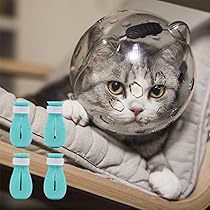
Reduce stress and provide mental stimulation with toys and playtime. Consult a vet to rule out medical issues. Use calming sprays or collars if recommended. Regular grooming and a balanced diet also help maintain healthy skin and fur.
Can Over Grooming Cause Health Problems In Cats?
Yes, over grooming can lead to hair loss, skin irritation, and infections. It weakens the skin’s protective barrier, making your cat vulnerable to wounds and parasites. Early intervention is key to preventing serious health issues.
What Role Does Diet Play In Cat Grooming Habits?
A balanced diet supports healthy skin and coat. Nutritional deficiencies can cause itching and discomfort, leading to over grooming. Supplements like omega-3 fatty acids often improve skin health and reduce excessive licking.
Conclusion
Stopping your cat from over grooming takes patience and care. Watch your cat closely to spot stress or health issues. Provide a calm space and regular playtime to keep them happy. Use vet advice to rule out medical problems. Remember, small changes can make a big difference.
Your cat will feel better with gentle support. Keep trying and stay kind. A happy cat means a happier home.
