


Your cat depends on you for everything, especially when it comes to their health. One vital part that often gets overlooked is their kidneys.
Healthy kidneys keep your furry friend active, happy, and full of life. But how do you know if your cat’s kidneys are doing well? And what can you do to protect them? Keep reading to discover simple, effective ways to support your cat’s kidney health and spot early signs of trouble before it’s too late.
Your cat’s well-being starts here.
Credit: www.diamondpet.com
Kidney Function In Cats
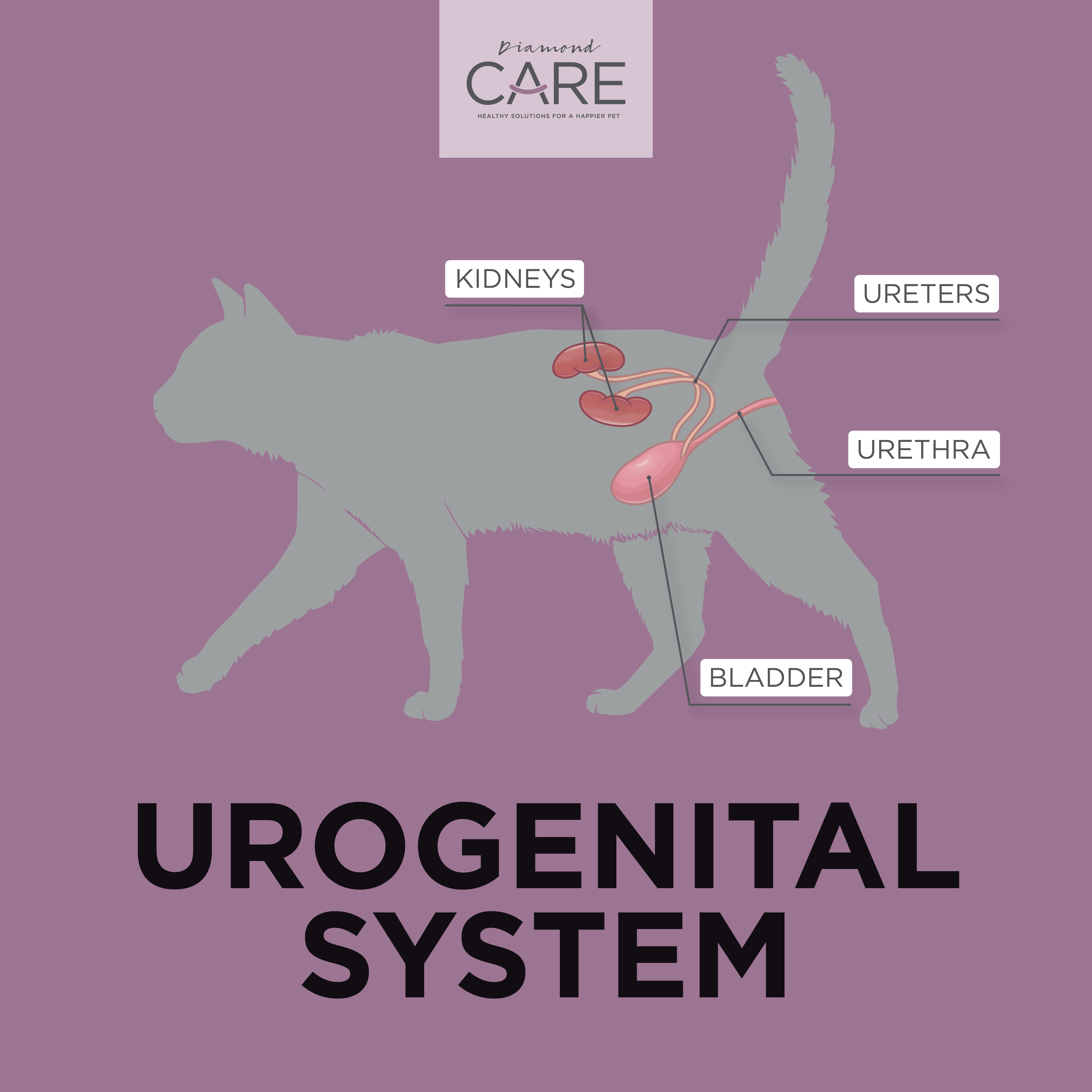
The kidneys play a vital role in keeping cats healthy. These organs filter waste and balance fluids. They also control blood pressure and produce important hormones. Healthy kidneys keep a cat’s body clean and balanced. Understanding how kidneys work helps in spotting early health issues.
Role Of Kidneys In Feline Health
Kidneys filter toxins and waste from the blood. They keep fluids and minerals balanced. This balance is essential for body functions. Kidneys also help produce red blood cells. They regulate blood pressure by controlling salt levels. Proper kidney function supports overall energy and health.
Common Kidney Problems
Kidney disease is common in older cats. It can develop slowly without clear signs. Early symptoms include weight loss and increased thirst. Kidney infections and stones can also cause issues. Chronic kidney disease reduces the kidney’s filtering ability. Early diagnosis can improve a cat’s quality of life.

Credit: www.petivity.com
Signs Of Kidney Issues
Kidney problems in cats often start without clear signs. Early detection helps protect your cat’s health. Knowing which signs to watch can save your pet from serious illness. Cats hide pain well, so observe them closely. Changes in behavior or habits may hint at kidney issues.
Early Symptoms To Watch
- Increased thirst and urination
- Loss of appetite or weight
- Vomiting or mild nausea
- Lethargy or less activity
- Bad breath with a chemical smell
- Pale gums or mouth sores
These signs might seem minor but can indicate early kidney stress. Notice any sudden changes and consult a vet quickly.
Advanced Symptoms
- Severe vomiting and diarrhea
- Dehydration and dry mouth
- Weakness or collapsing
- Swollen abdomen or fluid buildup
- Bad breath with ammonia smell
- Behavioral changes like hiding or irritability
Advanced symptoms mean the kidneys are failing. Immediate veterinary care is critical to manage the condition.
Diet And Nutrition
Keeping your cat’s kidneys healthy starts with the right diet and nutrition. What you feed your cat can either support their kidney function or add strain to it. Paying attention to specific foods and hydration can make a real difference in your cat’s well-being.
Foods That Support Kidney Health
Choosing foods that reduce kidney workload is crucial. Look for diets lower in protein, phosphorus, and sodium, as these can help ease kidney stress.
- High-quality protein:Instead of just cutting protein, focus on high-quality sources like chicken or fish that are easier for kidneys to process.
- Controlled phosphorus:Too much phosphorus can worsen kidney damage. Foods with limited phosphorus content protect your cat’s kidneys.
- Omega-3 fatty acids:Found in fish oil, these can reduce kidney inflammation and improve blood flow.
- Commercial kidney diets:Specially formulated cat foods designed for kidney health take the guesswork out of feeding.
Have you checked the ingredients on your cat’s food label lately? Sometimes small changes in diet can have big effects.
Hydration Tips
Water is a simple but powerful tool for kidney health. Cats naturally drink less water, which can lead to dehydration and worsen kidney problems.
- Wet food:Adding wet food to your cat’s diet increases moisture intake.
- Fresh water:Change your cat’s water daily and offer multiple water bowls around the house.
- Water fountains:Many cats prefer running water, which encourages drinking.
- Broth treats:Unsalted chicken or beef broth can be an enticing way to boost hydration.
Could your cat be drinking enough water? Watch their habits closely—sometimes the solution is as simple as making water more appealing.
Preventive Care
Keeping your cat’s kidneys healthy takes more than just good food and plenty of water. Preventive care is key to catching issues early and avoiding serious problems down the road. You have a powerful role in spotting subtle signs and working with your vet to keep your feline friend thriving.
Regular Vet Checkups
Scheduling routine vet visits is one of the best ways to protect your cat’s kidney health. During these checkups, vets can run simple blood and urine tests to detect early kidney changes before symptoms appear.
Think about how often you take your cat to the vet. Is it just when they seem sick, or do you have a regular schedule? Regular visits give you a chance to ask questions and get personalized advice tailored to your cat’s needs.
Don’t wait for obvious signs like increased thirst or lethargy—these often show up after kidney damage has progressed. Early detection can make all the difference in treatment options and outcomes.
Home Monitoring Techniques
You can keep an eye on your cat’s kidney health right at home with simple, daily observations. Notice if your cat drinks more water than usual or if their litter box habits change.
- Track water intake and urination frequency
- Watch for weight loss or appetite changes
- Look for unusual behavior like hiding or decreased activity
Have you ever logged these details to share with your vet? Keeping a small diary or using a pet health app helps you spot patterns and provides valuable information for your vet visits.
Small changes can be easy to miss, but you’re the best expert on what’s normal for your cat. How closely do you observe your cat’s daily habits? Your attention could catch kidney issues before they become serious.
Treatment Options
Treating kidney issues in cats requires a careful balance of medical care and lifestyle changes. Each cat’s condition is unique, so treatments must be tailored to their specific needs. Understanding the available options can help you make informed decisions that improve your cat’s quality of life.
Medications And Therapies
Medications often play a key role in managing kidney disease. Your vet may prescribe drugs to control symptoms like nausea, high blood pressure, or anemia.
Phosphate binders are common to reduce excess phosphorus in the blood. This helps slow down kidney damage and supports overall health.
In some cases, fluid therapy is needed to keep your cat hydrated. This can be done at home through subcutaneous fluids, which many cat owners find manageable with proper guidance.
Lifestyle Adjustments
Simple changes at home can make a big difference. Adjusting your cat’s diet to low-protein and low-phosphorus food reduces kidney strain.
Fresh water should always be available. Some cats prefer running water, so a cat fountain might encourage them to drink more.
Stress reduction is also vital. Providing a calm environment and regular playtime can improve your cat’s overall well-being.
Have you noticed how small changes in your cat’s routine impact their health? Paying attention to these details can help you catch problems early and adjust care accordingly.
Credit: www.walmart.ca
Managing Chronic Kidney Disease
Managing chronic kidney disease (CKD) in cats requires consistent care and attention. This condition progresses slowly, so early and ongoing management helps extend your cat’s life. Understanding effective strategies supports your cat’s health and comfort.
Long-term Care Strategies
Regular veterinary check-ups are essential. They help monitor kidney function and adjust treatments.
- Feed a kidney-friendly diet low in protein and phosphorus.
- Ensure your cat drinks plenty of water to stay hydrated.
- Administer prescribed medications to control symptoms and protect kidneys.
- Maintain a calm environment to reduce stress on your cat.
Tracking your cat’s weight and appetite provides clues about their health. Early action on changes can slow disease progression.
Improving Quality Of Life
Comfort and happiness matter most. Keep your cat’s living space clean and cozy.
- Offer easy access to food, water, and litter boxes.
- Provide gentle play and affection to keep spirits high.
- Manage nausea or vomiting with vet-approved remedies.
- Monitor for signs of pain or discomfort and report them promptly.
Small changes in daily care can make a big difference. Your attention helps your cat feel safe and loved.
Frequently Asked Questions
What Are Common Signs Of Cat Kidney Disease?
Common signs include increased thirst, frequent urination, weight loss, vomiting, and lethargy. Early detection improves treatment success.
How Can I Prevent Kidney Problems In My Cat?
Feed a balanced diet, ensure fresh water availability, and schedule regular vet check-ups to monitor kidney health.
What Foods Support Cat Kidney Health?
Low-protein, low-phosphorus diets with high-quality ingredients help reduce kidney strain and support function in cats.
When Should I Take My Cat To The Vet For Kidney Issues?
Visit the vet if your cat shows symptoms like excessive thirst, urination changes, or sudden weight loss.
Conclusion
Healthy kidneys keep your cat active and happy. Watch for changes in water intake or urination. Regular vet visits help catch problems early. Feeding good food supports kidney function. Stress and toxins can harm your cat’s kidneys. Early care can slow kidney disease.
Stay alert to signs like weight loss or weakness. Simple steps protect your cat’s kidney health daily. Small efforts make a big difference in their life. Keep your cat’s kidneys strong for many years.
