

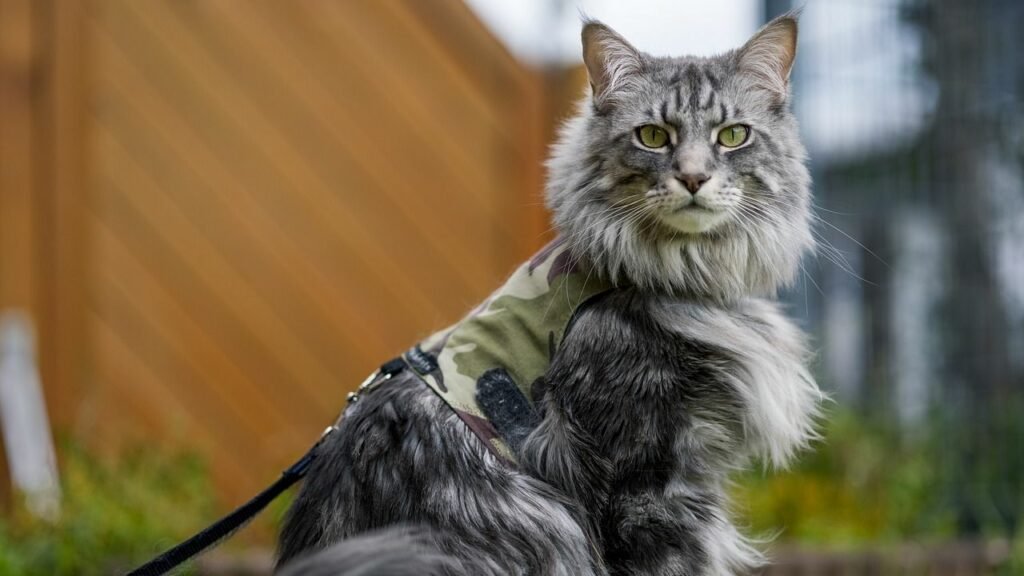
Are you curious about the biggest cat breeds that can turn heads with their impressive size? Whether you’re thinking about adding a gentle giant to your home or simply love learning about majestic animals, this guide will surprise and delight you.
You’ll discover which cats grow larger than most, what makes them unique, and how they live. Keep reading to find out if these big cats could be the perfect match for your lifestyle—and prepare to be amazed by their size and charm!
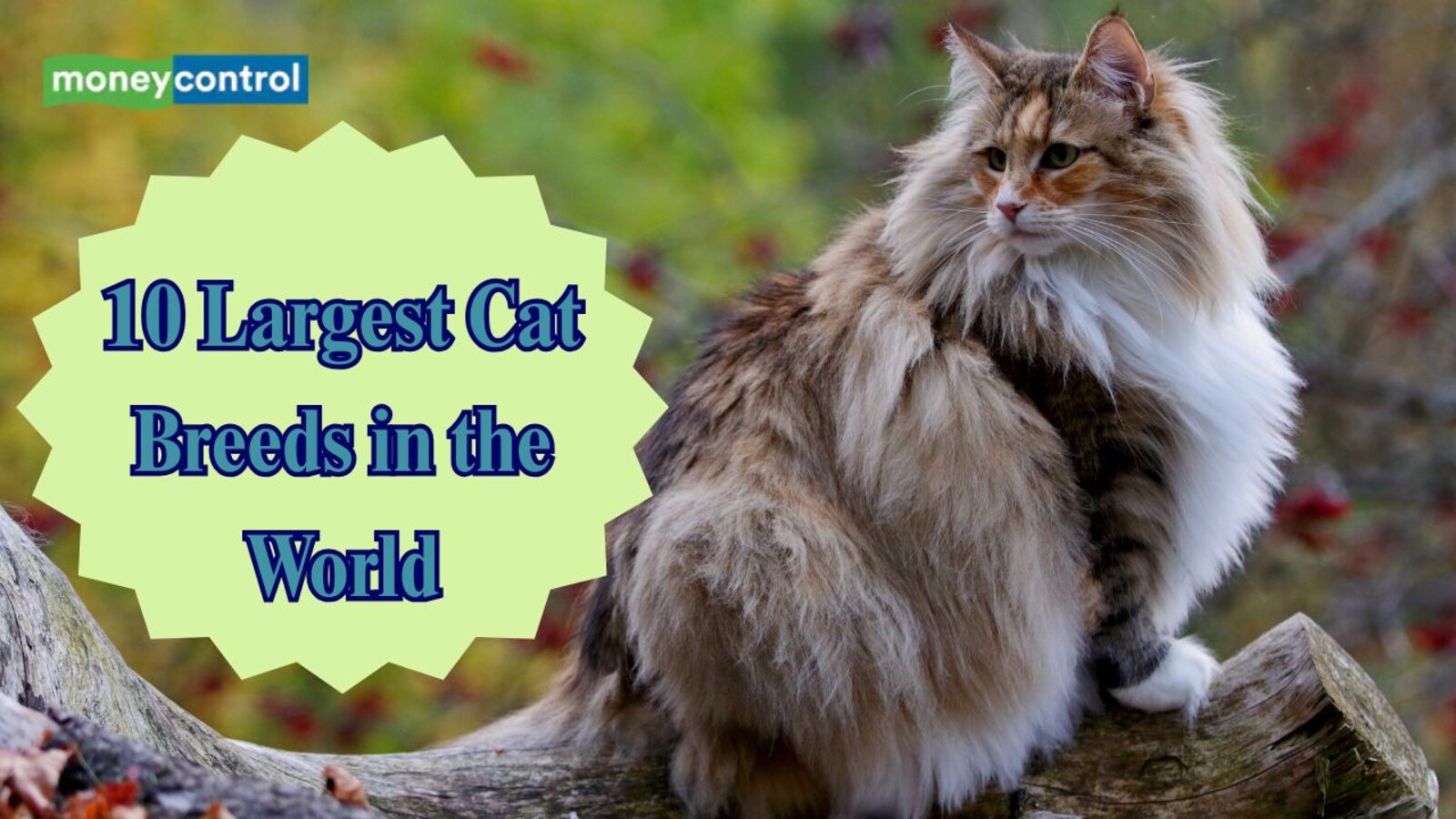
Credit: www.moneycontrol.com
Largest Domestic Cat Breeds
Largest domestic cat breeds impress with their size and gentle nature. These cats are not only big but also friendly and playful. Their unique looks and personalities make them popular among cat lovers.
Let’s explore some of the biggest domestic cat breeds and what makes them special.
Maine Coon Characteristics
- One of the largest domestic breeds
- Long, thick fur perfect for cold weather
- Strong, muscular body with tufted ears
- Friendly and social with children and pets
- Known for their gentle and intelligent nature
Savannah Cat Features
- Hybrid breed from domestic cats and wild servals
- Large and tall with long legs
- Spotted coat resembling a wild cat
- Active, curious, and highly intelligent
- Requires plenty of play and exercise
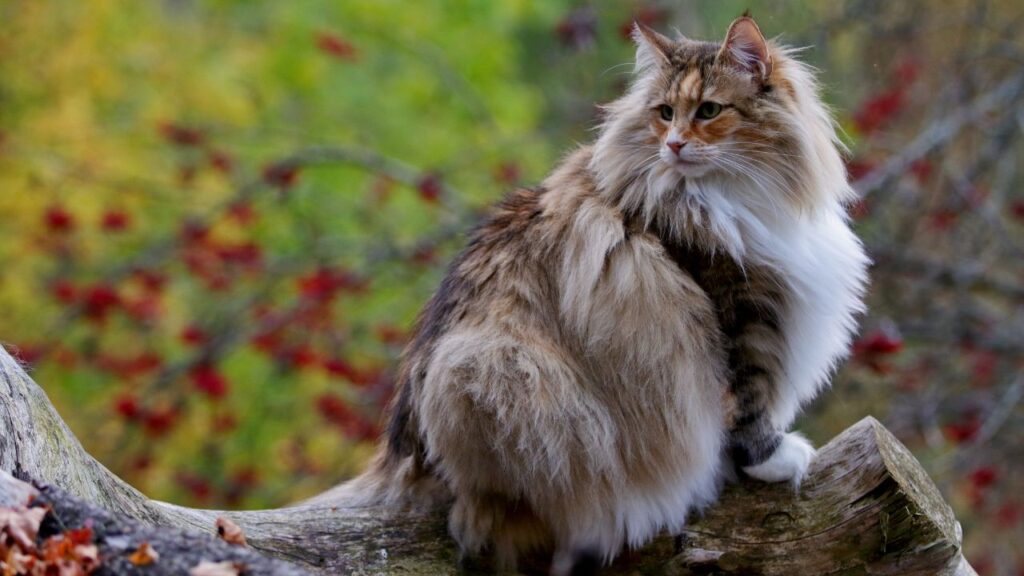
Norwegian Forest Cat Traits
- Large and sturdy with a dense double coat
- Adapted for cold climates with water-resistant fur
- Strong claws for climbing trees
- Calm, affectionate, and independent
- Excellent hunters and natural explorers
Giant Wild Cat Species
Giant wild cats are some of the most impressive animals on Earth. They have incredible strength, speed, and beauty. These cats live in forests, mountains, and plains. Their size and power make them top predators in their habitats. Learning about these giant wild cat species helps us appreciate nature’s wonders.
Siberian Tiger Profile
The Siberian tiger is the largest wild cat species. It can weigh up to 700 pounds. Its thick fur keeps it warm in cold climates. This tiger hunts deer, wild boar, and elk. It has strong muscles and sharp claws. The Siberian tiger is a solitary animal. It roams vast territories in Russia’s forests.
Lion’s Majestic Presence
Lions are known as the “king of the jungle.” Male lions have a thick mane around their head. They can weigh up to 500 pounds. Lions live in groups called prides. They hunt together to catch large animals. Lions are social and communicate with roars. They mostly live in African savannas and grasslands.
Jaguar’s Powerful Build
Jaguars have the strongest bite of all big cats. They weigh around 200 to 250 pounds. Their bodies are muscular and compact. Jaguars live in rainforests, swamps, and grasslands. They are excellent swimmers and climb trees well. Their spotted coat helps them hide from prey. Jaguars mainly hunt deer, fish, and turtles.
Physical Traits Of Big Cats
Big cats impress with their unique physical traits. These traits help them survive and thrive in wild habitats. Their size, strength, and appearance make them powerful predators. Understanding these traits reveals why they stand out among animals.
Muscle Structure And Size
Big cats have strong muscles built for power and speed. Their bodies combine strength with flexibility. Large muscles help them climb, run, and pounce effectively. They have thick necks and broad shoulders for a strong bite. Their size varies, but all have impressive body mass. This muscle structure supports hunting and territorial defense.
Coat Patterns And Colors
Coat patterns serve as natural camouflage. Spots, stripes, and rosettes break up their outline. Colors range from sandy beige to deep orange and black. These patterns help big cats blend into forests, grasslands, or mountains. Each species has distinct markings that aid in identification. The coat also protects against weather conditions.
Adaptations For Hunting
Big cats have sharp claws and teeth to catch prey. Their eyes face forward for excellent depth perception. Night vision allows hunting in low light. Whiskers sense nearby movement and space. Flexible bodies enable silent stalking and sudden attacks. These adaptations make them efficient and deadly hunters.
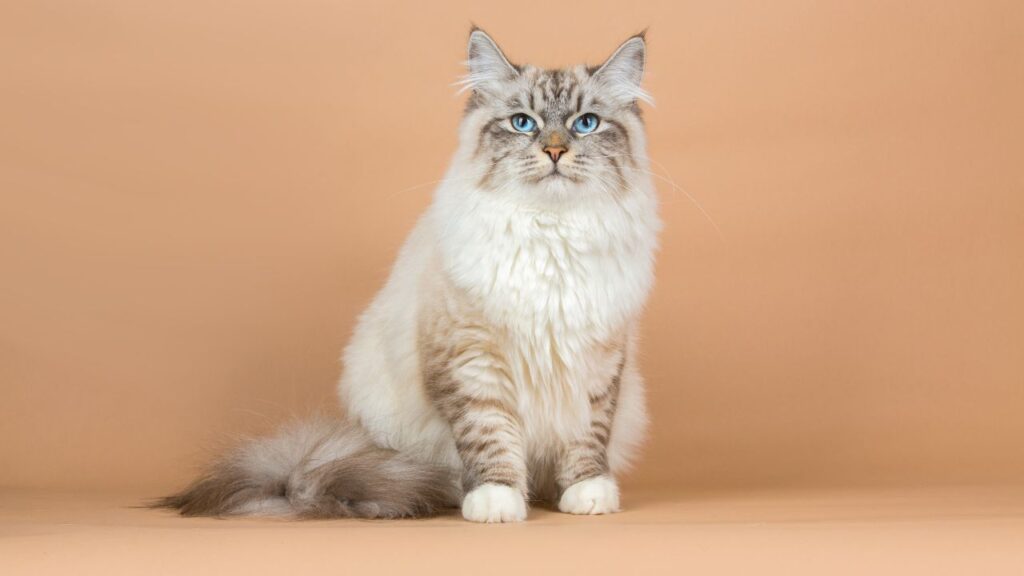
Credit: worldanimalfoundation.org
Habitat And Distribution
The habitat and distribution of the biggest cat breeds play a crucial role in their growth, behavior, and survival. Understanding where these majestic creatures live helps you appreciate why some cats grow larger than others. Whether domestic or wild, their environments shape their lifestyles in unique ways.
Domestic Cats’ Preferred Environments
Most large domestic cats thrive in spacious homes or rural areas where they can roam freely. They enjoy warm, comfortable places with plenty of hiding spots and vertical spaces to climb. Providing your big cat with a safe outdoor enclosure or access to nature can improve their physical and mental health.
Have you noticed how your cat reacts to different rooms or outdoor spaces? Their environment directly impacts their activity levels and overall size. Larger breeds often need more room to stretch and explore to stay healthy.
Wild Cats’ Natural Ranges
Wild big cats like tigers, lions, and leopards inhabit vast territories ranging from dense jungles to open savannas. These areas offer abundant prey and shelter essential for their survival. Each species adapts to its specific environment, which influences hunting tactics and social behavior.
For example, Siberian tigers roam cold forests in Russia, while African lions prefer the warm grasslands of the Serengeti. Their distribution depends heavily on the availability of food, water, and safe breeding grounds.
Impact Of Habitat On Size
Habitat directly affects a cat’s size due to food availability and climate conditions. Cats in resource-rich environments tend to grow larger because they receive better nutrition. Conversely, harsh habitats may limit growth but enhance agility and endurance.
Have you ever wondered why some big cats are bulkier while others are leaner? The environment shapes not just their size but also their physical build and hunting skills. Supporting natural habitats is vital to maintaining the diversity and health of these incredible animals.
Behavior And Temperament
Understanding the behavior and temperament of the biggest cat breeds helps in appreciating their unique traits. These majestic animals often display a mix of wild instincts and gentle nature. Their behavior varies widely depending on breed, environment, and upbringing. Observing their actions gives insight into their social needs and how they interact with humans.
Social Nature Of Large Cats
Big cats often show a blend of independence and social behavior. Some breeds enjoy company and form strong bonds with family members. Others prefer solitude and need space to feel comfortable. Many large cats communicate through body language and vocal sounds. Playfulness is common, especially in younger cats, helping them build trust.
Hunting And Feeding Habits
These cats have strong hunting instincts inherited from their wild ancestors. They love to stalk and pounce, even during play. Feeding habits vary; some eat multiple small meals daily. Others prefer one or two large meals. Their diet mainly includes meat, which keeps them healthy and active. Toys that mimic prey can satisfy their hunting urges indoors.
Interaction With Humans
Big cat breeds often form deep connections with their owners. They can be affectionate, seeking attention and petting. Some enjoy sitting nearby or following people around. Others may stay distant but still show trust. Consistent care and gentle handling build a strong bond. Respecting their space and mood is key to positive interaction.
Conservation Status
The conservation status of the biggest cat breeds is a crucial topic that demands your attention. These majestic creatures face numerous challenges that threaten their survival. Understanding their current situation helps you appreciate why protecting them matters so much.
Threats To Big Cats
Big cats such as tigers, lions, and leopards face threats from habitat loss and poaching. Human activities like deforestation and urban expansion shrink their living space rapidly. Illegal hunting for skins and body parts continues to push many species toward extinction.
Have you ever wondered how losing even one big cat affects the entire ecosystem? These predators keep prey populations balanced, which supports healthy forests and grasslands. Without them, the natural order gets disrupted.
Efforts In Preservation
Conservation groups and governments have launched projects aimed at protecting big cats. Anti-poaching patrols and stricter laws have helped reduce illegal killings in some areas. Breeding programs in captivity also provide a safety net for endangered species.
Your support can make a difference. By choosing to fund or volunteer with wildlife organizations, you help create safer environments for these animals. Simple actions like spreading awareness can increase global pressure to protect their habitats.
Role Of Sanctuaries And Reserves
Sanctuaries and wildlife reserves offer big cats a refuge from danger. These protected areas provide natural habitats where cats can hunt and reproduce without human threats. They also serve as research sites to study behavior and improve conservation techniques.
Visiting a sanctuary can change how you see these animals. Seeing a lion or tiger up close, safe and thriving, highlights the importance of preserving their homes. How often do you get the chance to witness nature’s giants in their rightful place?
Caring For Large Domestic Cats
Caring for large domestic cats requires more attention and adjustment than caring for smaller breeds. Their size affects their diet, exercise, and health needs. Understanding these factors can help you provide the best environment for your big feline friend to thrive.
Diet And Nutrition Needs
Large cats need a balanced diet that supports their muscle mass and energy levels. High-quality protein sources are essential to keep them strong and healthy.
Providing food rich in omega-3 fatty acids supports joint health, which is crucial for bigger cats. Avoid overfeeding, as extra weight can strain their bodies and lead to health problems.
Have you considered splitting their meals into smaller portions throughout the day? This can help with digestion and prevent overeating.
Space And Exercise Requirements
Big cats need more space to move freely. A cramped environment can lead to stress and behavioral issues.
Interactive playtime is vital. Use toys that encourage jumping, climbing, and stalking to keep your cat active.
Think about setting up vertical spaces like cat trees or shelves. These allow your cat to explore and exercise naturally.
Health Considerations
Regular vet check-ups are even more important for large cats. Their size can increase the risk of joint problems and heart issues.
Keep an eye on their weight and mobility. Early detection of problems can make treatment easier and more effective.
Do you know your cat’s breed-specific health risks? Researching these can help you prepare and prevent potential issues.
Credit: worldanimalfoundation.org
Frequently Asked Questions
What Are The Largest Domestic Cat Breeds?
The largest domestic cat breeds include Maine Coon, Savannah, and Norwegian Forest cats. They can weigh up to 20 pounds or more.
How Big Can A Maine Coon Cat Grow?
Maine Coons can grow up to 40 inches long and weigh between 13-18 pounds, making them one of the biggest cat breeds.
Are Savannah Cats Bigger Than Regular Cats?
Yes, Savannah cats are much bigger than regular cats. They can weigh 15 to 25 pounds and have a tall, slender build.
Which Cat Breed Is The Heaviest?
The Maine Coon is often the heaviest cat breed, with males weighing up to 25 pounds and large muscular bodies.
Conclusion
Big cat breeds are truly fascinating animals. They show us how big and gentle cats can be. Each breed has its own special traits and charm. Some cats grow large but stay friendly and calm. Others have strong muscles and playful spirits.
Knowing about these breeds helps us appreciate them more. They make great pets for many families. Caring for big cats means patience and love. Their size does not stop them from being sweet companions. Enjoy learning about these wonderful big cat breeds!
