

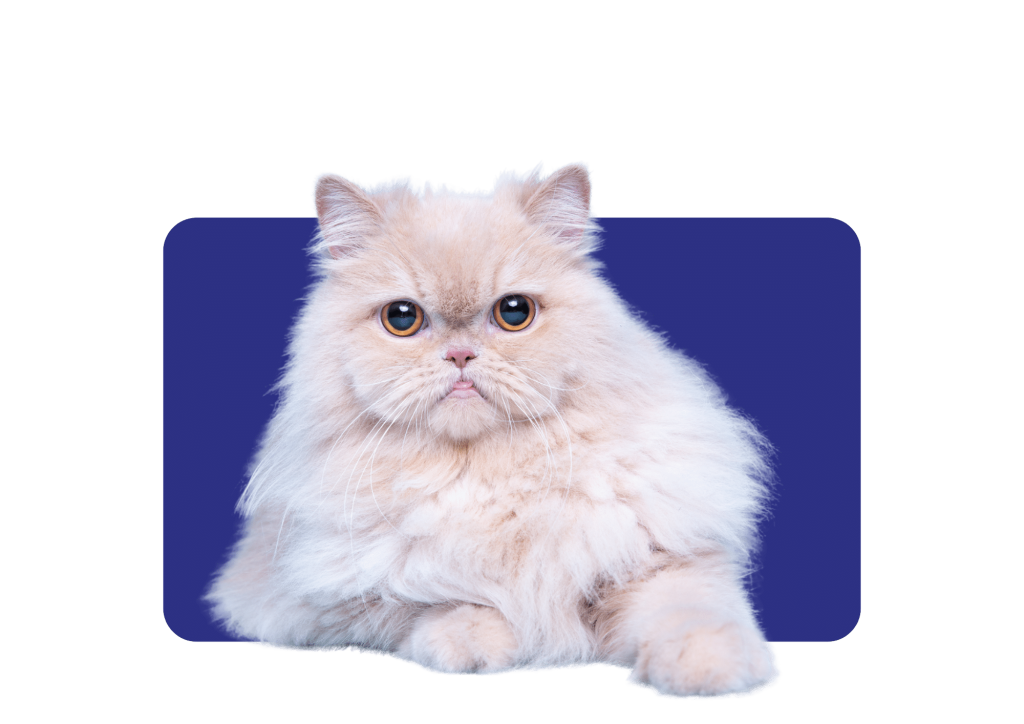
If you have a Persian cat, you want to keep your furry friend happy and healthy. But did you know Persian cats are prone to certain health problems that can affect their quality of life?
Understanding these issues early can help you spot warning signs and take action before things get serious. You’ll discover the most common health problems Persian cats face and what you can do to protect your beloved pet. Keep reading to ensure your Persian cat lives a long, comfortable life by your side.
Credit: pethelpful.com
Common Health Issues
Persian cats are known for their beauty and gentle nature. Yet, they face several health challenges. Understanding these common health issues helps owners provide better care. Early detection can make a big difference in their quality of life.
Respiratory Problems
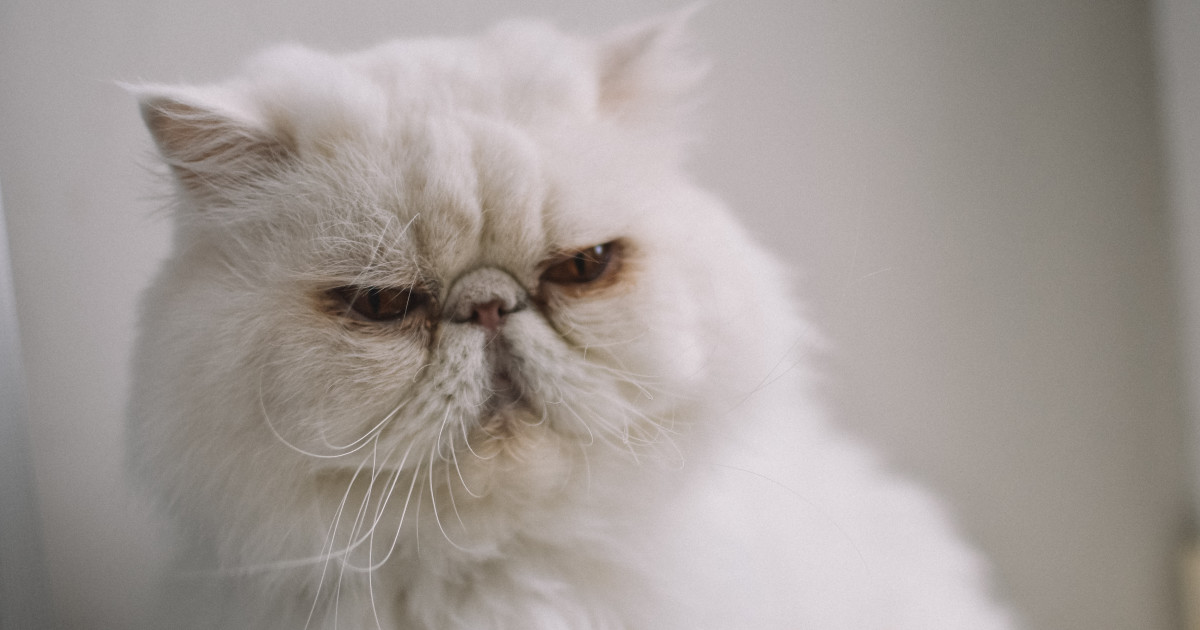
Persians have flat faces, causing breathing trouble. This condition is called brachycephalic airway syndrome. It can lead to noisy breathing, snoring, and difficulty in hot weather. Regular vet checks can help manage these issues.
Eye Conditions
Persian cats often suffer from watery eyes and tear staining. They are prone to conditions like entropion, where the eyelid rolls inward. This causes irritation and discomfort. Keeping their eyes clean reduces the risk of infections.
Skin And Coat Issues
Their long fur needs frequent grooming to avoid mats and tangles. Skin infections and fungal diseases occur if grooming is neglected. Persians may also develop seborrhea, causing flaky and itchy skin.
Dental Diseases
Dental problems are common in Persian cats. They may develop tartar buildup and gum disease. These issues can cause pain and bad breath. Regular teeth cleaning helps maintain oral health.
Kidney Disorders
Polycystic kidney disease (PKD) affects many Persians. It causes cysts in the kidneys, leading to kidney failure. Genetic testing before breeding can reduce PKD risk. Early diagnosis helps manage the condition better.
Preventive Care
Preventive care is essential for maintaining a Persian cat’s health. This breed faces unique health challenges due to its genetics and physical traits. Regular care helps catch problems early and keeps your cat happy and active. A strong focus on prevention reduces the risk of serious illnesses.
Regular Vet Visits
Schedule vet visits at least twice a year. These checkups allow early detection of common Persian cat issues. The vet will examine eyes, teeth, and breathing. Regular visits help track your cat’s weight and overall condition. Early treatment of problems improves outcomes and reduces costs.
Vaccination Schedule
Keep your Persian cat’s vaccinations up to date. Vaccines protect against deadly viruses and infections. Follow your vet’s recommended schedule for core vaccines. Kittens need more frequent shots, followed by annual boosters. Proper vaccination helps prevent diseases that can weaken your cat’s immune system.
Parasite Control
Parasites like fleas, ticks, and worms harm Persian cats. Use vet-approved parasite preventatives year-round. Check your cat regularly for signs of infestation. Parasite control protects your cat’s skin and internal health. Clean living spaces reduce parasite risks and keep your cat comfortable.
Nutrition Tips
Proper nutrition plays a key role in maintaining Persian cats’ health. Their unique body and coat need special care through diet. Feeding the right nutrients helps prevent common health problems. It supports strong bones, shiny fur, and overall vitality.
Balanced Diet
Persian cats need a diet rich in protein and moderate fat. Protein supports muscle strength and energy. Include high-quality meat like chicken, turkey, or fish. Avoid fillers like corn or soy that offer little nutrition.
Carbohydrates should be low to prevent weight gain. Vegetables and grains in small amounts provide fiber for digestion. A balanced diet keeps their weight steady and fur healthy.
Hydration Needs
Water is essential for kidney function and digestion. Persian cats often drink less water naturally. Offer fresh water daily and change it often. Wet cat food can also increase their water intake.
Encourage drinking by placing water bowls in several spots. Consider a cat water fountain to attract their interest. Proper hydration prevents urinary and kidney issues.
Supplements For Health
Supplements can fill nutrition gaps in your cat’s diet. Omega-3 fatty acids improve skin and coat condition. Use fish oil or flaxseed oil supplements carefully.
Probiotics help maintain a healthy digestive system. Consult a vet before starting any supplement. Vitamins like A, E, and B-complex support immune health and energy.
Credit: knowallanimals.com
Grooming Essentials
Grooming is a vital part of keeping your Persian cat healthy and happy. Their long, luxurious coats demand regular attention to prevent mats and skin problems. Proper grooming also helps you spot health issues early, making your care routine a key factor in their overall well-being.
Brushing Techniques
Daily brushing is essential for Persian cats to avoid tangles and mats. Use a wide-tooth comb first to gently remove any knots, then follow with a soft bristle brush to smooth the coat.
Be patient and calm; sudden movements can scare your cat. If your cat resists, try breaking the session into short, frequent intervals. Have you noticed how a calm brushing session can actually become a bonding moment?
Bathing Frequency
Persian cats don’t need frequent baths, but regular washing every 4 to 6 weeks keeps their coat clean and reduces oil buildup. Use a shampoo specifically designed for cats to avoid skin irritation.
Always rinse thoroughly to remove all shampoo residue, which can cause itching. Remember, a wet Persian cat needs gentle drying with a towel or low-heat blow dryer—have you tried turning bath time into a soothing experience for your cat?
Nail And Ear Care
Trimming your Persian’s nails every couple of weeks prevents overgrowth and reduces the risk of scratches. Use a pet nail clipper and avoid cutting too close to the quick to prevent pain and bleeding.
Check ears weekly for dirt or wax buildup. Clean them gently with a cotton ball and a vet-approved ear cleaner if needed. Ignoring ear hygiene can lead to infections; have you checked your cat’s ears lately?
Exercise And Environment
Persian cats need a calm and safe environment for their health. Exercise helps keep them fit and happy. Their unique body structure means they need gentle activities. A quiet space with little noise helps reduce stress. This supports their overall well-being.
Safe Play Areas
Choose play areas free from sharp objects and hazards. Soft rugs or carpeted floors prevent slipping. Avoid high places where falls can happen. Make sure the space has good lighting. Keep toxic plants and small items away. A cozy corner with toys can encourage movement.
Activity Recommendations
- Short play sessions with feather toys stimulate exercise.
- Use laser pointers carefully to avoid eye strain.
- Encourage gentle climbing with low cat trees.
- Interactive puzzle feeders promote mental and physical activity.
- Allow quiet time after play to avoid overexertion.
Recognizing Warning Signs
Recognizing warning signs in your Persian cat’s health can make a huge difference in catching problems early. Persian cats often hide discomfort, so noticing subtle changes is crucial. Paying close attention to both behavior and physical symptoms helps you act quickly to keep your cat healthy.
Behavioral Changes
Your Persian cat’s behavior can tell you a lot about its health. If your usually playful cat becomes withdrawn or stops interacting with you, it might be feeling unwell. Changes like increased irritability or sudden aggression can also signal pain or discomfort.
Watch for shifts in eating and drinking habits. A drop in appetite or increased thirst could indicate underlying health issues like kidney disease or diabetes. Has your cat started hiding more than usual or stopped grooming itself? These are red flags worth discussing with your vet.
Physical Symptoms
Physical changes often point to specific health problems. Notice if your Persian cat’s eyes look watery, red, or have a discharge—these signs could suggest respiratory infections or eye conditions common in the breed. Also, check for any lumps, bumps, or skin irritations during grooming sessions.
Breathing difficulties, coughing, or sneezing more than usual are symptoms you should never ignore. Persian cats are prone to respiratory issues due to their flat faces. If you spot weight loss, vomiting, or diarrhea, these require immediate attention.
Are you tracking these signs regularly? Keeping a simple journal of your cat’s behavior and physical condition can help you spot patterns early. Your vigilance plays a key role in preventing serious health problems for your beloved Persian.

Credit: petite-store.com
Frequently Asked Questions
What Are Common Persian Cat Health Problems?
Common health issues include respiratory problems, kidney disease, and eye conditions. Their flat faces often cause breathing difficulties and tear duct issues.
How Can I Prevent Health Issues In Persian Cats?
Regular vet check-ups, a balanced diet, and grooming can prevent many health problems. Early detection is key for effective treatment.
Why Do Persian Cats Have Breathing Difficulties?
Their flat faces cause narrowed nasal passages, leading to breathing problems. This condition is known as brachycephalic airway syndrome.
Are Persian Cats Prone To Kidney Disease?
Yes, Persians have a higher risk of polycystic kidney disease (PKD). Genetic testing and early diagnosis help manage this condition.
Conclusion
Persian cats need special care to stay healthy and happy. Watch for signs of common health problems early. Regular vet visits help catch issues before they get worse. Clean their eyes and brush their fur often. Feeding them well supports their body and coat.
Understanding their needs makes a big difference. Keep learning about their health to give the best care. Healthy cats live longer and feel better every day. Simple steps protect your Persian cat’s well-being and joy.
