

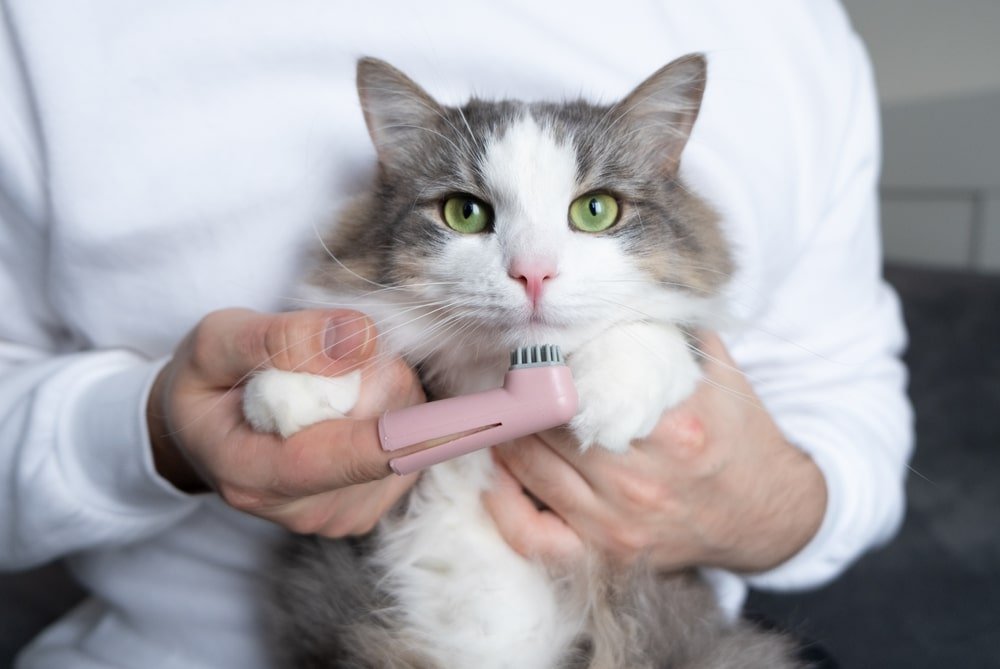
Grooming your cat doesn’t have to be a struggle. You want your furry friend to look good and feel comfortable, but sometimes the process can be tricky.
What if there was a simple, stress-free way to keep your cat’s coat shiny and healthy? You’ll discover the best way to groom your cat that saves time, reduces stress, and strengthens the bond between you and your pet. Keep reading to find easy tips and tricks that will make grooming a breeze for both you and your cat.

Credit: www.purina.com
Choosing The Right Grooming Tools
Choosing the right grooming tools for your cat can change the entire experience for both of you. The right tools make grooming easier, safer, and more enjoyable. It also helps keep your cat’s coat healthy and looking its best.
Brush Types For Different Coats
Not all brushes work well on every cat coat. Short-haired cats benefit from a soft-bristle brush that removes loose fur without irritating their skin. For long-haired cats, a slicker brush with fine, short wires helps detangle mats and remove dead hair effectively.
Some cats have thick undercoats. In these cases, a de-shedding tool like a Furminator can reach deeper layers without hurting your cat. You might want to try a rubber curry brush for cats who dislike stiff bristles—it’s gentle and stimulates skin oils.
Essential Grooming Accessories
Besides brushes, keep these items handy:
- Comb:Great for delicate areas like the face and tail to catch small tangles.
- Nail Clippers:To keep claws trimmed and prevent accidental scratches.
- Grooming Wipes:Useful for quick clean-ups and removing dirt between baths.
Having these tools ready makes grooming less stressful. Have you noticed how your cat reacts differently to each tool? Paying attention helps you pick what works best.
Safe And Comfortable Clippers
If your cat needs a haircut or nail trim, sharp, quiet clippers are essential. Look for clippers designed specifically for pets—they reduce noise and vibration, keeping your cat calm.
Comfortable grip handles help you control the tool better, reducing the risk of slips. Always test the clippers on a small area first to see how your cat reacts.
Would your cat tolerate clippers better if you introduce them slowly, paired with treats? Small steps can build trust and make grooming less of a battle.
Preparing Your Cat For Grooming
Preparing your cat for grooming helps make the process smooth and stress-free. Cats can feel nervous or restless during grooming. Preparing them well can reduce fear and resistance. It also builds trust between you and your cat. Start early and be patient. The goal is to make grooming a positive experience.
Creating A Calm Environment
Choose a quiet room with few distractions. Avoid loud noises and sudden movements. Soft lighting helps keep your cat relaxed. Clear the area of toys or other pets. Use a comfortable surface like a soft towel or mat. Keep grooming tools nearby but out of sight. A calm space helps your cat focus and feel safe.
Getting Your Cat Comfortable
Let your cat explore the grooming area first. Offer treats or gentle petting to build positive feelings. Handle your cat gently, touching paws and ears briefly. Watch your cat’s body language for signs of stress. Use a calm voice and slow movements. Stop if your cat shows discomfort. Gradually increase handling time over several sessions.
Timing Your Grooming Sessions
Pick a time when your cat is calm or sleepy. Avoid grooming right after meals or playtime. Keep sessions short, around 5 to 10 minutes. Stop before your cat gets restless or upset. Regular short sessions work better than long ones. Consistent timing helps your cat expect and accept grooming.
Brushing Techniques That Work
Brushing your cat isn’t just about keeping their fur shiny—it’s a chance to bond and check for any skin issues early. Using the right techniques can turn grooming from a chore into a calming ritual for both of you. Let’s look at brushing methods that actually make a difference.
How Often To Brush
Every cat is different, so how often you brush depends on their coat type. Short-haired cats usually need brushing once a week, while long-haired breeds benefit from daily sessions to avoid tangles.
Notice how your cat reacts after brushing. If they seem relaxed and their coat stays smooth, you’re on the right track. Skipping brushing can lead to fur buildup and discomfort—do you want your cat to suffer from preventable mats?
Dealing With Mats And Tangles
Mats can be painful and tricky to remove. Start by gently loosening the edges with your fingers before using a wide-toothed comb.
- Use small, careful strokes rather than aggressive pulling.
- Apply a detangling spray made for cats if needed.
- For stubborn mats, trim carefully or seek professional help.
Remember, patience is key. Rushing can hurt your cat and make future brushing sessions harder.
Handling Sensitive Areas
Cats often dislike having their belly, tail, or paws brushed. Approach these zones slowly and reward your cat with treats to build positive associations.
Use soft brushes and gentle pressure to avoid startling your pet. If your cat pulls away, pause and try again later—forcing it can create fear around grooming.
Have you noticed your cat’s favorite spots for petting? Start brushing there to gain trust before moving to more sensitive areas.

Credit: tryfurgo.com
Bathing Your Cat Safely
Bathing a cat can be stressful for both the pet and the owner. Proper preparation and gentle handling make the process safer and calmer. Knowing when to bathe your cat, which shampoo to use, and how to bathe correctly helps maintain your cat’s health and comfort.
When To Bathe Your Cat
Cats usually groom themselves well. Bathing is rarely needed. Bathe your cat only if:
- It gets very dirty or sticky.
- It has fleas or skin problems.
- The vet recommends it for medical reasons.
- It cannot clean itself due to illness or age.
Frequent baths can dry out their skin. Limit baths to necessary occasions.
Choosing The Right Shampoo
Use shampoos made specifically for cats. Human or dog shampoos can harm their skin.
- Pick a gentle, hypoallergenic formula.
- Avoid shampoos with strong scents or harsh chemicals.
- For flea problems, choose a vet-approved flea shampoo.
- Check the label for cat safety.
Step-by-step Bathing Process
- Brush your cat to remove loose fur and tangles.
- Fill a sink or tub with a few inches of lukewarm water.
- Place a non-slip mat to prevent slipping.
- Gently wet your cat using a cup or sprayer.
- Apply a small amount of shampoo, lather carefully.
- Avoid eyes, ears, and nose when shampooing.
- Rinse thoroughly with lukewarm water to remove all soap.
- Wrap your cat in a warm towel and dry gently.
- Keep your cat in a warm place until fully dry.
Trimming Nails And Ears
Trimming your cat’s nails and cleaning their ears are key parts of grooming. These tasks keep your cat healthy and comfortable. Regular nail trimming prevents scratches and damage to furniture. Cleaning ears stops wax build-up and infections. Both require gentle care and attention.
Safe Nail Clipping Tips
- Use sharp, cat-specific nail clippers.
- Hold your cat’s paw gently but firmly.
- Trim only the sharp tip, avoiding the pink quick.
- Clip one nail at a time to avoid stress.
- Use a styptic powder nearby to stop bleeding.
- Reward your cat after each session with treats.
Cleaning Your Cat’s Ears
Use a soft cloth or cotton ball dampened with a vet-approved ear cleaner. Wipe the outer ear gently to remove dirt and wax. Avoid inserting anything deep into the ear canal. Let your cat shake its head freely. Clean ears regularly but not too often.
Recognizing Signs Of Infection
- Redness or swelling inside the ear.
- Unpleasant smell or discharge.
- Frequent scratching or pawing at ears.
- Head shaking or tilting.
- Loss of balance or signs of pain.
Contact a vet if you notice any signs of infection. Early treatment prevents serious problems.

Credit: www.angiesmobilepetstyling.com
Managing Shedding And Hairballs
Managing shedding and hairballs is key to keeping your cat healthy and comfortable. Shedding happens naturally as cats lose old fur. Hairballs form when cats swallow loose hair during grooming. Both can cause mess and discomfort if not controlled.
Effective management reduces shedding and prevents hairballs from building up. It improves your cat’s coat and digestion. The right diet, hydration, grooming, and remedies all play important roles.
Diet And Hydration Tips
A balanced diet supports a healthy coat and skin. Look for foods rich in omega-3 and omega-6 fatty acids. These nutrients reduce shedding and keep fur shiny.
- Choose high-quality cat food with essential vitamins
- Provide fresh water daily to keep skin hydrated
- Wet food can boost moisture intake for cats
Proper hydration helps the digestive system move hair through more easily. It lowers the chance of hairballs forming.
Using Hairball Remedies
Hairball remedies help move swallowed hair through the digestive tract. They come in pastes, treats, or supplements.
- Apply hairball paste as directed by your vet
- Offer hairball control treats regularly
- Ask your vet before starting any new product
These remedies reduce hairball frequency and discomfort. Use them alongside good grooming habits.
Regular Grooming To Reduce Shedding
Brushing your cat often removes loose fur before swallowing. It lowers shedding around the house and hairball risk.
- Use a brush suited to your cat’s coat type
- Groom daily during heavy shedding seasons
- Be gentle to avoid hurting your cat
Regular grooming strengthens your bond and keeps your cat clean. It’s the simplest way to manage shedding and hairballs effectively.
When To Seek Professional Grooming
Knowing when to seek professional grooming for your cat can save you from many headaches and keep your feline friend comfortable and healthy. Not all grooming tasks are easy to handle at home, especially if your cat has special needs or behavioral challenges. Recognizing the right moment to turn to an expert can make a big difference in your cat’s well-being.
Signs Your Cat Needs Expert Care
Some signs clearly indicate it’s time to call a professional groomer. If your cat’s fur is heavily matted or tangled, it can cause skin irritation and pain that only skilled hands can safely address.
Watch for excessive shedding or dandruff that home brushing doesn’t improve. Also, if your cat shows fear or aggression during grooming, a professional’s experience can help reduce stress and prevent injuries.
Does your cat have long nails that seem impossible to trim without a struggle? Or maybe your cat has a skin condition that requires special attention during grooming. These situations often require a groomer with veterinary knowledge or specialized tools.
Finding A Trusted Groomer
Choosing the right groomer is crucial. Look for someone who is recommended by your vet or fellow cat owners. Reading reviews and asking about their experience with cats can give you insight into their professionalism and care quality.
Visit the grooming salon beforehand. Is it clean, quiet, and cat-friendly? Do the groomers handle cats gently and confidently? These factors matter more than you might think.
Ask about the products and techniques they use. Are they safe and suitable for your cat’s breed and skin type? A good groomer will be happy to answer your questions and tailor their service to your cat’s needs.
Preparing For A Grooming Appointment
Preparation can make the grooming session smoother for both you and your cat. Try to keep your cat calm before the appointment by offering a quiet space and familiar toys.
Bring your cat’s favorite treats or a blanket from home to provide comfort. Share any health concerns or behavior notes with the groomer so they can adjust their approach.
If your cat has never been groomed professionally, a short trial session might help them get used to the process without overwhelming them. How you prepare could be the key to turning grooming into a positive experience rather than a stressful one.
Frequently Asked Questions
How Often Should I Groom My Cat?
Groom your cat at least once a week to prevent mats and reduce shedding. Long-haired cats may need daily grooming. Regular grooming helps maintain a healthy coat and skin, and it strengthens your bond with your cat.
What Tools Are Best For Cat Grooming?
Use a soft-bristle brush for short-haired cats and a wide-toothed comb for long-haired breeds. Nail clippers, flea combs, and grooming wipes are also helpful. Choose tools that suit your cat’s coat type for effective and gentle grooming.
Can Grooming Reduce Cat Hairballs?
Yes, regular grooming removes loose fur that cats might ingest. This reduces hairballs and improves digestion. Brushing your cat daily is especially important for long-haired breeds prone to hairballs.
Is It Safe To Bathe My Cat During Grooming?
Bathing is safe if done gently with cat-specific shampoo. Avoid frequent baths, as cats groom themselves naturally. Use warm water and ensure your cat is calm to reduce stress during baths.
Conclusion
Grooming a cat keeps it healthy and happy. Regular brushing removes dirt and loose hair. It also helps prevent hairballs and mats. Use gentle strokes to avoid hurting your cat. Choose the right tools for your cat’s fur type. Make grooming a calm and positive time together.
Small, consistent efforts make a big difference. Your cat will enjoy the attention and care. Keep these tips in mind for easy grooming. A well-groomed cat looks and feels great every day.
