

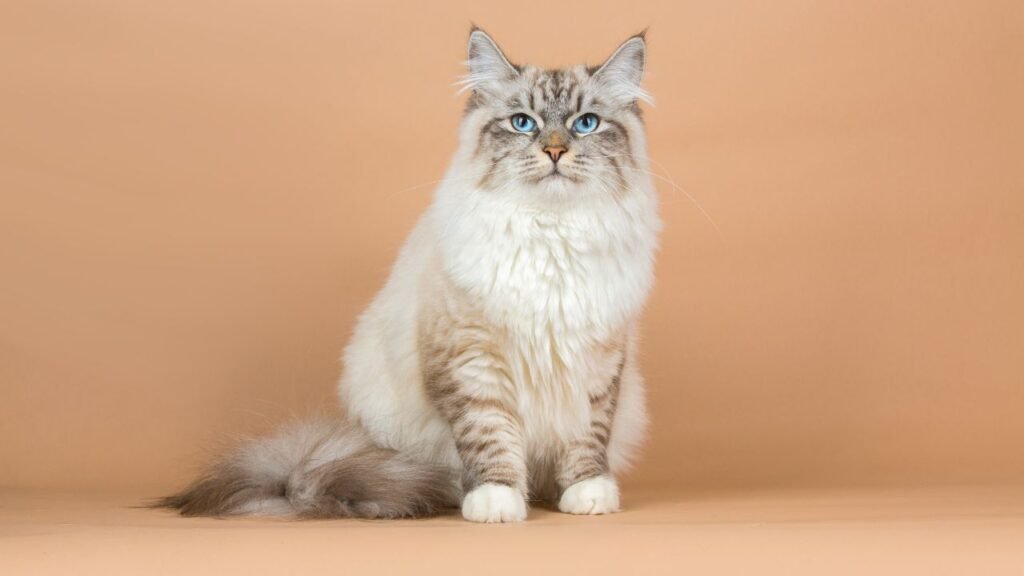
Are you looking for a cat that makes a big impression? Big house cat breeds are not only stunning but also full of personality and charm.
Whether you want a gentle giant to cuddle with or a playful companion that fills your home with energy, these cats bring something special to your life. Keep reading to discover which big cat breed fits your lifestyle perfectly—and why size really does matter when it comes to your next furry friend.
Majestic Traits Of Large Cat Breeds
Large cat breeds stand out with their impressive size and regal appearance. Their majestic traits make them a favorite among cat lovers. These cats combine strength, beauty, and charm. They bring a powerful presence to any home.
Physical Characteristics
Big house cats often have muscular bodies and broad chests. Their paws are large, supporting their weight with ease. Thick fur adds to their grandeur, ranging from short to long coats. Some breeds feature striking patterns or solid colors. Their eyes are expressive and wide, reflecting intelligence and alertness. A strong jawline and sturdy frame complete their royal look.
Temperament And Personality
Large cat breeds tend to be gentle giants. They are calm but playful, enjoying both activity and rest. These cats often show loyalty and affection to their families. They adapt well to indoor life and enjoy quiet environments. Despite their size, many have a soft and loving nature. They can be curious explorers, always interested in their surroundings. Patience and social behavior make them great companions for children and adults alike.
Credit: www.rd.com
Popular Large Cat Breeds
Big house cat breeds are known for their impressive size and gentle nature. These cats often become family favorites due to their friendly personalities and striking looks. Their large size does not mean they are difficult to care for. Many enjoy cuddles and playtime just as much as smaller breeds.
Here are some popular large cat breeds that stand out for their size and charm.
Maine Coon
The Maine Coon is one of the largest domestic cat breeds. It has a thick, water-resistant coat and tufted ears. This breed is friendly and social, making it great for families. Maine Coons are also known for their intelligence and playful nature.
Norwegian Forest Cat
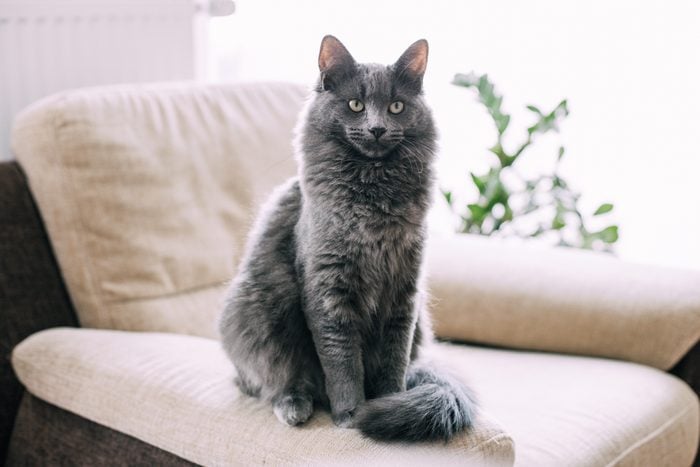
Norwegian Forest Cats have strong bodies and long, dense fur. They are built to handle cold weather. These cats enjoy climbing and exploring. Their calm and gentle personality makes them wonderful companions.
Ragdoll
Ragdolls are large and have striking blue eyes. Their fur is soft and silky. They are known to go limp when picked up, which is why they are called Ragdolls. They are calm and enjoy being held and cuddled.
Savannah Cat
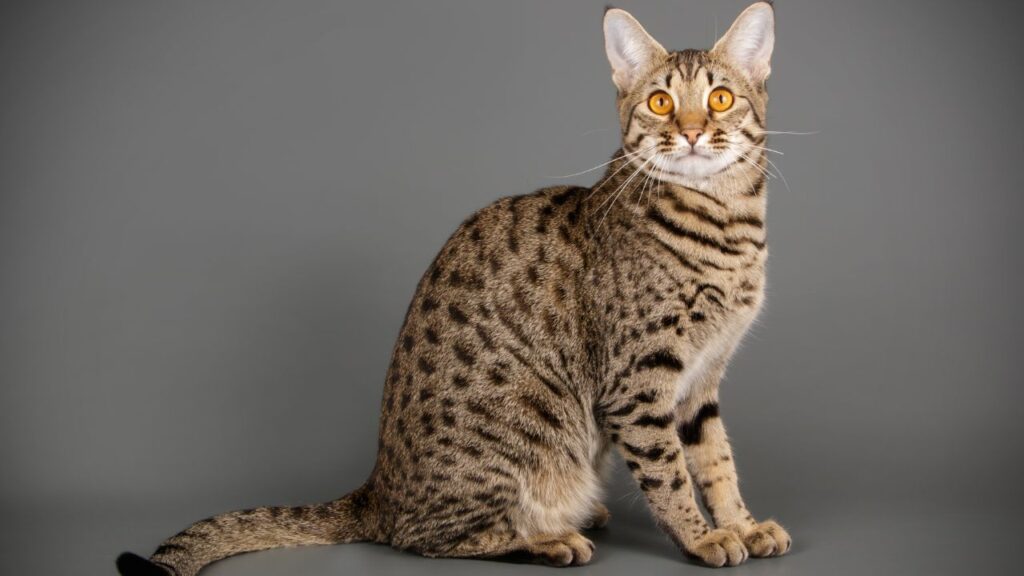
Savannah Cats have a wild look with tall ears and long legs. They are a cross between a domestic cat and a serval. These cats are active and curious. They often enjoy playing in water and learning tricks.
Siberian Cat
Siberian Cats have thick fur that protects them from cold climates. They are strong and agile. Siberians are affectionate and good with children. Their playful nature makes them a joy to have around the house.
Care Tips For Big Cats
Big house cat breeds need special care to thrive in your home. Their size means they have unique requirements that smaller cats don’t face. Paying attention to their diet, activity, and grooming keeps them healthy and happy.
Nutrition Needs
Big cats require more calories but also balanced nutrition to support their larger bodies. Protein is crucial for muscle health, so choose high-quality cat food with meat as the first ingredient.
Don’t overfeed just because they’re big; obesity can lead to serious health problems. You might want to weigh their food portions or consult your vet for an appropriate feeding schedule.
Exercise And Play
These cats need plenty of exercise to stay fit and avoid boredom. Provide large, sturdy climbing trees or shelves that can support their weight.
Interactive toys that encourage jumping and hunting keep their minds sharp. Have you noticed your big cat’s favorite game or toy? Use that to keep them moving daily.
Grooming Essentials
Grooming a big cat can be a workout itself! Regular brushing helps reduce shedding and prevents hairballs.
Use brushes designed for thick or long fur if your cat has it. Plus, check their nails and ears weekly since larger cats tend to have stronger claws and may need more frequent trimming.
Credit: worldanimalfoundation.org
Choosing The Right Big Cat For Your Home
Choosing the right big house cat for your home is more than just picking a breed that looks impressive. It’s about matching their needs with your lifestyle and living space. Your decision will affect your daily routine and the happiness of everyone in your household.
Space Requirements
Big cats need room to move freely. Unlike smaller breeds, they thrive in environments where they can stretch out and explore. If your home feels cramped, a large breed might feel stressed or restless.
Think about your available space. Do you have wide hallways, open living rooms, or a safe outdoor area? These factors impact the cat’s comfort and health.
Some big cats, like the Maine Coon, adapt well to apartments if you provide vertical spaces like tall cat trees. Others, such as the Norwegian Forest Cat, benefit more from access to outdoor or large indoor spaces.
Compatibility With Families And Pets
Big cats often have personalities as large as their size. Many are gentle giants, but their energy levels and social needs vary. Understanding this helps you decide if they fit your family dynamic.
Do you have young children or other pets? Some big breeds, like the Ragdoll, are known for their calm and friendly nature, making them great with kids and other animals. Others might prefer a quieter home.
Consider the cat’s temperament and your household’s activity. A highly active cat might not suit a calm, elderly family, while a laid-back breed may not keep up with a lively household.
Have you thought about how much attention you can give your new big cat? These breeds often crave interaction and mental stimulation, which is essential for their well-being.
Health Concerns In Large Breeds
Large cat breeds bring joy with their size and personality. Their size can also lead to unique health challenges. Understanding these concerns helps owners care better. Healthy big cats live longer and stay active.
Common Medical Issues
Big cats often face joint problems. Arthritis and hip dysplasia are common. These conditions cause pain and limit movement. Heart disease is another risk in large breeds. Some breeds are prone to kidney problems. Obesity can worsen these medical issues. Regular check-ups catch problems early. Watch for signs like limping or lethargy.
Preventive Care
Good diet supports strong bones and joints. Feed balanced food suited for large breeds. Maintain a healthy weight to reduce stress on joints. Provide moderate exercise to keep muscles strong. Schedule regular vet visits for health checks. Vaccinations and parasite control protect against illness. Early detection improves treatment success. Preventive care helps big cats live well.

Credit: worldanimalfoundation.org
Frequently Asked Questions
What Are The Largest House Cat Breeds?
The largest house cat breeds include Maine Coon, Savannah, and Ragdoll. These cats can weigh up to 20 pounds or more. They are known for their friendly nature and striking appearance, making them popular pets.
How Big Do Maine Coon Cats Grow?
Maine Coon cats typically weigh between 13 to 18 pounds. Males can reach up to 25 pounds. They are muscular with long fur and are one of the largest domestic cat breeds.
Are Big House Cats Good For Families?
Yes, big house cats like Ragdolls and Maine Coons are excellent for families. They are gentle, affectionate, and get along well with children and other pets, making them ideal companions.
What Is The Lifespan Of Large Cat Breeds?
Large cat breeds usually live between 12 to 15 years. Proper care, nutrition, and regular vet visits can help extend their lifespan. Some may live longer with good health management.
Conclusion
Big house cat breeds bring charm and size to any home. They often have gentle, friendly personalities. Many enjoy playtime but also love rest. These cats need space to move comfortably. Choosing the right breed depends on your lifestyle. Large cats can be loyal and loving pets.
Their size makes them stand out in a crowd. Understanding their needs helps create a happy home. Big cats offer joy and companionship every day. Consider their traits carefully before bringing one home.
